Gaudy Necklace Value Guide: Maximize Budget & Style
Discover how to evaluate a gaudy necklace for true value. Learn material grades, pricing tiers, and how to invest in bold statement pieces that last.

The Maximalist Dilemma: Bold Style vs. Cheap Materials
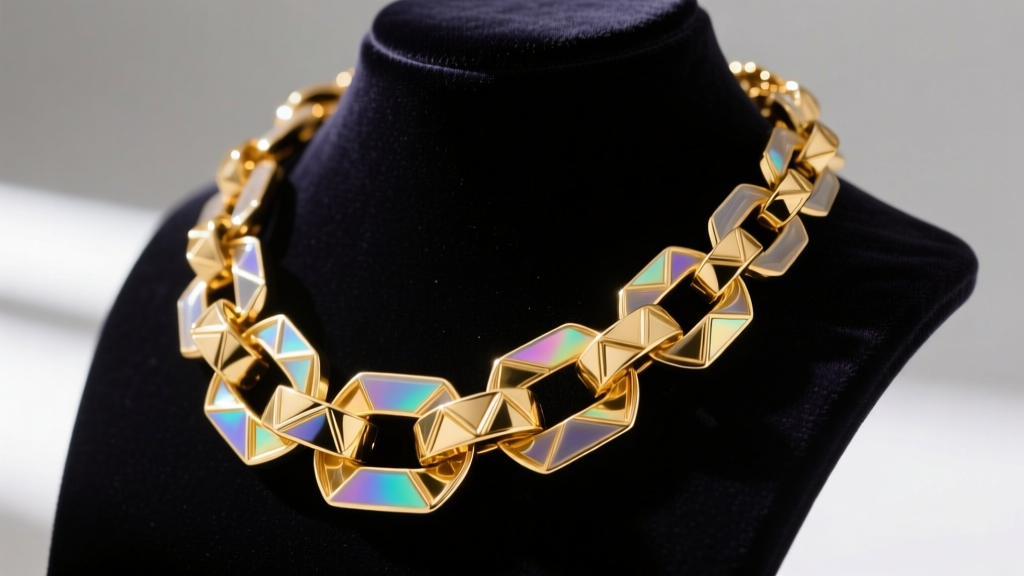
The maximalist jewelry movement has firmly cemented the gaudy necklace as a wardrobe essential for those looking to make an unapologetic sartorial statement. Characterized by oversized links, heavy pendants, vibrant enamel work, and clustered embellishments, these pieces demand attention. However, the sheer volume of material required to create a bold, chunky necklace introduces a significant budget trap. When a piece requires 150 grams of metal and dozens of faux gemstones, manufacturing costs can skyrocket—or brands can cut dangerous corners using toxic, low-grade alloys that degrade within weeks.
As a consumer in 2026, navigating the market for statement jewelry requires a sharp eye for metallurgical realities and structural integrity. A high price tag does not automatically equate to high value, and a low price tag almost always guarantees premature failure. This comprehensive value assessment will teach you how to deconstruct the anatomy of a heavy statement piece, ensuring your budget is allocated toward materials that offer longevity, skin safety, and enduring aesthetic appeal.
The Material Reality: Base Metals in Heavy Jewelry
The foundation of any heavy necklace dictates its weight, durability, and hypoallergenic properties. Because a gaudy necklace requires substantial mass, the choice of base metal is the single most critical factor in its overall value proposition.
Zinc Alloy (Zamak) and Pot Metals
At the lowest end of the budget spectrum, you will find zinc alloys, often marketed under the trade name Zamak. While Zamak is inexpensive (costing roughly $2 to $4 per kilogram in bulk manufacturing) and easy to cast into intricate, ornate shapes, it is fundamentally brittle. A heavy zinc alloy necklace dropped on a hard surface is highly prone to snapping. Furthermore, these alloys often contain nickel and lead, which can cause severe contact dermatitis once the thin outer plating wears away. If a product description vaguely lists "alloy" without specifying the exact metal composition, assume it is a low-grade zinc mix and adjust your budget expectations accordingly.
Solid Brass and Bronze
Brass is the industry standard for mid-tier statement jewelry. It offers excellent malleability for detailed casting and possesses a satisfying, substantial weight that mimics precious metals. However, bare brass will oxidize rapidly and turn your skin green due to the copper content. Therefore, the value of a brass-based gaudy necklace is entirely dependent on the quality and thickness of its outer plating.
316L Stainless Steel
For heavy, link-style chains and industrial-chic statement pieces, 316L surgical stainless steel is the undisputed champion of budget-friendly value. It is inherently hypoallergenic, highly resistant to tarnish, and possesses a tensile strength that prevents the links from stretching or pulling apart under heavy loads. While it cannot be cast into the same intricate, lace-like patterns as brass, it is the superior choice for chunky chains and structural hardware.
The Plating Problem: Vermeil vs. Flash vs. PVD
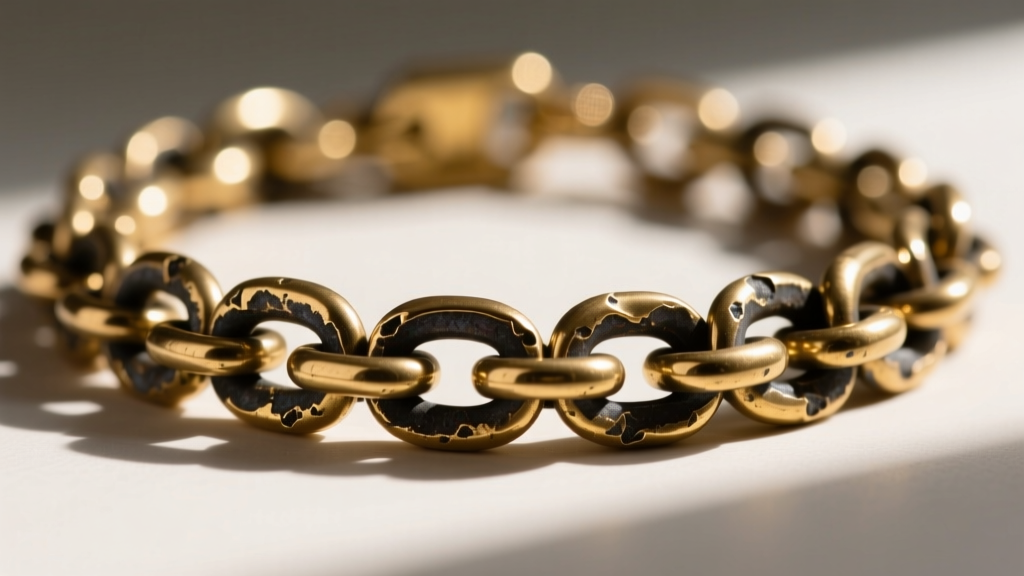
Because solid gold or platinum is cost-prohibitive for massive, gaudy necklaces, nearly all statement pieces rely on plating. Understanding plating thickness is non-negotiable for accurate value assessment.
Flash Plating (0.1 to 0.5 microns): Often found in fast-fashion jewelry, flash plating is a microscopic layer of gold or silver applied via electroplating. It provides a brilliant initial shine but will wear through to the base metal within weeks of regular wear, especially at high-friction areas like the clasp and the nape of the neck. Avoid paying more than $30 for flash-plated items.
Gold Vermeil (Minimum 2.5 microns): According to the Federal Trade Commission (FTC) Jewelry Guides, true gold vermeil must consist of a sterling silver base plated with at least 2.5 microns of gold (minimum 10k, though 14k or 18k is standard). Vermeil offers the luxurious look of solid gold at a fraction of the cost and, with proper care, can last for years. It is the sweet spot for budget-conscious buyers seeking premium aesthetics.
PVD (Physical Vapor Deposition) Coating: Primarily used on stainless steel, PVD is a vacuum-coating process that bonds titanium nitride or gold ions to the metal at a molecular level. PVD coatings are up to 10 times more durable than traditional electroplating, making them impervious to sweat, perfume, and water. A PVD-coated steel gaudy necklace is arguably the best long-term investment for daily wear.
The 2026 Gaudy Necklace Pricing & Value Matrix
To help you benchmark market prices, we have compiled a valuation matrix based on current 2026 retail data for heavy statement necklaces (weighing between 80g and 150g).
| Material Tier | Base Metal | Plating / Finish | Fair Price Range | Expected Lifespan |
|---|---|---|---|---|
| Fast Fashion | Zinc Alloy | Flash Gold (0.2μm) | $15 - $45 | 1 - 3 Months |
| Mid-Tier Boutique | Solid Brass | Gold Vermeil (2.5μm) | $85 - $180 | 2 - 5 Years |
| Contemporary Artisan | 316L Steel | PVD 18k Gold | $60 - $140 | 10+ Years |
| Fine Demi-Jewelry | Sterling Silver | Heavy Vermeil (4.0μm) | $220 - $450 | 5 - 15 Years |
Stone and Embellishment Valuation
A defining feature of many maximalist necklaces is the inclusion of oversized stones, beads, or clustered crystals. Evaluating these materials requires a basic understanding of gemology and synthetics, as outlined by resources like the GIA Gem Encyclopedia.
- Acrylic and Plastic: Extremely lightweight and cheap. While they allow for massive, gravity-defying shapes, they scratch easily and develop a cloudy, degraded appearance when exposed to UV light and cosmetics. Value: Very Low.
- Cast Resin: Heavier and more durable than acrylic. High-quality epoxy resins can beautifully mimic amber, tortoiseshell, or jade. However, resin is susceptible to heat damage and chemical degradation from perfumes. Value: Low to Moderate.
- Faceted Glass and Crystal: Glass offers a premium, cold-to-the-touch feel and excellent light refraction. Brands utilizing precision-cut glass or lead-free crystal provide a high-end visual impact without the cost of genuine gemstones. Value: Moderate to High.
- Cubic Zirconia (CZ) and Nano-Spinel: For pieces demanding intense sparkle, machine-cut CZ set in prong settings (rather than glued) offers exceptional brilliance. Ensure the stones are bezel or prong set; glued stones in heavy necklaces will inevitably dislodge due to the kinetic shock of the piece bouncing against the chest. Value: Moderate.
Hardware and Structural Failure Modes
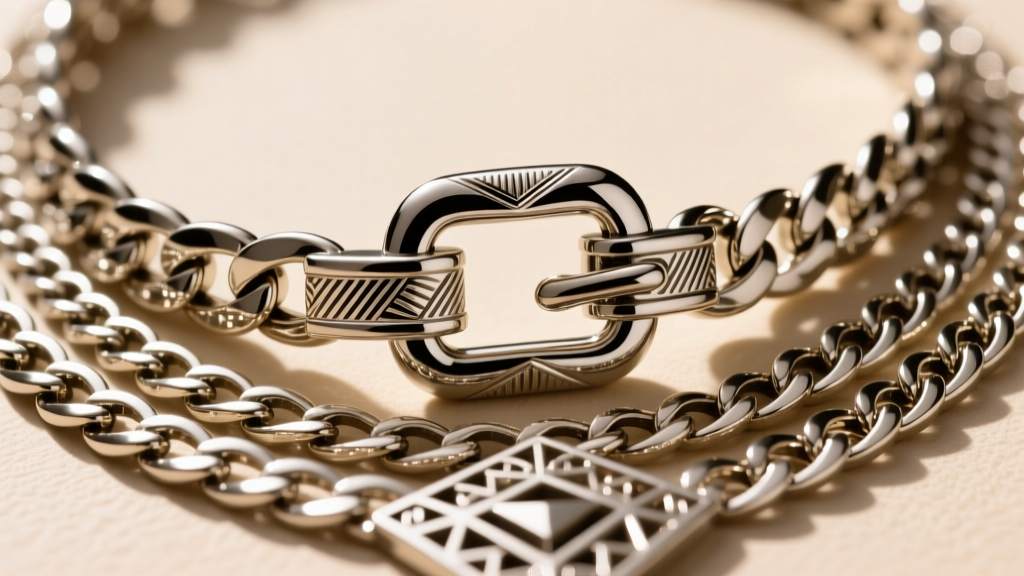
The most common point of failure in a gaudy necklace is not the chain itself, but the hardware connecting it. Heavy statement pieces exert significant kinetic force on clasps and jump rings. When assessing value, turn the necklace over and inspect the structural components.
Clasp Selection
Never purchase a heavy necklace secured by a standard spring-ring clasp. The internal spring mechanism is not rated for loads exceeding 30-40 grams and will eventually fail, resulting in the loss of the piece. Instead, look for lobster clasps (specifically those with a solid, non-hollow body) or toggle clasps. Toggle clasps are particularly valuable for chunky necklaces, as the weight of the necklace naturally pulls the T-bar securely through the ring, creating a self-tightening, fail-safe closure.
Link Soldering and Jump Rings
Inspect the jump rings (the small connecting loops) at the clasp and pendant bails. On high-value pieces, these rings should be soldered shut. If they are merely pushed together, the immense weight of a gaudy necklace will slowly pry the metal apart over time, especially if the necklace catches on clothing. Furthermore, check the chain links themselves; hollow-core links are prone to denting and crushing, whereas solid-core links, though more expensive, offer heirloom-level durability.
Final Verdict: Allocating Your Budget Wisely
Investing in a gaudy necklace is an exercise in balancing visual impact with material science. To maximize your budget, prioritize 316L stainless steel with PVD coating for chain-heavy designs, or solid brass with a minimum of 2.5-micron gold vermeil for intricate, cast pendant styles. Demand robust hardware, prong-set stones, and transparent material disclosures from the manufacturer. By applying these strict valuation metrics, you can confidently acquire bold, head-turning statement pieces that deliver enduring luxury without the fine-jewelry markup.


