Troubleshooting Common Two Tone Necklace Chain Flaws
Is your two tone necklace chain fading or tarnishing? Learn expert troubleshooting tips to restore mixed-metal jewelry, fix plating, and clean safely.

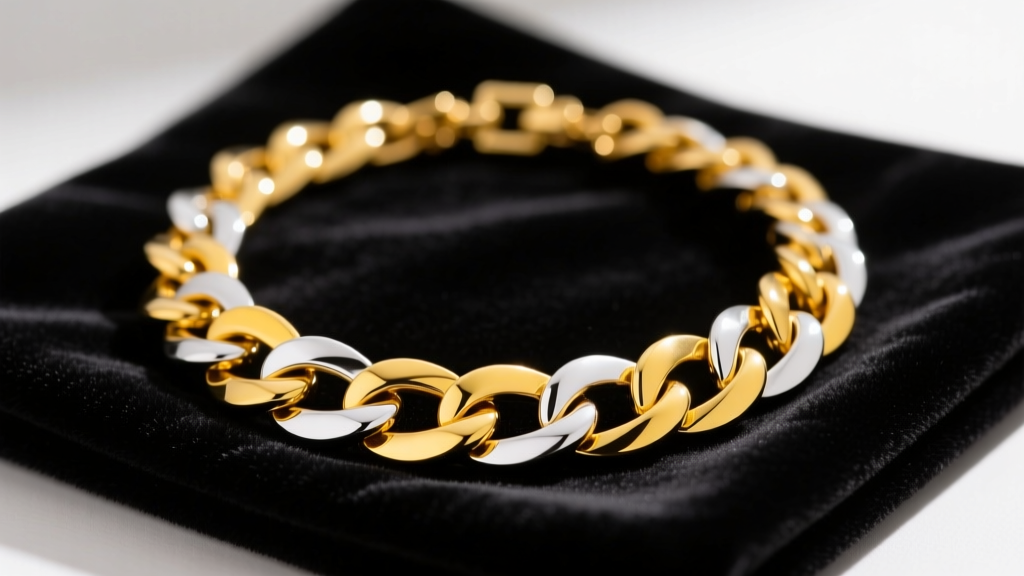
A two tone necklace chain offers a versatile, mixed-metal aesthetic that bridges the gap between warm yellow or rose gold and the cool, sleek finish of white gold or silver. However, this striking visual contrast comes with a unique set of maintenance headaches. Because these chains combine different metal alloys—or rely on strategic electroplating—they are highly susceptible to uneven tarnishing, plating loss, and complex structural failures.
If your favorite mixed-metal piece is losing its contrast, showing brassy undertones, or suffering from weak links, you are not alone. As jewelry metallurgy has evolved, so have the methods required to maintain these intricate pieces. Below is a comprehensive troubleshooting guide to diagnosing, cleaning, and repairing your two tone necklace chain to restore its original factory brilliance.
Diagnosing Your Chain: Solid vs. Plated Construction
Before attempting any repairs or deep cleaning, you must identify how your two tone necklace chain was manufactured. The failure modes and solutions differ drastically depending on whether the chain is solid karat gold or plated over a base metal.
| Construction Type | Material Composition | Common Failure Mode | Restoration Method |
|---|---|---|---|
| Solid Two-Tone | Interlocking 14k/18k Yellow and White Gold links | White gold turns yellowish; surface scratching | Professional rhodium re-plating and polishing |
| Gold Vermeil | Sterling Silver (.925) base with 2.5+ microns of gold | Gold wears off at friction points, exposing silver | Re-vermeiling (electroplating gold over silver) |
| Gold-Filled | Brass base with a thick mechanically bonded gold layer | Tarnishing at solder joints; brass exposure if deeply scratched | Surface polishing; cannot be re-plated easily |
| Flash Plated | Base metal with <0.5 microns of gold/rhodium | Rapid fading, flaking, and skin discoloration | Strip and re-plate; often not cost-effective |
To test your chain, examine the clasp for hallmarks. A stamp reading '14K' or '18K' alongside 'Italy' usually indicates solid gold. A '925' stamp on a gold-looking chain means it is vermeil or plated silver. For an in-depth look at how the Federal Trade Commission regulates jewelry plating and vermeil standards, you can review their official metallurgy guidelines.
Troubleshooting the 'Fading White Gold' Problem
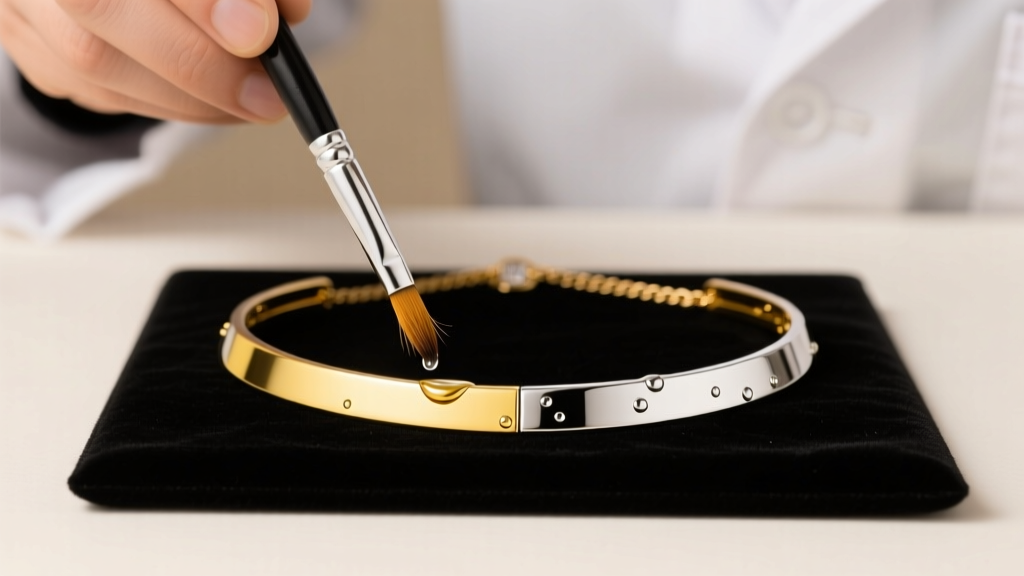
The most frequent complaint regarding solid two tone necklace chains is the 'yellowing' of the white gold sections. White gold is not naturally white; it is an alloy of yellow gold mixed with bleaching metals like nickel, palladium, or manganese. To achieve a mirror-like white finish, manufacturers electroplate the chain with rhodium, a platinum-group metal.
The Rhodium Wear Cycle
Over time, friction from clothing, skin oils, and environmental pollutants wear away the rhodium layer (typically only 0.75 to 1.5 microns thick). When this happens, the underlying pale-yellow alloy is exposed, making the chain look muddy rather than sharply two-toned.
Expert Tip: Never attempt to polish the white gold sections aggressively with a jeweler's cloth. You will strip the remaining rhodium faster. Instead, seek a professional re-plating service.
The Fix: Take the chain to a master jeweler. They will use a masking technique—often applying a specialized clear stop-off lacquer to the yellow gold links—to protect the warm tones while submerging the chain in a rhodium sulfate bath. This process costs between $45 and $85 and instantly restores the crisp, high-contrast two-tone look.
Safely Cleaning Mixed Metals Without Stripping Finishes
Cleaning a two tone necklace chain requires a delicate touch. Commercial silver dips contain thiourea, a chemical that aggressively strips tarnish from silver but can permanently cloud or pit the surface of white gold and rhodium. Conversely, heavy gold polishes often contain mild abrasives that will scratch right through a rhodium finish.
The Safe DIY Cleaning Protocol
- Step 1: Mix a solution of lukewarm distilled water and a few drops of phosphate-free dish soap (like Dawn) in a glass bowl.
- Step 2: Submerge the chain for exactly 3 to 5 minutes. Do not exceed this, as prolonged water exposure can weaken the adhesives in any gemstone accents.
- Step 3: Use an ultra-soft baby toothbrush to gently agitate the dirt trapped between the links. Brush in the direction of the chain's weave to avoid snagging.
- Step 4: Rinse thoroughly under distilled water (tap water contains chlorine and minerals that cause micro-tarnishing).
- Step 5: Pat dry with a lint-free microfiber cloth. Never use paper towels, as wood pulp fibers cause micro-scratches on polished gold.
For further guidance on maintaining complex alloys, the Jewelers of America care guide strongly advises against using ultrasonic cleaners on plated or two-tone jewelry, as the high-frequency cavitation can literally shake loose thin layers of gold or rhodium.
Repairing Broken Links and Solder Joint Failures
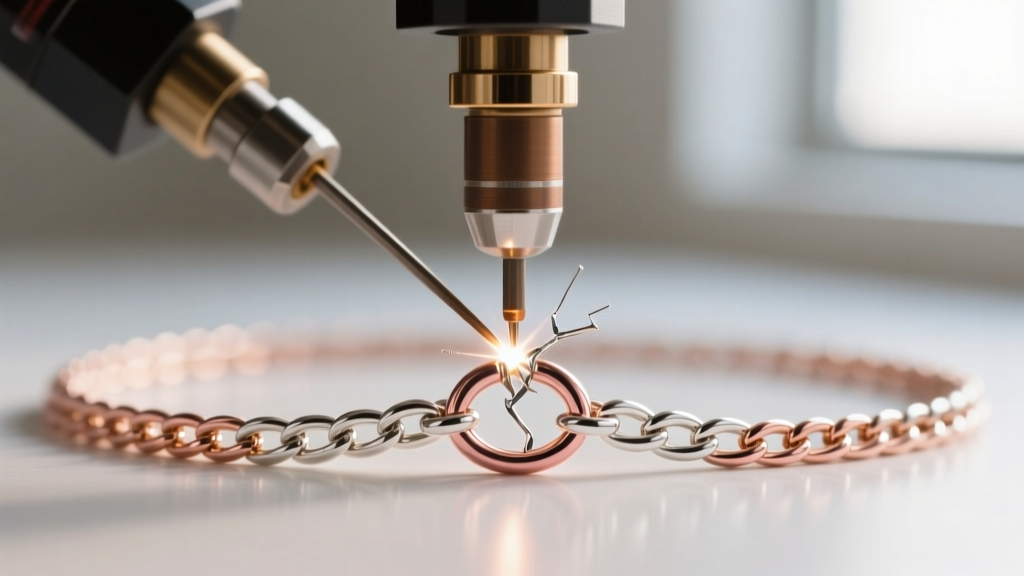
Structural failures in two tone necklace chains usually occur at the solder joints. When a manufacturer connects a yellow gold link to a white gold link, they must use a specific grade of solder that flows at a temperature low enough to avoid melting the links, but high enough to maintain tensile strength.
Why Traditional Torch Soldering Fails
If your chain breaks and a general repair shop uses a traditional butane or oxygen-acetylene torch, the broad heat distribution can cause severe discoloration. The heat can burn the rhodium off the white gold and cause the copper alloys in the yellow or rose gold to oxidize, leaving a dark, fire-scale stain that requires heavy polishing to remove.
The Expert Solution: Insist on laser welding. A laser welder uses a concentrated pulse of light to fuse the metal at the exact point of the break without transferring heat to the surrounding links. This preserves the rhodium plating and the structural integrity of the adjacent links. According to the Gemological Institute of America (GIA), preserving original factory finishes is paramount in high-end jewelry repair, making laser welding the gold standard for mixed-metal chains.
Styling and Pendant Bail Compatibility
A less discussed but equally critical troubleshooting area is the friction caused by pendants. If you slide a heavy solid gold pendant onto a hollow-core or plated two tone necklace chain, the bail (the loop on the pendant) will act like a saw. Over a few months, it will grind through the top layer of gold, exposing the base metal underneath.
Troubleshooting Bail Friction:
- Always match the weight of the pendant to the gauge of the chain. A 1.2mm two-tone box chain should not hold a pendant heavier than 5 grams.
- Ensure the interior of the pendant's bail is smooth. If it has a sharp seam from casting, have a jeweler file and polish the inside of the bail to prevent it from cutting into your chain.
- Consider adding a small, clear silicone o-ring inside the bail to act as a shock absorber between the pendant and the two-tone chain.
Long-Term Maintenance Schedule
To keep your two tone necklace chain looking flawless, adopt a proactive maintenance schedule. Remove the chain before swimming (chlorine destroys gold alloys and strips rhodium) and before applying lotions or perfumes. Have the chain professionally ultrasonically cleaned and inspected for weak links every 12 months, and budget for a rhodium dip every 18 to 24 months depending on your body chemistry and wear frequency. By understanding the metallurgy behind your jewelry, you can preserve the striking contrast of your two tone necklace chain for decades.


