How to Restore a Tarnished Kiki Kannibal Necklace
Learn how to restore a tarnished Kiki Kannibal necklace. Expert troubleshooting for oxidized zinc alloys, rusted spikes, and velvet choker repair.

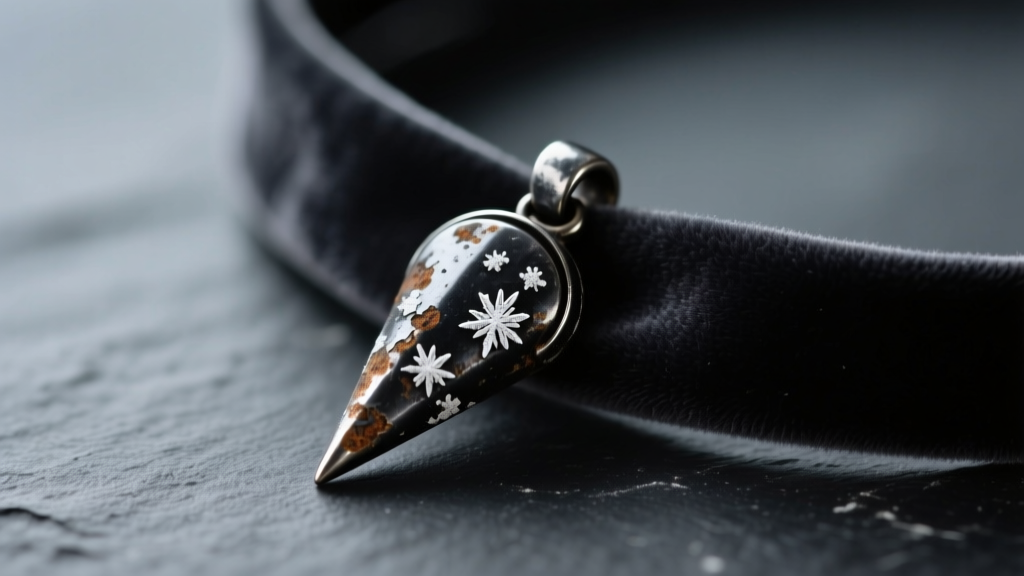
The resurgence of 2000s cybergoth, rivethead, and dark alternative fashion in 2026 has pushed vintage Kiki Kannibal necklaces back into the spotlight. Known for their aggressive hardware, heavy spike motifs, and velvet choker foundations, these statement pieces are highly coveted by collectors and alt-fashion enthusiasts. However, because many original Kiki Kannibal pieces were crafted using affordable base metals and organic textiles, they are highly susceptible to environmental degradation. If you have acquired a vintage piece or are trying to salvage a childhood favorite, you are likely dealing with oxidized zinc alloys, rusted steel spikes, or rotting velvet bands.
Restoring these necklaces requires a nuanced understanding of metallurgy and textile care. Standard jewelry polishing cloths will strip the remaining black nickel or antique silver plating, while harsh chemicals can melt the velvet. This comprehensive troubleshooting guide will walk you through the exact chemical and mechanical processes required to stabilize, clean, and restore a Kiki Kannibal necklace to its former glory without compromising its structural integrity.
Diagnosing Your Kiki Kannibal Necklace Damage
Before applying any cleaning solutions, you must accurately identify the materials. The heavy, intricate pendants characteristic of the Kiki Kannibal aesthetic are typically cast from Zamak—a zinc alloy containing aluminum, magnesium, and copper. While Zamak is excellent for capturing detailed gothic and biohazard molds, it is notoriously unstable when its protective plating wears off.
When exposed to the acids in human sweat and ambient humidity, unsealed Zamak undergoes intergranular corrosion, often referred to by collectors as "zinc pest." This manifests as a chalky, white, crusty powder on the surface of the metal. According to research on base metal degradation published by the Gemological Institute of America (GIA), attempting to polish this white oxidation away with abrasive compounds will only expose more raw zinc to the air, accelerating the decay. Furthermore, the decorative spikes screwed or glued into the main pendant body are often made of lower-grade carbon steel, which is prone to severe red rust when stored in damp environments.
Step-by-Step Hardware Restoration (Spikes & Chains)
To address the rust on the steel spikes without damaging the Zamak pendant body, you must use a selective chelating agent. Avoid vinegar or harsh acids, as these will eat through the zinc alloy and cause catastrophic pitting.
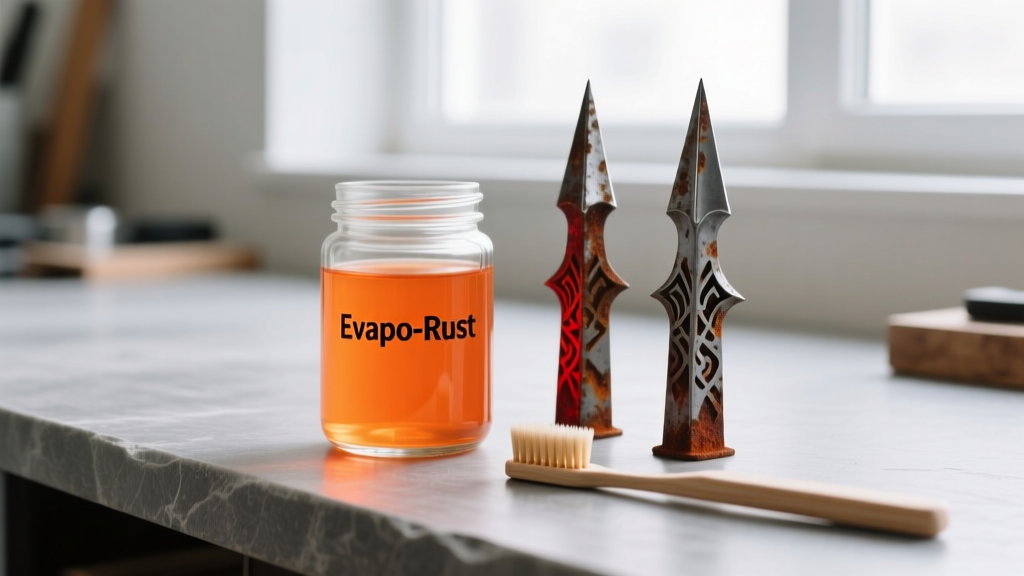
Removing Rust from Steel Spikes
- Disassembly: Carefully unscrew or gently pry the rusted steel spikes from the Zamak base. If they are glued, apply a localized drop of acetone to the joint using a cotton swab to dissolve the cyanoacrylate adhesive.
- Chelation Bath: Submerge the steel spikes in a commercial rust remover like Evapo-Rust. This solution uses chelation to bond only with iron oxide, leaving the base steel completely intact. Let them soak for 12 to 24 hours.
- Neutralization: Rinse the spikes thoroughly with distilled water and immediately dry them with a microfiber cloth to prevent flash rusting.
Cleaning the Zamak Pendant Body
For the main pendant, avoid liquid dips. Instead, use a mild, pH-neutral dish soap mixed with distilled water. Dip a soft-bristled baby toothbrush into the solution and gently agitate the crevices to lift dirt and degraded skin oils. Dry immediately with compressed air or a lint-free cloth to ensure no moisture remains in the deep gothic grooves.
Re-Plating vs. Sealing: The 2026 Archival Standard
Many collectors ask if they can simply re-plate their vintage Kiki Kannibal necklaces. While electroplating is possible, it requires stripping the piece entirely and subjecting the Zamak to a copper strike bath before applying black nickel or silver. This process is expensive and often cost-prohibitive for alternative fashion jewelry.
The modern archival standard, endorsed by conservation experts at the Canadian Conservation Institute, is to stabilize and seal the raw metal using a microcrystalline wax. Renaissance Wax is the industry standard. Unlike organic waxes (like beeswax or carnauba) which contain acidic fatty acids that can corrode base metals over time, Renaissance Wax is highly refined, pH-neutral, and forms a hard, moisture-impermeable barrier.
Expert Application Tip: Apply a microscopic amount of Renaissance Wax to a lint-free cotton cloth. Rub it vigorously into the Zamak pendant. Allow it to haze for exactly 10 minutes, then buff it to a soft, dark sheen with a clean horsehair brush. This seals the metal against oxygen and halts zinc pest in its tracks.
Fixing the Velvet & Ribbon Choker Elements
The velvet bands used in early Kiki Kannibal designs were often made from synthetic blends that degrade, lose their elasticity, or bald with friction. If your velvet is structurally compromised, attempting to clean it will only cause further shedding.
Sourcing and Replacing the Band
Measure the width of the original hardware end-caps (typically 1/2 inch or 3/4 inch). Purchase high-quality stretch velvet or grosgrain ribbon by the yard. For a modern 2026 upgrade that maintains the vintage aesthetic, look for velvet woven with a small percentage of spandex for improved neck comfort. To attach the new ribbon, carefully open the fold-over ribbon crimps using flat-nose pliers, slide out the degraded fabric, insert the new velvet, and crimp it down firmly. Apply a tiny drop of flexible jewelry glue (like E6000) inside the crimp before closing for permanent security.
Troubleshooting Clasp and O-Ring Failures
A frequent failure point in heavy alternative necklaces is the jump ring connecting the massive centerpiece to the chain or velvet band. Standard jewelry jump rings (usually 20-gauge or 18-gauge) are entirely insufficient for the weight of a multi-spike Kiki Kannibal pendant. The downward force causes the ring to pull apart, resulting in a lost pendant.
When replacing hardware, consult the structural guide below to ensure your findings can handle the tensile load of heavy gothic jewelry. For further reading on jewelry findings and gauge strengths, Fire Mountain Gems offers extensive metallurgical guides on jump ring durability.
| Finding Type | Gauge / Thickness | Best Use Case | Tensile Limit |
|---|---|---|---|
| Standard Jump Ring | 20g - 18g | Lightweight charms, delicate chains | < 2 lbs |
| Heavy Split Ring | 16g - 14g | Medium spike pendants, keychains | 5 - 8 lbs |
| Steel O-Ring (Welded) | 12g - 10g | Massive Kiki Kannibal centerpieces | 20+ lbs |
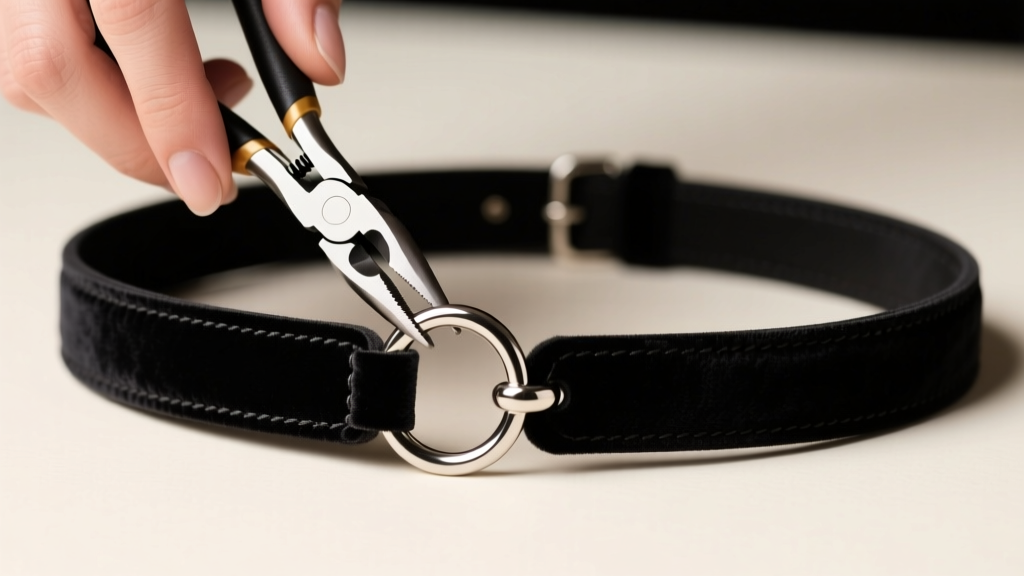
For pendants weighing over half a pound, abandon split rings entirely. Opt for a 12-gauge or 10-gauge welded stainless steel O-ring. Because the ring is welded shut, it has no weak point to pull apart, guaranteeing that your heavy hardware remains securely attached to the choker band regardless of the physical activity you engage in while wearing it.
Preventative Maintenance for Alt-Fashion Jewelry
Once your Kiki Kannibal necklace has been restored, proper storage is critical to preventing a recurrence of zinc pest and steel rust. Never store alternative jewelry in PVC plastic bags or cardboard boxes, as these materials off-gas volatile organic compounds (VOCs) and sulfur, which rapidly accelerate the tarnishing of base metals and silver plating.
Instead, store the necklace in an airtight polyethylene ziplock bag alongside a 3M anti-tarnish strip. These strips utilize Volatile Corrosion Inhibitors (VCIs) to neutralize airborne sulfur and moisture. Additionally, include a small packet of silica gel desiccant to control ambient humidity. By combining microcrystalline wax sealing with VCI storage technology, your restored Kiki Kannibal necklace will remain a pristine, wearable piece of alternative fashion history for decades to come.


