Restoring and Troubleshooting a Vintage Floating Opal Necklace
Learn how to troubleshoot, clean, and restore a vintage floating opal necklace. Expert tips on fixing cloudy liquid, leaks, and stuck opal chips.

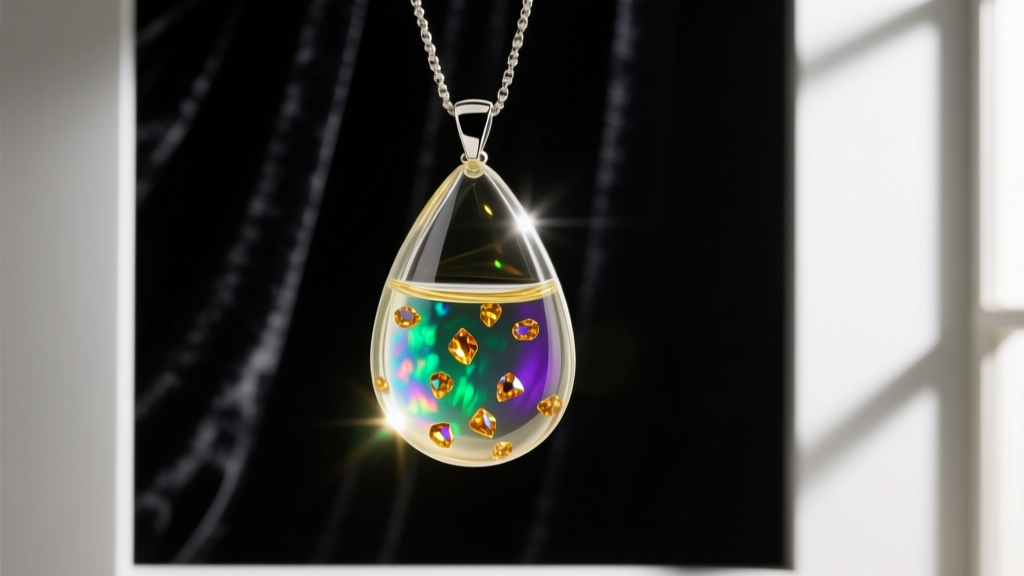
The vintage floating opal necklace is an iconic artifact of 1970s jewelry design. Characterized by a glass teardrop filled with a viscous liquid and suspended chips of fire opal, these pendants were mass-produced by brands like Jewel-Art and Opalite, becoming a staple of bohemian and disco-era fashion. Today, collectors and vintage enthusiasts prize them for their mesmerizing, kinetic movement. However, because they are essentially sealed glass vials containing organic or semi-organic materials, they are highly susceptible to environmental damage, seal degradation, and fluid evaporation.
If you have acquired a vintage floating opal necklace that is cloudy, leaking, or features chips that refuse to float, you are facing a complex horological-style repair. This comprehensive troubleshooting guide will walk you through the chemistry, mechanics, and restoration techniques required to save these delicate mid-century treasures.
The Anatomy of a 1970s Floating Opal Pendant
Before attempting any repairs, it is crucial to understand the exact materials and construction methods used in the 1970s. A standard floating opal pendant consists of four primary components:
- The Glass Vessel: Typically molded from soda-lime glass (not heat-resistant borosilicate), shaped into a teardrop or oval. The glass is relatively thin to allow light to penetrate and illuminate the opal chips.
- The Suspension Fluid: Contrary to popular belief, the liquid is rarely pure water. Manufacturers used a proprietary blend of glycerin and distilled water (usually an 80/20 ratio). Pure glycerin is too viscous, preventing the opals from moving dynamically, while pure water lacks the specific gravity needed to keep the chips suspended and is prone to bacterial growth.
- The Opal Chips: Most vintage pieces contain low-grade natural fire opal chips or, in later mass-produced runs, synthetic opalite or dyed glass flakes. According to the Gemological Institute of America (GIA), opals contain up to 20% water, making them highly sensitive to dehydration and thermal shock.
- The Metal Cap and Bail: A stamped base metal or sterling silver cap that seals the narrow neck of the glass teardrop, affixed with a hardened jeweler's epoxy or UV-cured resin.
Diagnosing Common Floating Opal Failures
When evaluating a damaged vintage floating opal necklace, accurate diagnosis is the first step toward a successful restoration. Here are the three most common failure modes.
Cloudy or Yellowed Suspension Fluid
If the liquid inside the pendant looks milky, yellow, or murky, the seal has been compromised. Over decades, microscopic leaks allow the water content in the glycerin mixture to evaporate. This alters the fluid's refractive index and viscosity. Furthermore, if the original mixture contained too much distilled water, airborne bacteria or fungi may have entered through a micro-fissure, resulting in a cloudy biological bloom. Unfortunately, cloudy fluid cannot be filtered; the pendant must be drained and refilled.
Leaking Glycerin and Seal Failure
Glycerin is a hygroscopic, oily substance. If you notice a sticky, viscous residue on the metal cap or the chain, the epoxy seal has failed. This often happens when the necklace is exposed to high heat (such as being left in a hot car or near a radiator). Heat causes the glycerin-water mixture to expand, creating internal pressure that blows out the aged epoxy seal.
Opal Chips Stuck to the Glass
When opal chips cling statically to the interior walls of the glass and refuse to fall, it indicates two potential issues. First, the fluid level may have dropped due to evaporation, leaving the chips in the empty air pocket at the top of the teardrop. Second, the glycerin may have degraded or separated, losing its anti-static properties. Gentle agitation can sometimes dislodge them, but a refill is usually necessary to restore the kinetic action.
Step-by-Step Restoration and Repair Guide
Restoring a vintage floating opal necklace requires patience, precision tools, and an understanding of thermal dynamics. Warning: Never place a floating opal pendant in an ultrasonic cleaner. The high-frequency vibrations will instantly shatter the soda-lime glass. For safe exterior cleaning, refer to the GIA Gem Care and Cleaning Guide, which recommends a simple damp cloth for delicate, sealed gemstone jewelry.
Exterior Glass and Metal Cap Cleaning
Begin by removing the chain. Use a cotton swab dipped in isopropyl alcohol (90% or higher) to carefully clean the metal cap and bail. The alcohol will dissolve decades of skin oils and lotion without damaging the glass. For the glass teardrop, use a microfiber cloth lightly dampened with distilled water and a drop of mild dish soap. Buff dry immediately to prevent water spots.
Can You Refill a Leaking Floating Opal?
Yes, but it is an advanced repair. If the pendant is empty or cloudy, you must bypass the original seal. Follow these exact steps:
- Softening the Epoxy: Apply controlled heat to the metal cap using a heat gun set to 200°F (93°C). Do not exceed this temperature. If the glass gets too hot, the remaining water inside will turn to steam, build pressure, and explode the teardrop.
- Cap Removal: Once the epoxy is pliable, use rubber-tipped tweezers to gently twist and lift the metal cap off the glass neck. Clean the glass rim with an alcohol wipe.
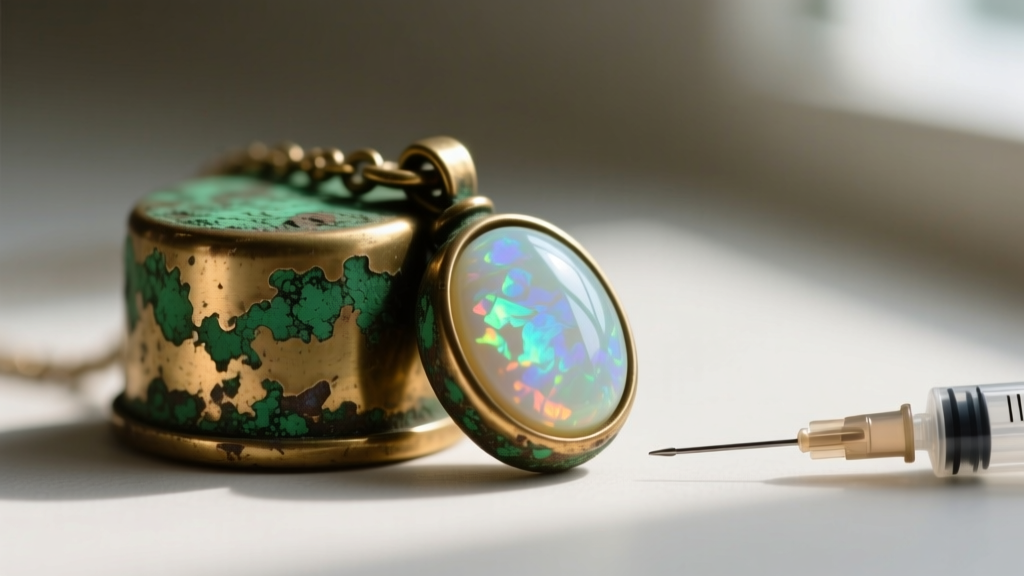
- Draining and Flushing: Invert the pendant over a paper towel to drain the old glycerin. Use a 10ml syringe with a 21-gauge blunt tip needle to flush the interior with distilled water, followed by a flush of pure isopropyl alcohol to remove moisture. Let it air dry completely.
- Refilling: Prepare a mixture of 80% vegetable glycerin and 20% distilled water. Using the syringe, slowly inject the mixture into the glass teardrop, leaving a 3mm air gap at the top to allow for thermal expansion.
- Resealing: Coat the interior rim of the metal cap with a high-quality, clear UV-curing jeweler's resin. Press it onto the glass neck and cure it under a 36W UV lamp for 60 seconds to create a permanent, watertight seal.
Preventative Care and Storage Matrix
Once restored, or if you are simply maintaining a pristine vintage piece, strict environmental controls are required. Use the following matrix to ensure the longevity of your vintage floating opal necklace.
| Environmental Factor | Risk Level | Actionable Protocol |
|---|---|---|
| Freezing Temperatures | CRITICAL | Never store below 40°F (4°C). The water content in the glycerin will freeze, expand, and shatter the glass teardrop instantly. |
| High Heat / Direct Sun | CRITICAL | Do not leave in hot cars or direct sunlight. Heat expands the fluid, blowing out the epoxy seal and causing irreversible leaks. |
| Ultrasonic Cleaners | HIGH | Never use. Sonic vibrations cause micro-fractures in the molded soda-lime glass, leading to sudden catastrophic failure. |
| Perfume / Hairspray | MEDIUM | Apply cosmetics before putting on the necklace. Alcohol-based sprays can degrade the exterior UV resin seal over time. |
| Long-Term Storage | LOW | Store flat in a velvet-lined box at room temperature (68°F / 20°C). Storing it hanging for decades can stress the glass neck. |
Sourcing Replacement Parts and Authentic Vintage Pieces
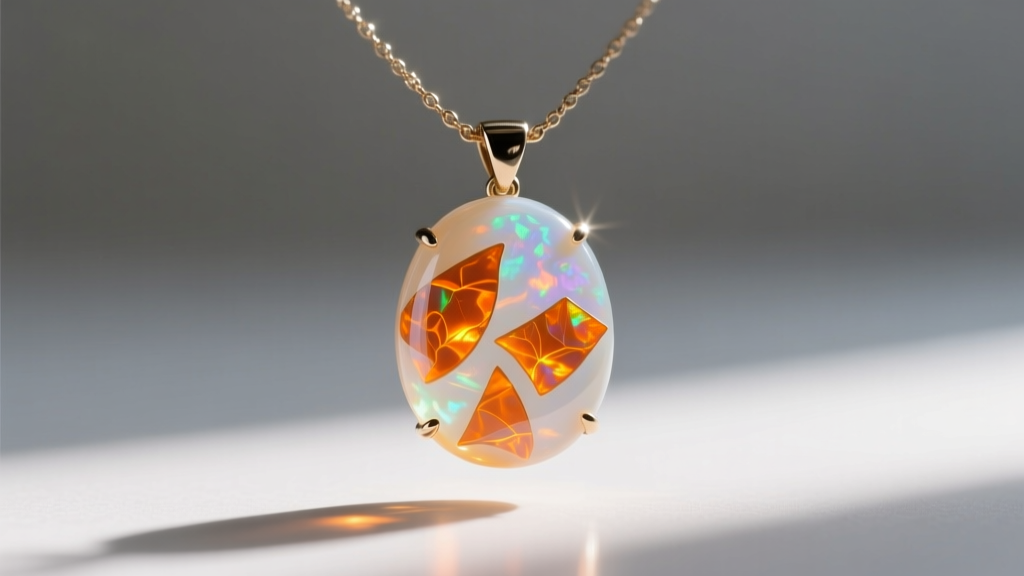
If your pendant is shattered beyond repair, or if you are looking to source a replacement chain that matches the 1970s aesthetic, you must look to specialized vintage markets. Original Jewel-Art pendants often featured 14k gold-filled rope chains or sterling silver herringbone chains. When sourcing replacements on platforms like Etsy or RubyLane, search specifically for "NOS (New Old Stock) floating opal pendant" to find pieces that have never been worn and still possess their original, unevaporated fluid seals. Always ask the seller to provide a video of the pendant tilted to verify that the opal chips move freely through the glycerin, confirming the viscosity has not degraded.
Final Thoughts on Preserving 70s Jewelry
Troubleshooting a vintage floating opal necklace is as much an exercise in chemistry as it is in jewelry repair. By understanding the delicate balance of glycerin, water, and soda-lime glass, you can rescue these kinetic sculptures from the bottom of a jewelry box and restore their mesmerizing, gravity-defying movement. Whether you are carefully softening an epoxy seal with a heat gun or simply ensuring your pendant never experiences a freezing winter night, the effort required to preserve these 1970s time capsules is well worth the captivating flash of fire opal suspended in time.


