How to Restring Pearl Necklace Strands: Technical Guide
Learn the technical process to restring pearl necklace strands. Discover silk thread sizes, French wire specs, knotting methods, and pricing.

The Anatomy of Pearl Strand Failure
Understanding when and how to restring pearl necklace strands requires a deep dive into material science and bench mechanics. Pearls are uniquely vulnerable to their environment. The nacre surface is sensitive to acids, but the true structural weakness lies in the threading material. Human perspiration has a pH ranging from 4.5 to 6.5, and when combined with cosmetics, lotions, and natural skin oils, it creates a highly corrosive microenvironment that degrades organic and synthetic threads alike.
According to the Gemological Institute of America (GIA), pearls should be the last thing you put on and the first thing you take off to minimize chemical exposure. However, even with meticulous care, the mechanical friction of heavy pearls (a standard 18-inch strand of 8mm Akoya pearls weighs roughly 35 grams) against the thread causes microscopic fraying. When a silk thread stretches beyond its 2% elastic limit, the knots loosen, creating dangerous gaps between the pearls that invite further abrasion and eventual catastrophic failure.
Material Specifications: Silk vs. Synthetic Threads
The choice of thread dictates the drape, security, and lifespan of the necklace. While traditionalists swear by silk, modern synthetics offer superior tensile strength. The drill hole diameter of the pearls dictates the maximum thread gauge. Akoya pearls typically feature narrow drill holes (0.7mm to 0.9mm), requiring specialized collapsible-eye needles or fine twisted wire needles for threading, whereas South Sea and large Freshwater pearls can accommodate 1.2mm to 1.5mm holes.
| Thread Material | Brand/Type Example | Tensile Strength | Stretch Factor | Recommended Use |
|---|---|---|---|---|
| Natural Silk (Carded) | Griffin Size 2 (0.45mm) | Moderate (8-10 lbs) | High (up to 5%) | Akoya pearls, vintage restoration |
| Natural Silk (Spooled) | Griffin Size 6 (0.70mm) | High (12-15 lbs) | Moderate (3%) | 8mm+ Freshwater, heavy strands |
| Braided Polyethylene | PowerPro / FireLine | Extreme (20-30 lbs) | Near Zero (<1%) | Heavy South Sea, baroque shapes |
| Nylon Monofilament | Beadalon / Amiet | High (15-20 lbs) | Low (1-2%) | Budget restringing, rigid drape |
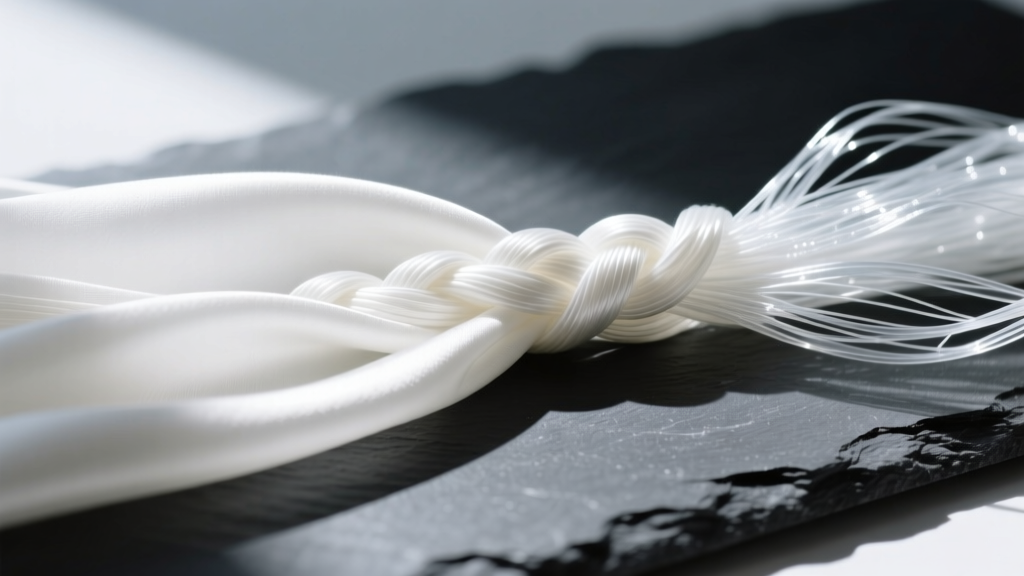
When professionals restring pearl necklace strands, natural silk remains the gold standard for high-end Akoya and perfectly round pearls because it provides a supple, fluid drape that synthetics cannot replicate. However, silk rots when exposed to moisture over time. For heavy, irregular baroque pearls or large South Sea strands where drape is secondary to sheer weight-bearing security, gel-spun polyethylene (like PowerPro) is increasingly preferred on the bench. It is impervious to sweat and UV degradation, though it requires specialized knotting techniques due to its highly slippery surface.
French Wire and Clasp Hardware: Technical Upgrades
A critical, often overlooked component in the restringing process is the French wire, also known as gimp or bullion. This microscopic coiled wire acts as a sacrificial shield between the thread and the metal jump ring of the clasp. Without French wire, the sharp inner edge of a jump ring acts like a saw blade against the silk every time the clasp is opened or the necklace shifts on the neck.
French wire is typically manufactured from sterling silver, gold-filled, or fine gold wire, coiled to an outer diameter of 0.25mm to 0.50mm. When you restring a pearl necklace, applying a 15mm to 20mm length of French wire over the thread at both the clasp and the spring ring is non-negotiable for professional-grade durability. Suppliers like Rio Grande jewelry supply offer French wire in varying gauges to match the exact thickness of your chosen silk or synthetic thread, ensuring a flush, protective fit that prevents the thread from fraying against the metal hardware.
Selecting the Right Clasp Mechanism
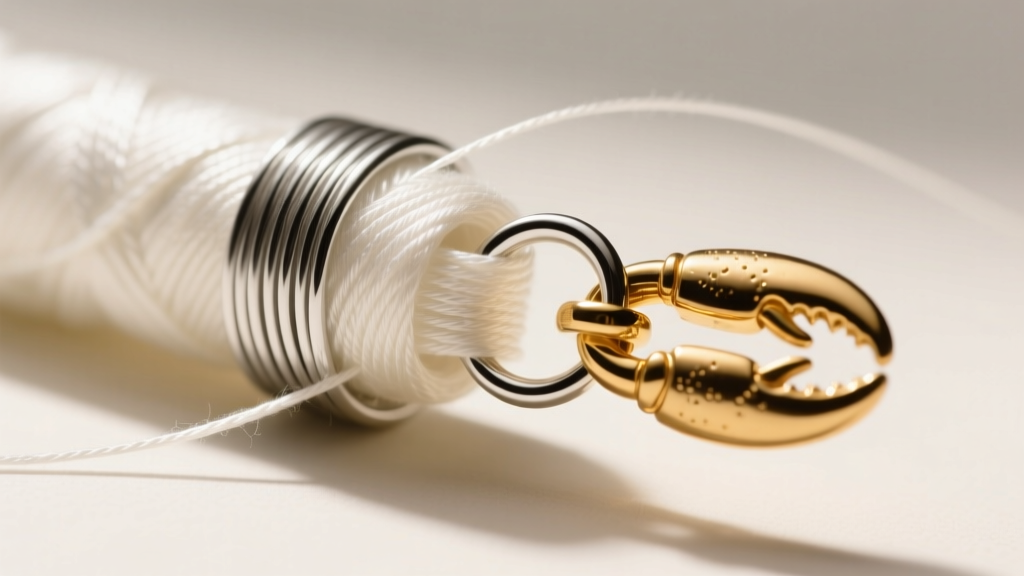
The clasp must balance security with ease of use. For heavy pearl strands, a standard lobster clasp is insufficient due to the leverage applied to the small lever. Bench jewelers recommend upgrading to a box clasp with a figure-eight safety catch for any strand exceeding 40 grams. For lighter strands, a high-quality spring ring with a reinforced soldered jump ring provides secure closure without adding excessive visual weight to the nape of the neck.
The Knotting Process: Tension and Technique
The hallmark of a master restrung pearl necklace is uniform, tight knotting that leaves zero gap between the knot and the pearl bead. This requires mastering the overhand knot and utilizing specialized tensioning tools.
- Thread Preparation: Cut a length of thread roughly four times the desired finished length of the necklace. This allows for the knotting process and sufficient tail ends to secure the clasps.
- The Overhand Knot: Pass the thread through the pearl, form a simple loop, and pass the working end through. Do not pull tight immediately.
- Awl Tensioning: Insert a fine, tapered jeweler's awl or a specialized pearl knotting tool into the loose knot. Slide the tool down the thread until the knot rests flush against the pearl.
- The "Pop" Technique: Apply steady, downward pressure with the awl while pulling the working thread taut. As you slide the awl out at the last millisecond, the knot "pops" tightly against the pearl, eliminating any slack.
- Adhesive Application: For the final knots hidden inside clamshell bead tips, apply a microscopic drop of G-S Hypo Cement. Avoid cyanoacrylate (Super Glue), which dries brittle and can shatter under the flexing stress of a necklace.
Cost Breakdown and Professional Bench Pricing
As of 2026, the cost to professionally restring a pearl necklace varies based on the complexity of the knotting, the thread material, and the geographic location of the bench jeweler. Understanding these metrics helps consumers evaluate quotes and ensures jewelers maintain profitable margins.
- Standard Silk Knotting: $4.00 to $7.00 per inch.
- Synthetic/PowerPro Knotting: $6.00 to $9.00 per inch (due to increased difficulty in securing slippery knots).
- French Wire Application: $15 to $25 per end (includes material and labor).
- Clasp Hardware Upgrades: $30 to $150+ depending on karat gold weight and mechanism complexity.
Most reputable jewelers enforce a minimum bench charge, typically ranging from $75 to $125, meaning a short 16-inch choker will often cost the same as an 18-inch princess length strand.
Expert Appraisal Note: Before handing over a high-value natural pearl or vintage Mikimoto strand for restringing, ensure the piece is independently appraised and photographed. Some insurance policies require documentation that restringing was performed by a certified gemologist or master stringer to maintain the warranty on the original clasp and pearl matching.
Maintenance Protocols to Extend Thread Life
Once the restringing is complete, the longevity of the silk or synthetic thread depends entirely on the wearer's maintenance protocol. Never store pearls in a plastic bag or a safety deposit box without a humidification element; excessively dry environments cause silk to become brittle and snap. Conversely, high humidity accelerates the biodegradation of natural silk. Store the necklace flat in a soft, breathable cotton pouch to prevent the thread from stretching under the suspended weight of the pearls.
To monitor thread health, perform the "stretch test" every six months. Gently pull the strand between your hands and inspect the areas immediately adjacent to the knots. If you see more than a millimeter of exposed thread between the pearl and the knot, the structural integrity is compromised, and it is time to restring pearl necklace strands before a catastrophic break occurs. Finally, wipe the strand with a damp, lint-free microfiber cloth after every wear to remove acidic skin oils before they can penetrate the microscopic fibers of the thread.


