Infinity Necklaces: A Material & Durability Comparison Guide
Discover the best metals for infinity necklaces. Compare sterling silver, gold, platinum, and titanium for durability, tarnish resistance, and daily wear.

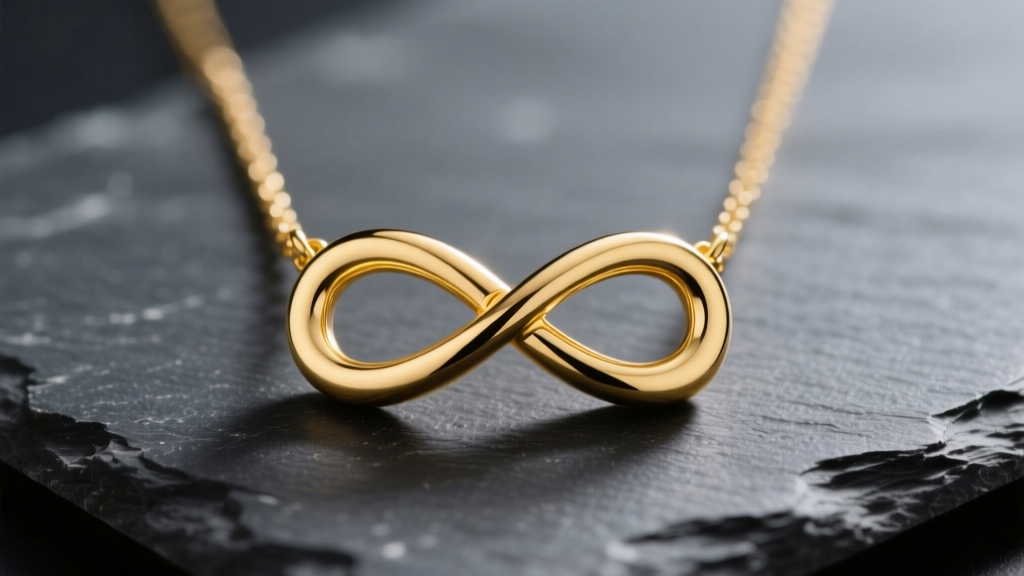
The Anatomy of an Infinity Pendant: Why Material Matters
The infinity symbol, with its continuous, unbroken loop, is one of the most popular motifs in fine jewelry. However, from a metallurgical and manufacturing standpoint, the sweeping curves and frequent crossover points of an infinity pendant present unique structural challenges. When evaluating infinity necklaces, the choice of metal dictates not only the piece's aesthetic but its resistance to bending, casting porosity, and long-term wear.
Unlike simple geometric pendants, the infinity loop requires precise casting or die-striking. Cheap base metals often suffer from casting porosity—tiny air bubbles trapped during the molding process—which creates weak points exactly where the two loops intersect. Furthermore, if the infinity design features pavé diamonds along the curve, the metal must possess adequate Vickers hardness to securely hold the microscopic prongs. Below, we break down the exact material properties you need to consider before investing in an eternity symbol you plan to wear daily.
Precious Metals Breakdown: Gold, Platinum, and Silver
Solid Gold: 14k vs. 18k Alloys
Gold remains the industry standard for infinity necklaces, but the karat weight drastically alters the physical properties of the pendant. Pure 24k gold is far too malleable (Vickers hardness of ~25) for daily wear. Therefore, jewelers rely on specific alloy mixtures.
- 14k Gold (58.5% Pure Gold): With a Vickers hardness ranging from 140 to 160 (depending on the copper and zinc ratios), 14k gold is exceptionally durable. It is the optimal choice for diamond-encrusted infinity pendants, as the harder alloy prevents prong deformation and stone loss.
- 18k Gold (75% Pure Gold): Softer (Vickers ~120) and richer in color, 18k gold offers a warmer, more luxurious hue. However, the high-polish surfaces of an 18k infinity loop will accumulate micro-scratches faster than 14k, requiring occasional professional repolishing to maintain the mirror finish.
According to the Federal Trade Commission (FTC) Jewelry Guides, any piece stamped as 14k or 18k must strictly adhere to these fineness tolerances, ensuring you are getting the exact metallurgical composition promised.
Platinum: The Premium Benchmark
For heirloom-quality infinity necklaces, 950 Platinum (95% pure platinum, usually alloyed with 5% ruthenium or cobalt) is unmatched. The Gemological Institute of America (GIA) notes that platinum's unique property is its displacement rather than material loss. When an 18k gold infinity pendant scratches, microscopic particles of gold are rubbed away. When a platinum pendant scratches, the metal is merely displaced, forming a soft patina over time without compromising the structural integrity of the continuous loop.
Sterling Silver (925) & Rhodium Plating
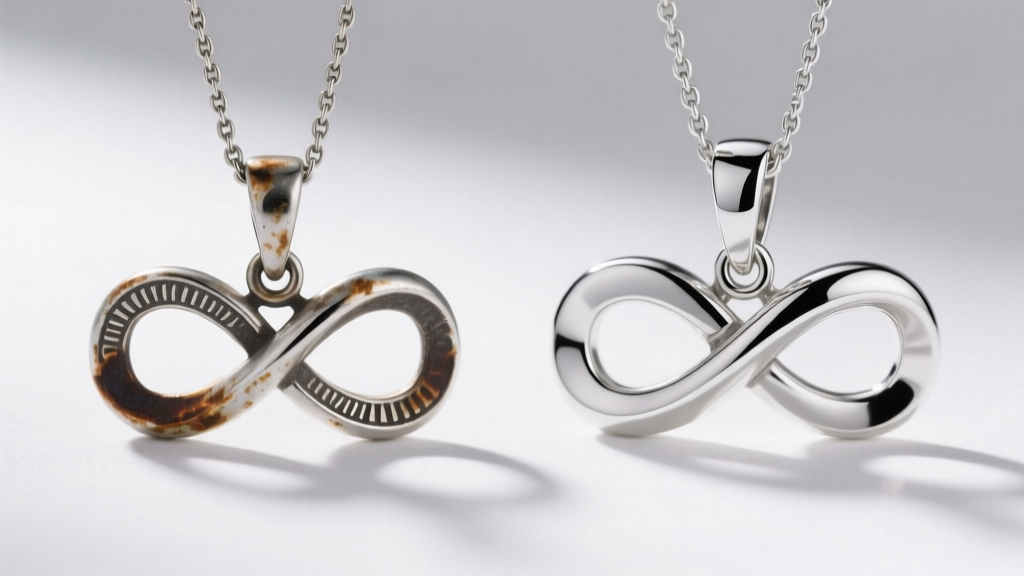
Sterling silver is an alloy of 92.5% silver and 7.5% copper. That 7.5% copper is the culprit behind silver sulfide formation (tarnish) when exposed to sulfur in the atmosphere. To combat this, high-end silver infinity necklaces are flash-plated with rhodium. A quality rhodium plate should be between 0.1 and 0.5 microns thick. If the pendant is worn daily against the skin, friction will wear through a 0.1-micron layer within months, exposing the tarnish-prone silver beneath.
Alternative & Hypoallergenic Metals
For those with contact dermatitis or nickel allergies, alternative metals offer robust solutions for infinity necklaces, though they come with specific manufacturing limitations.
Titanium (Grade 5) vs. Surgical Steel (316L)
Grade 5 Titanium (Ti-6Al-4V) is aerospace-grade and boasts a tensile strength of roughly 900 MPa. It is incredibly lightweight, making it ideal for oversized, chunky infinity pendants that would otherwise pull uncomfortably on the neck. However, titanium cannot be easily soldered with standard jewelry torches. If the chain or the pendant's jump ring breaks, laser welding is required.
316L Surgical Stainless Steel contains molybdenum, which provides excellent resistance to chloride corrosion (sweat and saltwater). It is highly affordable and rigid, but its extreme hardness makes it difficult to cast into the intricate, sweeping curves of a detailed infinity symbol without specialized equipment.
Material Comparison Chart: Pricing, Hardness, and Wearability
Use this data table to compare the physical properties and market positioning of the most common metals used in infinity necklaces.
| Metal / Alloy | Vickers Hardness (HV) | Tarnish Resistance | Avg. Price Range (Pendant Only) | Best Use Case |
|---|---|---|---|---|
| 14k Yellow/White Gold | 140 - 160 | Excellent | $150 - $600 | Pavé diamond settings, daily wear |
| 18k Yellow/Rose Gold | 115 - 130 | Excellent | $300 - $1,200 | High-end solid metal, heirloom gifts |
| 950 Platinum | 110 - 130 (Dense) | Superior | $600 - $2,500+ | Lifetime wear, heavy gemstone settings |
| 925 Sterling Silver | 60 - 70 | Poor (unless plated) | $30 - $120 | Occasional wear, budget-friendly gifts |
| Grade 5 Titanium | 330 - 350 | Superior | $50 - $150 | Hypoallergenic, lightweight, modern |
Chain Pairings: Matching the Infinity Pendant
The material of the pendant must be matched with an equally capable chain. The continuous loop of an infinity pendant often acts as a sliding bail, meaning the chain experiences friction at the crossover point.
- Box Chains (1.0mm - 1.5mm): The flat, interlocking square links of a box chain provide a smooth surface that glides through the pendant's bail without catching. A 1.2mm 14k gold box chain offers the perfect balance of tensile strength and flexibility.
- Rope Chains: While beautiful, the twisted grooves of a rope chain can trap skin oils and lotions, which then transfer to the infinity pendant, accelerating tarnish on silver pieces.
- Cable Chains: Standard round cable chains are prone to kinking if the infinity pendant is heavy. Avoid cable chains thinner than 0.9mm for solid gold or platinum pendants.
Care and Maintenance by Material
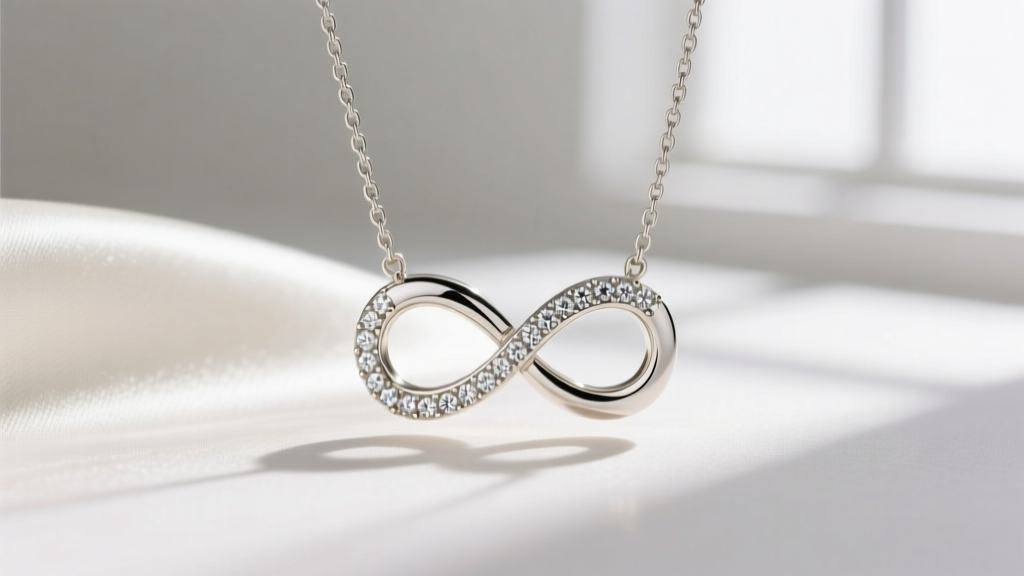
Maintaining the brilliant curves of your infinity necklace requires material-specific care. Never use ultrasonic cleaners on sterling silver infinity pendants that feature oxidized (blackened) recessed details, as the high-frequency vibrations will strip the intentional patina. Similarly, if your platinum or gold infinity necklace features pavé diamonds, avoid harsh chemical dips; instead, use a soft-bristled brush with warm water and a drop of mild, phosphate-free dish soap to clean the microscopic crevices along the loop.
Final Verdict: Choosing Your Forever Piece
When selecting an infinity necklace, align the metal with your lifestyle. For a piece that will never leave your neck and must endure showers, workouts, and daily friction, 14k gold or 950 platinum are the undisputed champions of durability. If you are purchasing a sentimental gift for occasional evening wear, a heavily rhodium-plated sterling silver piece offers brilliant aesthetics at a fraction of the cost. By understanding the metallurgical realities behind the symbol of eternity, you ensure your jewelry truly lasts forever.


