How to Restring and Style a Vintage Coral Beaded Necklace
Learn how to professionally restring, clean, and style a coral beaded necklace. Expert tips on silk thread sizing, knotting, and coral care.

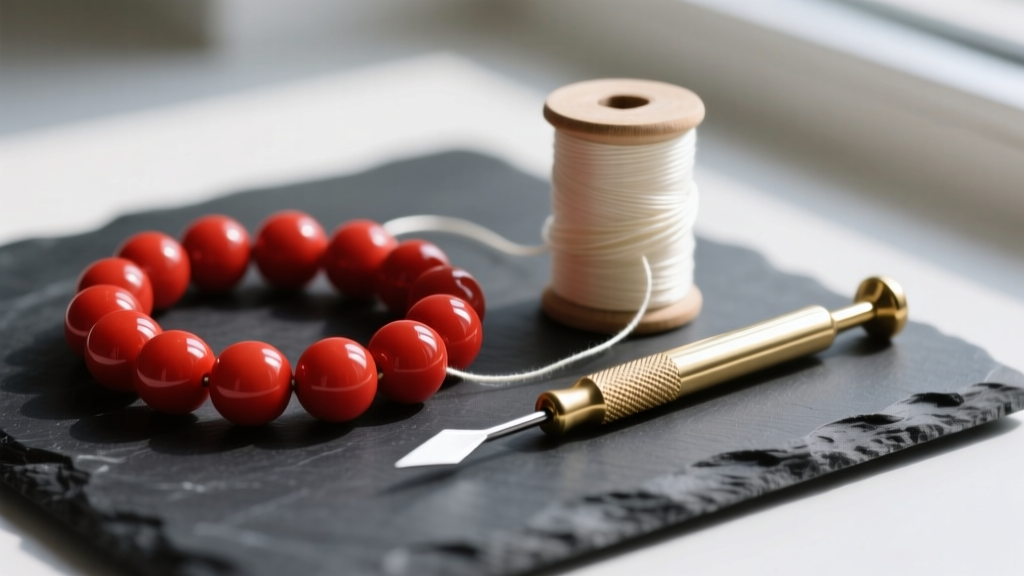
Owning a vintage or heirloom coral beaded necklace is a privilege, but maintaining one requires specialized knowledge. Unlike faceted gemstones, coral is an organic material. With a Mohs hardness rating of just 3.5 to 4, it is highly susceptible to scratching, chemical degradation, and structural damage if the stringing material fails. Over time, the silk thread used in fine bead stringing stretches, degrades from skin oils, and becomes brittle, putting your valuable gems at risk of a catastrophic break.
In this comprehensive guide, we will walk you through the professional process of restringing a coral beaded necklace, detail the specific materials required to protect organic gems, and share expert styling techniques to wear your coral confidently in 2026.
Understanding the Vulnerability of Organic Coral
Before picking up your beading tools, it is crucial to understand why coral demands a different approach than quartz or agate. According to the Gemological Institute of America (GIA), coral is primarily composed of calcium carbonate, the same material found in pearls and seashells. This composition makes it exceptionally sensitive to acids, including the lactic acid found in human sweat, as well as the alcohol and essential oils present in perfumes.
Furthermore, genuine Mediterranean red coral (Corallium rubrum) is highly prized for its uniform, deep red saturation. If the beads rub against one another without a protective knot in between, the friction will slowly grind away the polish, permanently dulling the surface and significantly diminishing the necklace's appraisal value. This makes hand-knotting between every single bead an absolute non-negotiable standard for coral jewelry.
Identifying Your Coral Beads Before Restringing
Not all coral on the market is created equal. Before you invest time in restringing, verify your material:
- Noble Coral (Corallium rubrum): The most valuable type, featuring a natural, deep ox-blood or salmon pink hue. It is dense, takes a high polish, and requires the utmost care.
- Bamboo Coral: Often dyed red to imitate noble coral. You can test this by gently rubbing a cotton swab dipped in acetone (nail polish remover) on an inconspicuous area of the bead. If red transfers to the swab, it is dyed.
- Sponge Coral: Highly porous and usually stabilized with resin. It is lighter and more textured than noble coral.
Essential Tools and Materials for Restringing
To achieve a professional, jeweler-grade finish, you must use the correct specifications of stringing materials. Do not use nylon or synthetic threads for high-end coral; they are too abrasive and can cut into the bead holes over time.
The Stringing Material
We recommend Griffin 100% Natural Silk Bead Cord. For standard 6mm to 8mm coral beads, you will need Size No. 4 (0.6mm) or Size No. 6 (0.8mm) silk thread. Ensure the thread glides smoothly through the drill holes without forcing it, as forcing can fracture the calcium carbonate structure.
Findings and Hardware
- French Wire (Gimp): A fine, coiled metal wire used to protect the silk thread where it rubs against the metal clasp ring. Use 0.3mm or 0.4mm thickness in a color that matches your clasp (gold or silver).
- Clamshell Bead Tips: Used to secure the final knot and attach to the jump ring of the clasp.
- A Beading Awl: A tool with a fine, sharp needle used to push knots tightly against the beads.
- Jeweler's Cement: A flexible adhesive like G-S Hypo Cement to secure the final knots inside the bead tips.
Step-by-Step Guide to Restringing Your Coral Beaded Necklace
Step 1: Preparation and Layout
Carefully cut the old thread and remove the beads, working over a soft beading mat or a velvet-lined tray to prevent any beads from rolling away and chipping. Clean each coral bead with a dry, ultra-soft microfiber cloth. Never soak coral in water or use ultrasonic cleaners. Lay the beads out on a design board in the exact order you wish to restring them, ensuring the color gradient (if any) is visually balanced.
Step 2: Securing the Clasp with French Wire
Cut a piece of French wire about 1 inch long. Thread your silk cord through the French wire, then through the ring of your clasp, and back through the French wire, creating a small loop. Tie a secure overhand knot to lock the clasp in place. The French wire acts as a metal shield, preventing the metal clasp from sawing through the delicate silk thread over years of wear.
Step 3: The Hand-Knotting Technique
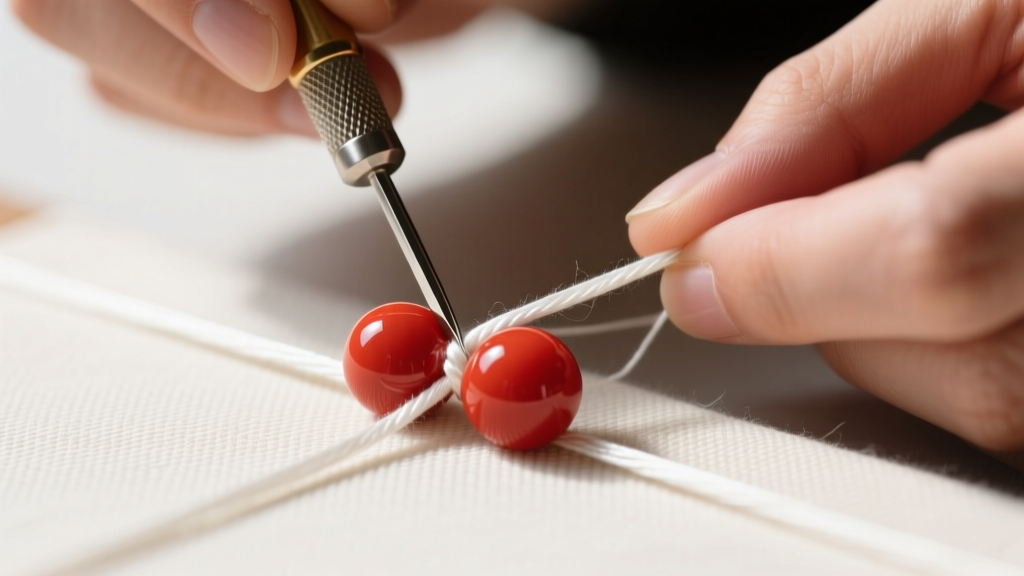
This is the most critical step. Thread your first coral bead onto the silk. To create the knot:
- Form a simple overhand knot loosely around the silk cord, just above the bead.
- Insert the tip of your beading awl into the knot.
- Gently slide the awl down, pushing the knot tightly against the top of the coral bead.
- Pull the silk thread taut while simultaneously withdrawing the awl, locking the knot flush against the bead.
- Repeat this process for every single bead. There should be zero slack between the knot and the bead.
Pro Tip: If you struggle with hand-knotting using an awl, a mechanical bead knotter tool can help standardize the tension and knot placement, which is especially useful for long, opera-length coral necklaces.
Step 4: Finishing and Securing
Once the final bead is knotted, thread the silk through a clamshell bead tip. Tie a series of three small overhand knots inside the cup of the bead tip. Apply a microscopic drop of G-S Hypo Cement to the knots. Allow it to dry completely, then trim the excess silk with flush cutters. Close the clamshell securely using chain-nose pliers and attach it to the other half of your clasp using a jump ring.
Coral Beaded Necklace Care and Maintenance
Proper care extends the life of both the organic gem and the silk stringing material. Adhere to the following maintenance framework based on guidelines from CIBJO (The World Jewellery Confederation) regarding organic gemstones.
| Care Category | Best Practices (Do) | Damaging Actions (Don't) |
|---|---|---|
| Wearing | Put coral on after applying makeup, perfume, and hairspray. | Wear coral while swimming (chlorine/saltwater destroys the polish). |
| Cleaning | Wipe gently with a dry, soft microfiber cloth after each wear. | Use commercial jewelry dips, ammonia, or ultrasonic machines. |
| Storage | Store flat in a soft fabric pouch, away from direct heat and sunlight. | Toss loosely into a jewelry box where harder gems can scratch it. |
| Maintenance | Have the silk thread professionally inspected and restring every 2-3 years. | Pull or stretch the necklace when putting it on or taking it off. |
How to Style a Coral Beaded Necklace in 2026
The styling landscape for organic gems has evolved. In 2026, the trend is moving away from overly matched, traditional parures and toward intentional juxtaposition. A coral beaded necklace is no longer reserved solely for conservative, preppy aesthetics; it is being reclaimed as a bold, artisanal statement piece.

Pairing with Modern Necklines
A 16-inch to 18-inch princess-length knotted coral necklace sits perfectly against the collarbone. Pair it with a structured, cream-colored silk blouse or a deep navy V-neck cashmere sweater. The high contrast between the deep red coral and neutral, luxurious fabrics allows the organic texture of the beads to take center stage.
Layering with Mixed Metals
Do not be afraid to layer your coral beads with fine metal chains. A delicate 14k or 18k yellow gold paperclip chain layered slightly above or below the coral beads creates a sophisticated, mixed-media look. Yellow gold naturally complements the warm, fiery undertones of Corallium rubrum, while white gold or platinum offers a crisp, modern contrast that works exceptionally well with lighter, peach-toned coral varieties.
Final Thoughts on Coral Preservation
Restringing a coral beaded necklace is an exercise in patience and precision. By utilizing the correct gauge of silk thread, employing the French wire technique, and committing to the meticulous process of hand-knotting, you ensure that your organic treasure remains secure and structurally sound for generations. Treat your coral with the respect its delicate nature demands, and it will continue to provide a vibrant, timeless elegance to your jewelry wardrobe.


