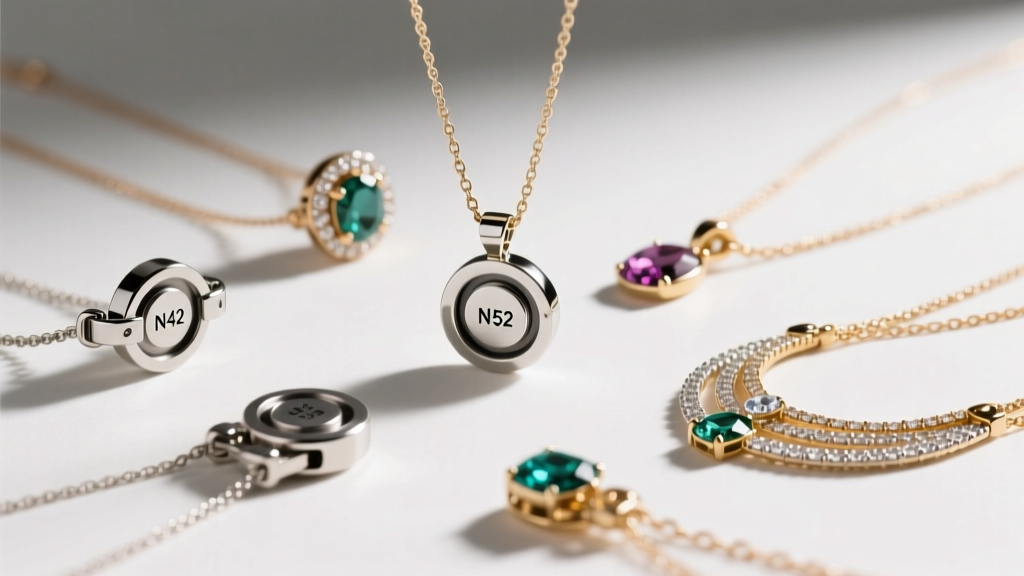
Valentino Heart Necklace: Expert Guide to Materials & Authenticity
An expert technical breakdown of the Valentino heart necklace, covering brass alloys, enamel application, chain gauges, and authentication markers.

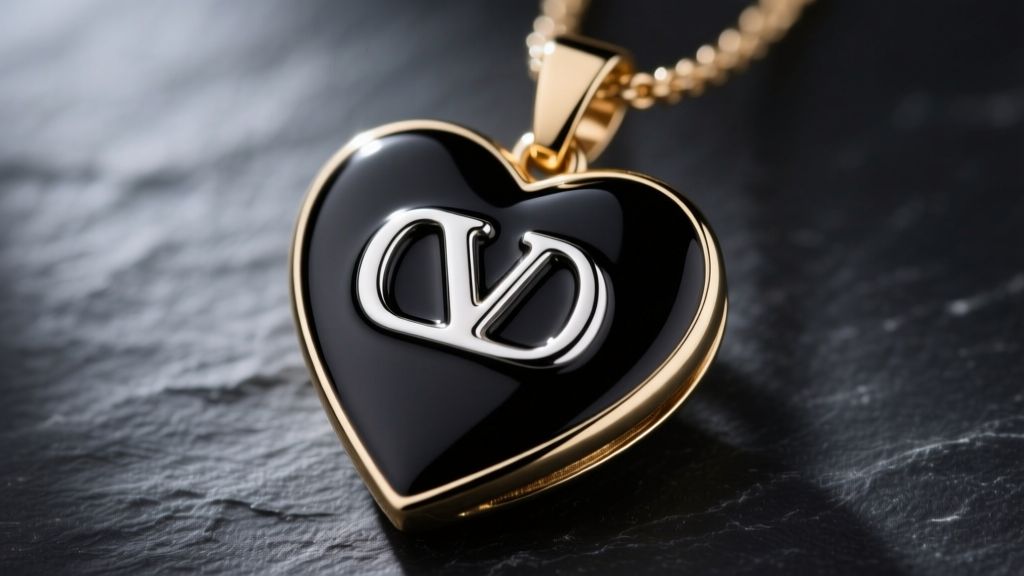
The Anatomy of a Valentino Heart Pendant
The Valentino heart necklace represents a distinct intersection of romantic motif and punk-infused hardware, a hallmark of the Valentino Garavani fashion jewelry line. Unlike the brand's fine jewelry collections which utilize 18k gold and VVS diamonds, the iconic Valentino heart pendants are masterclasses in advanced fashion metallurgy. For collectors, stylists, and authentication experts, understanding the precise material composition, plating thickness, and structural engineering of these pieces is essential. This deep dive explores the technical specifications that separate an authentic Valentino Garavani heart necklace from the saturated market of high-tier replicas.
Base Metals and Plating Techniques
At its core, the authentic Valentino heart pendant is cast from a high-grade, lead-free brass alloy, typically CZ121 (CW614N). This specific alloy is chosen for its superior machinability, allowing for the crisp, sharp edges of the VLogo signature and the deep recesses required for enamel pooling. Brass provides a dense, heavy hand-feel that mimics precious metals, but it requires advanced surface treatment to prevent oxidation and skin discoloration.
Valentino employs micron-level electroplating rather than the flash-plating common in lower-tier fashion jewelry. Authentic pieces feature a minimum plating thickness of 0.5 to 1.0 microns of palladium, ruthenium, or gold-tone PVD (Physical Vapor Deposition). Palladium plating is heavily utilized for the silver-tone heart necklaces; it offers a bright, cool-white luster and is inherently hypoallergenic, creating a crucial barrier between the brass base and the wearer's skin. Ruthenium plating, often seen on the darker, gunmetal hardware accents, provides exceptional scratch resistance due to its high position on the Mohs hardness scale (approximately 6.5).
Enamel vs. Crystal Pavé: Technical Differences
The Valentino heart motif is frequently rendered in either high-gloss cold enamel or intricate crystal pavé. The 'enamel' used in these pieces is technically a high-grade, two-part epoxy resin (cold enamel), rather than traditional vitreous enamel. Vitreous enamel requires firing at temperatures exceeding 800°C, which would melt the brass base and compromise the structural integrity of the pendant. Cold enamel is meticulously poured into the brass recesses and cured at room temperature, yielding a glass-like, domed finish with a Mohs hardness of roughly 2.5 to 3.0.
For the crystal pavé variations, Valentino utilizes precision-cut Swarovski or equivalent high-refractive-index glass crystals. Unlike glued settings found in counterfeit pieces, authentic pavé hearts employ micro-prong settings or advanced UV-cured jewelry adhesives that remain flexible under thermal expansion, preventing the stones from popping out during temperature fluctuations.
Chain Mechanics: Gauges, Clasps, and Durability
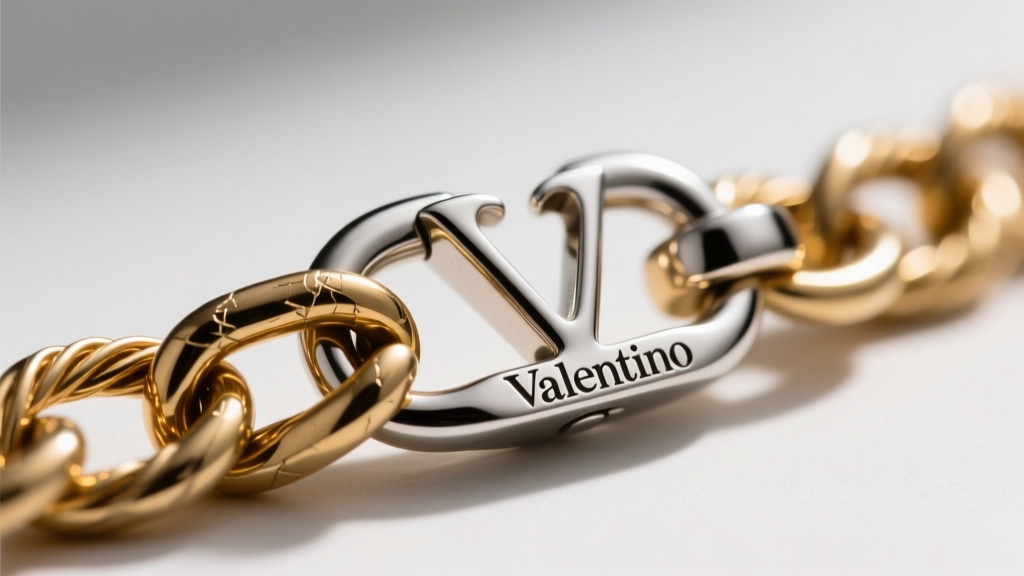
A pendant is only as secure as its chain. The Valentino heart necklace typically features a brass cable or curb chain, plated to match the pendant. The technical failure point of most fashion jewelry chains is the clasp spring or the jump ring. Valentino engineers their chains with specific gauge thicknesses to support the substantial weight of the solid brass heart pendants, which can weigh between 12 and 18 grams depending on the dimensions.
| Chain Specification | Standard Valentino Spec | Tensile Strength | Common Failure Mode |
|---|---|---|---|
| Chain Gauge | 1.2mm to 1.5mm | ~15 lbs (6.8 kg) | Link deformation under sudden tension |
| Clasp Type | Brass Lobster Claw | N/A | Internal spring fatigue / corrosion |
| Jump Ring | 4.0mm Soldered | ~20 lbs (9.0 kg) | Gap separation if unsoldered |
The lobster clasps on authentic Valentino necklaces feature a high-tension internal steel spring encased in the plated brass housing. According to the Valentino Garavani Jewelry Care Guide, exposure to chlorinated water can corrode this internal spring, leading to a sluggish clasp mechanism that fails to snap shut securely.
Authentication Deep Dive: Spotting the Fakes
The secondary market for Valentino Garavani jewelry is heavily compromised by 'super-fakes' that replicate the visual aesthetics but fail on metallurgical and structural levels. Authentication requires a multi-point technical inspection.
- Weight and Density: An authentic medium-sized Valentino heart pendant (approx. 25mm x 25mm) will weigh between 12.5g and 15.0g. Replicas often use hollow-cast zinc alloys or thinner brass sheets, resulting in a weight discrepancy of 30% to 40% lighter.
- Hallmark Kerning and Depth: The 'Made in Italy' and 'Valentino' laser engravings on the back of the pendant or the clasp tag must be inspected under 10x magnification. Authentic engravings are deep, with sharp, clean edges and perfect kerning. Fakes often show shallow, dotted, or blurred laser marks due to lower-wattage engraving machines.
- Enamel Meniscus: In authentic pieces, the cold enamel forms a slight meniscus where it meets the brass border, creating a smooth, continuous transition. Replicas often exhibit 'bubbling' or a recessed, flat meniscus where the resin has shrunk during improper curing.
- VLogo Integration: On heart pendants featuring the overlapping VLogo, the logo is not merely glued on top. It is mechanically integrated or soldered with precision micro-tacks. If you can slide a piece of paper between the VLogo and the heart base, the piece is a replica.
For high-value transactions, leveraging professional services is recommended. The Vestiaire Collective Authentication Hub notes that hardware weight and stamping precision are the primary indicators of authenticity for Italian designer fashion jewelry.
Maintenance and Failure Modes
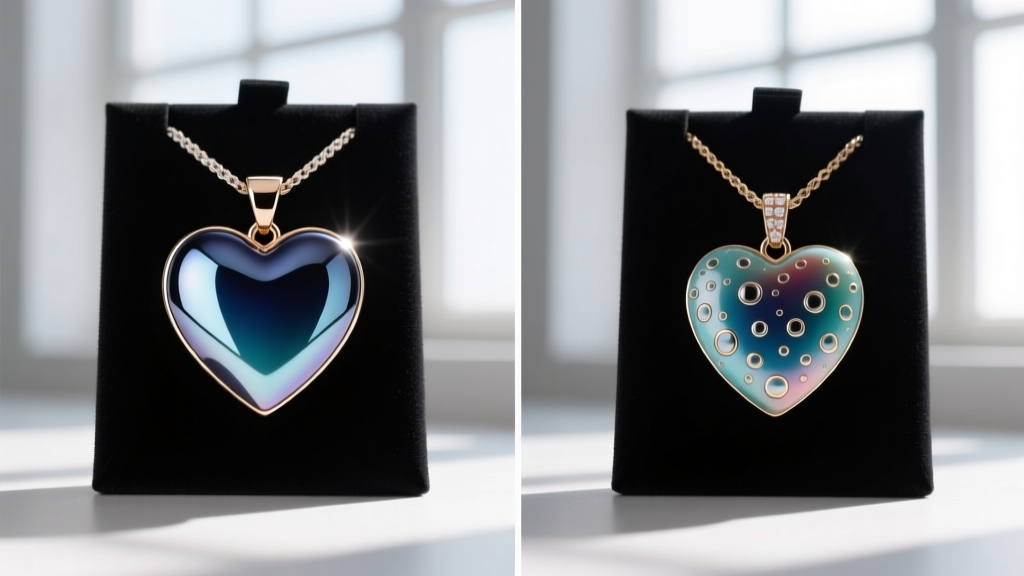
Preserving the structural and aesthetic integrity of a Valentino heart necklace requires an understanding of its material vulnerabilities. The most catastrophic failure mode for these pieces is enamel micro-fracturing and plating delamination.
Preventing Enamel Micro-Fractures
Cold enamel is highly susceptible to thermal shock and chemical degradation. Never use ultrasonic jewelry cleaners on a Valentino enamel heart necklace. The high-frequency cavitation bubbles generated by ultrasonic cleaners will literally shatter the epoxy resin matrix, causing the enamel to crack and flake away from the brass recesses. Furthermore, exposure to ethanol-based perfumes and aerosol hairsprays will chemically soften the surface of the cold enamel, leading to a permanent cloudy haze that cannot be polished out.
Plating Wear and Re-plating Options
Despite the 1.0-micron thickness, friction from clothing and the natural acidity of human sweat will eventually wear through the palladium or gold-tone plating, exposing the underlying brass. This results in a dull, brownish oxidation. According to GIA Gemological Research on fashion jewelry maintenance, once the base metal is exposed, the piece requires professional re-plating. A master jeweler can carefully polish away the remaining oxidized plating and apply a new layer of PVD coating or rhodium, restoring the piece to its original factory specifications without damaging the cold enamel, provided the enamel is masked off during the electrochemical bath.
Conclusion
The Valentino heart necklace is far more than a simple romantic token; it is a meticulously engineered piece of fashion jewelry that relies on specific brass alloys, micron-level plating, and precision cold enamel techniques. By understanding the exact gauge of the chains, the chemical nature of the enamel, and the microscopic hallmarks of authenticity, collectors and enthusiasts can properly evaluate, authenticate, and preserve these iconic pieces for decades of wear.