How to Clean, Store, and Maintain a Ribbon Necklace
Learn expert techniques to clean, store, and maintain your ribbon necklace. Discover fabric-specific washing tips and hardware care to prevent damage.

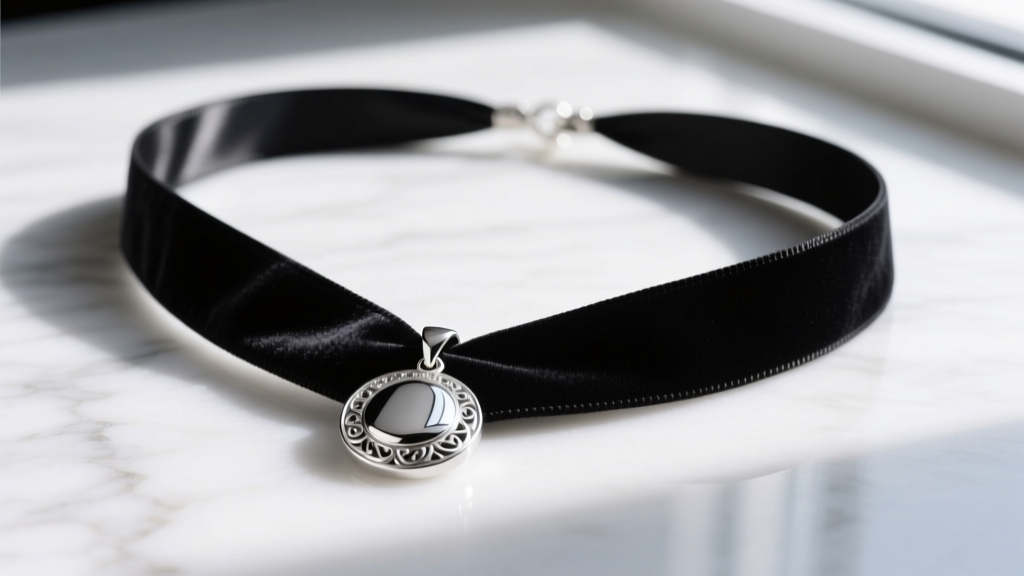
The ribbon necklace is a timeless staple in jewelry design, bridging the gap between delicate textile art and fine metalwork. Whether you are wearing a Victorian-inspired velvet choker, a modern silk tie-necklace, or a grosgrain ribbon threaded with a heavy gemstone pendant, the intersection of porous fabrics and reactive metals creates unique maintenance challenges. Unlike solid gold or platinum chains, ribbon necklaces require a dual-pronged approach to care: you must preserve the structural integrity of the textile while preventing hardware tarnish from bleeding into the fibers. This comprehensive guide details the exact protocols for cleaning, storing, and troubleshooting your ribbon necklaces to ensure they remain pristine for years to come.
The Anatomy of a Ribbon Necklace: Identifying Your Materials
Before applying any moisture or cleaning agents, you must accurately identify the fiber content and weave of your ribbon. The care protocol for a protein-based fiber like silk is vastly different from that of a synthetic polyester satin. Furthermore, the weave dictates how dirt and oils become trapped within the textile.
Protein vs. Synthetic Fibers
Silk is a natural protein fiber that is highly sensitive to alkaline substances. Using standard laundry detergents (which typically have a pH of 9 to 10) will strip the sericin coating from silk ribbons, leaving them brittle and dull. Conversely, synthetic satins (usually polyester or acetate) are highly durable against alkaline cleaners but are extremely vulnerable to heat and alcohol-based solvents, which can melt or dissolve the fibers.
Weave Structures: Velvet, Grosgrain, and Satin
Velvet features a raised pile that easily crushes and traps skin oils, requiring mechanical lifting rather than liquid saturation. Grosgrain is characterized by its prominent transverse ribs; while this weave is incredibly durable and resists fraying, the ridges can trap cosmetic powders and require gentle agitation with a soft brush. Satin, defined by its long floating yarns, reflects light beautifully but is highly prone to snagging and water spotting.
Fabric-Specific Cleaning Protocols
According to the American Cleaning Institute, delicate textiles require targeted spot treatments rather than full immersion. Submerging a ribbon necklace can cause the metal hardware to rust or the fabric dyes to bleed. Always remove pendants and clasps if they are detachable before attempting any wet cleaning.
Silk and Satin Ribbons
For silk and satin, avoid soaking the fabric entirely. Create a cleaning solution using distilled water and a single drop of pH-neutral baby shampoo or a dedicated silk wash. Dip a cotton swab or a microfiber cloth into the solution, wring it out until it is barely damp, and gently dab the soiled areas. Never rub silk in a circular motion, as this will cause the fibers to pill and fray. Blot the area immediately with a dry, absorbent towel to lift the stain and excess moisture.
Velvet and Grosgrain Textiles
Velvet should rarely be wet-cleaned. Instead, use a handheld garment steamer held at least six inches away from the fabric to loosen dirt and refresh the pile. Once the velvet is slightly damp from the steam, use a clean, soft-bristled suede brush or a velvet brush to gently sweep the pile in one direction. For grosgrain ribbons, a mild spot treatment pen applied directly to the ribbed ridges, followed by gentle brushing with a clean toothbrush, is highly effective for removing trapped foundation or neck oils.

Hardware Maintenance: Preventing Tarnish Transfer
The most common failure point in a ribbon necklace is tarnish transfer. Sterling silver and brass clasps react with hydrogen sulfide and moisture in the air to form silver sulfide or copper carbonate. When these tarnished metal components rest against porous ribbons—especially silk and velvet—they leave permanent black or green stains that cannot be washed out. To prevent this, hardware must be maintained separately from the textile.
When polishing the clasp or aglets of your ribbon necklace, use a dry microfiber polishing cloth treated with an anti-tarnish compound. The Jewelers of America recommends avoiding liquid silver dips or abrasive pastes near any textile, as the chemical residue will wick into the ribbon via capillary action and degrade the fibers over time. If you must use a liquid polish on a heavily tarnished clasp, unthread the ribbon entirely or wrap the fabric tightly in plastic wrap to create a physical barrier.
| Fabric Type | Soil Level | Recommended Cleaner | Drying Method | Primary Risk Factor |
|---|---|---|---|---|
| Silk | Light to Moderate | Distilled water + pH-neutral silk wash | Air dry flat on a towel | Water spotting and alkaline damage |
| Velvet | Moderate (Oils) | Garment steam + suede brush | Air dry hanging | Pile crushing and matting |
| Synthetic Satin | Heavy | Mild liquid detergent solution | Towel blot and air dry | Heat melting from dryers/irons |
| Grosgrain | Moderate (Powders) | Fabric spot treatment pen | Air dry flat | Dye bleeding in the ribbed texture |
Proper Storage Techniques to Prevent Fraying and Creases
How you store your ribbon necklace is just as critical as how you clean it. Hanging a ribbon necklace by its clasp, especially if it features a heavy gemstone or metal pendant, will cause "bias stretch." This occurs when the weight of the pendant pulls on the woven threads, permanently distorting the width of the ribbon and causing the edges to curl inward.
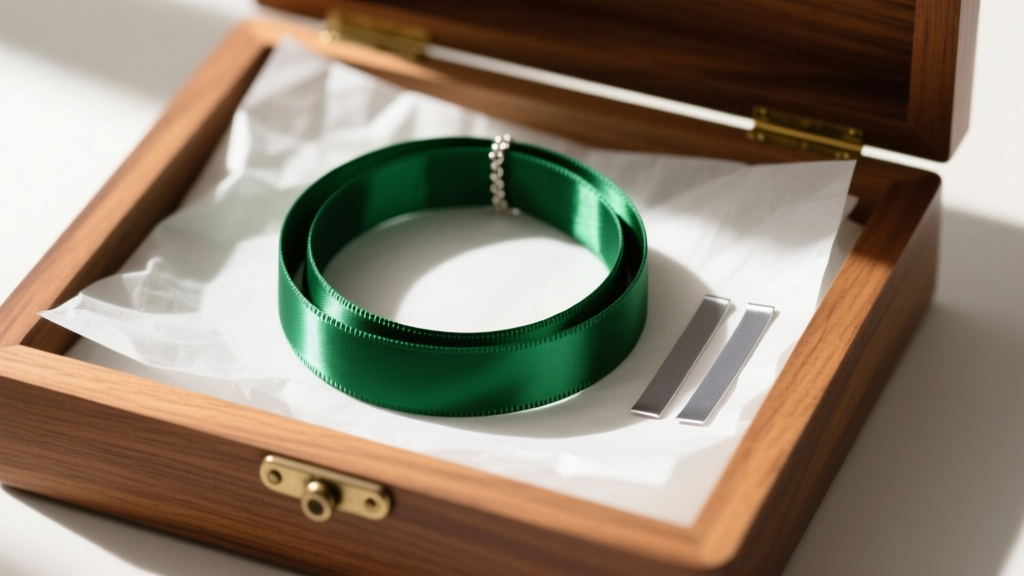
To prevent this, always store ribbon necklaces flat or rolled. For velvet and wide silk ribbons, lay them flat in a shallow jewelry drawer lined with acid-free tissue paper. Acid-free paper is crucial, as standard wood-pulp paper contains lignin, which breaks down over time and releases acidic gases that will yellow and weaken silk fibers. For narrower ribbons and chokers, loosely roll them around a cardboard tube wrapped in cotton muslin. Never fold a ribbon necklace, as the crease will eventually cause the fibers to snap and fray along the fold line.
Troubleshooting Common Ribbon Necklace Failures
Even with meticulous care, ribbon necklaces are subject to wear and tear. Here is how to address the most common issues without destroying the piece:
- Fraying Ends: If the cut ends of your ribbon begin to unravel, apply a microscopic drop of cyanoacrylate-based fabric sealant (such as Fray Check) to the very edge. Allow it to cure for 24 hours before wearing. Avoid using clear nail polish, as the solvents in the polish can melt synthetic satins and leave a stiff, yellowed residue on silk.
- Water Spots on Silk: If a drop of water leaves a dark ring on your silk ribbon, do not attempt to scrub it. Instead, lightly steam the entire length of the ribbon. The steam will relax the fibers and redistribute the natural sericin, effectively erasing the water line as it dries evenly.
- Perfume and Alcohol Stains: Cosmetics and perfumes often contain alcohol and essential oils that can break down acetate and synthetic satins. If exposed, immediately blot the area with a dry cloth to absorb the oils. Do not apply water, as it will push the oil deeper into the synthetic weave.
Expert Insight: Never spray perfume, hairspray, or setting mist while wearing a ribbon necklace. The aerosolized alcohol and resins will settle into the textile weave, attracting dirt and causing irreversible discoloration over time. Always apply your fragrances and allow them to dry completely before fastening your jewelry.
Final Thoughts on Textile Jewelry Care
Maintaining a ribbon necklace requires a shift in perspective: you are no longer just caring for jewelry, but acting as a textile conservator. By respecting the specific pH requirements of natural fibers, understanding the mechanical vulnerabilities of different weaves, and actively managing the chemical reactions of your metal hardware, you can dramatically extend the lifespan of these elegant pieces. Implement these targeted cleaning and storage protocols to ensure your ribbon necklaces remain as vibrant and structurally sound as the day you acquired them.


