How to Choose the Perfect Ring Necklace: A Complete Buying Guide
Discover how to choose, style, and safely wear a ring necklace. Learn about chain thickness, metal friction, and dedicated ring pendants in our guide.

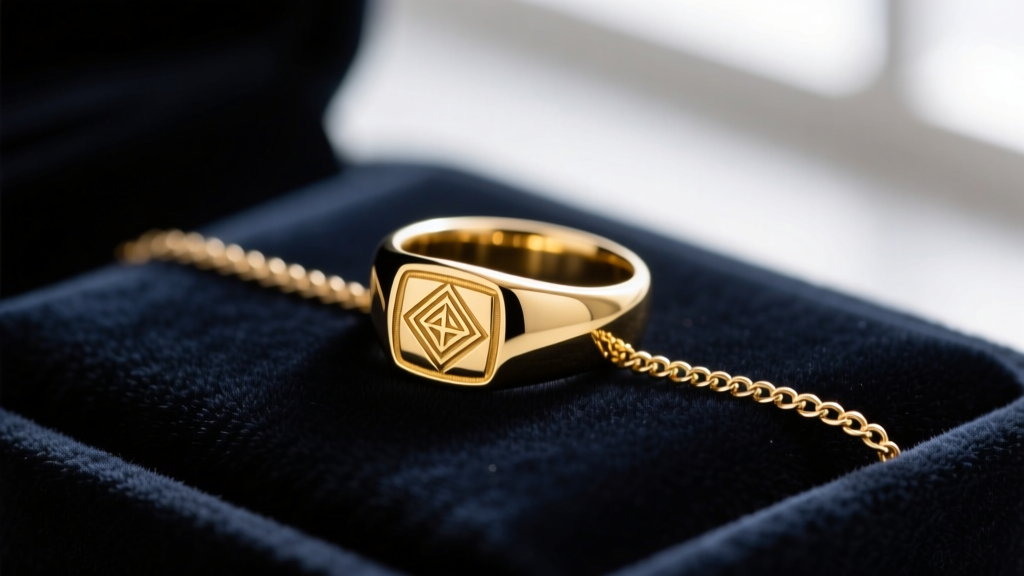
The Anatomy of a Ring Necklace
The term 'ring necklace' encompasses two distinctly different categories of jewelry, and understanding the difference is critical before making a purchase. The first category is the dedicated ring pendant—a circular, torus-shaped, or signet-style motif manufactured specifically to hang from a chain. These pieces feature integrated bails and are engineered for balanced weight distribution. The second category is the repurposed finger ring—an actual ring, often an heirloom or a piece that no longer fits, threaded onto a necklace chain. While deeply sentimental, wearing a finger ring as a pendant introduces complex hardware and metallurgical challenges that most standard jewelry guides completely overlook.
Whether you are buying a modern geometric hoop pendant or threading your grandmother's vintage sapphire cocktail ring onto a gold chain, the mechanics of how the metal interacts with your body and the chain itself dictate the longevity of the piece. This guide breaks down the exact specifications, material grades, and hardware pairings you need to make an informed decision.
The Hardware Dilemma: Chain Thickness vs. Ring Shank
If you are opting to wear an actual finger ring on a chain, the most common point of failure is the intersection of the chain and the ring's shank (the band). A standard women's ring shank measures between 1.5mm and 2.5mm in width at the base. If you attempt to force a thick rope or curb chain through this narrow channel, you risk warping the chain links or severely scratching the interior of the ring.
Sizing the Chain for a Finger Ring
To ensure a smooth glide without excessive friction, your chain must be at least 0.3mm to 0.5mm thinner than the interior width of the ring shank. For most vintage and modern rings, a 1.0mm to 1.2mm box chain or cable chain is the ideal specification. Box chains are particularly recommended because their flat, geometric links lay flush against the curved interior of the ring shank, minimizing localized pressure points that can snap rounded links.
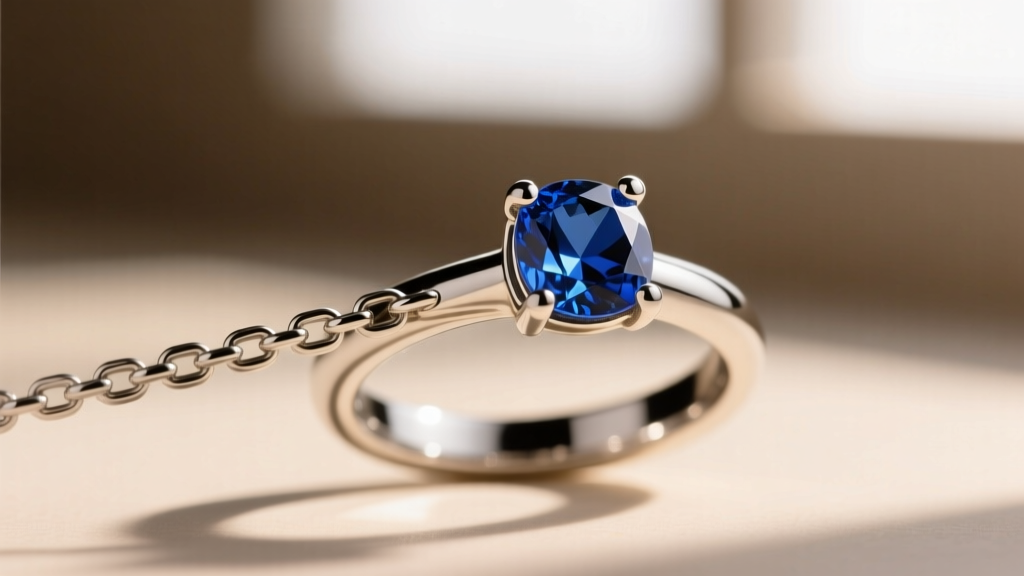
The Converter Bail Solution
If your ring features a wide shank or you prefer a thicker, more substantial chain, you must use a ring-to-pendant converter bail. These specialized findings feature a silicone or soft-resin inner sleeve that grips the ring shank securely, while a hidden loop at the top allows you to attach a heavier chain (up to 3.0mm) without the metal ever touching the ring. High-quality sterling silver or 14k gold converter bails typically cost between $25 and $60 and are a mandatory investment for protecting heirloom pieces.
Metal Friction and Wear: A Hidden Danger
One of the most critical concepts in jewelry preservation is mechanical wear caused by dissimilar metals. When a ring slides back and forth along a chain throughout the day, it acts as a low-grade abrasive. According to metallurgical standards referenced by the Jewelers of America, the harder or denser metal will inevitably wear away the softer one.
For example, platinum is incredibly dense and highly resistant to material loss. If you thread a 14k yellow gold chain (which has a lower Vickers hardness rating) through a platinum ring shank, the platinum will act like a saw blade. Over 18 to 24 months of daily wear, the gold chain will thin and eventually snap, potentially resulting in the loss of the ring. To prevent this, always match the chain metal to the ring metal, or use a protective silicone shank sleeve.
| Chain Metal | Ring Metal | Friction Risk | Recommended Action |
|---|---|---|---|
| 14k Yellow Gold | Platinum | High | Use a silicone shank sleeve or soldered bail |
| Sterling Silver (925) | 14k or 18k Gold | Medium | Monitor chain links for thinning every 6 months |
| Platinum | Platinum | Low | Safe for heavy daily wear; minimal material loss |
| 18k Rose Gold | Sterling Silver | Medium-High | Use a converter bail to separate the metals |
Gemstone Safety and Orientation
When a ring is worn on the finger, the center stone is generally protected by the natural downward angle of the hand and the knuckles. When worn as a pendant, the ring becomes a pendulum. It swings freely and is highly susceptible to face-first impacts against desks, countertops, and doorframes.
The Gemological Institute of America (GIA) notes that even diamonds, despite their 10 on the Mohs hardness scale, possess cleavage planes that can cause them to chip if struck at the exact wrong angle. If your ring features a gemstone set in high prongs, it is highly vulnerable in a pendant orientation. Bezel-set rings, or rings with low-profile channel settings, are vastly superior candidates for ring necklaces. If your heirloom ring features a delicate emerald or opal, consult a bench jeweler about adding a custom wire guard or bezel frame before wearing it on a chain.
Styling Dedicated Ring Pendants vs. Heirloom Rings
Dedicated ring pendants—such as the iconic torus motifs or circular diamond halos designed specifically for necklaces—offer superior styling versatility. Because they are engineered with a fixed bail, they always hang perfectly plumb, displaying the design exactly as intended.
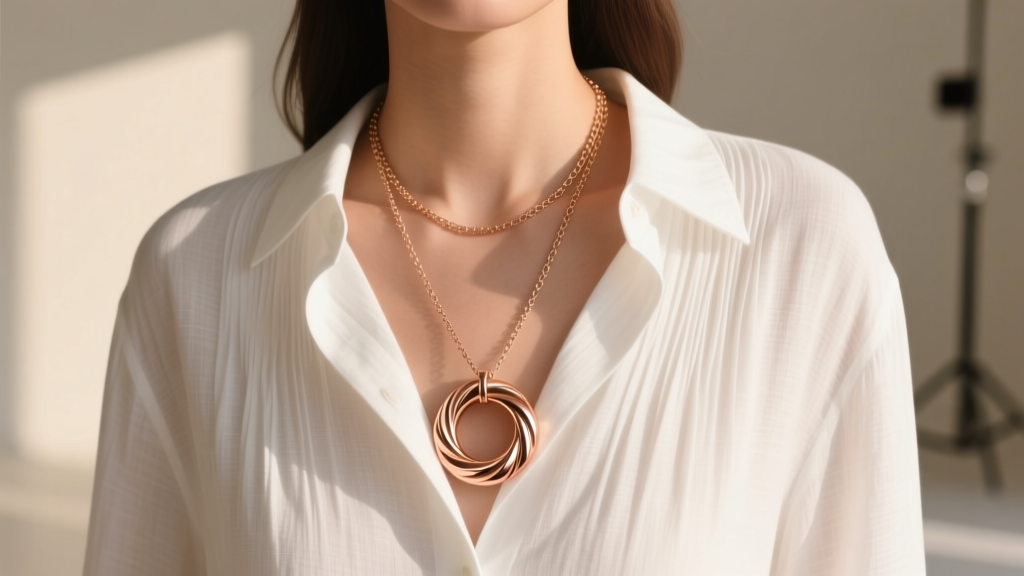
- Chain Length: A 16-inch choker length often causes a 3D ring pendant to flip upside down due to the curvature of the collarbone. Opt for an 18-inch or 20-inch drop to allow the pendant to hang freely in the sternum hollow.
- Clasp Security: The pendulum force of a heavy ring pendant puts immense stress on the clasp. Discard standard 5mm spring rings. Upgrade to a 10mm lobster clasp or a secure box clasp with a figure-8 safety catch.
- Layering: Geometric ring pendants pair exceptionally well with flat, minimalist chains like snake or herringbone weaves, creating a striking contrast between the 3D pendant and the fluid, liquid-metal chain.
Price Guide: What Should You Expect to Pay?
Budgeting for a ring necklace depends entirely on whether you are buying a manufactured pendant or adapting an existing ring. Here is a realistic breakdown of market pricing for high-quality, authentic materials:
- Dedicated 14k Gold Ring Pendants: $250 – $800 (excluding diamonds)
- Luxury Designer Ring Motifs (e.g., Cartier, Tiffany): $1,200 – $3,500+
- Premium 1.0mm - 1.2mm Solid Gold Chains: $150 – $450 (depending on length and gold weight)
- Ring-to-Pendant Converter Bails: $20 – $80
- Jeweler Soldering (Adding a permanent bail to a ring): $45 – $120
Expert Appraisal Tip: If you are adapting an heirloom ring into a necklace, always have it appraised and insured specifically as a 'pendant' rather than a 'ring.' Insurance riders often require updated valuations when the functional nature of the jewelry piece changes, as the risk profile for loss or damage shifts when worn around the neck.
Final Verdict: Which Route Should You Take?
If your goal is everyday, worry-free styling, investing in a dedicated ring pendant is the superior choice. You eliminate the friction risks, the clasp failures, and the awkward flipping associated with repurposed finger rings. However, if you are driven by sentimentality and wish to wear an heirloom or resized-out ring close to your heart, you can do so safely. By strictly adhering to the 1.0mm chain rule, utilizing silicone converter bails, and matching your metal hardness levels, your ring necklace will remain a secure and stunning staple in your wardrobe for decades to come.


