Rope Cross Necklace Value: 2026 Pricing & Material Guide
Discover the true value of a rope cross necklace in 2026. We break down pricing tiers, metal grades, and how to avoid overpaying for plated pieces.

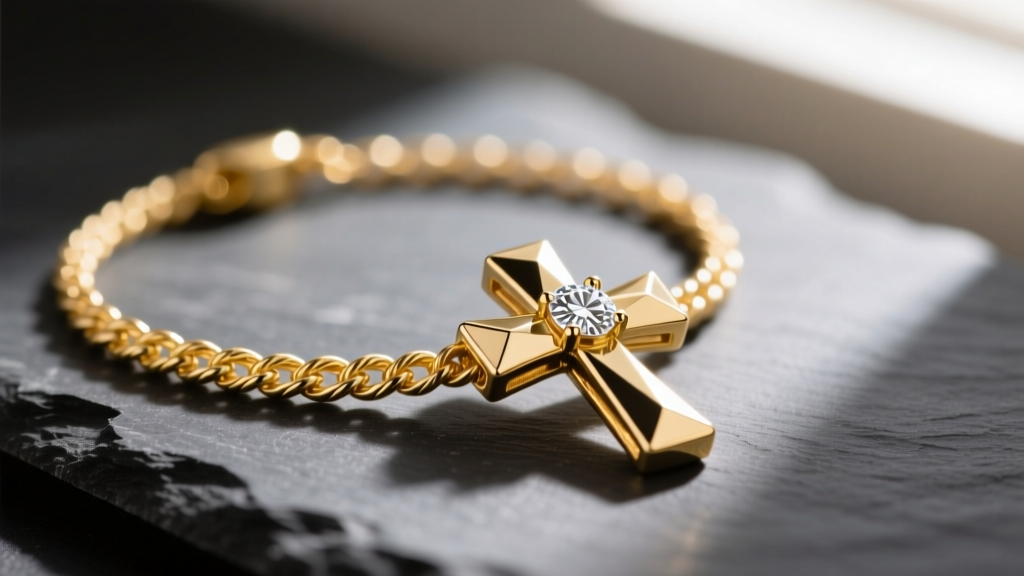
The rope cross necklace remains a cornerstone of both streetwear and fine jewelry, blending the intricate, light-catching geometry of a twisted rope chain with the timeless silhouette of a cross pendant. However, as precious metal markets fluctuate and manufacturing techniques evolve, the gap between a piece's retail price and its intrinsic material value has widened significantly. In 2026, consumers are faced with a marketplace saturated by everything from $40 PVD-plated stainless steel replicas to $5,000 solid 18k gold and diamond iterations. How do you determine if you are paying for genuine craftsmanship or merely a brand markup?
This comprehensive value assessment breaks down the metallurgy, structural integrity, and fair market pricing of rope cross necklaces. Whether you are evaluating a vintage find or shopping for a modern everyday piece, understanding these specifics will protect your investment and ensure you get exactly what you pay for.
The Anatomy and Structural Demands of a Rope Chain
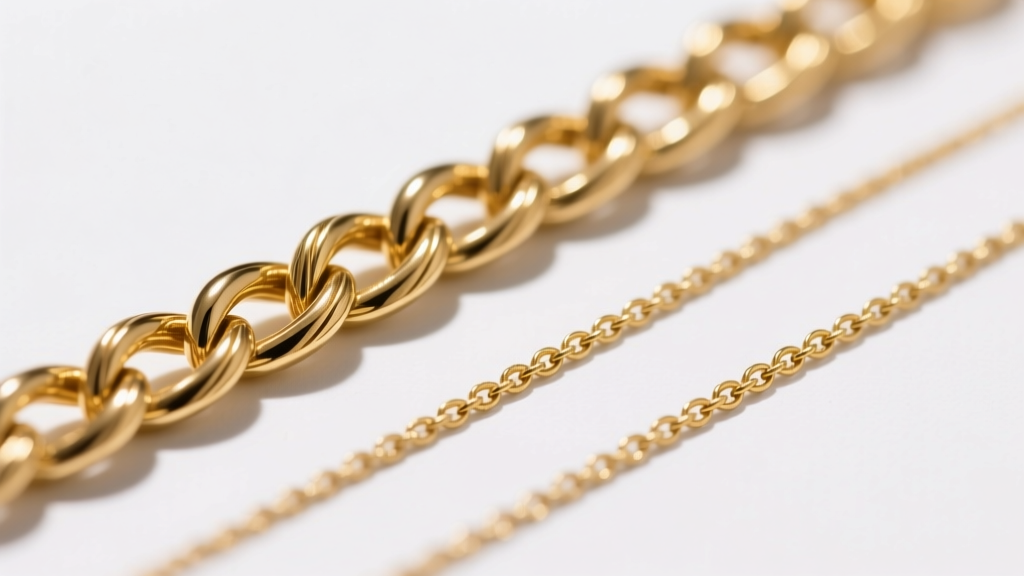
Before assessing price, it is crucial to understand why the rope chain dictates a significant portion of the necklace's value. Unlike standard curb or cable chains, a rope chain is constructed by twisting multiple smaller links into a spiral, mimicking the appearance of a woven rope. This design offers unparalleled brilliance due to the multi-faceted surfaces reflecting light from every angle. However, this structural complexity introduces specific vulnerabilities.
The primary failure point of any rope chain is tensile stress. Because the links are twisted and interlocked at acute angles, they are highly susceptible to stretching when subjected to the concentrated downward weight of a cross pendant. A high-quality rope chain intended to hold a pendant must be at least a 2-ply or 3-ply twist, with a minimum gauge thickness of 2.5mm. Chains thinner than 1.5mm, regardless of the karat gold used, will inevitably stretch, warp, or snap at the clasp solder point within a year of daily wear.
2026 Market Pricing Tiers: What Should You Actually Pay?
To accurately assess value, we must segment the market by material composition and manufacturing standards. The following table outlines the fair retail price ranges for a standard 20-inch rope chain paired with a proportionate cross pendant in the current 2026 market, excluding arbitrary luxury brand markups.
| Value Tier | Material Composition | Chain Gauge & Ply | Avg. Gram Weight | 2026 Fair Price Range |
|---|---|---|---|---|
| Budget | 316L Stainless Steel (PVD Gold) | 2.0mm - 3.0mm (2-ply) | N/A | $45 - $95 |
| Mid-Tier | Sterling Silver (Rhodium Plated) | 2.0mm - 2.5mm (2-ply) | 12g - 18g | $120 - $280 |
| Premium | Solid 10k or 14k Yellow/White Gold | 2.5mm - 4.0mm (3-ply) | 15g - 30g | $750 - $2,100 |
| Luxury | Solid 18k Gold + VS Melee Diamonds | 3.0mm+ (3-ply or 4-ply) | 25g - 45g | $3,200 - $6,500+ |
Note: Pricing in the Premium and Luxury tiers is heavily dependent on the daily spot price of gold and the exact carat weight of any diamond melee used in the cross pendant.
Material Science: Where the Real Value Lies
Solid 14k vs. 18k Gold: The Durability Paradox
When investing in a premium solid gold rope cross necklace, conventional wisdom might suggest that 18k gold (75% pure gold) is inherently more valuable than 14k gold (58.5% pure gold). While 18k holds a higher melt value and offers a richer, deeper yellow hue, it is structurally inferior for rope chains. According to the Gemological Institute of America (GIA), the alloy metals mixed with pure gold—such as copper, silver, and zinc—provide the tensile strength necessary for jewelry. Because a rope chain relies on friction and tight interlocking links to maintain its shape, the softer nature of 18k gold makes it highly prone to stretching under the weight of a solid cross pendant. For everyday wear, a 14k gold rope chain offers the optimal balance of intrinsic value, color, and structural longevity.
Vermeil vs. Standard Electroplating vs. PVD
In the budget and mid-tier markets, understanding plating standards is the key to avoiding overpriced costume jewelry. The Federal Trade Commission (FTC) Jewelry Guides strictly regulate these terms. Standard gold electroplating is often a mere 0.1 to 0.5 microns thick and will wear off the high-friction links of a rope chain within months. Gold vermeil, by contrast, requires a sterling silver base and a minimum of 2.5 microns of 10k+ gold. However, the most durable budget option in 2026 is Physical Vapor Deposition (PVD) coating applied to 316L surgical stainless steel. PVD bonds the gold color at a molecular level in a vacuum chamber, creating a finish that is vastly more resistant to sweat, friction, and UV degradation than traditional wet electroplating, making it the undisputed king of the sub-$100 tier.
Hidden Costs and Mechanical Failure Modes
When appraising a rope cross necklace, look beyond the precious metal weight and inspect the mechanical components. The most common point of catastrophic failure is the clasp and its attachment to the chain.
- The Solder Joint: The final link of the rope chain must be soldered closed and attached to a jump ring. If the jeweler used a low-temperature, weak solder, the cross pendant's swinging momentum will eventually snap this joint. Look for laser-welded jump rings, which fuse the metal without compromising the structural integrity of the adjacent twisted links.
- Clasp Type: A standard spring-ring clasp is inadequate for a solid gold rope chain weighing over 20 grams. The internal spring mechanism will fail, or the thin wire of the clasp will bend. A high-value piece will feature a lobster claw clasp with a reinforced interior spring, or ideally, a custom-machined box clasp with a secondary figure-eight safety latch.
- Dirt and Oil Accumulation: The tight spirals of a rope chain act as a trap for sebum, lotions, and environmental dust. Over time, this buildup creates an abrasive paste that accelerates wear between the links. A high-quality rope chain will have slightly rounded, diamond-cut edges that are easier to clean with a soft brush, whereas cheap, mass-stamped links feature sharp, jagged interiors that degrade rapidly.

The Appraisal Framework: How to Assess Value In-Store or Online
Whether you are browsing a local jeweler's display case or evaluating a listing on a secondary market, use this actionable framework to verify the true value of a rope cross necklace:
- Demand the Gram Weight: Never buy a solid gold rope chain priced solely on "design" or "brand." Ask for the exact gram weight of the chain and the pendant separately. Multiply the gram weight by the current daily spot price of gold (adjusted for 10k, 14k, or 18k purity) to find the melt value. A fair retail markup for a finished, crafted piece is typically 2.5x to 4x the melt value. Anything higher requires justification through exceptional diamond quality or artisan hand-carving.
- Verify the Hallmarks: Use a jeweler's loupe to inspect the end tags and the back of the cross pendant. A legitimate piece will bear a purity stamp (e.g., 14K, 585, 925) and ideally a maker's mark. Be highly suspicious of chains where the hallmark is stamped on a generic, flimsy tag that looks soldered on as an afterthought.
- The Drape and Flex Test: Pick up the necklace and let it pool in your hand. A high-quality 3-ply rope chain will drape fluidly like liquid metal, without any stiff, kinked sections. If the chain feels rigid or holds a circular memory shape from its packaging, the links have been machine-stamped too tightly or soldered improperly, indicating poor manufacturing value.
- Inspect the Diamond Melee (If Applicable): If the cross pendant features pavé or channel-set diamonds, ask for the clarity and color grades. Many mid-tier jewelers use I1-I2 clarity diamonds with heavy brown inclusions, hiding them behind reflective rhodium plating in the setting. True value requires VS/SI clarity stones that are eye-clean.
Final Verdict: Investing in Longevity
The rope cross necklace is more than a fleeting trend; it is a versatile staple that bridges the gap between personal expression and fine jewelry heritage. However, its intricate design demands high-quality materials and precise manufacturing to survive daily wear. By prioritizing structural gauge thickness over hollow gold techniques, understanding the realities of metal alloys, and insisting on transparent gram-weight pricing, you can confidently navigate the 2026 market. True value is not found in the lowest price tag, but in the intersection of enduring materials, robust mechanical construction, and fair market transparency.


