How to Choose and Style a Pearl Necklace With Initial Pendants
Discover how to choose, style, and care for a pearl necklace with initial pendants. Learn about pearl grades, chain types, and layering techniques.

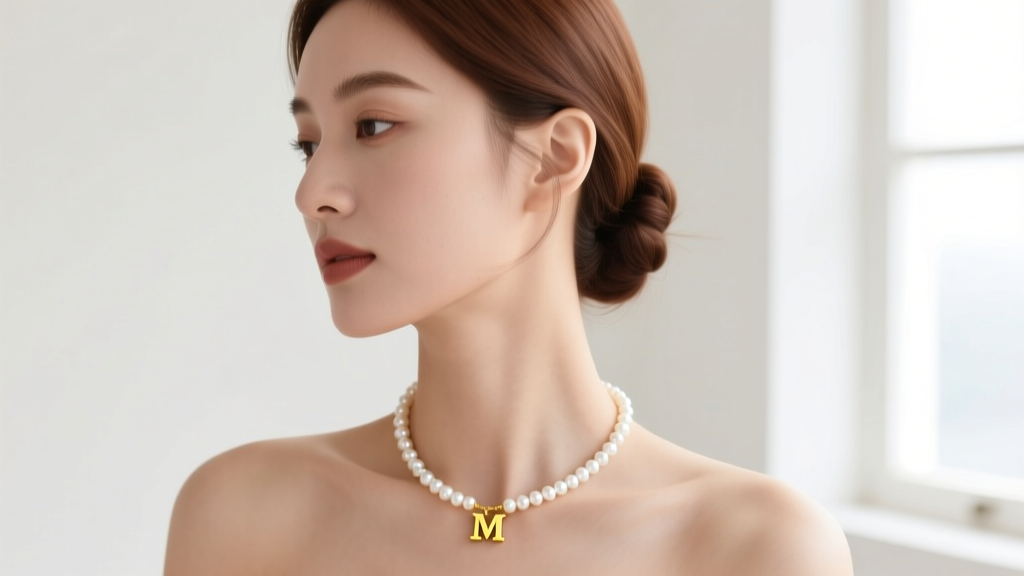
The combination of classic elegance and personalized sentiment makes the pearl necklace with initial pendants a cornerstone of modern jewelry wardrobes. Whether you are treating yourself to a monogrammed piece or searching for a deeply meaningful gift, pairing the organic beauty of pearls with a customized letter charm creates a striking visual contrast. However, merging these two distinct jewelry elements requires an understanding of proportions, material durability, and structural integrity.
In this comprehensive beginner-friendly guide, we will break down exactly how to select the right pearl type, match your pendant proportions, and maintain your necklace for decades of wear. Forget generic jewelry advice; we are diving into the specific mechanics of chain gauges, pearl millimeter sizing, and professional layering frameworks.
Decoding Pearl Types for Pendant Necklaces
Not all pearls are created equal, and the type of pearl you choose will dramatically affect both the aesthetic and the price point of your necklace. When adding a metal initial pendant, the pearl's luster and surface quality become magnified. According to the Gemological Institute of America (GIA), luster is the most critical quality factor in pearl valuation. A sharp, mirror-like luster will reflect the metallic shine of your initial charm, creating a cohesive look.
For everyday wear, you will primarily choose between Freshwater and Akoya pearls. Here is how they compare when anchoring a personalized pendant:
| Feature | Freshwater Pearls | Akoya Pearls |
|---|---|---|
| Luster | Soft, satiny, and glowing | Sharp, mirror-like, and highly reflective |
| Shape | Often near-round or oval | Perfectly round |
| Durability | Thick nacre, highly durable | Thinner nacre over a bead nucleus |
| Price Range | $50 - $200 | $300 - $800+ |
| Best For | Casual, everyday layering | Formal wear and heirloom gifts |
Expert Tip: If you plan to wear your initial pendant daily, opt for high-grade (AAA) Freshwater pearls. Their solid nacre composition makes them far more resistant to the micro-abrasions caused by a metal charm constantly rubbing against the pearl surface.
Proportions and Pendant Sizing
The most common mistake beginners make is ignoring scale. A massive, chunky initial charm will completely overpower a delicate strand of pearls, while a microscopic letter will get lost against larger beads. To achieve visual harmony, follow the 1.5x to 2x rule for pendant sizing.
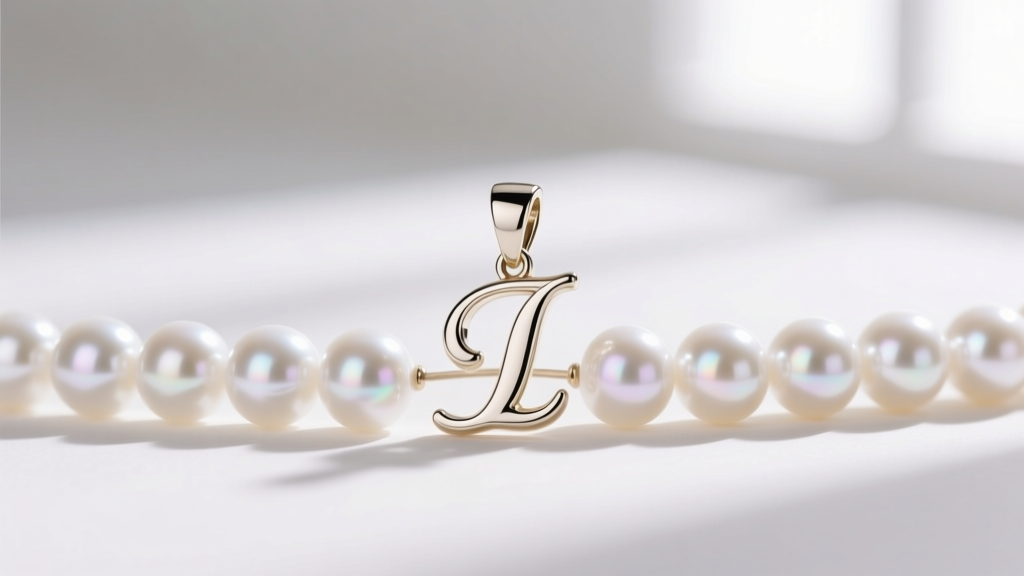
- 6mm - 7mm Pearls: Pair with an initial pendant measuring 10mm to 12mm in height. This is the most versatile and popular combination for a subtle, elegant look.
- 8mm - 9mm Pearls: Require a larger pendant, ideally 14mm to 18mm. This creates a bold, statement-making piece suited for evening wear or high-neckline outfits.
- Font Weight Matters: A delicate, serif font (like Times New Roman) will appear smaller than a bold, sans-serif block letter of the exact same millimeter height. Always check the visual weight, not just the listed dimensions.
Chain Mechanics and Structural Integrity
This is where many commercial jewelry brands cut corners, leading to broken necklaces and lost pendants. Traditional pearl necklaces are strung on silk thread with knots between each pearl. Never hang a heavy solid gold or sterling silver initial pendant on a silk-strung pearl necklace. The metal bail (the loop connecting the pendant to the chain) will act like a saw, slowly fraying the silk thread until it snaps.
Instead, look for these structural alternatives:
- Wire-Wrapped or Chain-Integrated Pearls: Each pearl is individually wrapped in metal wire or linked via tiny metal jump rings. This provides the tensile strength needed to support a 3-gram to 5-gram initial charm.
- Chain Gauges: If your pearls are integrated into a metal chain, ensure the chain is at least 1.2mm to 1.5mm thick. A delicate 0.8mm cable chain will stretch and warp under the localized weight of a sliding pendant.
- Clasp Selection: Avoid spring-ring clasps, which are notoriously fragile and difficult to operate. Insist on a lobster claw clasp, which features a stronger internal spring and a wider opening to accommodate the pendant's bail.
Length and Neckline Pairings
The placement of your pearl necklace with initial charms dictates how it interacts with your wardrobe. The two most functional lengths for this specific style are the 16-inch choker and the 18-inch princess length.
'A 16-inch pearl initial necklace sits perfectly in the hollow of the collarbone, making it the ultimate companion for V-necks, scoop necks, and open-collared button-downs. The pendant naturally rests in the negative space of the neckline, drawing the eye upward.' — Senior Jewelry Stylist
If you frequently wear crew necks, turtlenecks, or high-neck blouses, an 18-inch or even 20-inch length is mandatory. An 18-inch chain allows the pearls to rest gracefully over the fabric collar, while the initial pendant hangs freely without catching on the seam of your garment.
Mastering the Art of Layering
Layering a pearl initial necklace with other chains is a hallmark of contemporary styling, but it requires a strategic approach to prevent tangling and metal friction.
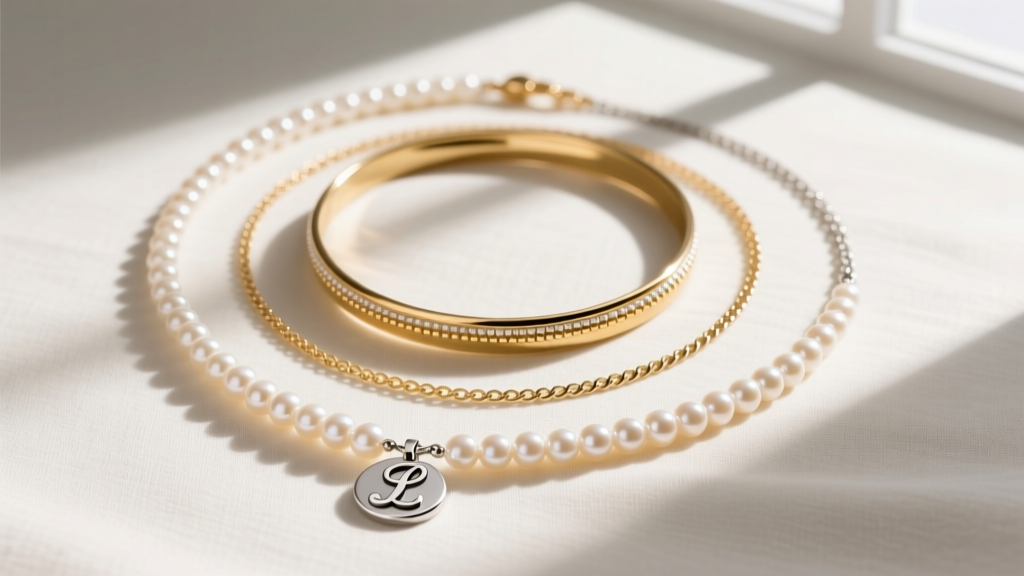
The 2-Inch Separation Rule
To keep your necklaces from twisting into a single knot, maintain a minimum 2-inch difference in length between each layer. If your pearl initial necklace is 16 inches, your secondary chain should be exactly 14 inches (a tight choker) or 18 inches (a longer pendant chain).
Mixing Metals and Textures
Do not be afraid to mix metals. A white gold initial pendant on a freshwater pearl strand looks incredibly chic when layered with a 14k yellow gold paperclip chain. The key to successful mixed-metal layering is contrasting textures. Pair the smooth, organic curves of the pearls with geometric, structured chains like box chains, herringbone, or paperclip links. This contrast highlights the uniqueness of the pearl necklace with initial detailing rather than letting the pieces blend into a muddy visual mess.
Expert Care and Maintenance
Pearls are organic gemstones, ranking a mere 2.5 to 3.0 on the Mohs hardness scale. This makes them highly susceptible to scratching from the very metal initial pendant they are paired with. To preserve your investment, follow the strict protocols recommended by the Gemological Institute of America's pearl care guidelines.
- Last On, First Off: Pearls are highly porous and will absorb chemicals. Always put your necklace on after applying perfume, hairspray, and lotions. Remove it immediately upon returning home.
- Storage Separation: Never toss your pearl initial necklace into a communal jewelry box. The diamond or sapphire accents on other pieces will easily scratch the pearl nacre. Store it in a soft microfiber pouch or a dedicated lined compartment.
- The Wipe-Down: After every wear, gently wipe the pearls and the metal initial pendant with a clean, damp microfiber cloth. This removes the acidic oils from your skin that can slowly degrade the pearl's luster and tarnish sterling silver charms.
By understanding the nuanced relationship between organic pearls and customized metal charms, you elevate your jewelry from a simple accessory to a curated, structural masterpiece. Whether you choose a satiny freshwater strand or a mirror-like Akoya strand, applying these technical guidelines ensures your personalized piece remains flawless for years to come.


