Rose Gold Herringbone Necklace Buying Guide: What to Look For
Discover what to look for when buying a rose gold herringbone necklace. Learn about karats, widths, kink prevention, and pricing in our expert guide.

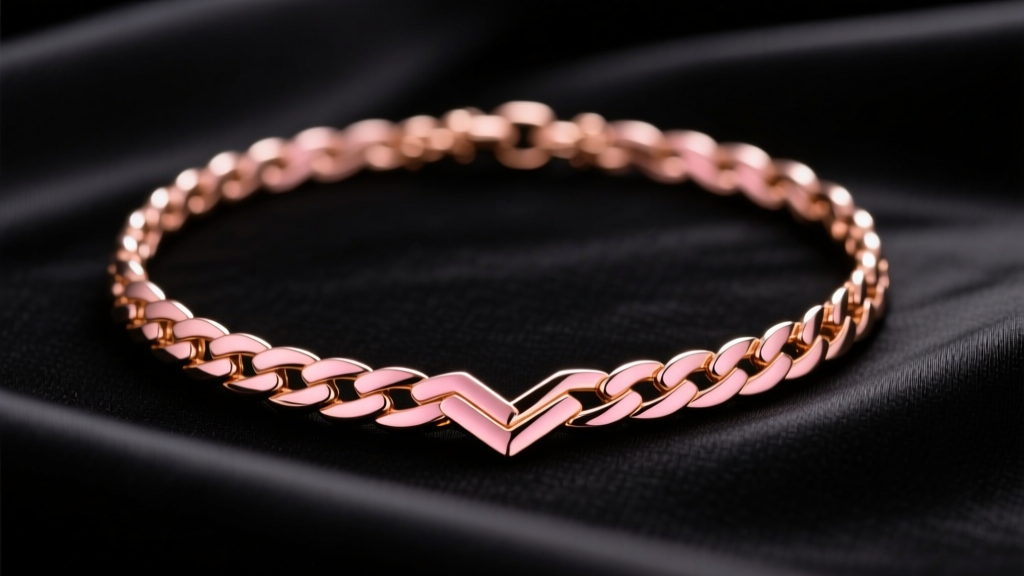
The rose gold herringbone necklace is widely considered one of the most elegant, fluid, and luxurious chain styles in fine jewelry. Unlike traditional interlocking link chains, the herringbone weave lays perfectly flat against the collarbone, catching the light like a ribbon of liquid metal. When crafted in rose gold, the warm, coppery undertones elevate the chain from a simple accessory to a vintage-inspired statement piece. However, as of 2026, the herringbone remains one of the most structurally unforgiving chain styles on the market. If you are investing in a rose gold herringbone necklace, understanding its unique anatomy, karat vulnerabilities, and strict care requirements is essential to avoid costly mistakes.
The Anatomy of the Herringbone Weave
To understand what to look for when buying, you must first understand how a herringbone chain is constructed. The chain is made up of short, parallel, V-shaped links that are laid flat and interlocked in a continuous, flush pattern. There are no traditional jump rings or open loops. This construction is what gives the necklace its signature 'liquid' drape and mirror-like reflectivity. However, this exact structural design is also its greatest weakness. Because the links are laid flat rather than looped, the chain has a distinct 'grain.' If the chain is bent backward against this grain, the metal will crease, resulting in a permanent kink that cannot be fully repaired.
Karat Weight: 14k vs. 18k Rose Gold
Rose gold is not a naturally occurring metal; it is an alloy created by mixing pure yellow gold with copper and a small amount of silver or zinc. According to the Gemological Institute of America (GIA), the copper content is what gives rose gold its signature pink hue. When choosing a herringbone chain, the karat weight directly impacts both the color and the structural integrity of the piece.
| Feature | 14k Rose Gold | 18k Rose Gold |
|---|---|---|
| Gold Content | 58.5% | 75.0% |
| Copper Content | ~36.0% | ~22.5% |
| Durability | High (Better for flat chains) | Moderate (Highly prone to bending) |
| Color Profile | Deep, warm reddish-pink | Soft, peachy yellow-pink |
| Price Range (18-inch, 3mm) | $450 - $650 | $800 - $1,200+ |
Expert Verdict: For a herringbone chain, 14k rose gold is the superior choice. The higher copper content makes the alloy significantly harder and more resistant to the bending forces that cause kinking. While 18k rose gold offers a softer, more luxurious peach tone, its higher pure-gold content makes it far too malleable for a chain style that requires rigid structural discipline.
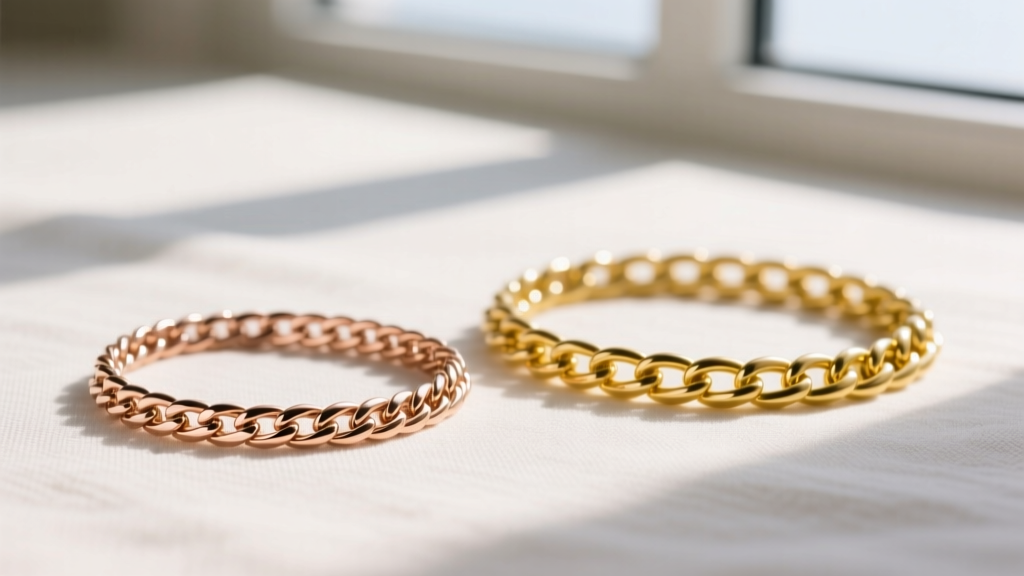
Width and Drape: Choosing the Right Millimeter
The width of a herringbone chain dictates not only its visual weight but also its susceptibility to damage. When shopping, pay close attention to the millimeter (mm) measurements provided by the jeweler.
- 2mm to 3mm (Delicate): Ideal for layering or wearing with small, lightweight pendants. These widths are slightly more forgiving if accidentally twisted, though they can still kink if crushed.
- 4mm to 6mm (Standard): The sweet spot for everyday wear. A 5mm rose gold herringbone offers a substantial, luxurious presence on the neck without feeling overly heavy or stiff.
- 8mm and Above (Statement): Wide herringbone chains are stunning but notoriously fragile. The wider the chain, the more surface area there is to catch on clothing or bend when you look down. Wide chains require meticulous storage and handling.
The Kink Factor: Structural Vulnerabilities and Prevention
The most critical piece of E-E-A-T knowledge any buyer can possess regarding herringbone chains is the reality of 'kinking.' As noted by Jewelers of America, flat chains require specialized care because once a herringbone link is folded backward, the metal stretches and creases. Jewelers cannot simply 'un-kink' the chain; attempting to roll or hammer the kink out will thin the metal, leaving a permanent, visible scar that weakens the entire piece.
How to Test for Kinks Before Buying
If you are shopping in person, perform the Drape Test. Hold the chain by the clasp and let it fall naturally into your palm. It should pool in smooth, concentric circles. Run your fingers gently down the length of the chain. If you feel any sharp bumps, ridges, or stiff spots, the chain has already been kinked and should be avoided. When buying online, closely inspect high-resolution macro photos for any irregularities in the V-pattern or uneven reflections, which indicate prior creasing.
The Golden Rule of Storage
Never toss a herringbone necklace into a jewelry box. It must either be hung from a dedicated necklace bust to let gravity keep the links aligned, or laid perfectly flat in a dedicated velvet tray. Never sleep, swim, or shower in a herringbone chain.
Clasp Mechanics and End Cap Construction
Because the herringbone weave does not use traditional jump rings at its ends, the transition from the flat chain to the clasp requires a specialized component called an end cap (or chain tube). This is a small, hollow metal tube into which the terminal links of the chain are inserted and crimped or soldered.
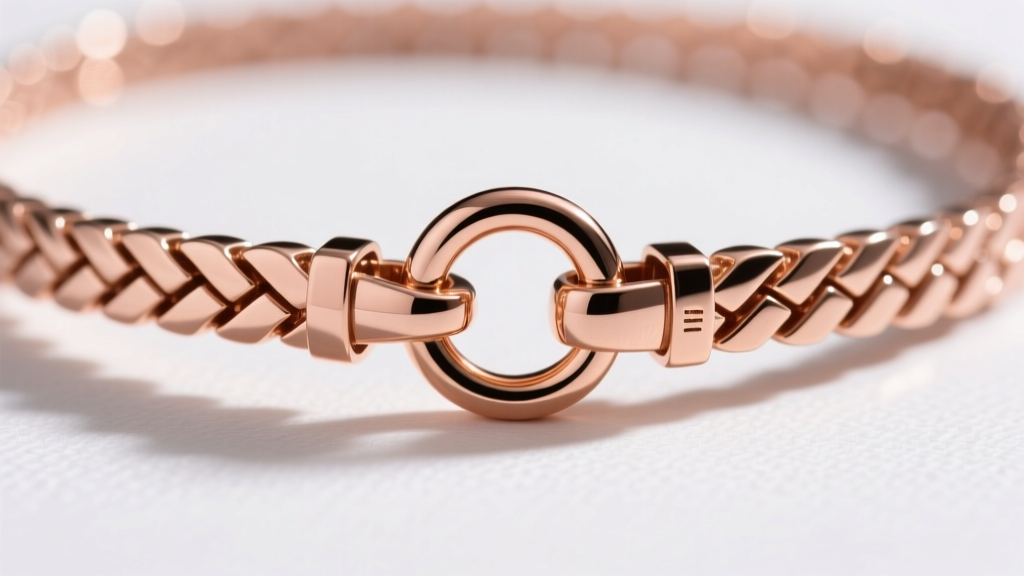
When inspecting a rose gold herringbone necklace, examine the end caps closely. They should be flush, smoothly finished, and securely soldered. If the end cap is merely glued or poorly crimped, the flat links will eventually fray and pull out of the tube under the weight of the chain. Furthermore, ensure the chain is fitted with a lobster clasp rather than a spring ring. Lobster clasps provide a more secure closure and are easier to manipulate without accidentally twisting the delicate chain links.
A Warning Against Plated and Vermeil Herringbone
As the demand for affordable luxury has grown, the market has been flooded with gold-plated and vermeil herringbone chains. From a structural and financial perspective, you should never buy a plated herringbone necklace. The FTC's Jewelry Guides strictly regulate plating terminology, but the physical reality of the herringbone weave makes plating obsolete. Because the chain naturally flexes and shifts against the skin, the microscopic layers of gold plating will quickly micro-fracture at the crease points of the V-links. This exposes the base metal (usually brass or sterling silver) underneath, leading to rapid tarnishing, green skin discoloration, and a flaking, patchy appearance that cannot be polished away. Always invest in solid 14k or 18k rose gold for this specific chain style.
Final Thoughts on Your Investment
A solid rose gold herringbone necklace is a breathtaking, heirloom-quality piece that reflects light and warmth unlike any other chain. By prioritizing 14k gold for durability, selecting a width that matches your lifestyle, rigorously inspecting the end caps, and committing to proper flat storage, you can enjoy the liquid drape of this vintage-inspired weave for decades to come.


