How to Style, Layer, and Clean a Solid Log Chain Necklace
Master the bold look of a log chain necklace. Learn step-by-step how to choose the right gauge, layer without tangling, and safely clean heavy links.

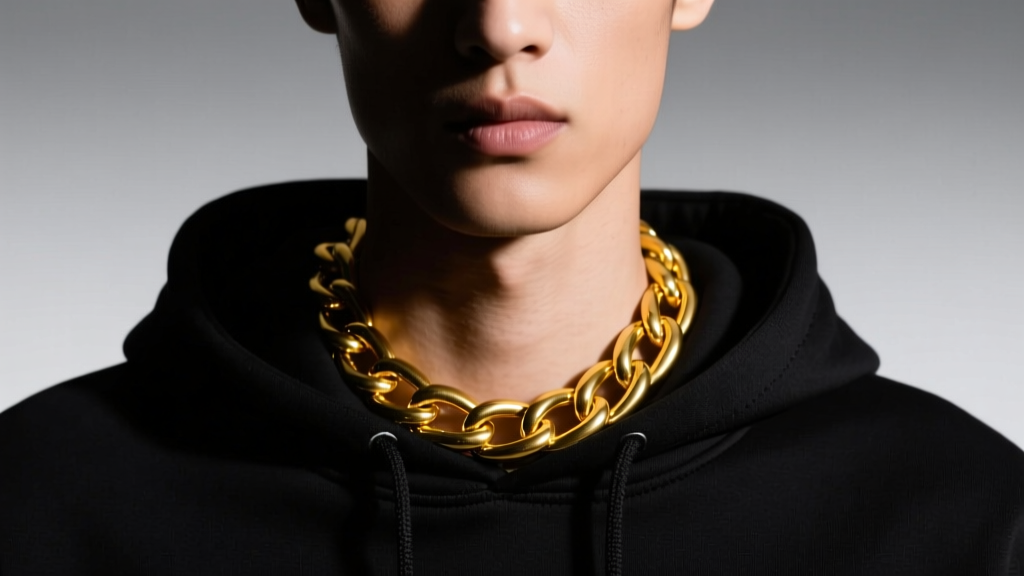
The Anatomy and Appeal of the Log Chain
The log chain necklace is a masterclass in bold, architectural jewelry design. Unlike the interlocking oval links of a Cuban chain or the uniform circles of a cable chain, the log chain features elongated, cylindrical, or barrel-shaped links that resemble stacked timber. This unique geometry gives the chain a substantial visual weight and a distinct, modern texture that has cemented its place in both high-end streetwear and luxury hip-hop jewelry. However, the very design that makes a log chain so striking also introduces unique challenges regarding weight distribution, tangling, and structural maintenance.
As of 2026, advancements in laser-welding technology have made solid 14k and 18k gold log chains more resilient than ever, but improper styling and cleaning can still ruin these heavy investment pieces. This step-by-step guide will walk you through selecting the right dimensions, layering without creating a tangled mess, and executing a safe deep-cleaning protocol to maintain your chain's luster.
Step 1: Selecting Dimensions, Weight, and Clasp Engineering
The most critical mistake buyers make with log chains is underestimating the relationship between link width, overall weight, and clasp requirements. Because log links sit flat against one another, a 10mm log chain contains significantly more metal per inch than a 10mm rope chain.
When shopping, always prioritize solid or semi-solid construction over hollow links. Hollow log chains are notorious for denting because the broad, flat surface area of the "log" takes direct impact against the chest. Once a hollow log link dents, it is nearly impossible for a jeweler to reshape without compromising the structural integrity of the gold.
Width, Weight, and Clasp Matrix
| Chain Width (mm) | Avg. Weight (22-inch, Solid 14k) | Required Clasp Type | Best Use Case |
|---|---|---|---|
| 5mm - 7mm | 45g - 70g | Heavy-Duty Lobster (15mm+) | Everyday wear, light layering |
| 8mm - 12mm | 90g - 160g | Box Clasp with Figure-8 Safety | Statement piece, solo wear |
| 14mm - 20mm+ | 180g - 300g+ | Tongue Clasp with Dual Safeties | Specialty streetwear, stage wear |
Note: Never rely on a standard spring-ring or small lobster clasp for a log chain exceeding 80 grams. The kinetic energy of a heavy log chain swinging will easily snap a weak clasp spring, leading to catastrophic loss.
Step 2: The Art of Layering Heavy Log Chains
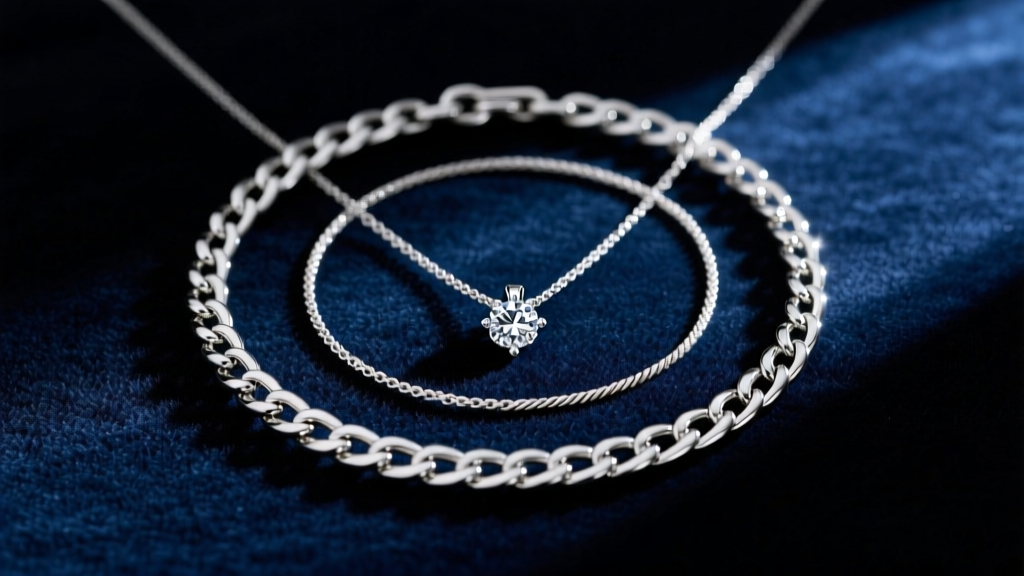
Layering a log chain necklace requires an understanding of texture contrast and length differentials. Because the cylindrical links of a log chain have a high visual profile and broad surface area, pairing it with another wide chain will result in severe tangling and micro-scratches across the polished metal.
The Rule of Texture Contrast
To layer successfully, your log chain must act as the "anchor" piece, while the accompanying chains should provide contrasting textures. Follow this 3-step layering framework:
- The Anchor (Log Chain): Choose a 20-inch or 22-inch log chain (8mm to 10mm width). This sits at or just below the collarbone, drawing the eye immediately.
- The Bridge (Rope or Wheat Chain): Add a 24-inch or 26-inch 3mm rope chain. The twisted geometry of a rope chain complements the smooth, barrel-like finish of the log chain without competing for visual dominance.
- The Terminator (Pendant on a Box Chain): Finish with a 28-inch or 30-inch 2mm box chain holding a single, meaningful pendant (such as a diamond cross or custom signet). The rigid, square links of a box chain prevent the pendant from sliding around excessively.
Pro-Tip for Tangle Prevention: Always ensure there is a minimum 2-inch length differential between your log chain and the next layer. If the chains are too close in length, the flat edges of the log links will act like gears, catching the smaller links of the secondary chain and twisting them into knots.
Step 3: Deep Cleaning and Maintenance Protocol
Log chains trap skin oils, lotions, and environmental dust in the tight, horizontal crevices where the barrel links connect. Over time, this buildup creates a dull, grayish film that robs the gold or silver of its reflective brilliance. According to the Gemological Institute of America (GIA), regular, gentle cleaning is essential to maintain the luster of precious metals without damaging the alloy composition.
The Safe Soak and Scrub Method
- Prepare the Solution: In a glass bowl, mix warm (not hot) water with a few drops of ammonia-free, mild dish soap (like Dawn). Avoid any soaps containing harsh degreasers or moisturizing creams, which can leave a secondary film.
- The Soak: Submerge your solid log chain necklace for exactly 15 to 20 minutes. This softens the sebum and dead skin cells trapped in the link joints.
- The Agitation: Using an extra-soft baby toothbrush, gently brush the chain. Critical technique: Brush in the direction of the links (horizontally), not against them. Scrubbing vertically can bend the delicate solder rings connecting the heavy logs.
- The Rinse and Dry: Rinse thoroughly under lukewarm running water. Pat dry with a microfiber cloth, then lay the chain flat on a dry towel to air-dry completely before storing.
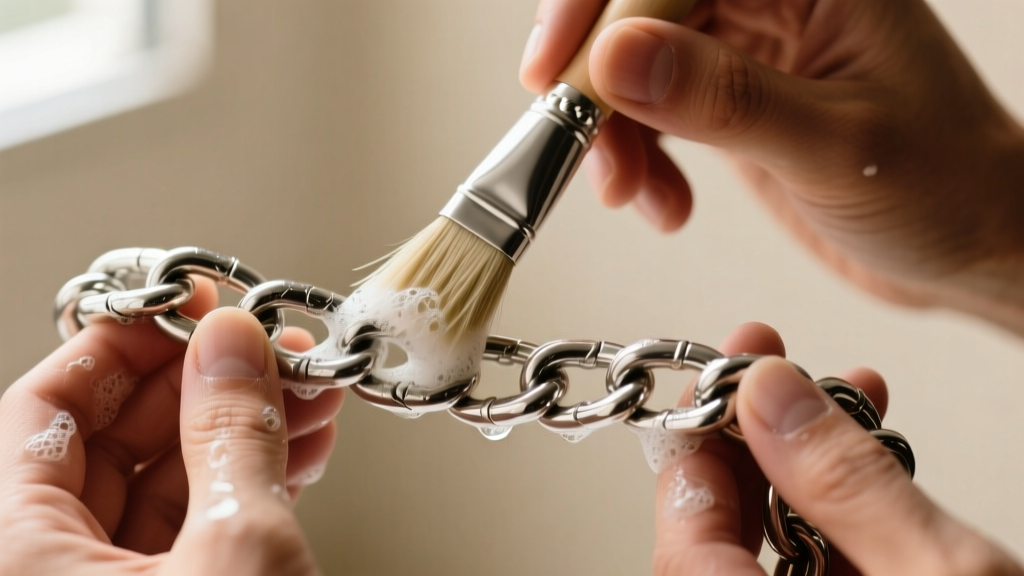
WARNING: The Ultrasonic Cleaner Danger
While ultrasonic cleaners are fantastic for diamond rings, they are highly dangerous for log chains—especially if you are unsure whether your chain is 100% solid or semi-hollow. The high-frequency vibrations can shake loose the solder points connecting the heavy barrel links, causing the chain to snap under its own weight when you lift it out of the bath. Furthermore, if your log chain features any gemstone accents (like pave-set diamonds on the clasp), the vibrations can rattle the stones out of their settings. Stick to manual soaking and brushing.
Troubleshooting Common Log Chain Failures
Even with meticulous care, the sheer mass of a log chain necklace puts immense physical stress on its components. Here is how to identify and troubleshoot the most common failure modes before they result in a lost chain.
1. Clasp Spring Tension Loss
If your lobster or box clasp feels "mushy" or fails to snap back with a sharp, audible click, the internal spring is failing. Heavy log chains exert constant downward drag, which stretches the clasp spring over time. Solution: Take the chain to a bench jeweler every 12 months to have the clasp mechanism serviced or replaced. Do not wait for it to snap.
2. Link Separation at the Solder Point
Inspect the small circular jump rings that connect the barrel logs. If you notice any of these rings looking slightly oval rather than perfectly round, the metal is stretching. According to FTC guidelines on jewelry manufacturing, the integrity of precious metal joints is paramount for durability. Solution: A jeweler can easily re-solder and re-round these jump rings for a minimal fee, preventing a catastrophic break.
3. Surface Scratches and Scuffs
Because the log links rub against each other horizontally, micro-scratches are inevitable on high-polish 18k gold log chains (18k gold is softer than 14k due to its higher pure gold content). Solution: If the scratches become distracting, a jeweler can perform a light laser-polish to restore the mirror finish. Avoid aggressive buffing wheels, which will remove metal and round off the sharp, architectural edges that define the log chain's aesthetic.
Final Thoughts on the Log Chain
A solid log chain necklace is more than just an accessory; it is a wearable piece of industrial art. By respecting the physics of its weight, employing strategic texture contrast when layering, and adhering to a strict, non-mechanical cleaning regimen, you ensure that your chain remains a pristine, head-turning staple in your collection for decades to come.


