The Rose Quartz Pendant Necklace: 2026 Trend & Style Guide
Discover 2026 styling trends, gemological insights, and buying guides for the perfect rose quartz pendant necklace. Elevate your jewelry wardrobe today.

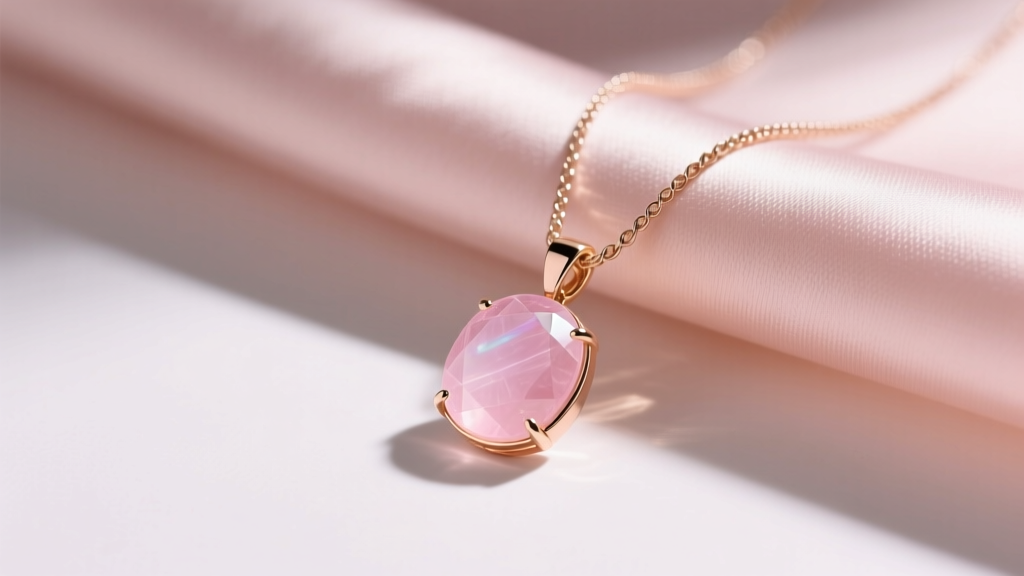
The 2026 Shift: From Boho to Quiet Luxury
The rose quartz pendant necklace has undergone a radical transformation over the last decade. Once relegated to the bohemian-chic movement of the 2010s—often seen in heavy, asymmetrical wire-wrapped settings—this beloved pink gemstone has been reclaimed by the "quiet luxury" movement of 2026. Today, the focus is on architectural precision, subtle translucency, and mindful minimalism. Designers are moving away from the overly saturated, artificially dyed stones of the past, favoring instead the natural, dusty-rose hues that exude understated elegance. According to recent market analyses by Forbes Jewelry, consumer demand has pivoted heavily toward organic, unheated gemstones set in sleek, low-profile bezels that allow the stone's internal landscape to take center stage.
This shift is not merely aesthetic; it reflects a broader cultural desire for grounding and emotional resonance in our accessories. Rose quartz, universally recognized as the stone of unconditional love, is now being worn not just as a talisman, but as a sophisticated anchor in a curated, capsule jewelry wardrobe. Whether you are layering it over a structured blazer or letting it rest against a silk camisole, understanding the nuances of this stone is critical for making an informed purchase in the current market.
Gemological Profile: Decoding the Pink
To truly appreciate a high-quality rose quartz pendant necklace, one must look beyond the surface color. Rose quartz is a macrocrystalline variety of quartz, registering a solid 7 on the Mohs hardness scale. This makes it highly suitable for daily-wear pendants, provided the setting offers adequate protection against hard impacts. According to the Gemological Institute of America (GIA), the signature pink coloration is generally attributed to trace amounts of titanium, iron, or manganese, though advanced gemological studies often point to microscopic fibrous inclusions of a pink borosilicate mineral related to dumortierite.
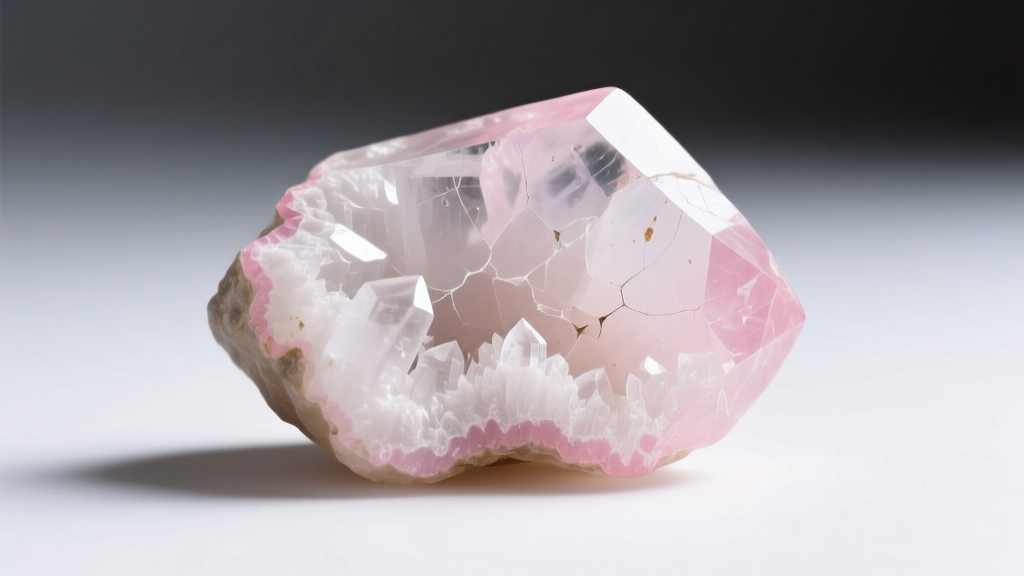
Translucency vs. Opacity
In 2026, the most coveted specimens are not the completely opaque, bubblegum-pink stones, but rather those with a milky translucency. This "jelly-like" diaphaneity allows light to penetrate the stone, creating a soft, internal glow known as adularescence-adjacent scattering. When shopping, hold the pendant up to a natural light source. High-grade rose quartz will exhibit a cloudy, luminescent depth, whereas lower-grade commercial stones will appear flat and chalky.
The Rarity of Asterism
For the serious collector, "Star Rose Quartz" represents the pinnacle of the market. This rare phenomenon occurs when microscopic rutile needles align within the crystal lattice. When cut en cabochon and illuminated by a single, direct light source, these needles reflect a six-rayed star across the dome of the stone. A genuine star rose quartz pendant necklace commands a significant premium and is almost exclusively set in solid 14k or 18k gold to match its rarity.
Metal Pairings and Setting Architectures
The metal chosen for your pendant dictates the overall temperature and formality of the piece. While sterling silver was the default for decades, 2026 trends heavily favor warm-toned metals that complement the stone's inherent blush undertones. Below is a comparative framework to help you select the ideal metal and setting combination.
| Metal Type | Aesthetic Impact | Durability & Care | Price Tier |
|---|---|---|---|
| 14k Rose Gold | Monochromatic, romantic, seamless color blending. | Excellent. Highly resistant to tarnish. Requires occasional polishing. | $$$ |
| 18k Yellow Gold | High contrast, vintage-inspired, luxurious warmth. | Very Good. Softer than 14k, prone to micro-scratches but easily buffed. | $$$$ |
| Sterling Silver (925) | Crisp, modern, slightly edgy. Cools down the pink hue. | Fair. Prone to oxidation/tarnish. Requires regular polishing cloths. | $ |
| Platinum | Ultra-premium, neutral, heavy and substantial drape. | Superior. Hypoallergenic, develops a patina rather than wearing away. | $$$$$ |
Setting Styles: Bezel vs. Prong
Because rose quartz can be brittle along its cleavage planes, the bezel setting has emerged as the undisputed champion for 2026 pendant designs. A full or half-bezel wraps a thin ribbon of metal around the girdle (the outer edge) of the stone, protecting it from lateral knocks while providing a sleek, modern silhouette. Prong settings, while allowing more light entry, leave the vulnerable edges of the cabochon exposed to chipping and are generally discouraged for daily-wear quartz pendants unless reinforced with a heavy gallery wire.
Chain Mechanics: Gauge, Length, and Drape
A pendant is only as good as the chain that suspends it. The structural integrity and visual weight of the chain must balance the carat weight of the rose quartz. For a standard 15mm to 25mm cabochon pendant, a chain gauge between 1.2mm and 1.5mm is the sweet spot. Anything thinner (like a 0.8mm thread chain) risks snapping under the pendulum motion of daily wear, while anything thicker (2.0mm+) overpowers the delicate nature of the stone.
- The Rolo Chain (1.2mm - 1.5mm): Featuring uniform, round interlocking links, the rolo chain offers exceptional tensile strength and a classic, light-catching texture. It is the top recommendation for medium-to-heavy pendants.
- The Box Chain (1.0mm - 1.2mm): Composed of square links that create a smooth, continuous ribbon effect. Box chains are highly resistant to kinking and provide a contemporary, liquid-metal drape that pairs beautifully with geometric rose quartz cuts.
- The Cable Chain (1.5mm): The traditional oval-link chain. Opt for a "diamond-cut" cable chain if you want maximum light reflection, though be aware that the textured edges can occasionally catch on fine knitwear.
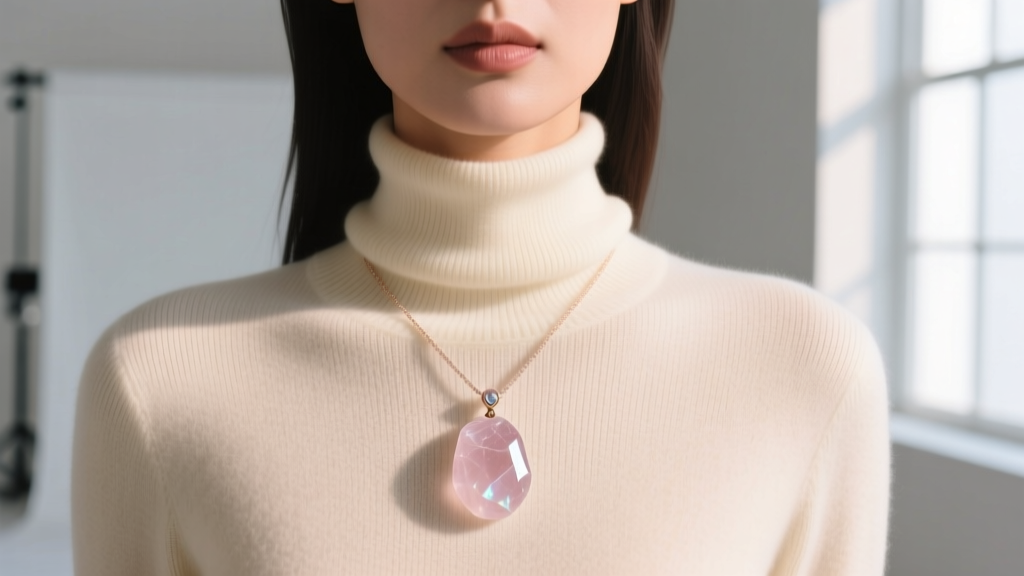
Strategic Styling: Necklines and Layering
In 2026, the art of wearing a rose quartz pendant necklace is defined by intentional layering and neckline synergy. The goal is to create a curated, asymmetrical stack that feels personal rather than uniform.
The 18-Inch Princess Length
The 18-inch chain remains the most versatile standard. It rests perfectly on the collarbone, making it the ideal anchor piece. Pair an 18-inch rose quartz bezel pendant with a deep V-neck blouse or an unbuttoned silk shirt. The soft pink of the stone acts as a natural blush, drawing the eye upward and illuminating the complexion.
The Layering Protocol
If you are building a stack, adhere to the "Rule of Three" with varying lengths and textures. Start with a 16-inch choker (perhaps a simple gold snake chain), follow with your 18-inch rose quartz pendant as the focal point, and finish with a 22-inch matinee chain featuring a small, minimalist diamond or gold vermeil bar. This creates a cascading visual triangle that elongates the neck and prevents the chains from tangling.
Pricing Tiers and Market Value
Navigating the pricing landscape of rose quartz jewelry requires an understanding of material sourcing and craftsmanship. Here is what you should expect to pay in the current market:
Commercial Tier ($25 - $60): Typically features opaque, tumbled stones with wire-wrapped or glued bale settings. Chains are usually gold-plated brass or thin sterling silver. Ideal for fast-fashion trends but lacks longevity.
Bridge Tier ($80 - $180): The sweet spot for most buyers. Features translucent, precision-cut cabochons set in solid 14k gold-filled or heavy vermeil bezels. Chains are durable rolo or box styles with secure lobster clasps.
Fine Jewelry Tier ($250 - $800+): Reserved for rare "Star Rose Quartz" or custom-faceted stones set in solid 14k/18k gold or platinum. Includes designer provenance, lifetime warranties, and ethically sourced, traceable gemstones.
Longevity and Care Protocols
Despite its respectable Mohs hardness of 7, rose quartz requires specific care to maintain its luster and structural integrity over decades. First and foremost, never place a rose quartz pendant in an ultrasonic cleaner. The high-frequency vibrations can exploit microscopic internal fractures, causing the stone to crack or shatter entirely. Instead, clean your pendant using a solution of lukewarm water and a drop of pH-neutral dish soap, gently agitating it with a soft-bristled baby toothbrush.
Furthermore, be mindful of prolonged UV exposure. While rose quartz is relatively stable compared to amethyst, leaving the pendant on a sunlit windowsill for months on end can cause the pink hue to fade into a dull, chalky white. Store your necklace in a lined jewelry box or a soft pouch, separated from harder gemstones like diamonds or sapphires, which can easily scratch the quartz surface during transit. By adhering to these protocols, your rose quartz pendant necklace will remain a radiant, timeless fixture in your collection for years to come.


