The Rubber Band Necklace: 2026 Budget & Value Guide
Is a rubber band necklace a cheap gimmick or a streetwear staple? We assess material grades, tensile strength, and pricing tiers to determine true value.

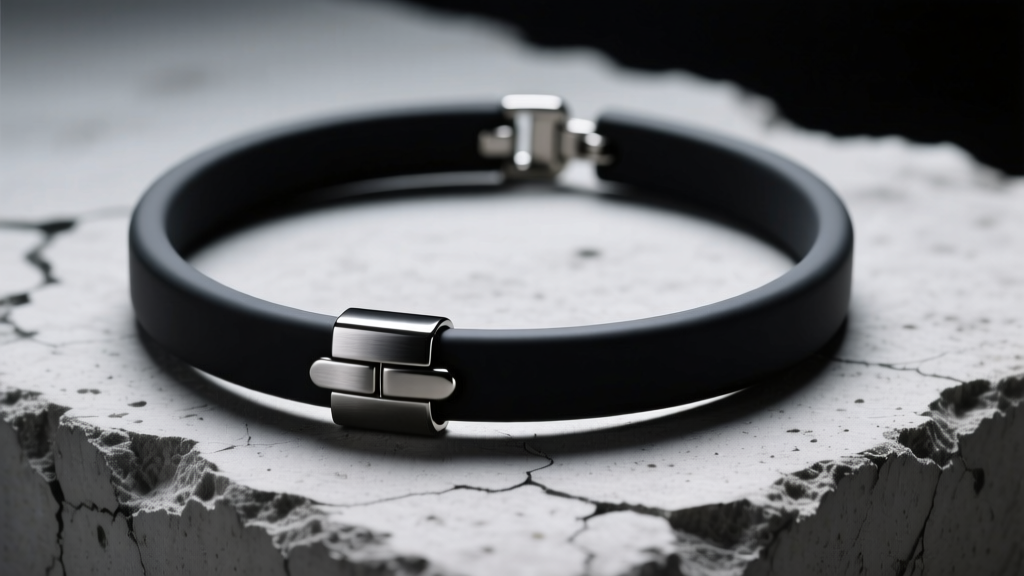
When evaluating avant-garde and streetwear jewelry in 2026, few pieces polarize buyers quite like the rubber band necklace. What began as a literal upcycled craft project utilizing office supplies has evolved into a mainstay of high-fashion elastomer accessories and underground streetwear. But how do you assess the actual value of a piece of jewelry made from a material traditionally reserved for industrial gaskets and hair ties? Is a luxury designer elastomer cord worth a $400 premium over a $15 streetwear silicone O-ring? As a domain expert in contemporary jewelry materials, I break down the material science, hardware integration, and true market value of the rubber band necklace to help you make an informed purchasing decision.
Material Breakdown: Natural Latex vs. Silicone Elastomers
The term "rubber band" is frequently misapplied in the jewelry market. True natural rubber (polyisoprene) and modern silicone elastomers are fundamentally different polymers with vastly different lifespans, tensile strengths, and dermatological profiles.
Natural Rubber (Polyisoprene)
Literal rubber bands and budget-tier upcycled necklaces are made from natural latex. While highly elastic, natural rubber is highly susceptible to photo-oxidative degradation. Exposure to UV light and ambient ozone causes the polymer chains to break down, resulting in dry rot, micro-cracking, and eventual catastrophic snapping. Furthermore, according to the American Academy of Dermatology, natural latex carries a significant risk of Type I hypersensitivity (latex allergy), making it a poor choice for prolonged skin contact.
Platinum-Cured Silicone Elastomers
Premium streetwear and luxury brands utilize platinum-cured silicone. Unlike natural rubber, silicone is a synthetic elastomer with a siloxane backbone, granting it exceptional UV resistance, thermal stability, and biocompatibility. When tested under ASTM D412 standards for elastomeric tension, high-grade silicone maintains its tensile strength and elongation-at-break properties for years without succumbing to ozone cracking. For a rubber band necklace meant to be worn daily, platinum-cured silicone is the only acceptable baseline for long-term value.
The 2026 Value Assessment Matrix
To determine if you are getting a fair deal, we must segment the market into three distinct tiers. This matrix evaluates the material grade, hardware quality, and realistic pricing you should expect in each category.
| Tier | Material Grade | Hardware Integration | Fair Price Range | Longevity |
|---|---|---|---|---|
| Tier 1: DIY / Upcycled | Natural Latex / EPDM office bands | Knots, basic crimp beads | $0 - $15 | 1 - 4 Weeks |
| Tier 2: Streetwear O-Rings | Extruded Silicone (Shore 50A) | Stainless steel lobster clasps, glued sleeves | $25 - $85 | 1 - 3 Years |
| Tier 3: Luxury Elastomer | Platinum-Cured Silicone w/ Kevlar Core | Overmolded Titanium / PVD Bayonet clasps | $180 - $650+ | 5+ Years |
Value Verdict: Tier 2 offers the highest utility-to-cost ratio for fashion-forward consumers. Tier 3 is justified only for collectors of avant-garde luxury or those demanding aerospace-grade hardware integration.
Failure Modes and Degradation Science
Understanding how a rubber band necklace fails is critical to assessing its warranty and long-term value. According to ScienceDirect Materials Science, elastomeric jewelry typically fails in one of three ways:
- Mechanical Fatigue (Snap-Back): Repeated stretching beyond the material's elastic limit causes permanent deformation (creep). A quality silicone necklace should have an elongation-at-break rating of at least 300%. If the necklace feels loose after a month of wear, the durometer (hardness) was likely too low for the cord's thickness.
- Chemical Degradation: Exposure to sulfur-based compounds, heavy chlorinated pool water, or certain skincare acids can cause the surface of lower-grade silicone to become tacky or discolored. High-end brands apply a matte-clear hydrophobic nano-coating to prevent this.
- Hardware Tear-Out: The most common failure point is not the rubber itself, but where the rubber meets the metal. If the cord is simply pierced and looped through a jump ring, the stress concentration will eventually cause the elastomer to tear.
Hardware Integration: The True Cost Driver
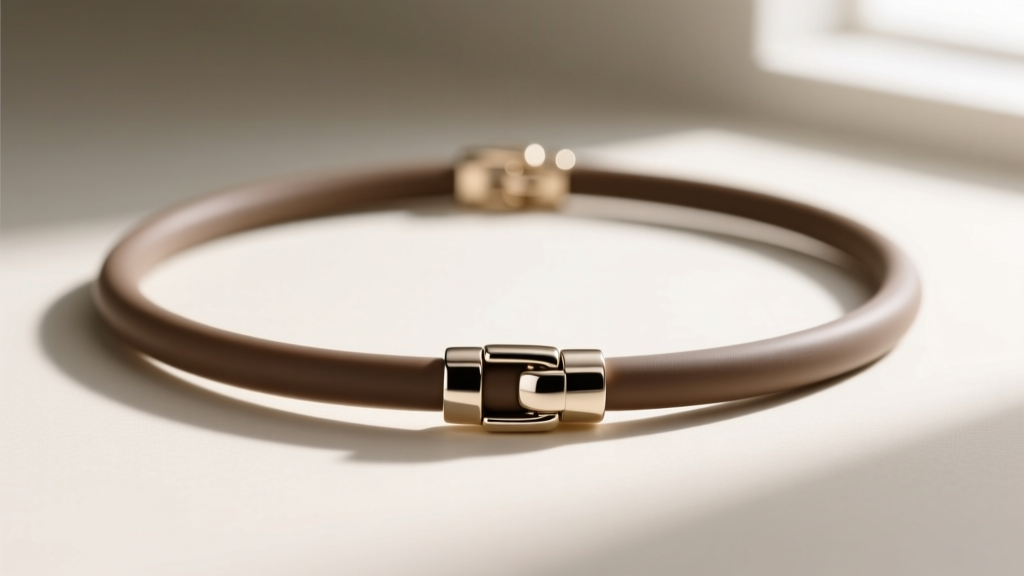
If you are spending over $100 on a designer rubber band necklace, you are paying for the hardware integration. The transition from a flexible polymer to a rigid metal clasp is an engineering challenge. Here is how to spot quality manufacturing:
1. The Crimp and Sleeve Method (Budget)
Common in Tier 2 streetwear brands, the silicone cord is fed into a hollow metal tube, which is then mechanically crushed (crimped) onto the rubber. While cheap to produce, the sharp inner edges of the crimp tube slowly cut into the elastomer over time. Value check: Avoid paying luxury prices for crimped hardware.
2. Internal Core Threading (Mid-Tier)
To prevent catastrophic snapping, premium brands thread a high-tensile core—such as Kevlar or Dyneema—through the hollow center of an extruded silicone tube. The metal clasp is then crimped to the internal Kevlar, not the rubber. This means even if the silicone exterior degrades or cuts, the necklace will not break and drop your pendant.
3. Overmolding and Chemical Bonding (Luxury)
The gold standard in elastomer jewelry. The silicone is injected into a mold that already contains the titanium or stainless steel clasp, creating a seamless, waterproof, and mechanically unbreakable bond. This requires expensive tooling and is a hallmark of true luxury value.
Styling, Proportions, and Shore Hardness
The aesthetic value of a rubber band necklace relies heavily on its Shore A hardness rating, which dictates how the piece drapes across the collarbone.

- Shore 30A (Soft/Floppy): Drapes like a traditional chain. Ideal for layering with silver pendants or wearing under an open button-down shirt. However, it is more prone to tangling and stretching.
- Shore 50A (Medium/Structured): The sweet spot for chokers and O-ring styles. It holds a perfect circular geometry around the neck, making it ideal for pairing with high-neckline streetwear, hoodies, or minimalist crewnecks.
- Shore 70A (Rigid/Hard): Feels almost like hard plastic. Rarely used for full necklaces, but sometimes utilized in rigid, sculptural avant-garde collars. Uncomfortable for daily wear.
Final Verdict: Where Should You Spend Your Money?
The rubber band necklace has firmly cemented its place in the contemporary jewelry lexicon, bridging the gap between utilitarian hardware and high fashion. If your budget is under $20, treat the piece as a seasonal, disposable fashion accessory—expect to replace natural latex or poorly crimped silicone every few months. If you are allocating $50 to $100, demand extruded platinum-cured silicone with an internal Kevlar core and stainless steel hardware. Finally, if you are investing $200 or more, refuse to settle for anything less than overmolded titanium bayonet clasps and hydrophobic surface treatments. By scrutinizing the polymer science and hardware engineering, you can ensure your streetwear investment survives the test of time.


