The Ultimate Guide to Choosing a Safe Chew Necklace for Kids
Discover how to choose a safe chew necklace for kids. Learn about silicone hardness, breakaway clasps, and sensory profiles in this expert guide.
Understanding the Purpose of Oral Sensory Jewelry
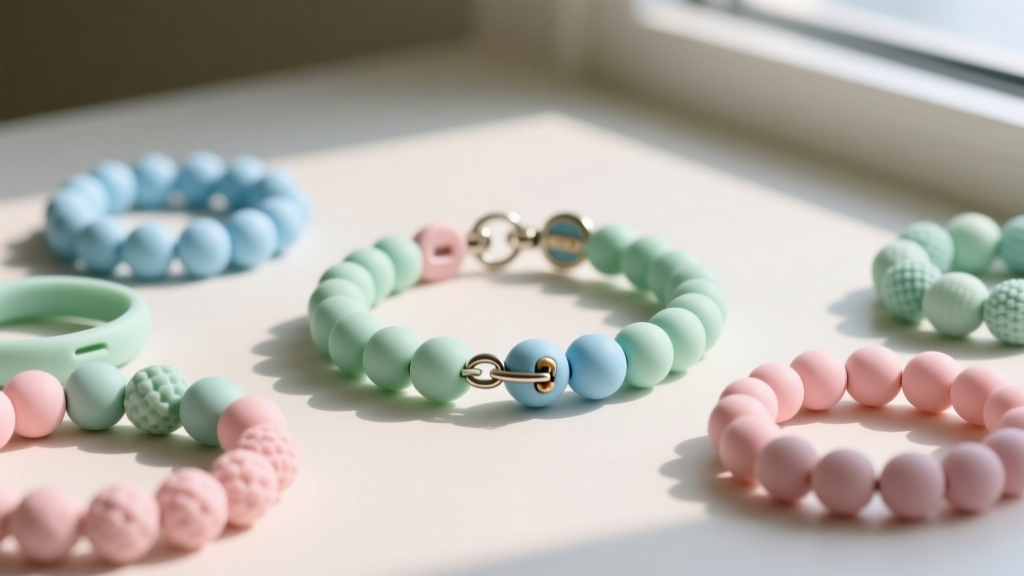
When parents first encounter the concept of a chew necklace for kids, it is often during a search for tools to support a child with sensory processing differences, ADHD, autism, or severe teething discomfort. Unlike traditional jewelry, which serves a purely aesthetic function, sensory chew necklaces are classified as functional therapeutic tools. They provide vital proprioceptive input to the jaw and oral cavity, which helps children self-regulate their nervous systems, improve focus, and redirect unsafe chewing behaviors away from clothing, pencils, or fingers.
As pediatric occupational therapists increasingly recommend oral motor tools for self-regulation, the market has become flooded with options. However, not all sensory jewelry is created equal. Selecting the right piece requires a deep understanding of polymer science, pediatric safety standards, and individual sensory profiles. This guide will break down the exact specifications you need to look for in 2026 to ensure both efficacy and safety.
Material Science: Decoding Food-Grade Silicone and Shore A Hardness
The gold standard material for any chew necklace for kids is 100% platinum-cured, food-grade silicone. Unlike peroxide-cured silicone, which can leave behind chemical byproducts and degrade faster, platinum-cured silicone undergoes a cleaner vulcanization process. This results in a non-porous, hypoallergenic material that is entirely free of BPA, PVC, phthalates, lead, and latex. When evaluating products, always look for compliance with FDA food-contact substance regulations, ensuring the material is safe for prolonged oral exposure.
Beyond basic material safety, the most critical metric for parents to understand is the Shore A Hardness Scale. This durometer scale measures the firmness of the silicone, directly correlating to the 'chew level' the necklace can withstand.
- Soft (Shore A 20-35): Feels similar to a soft gummy bear. Ideal for light chewers, toddlers, or children who merely mouth objects for soothing rather than aggressive biting.
- Medium (Shore A 40-55): Offers a firm but yielding resistance, comparable to a pencil eraser. This is the most versatile range, suitable for moderate chewers who need consistent jaw feedback without rapidly destroying the pendant.
- Hard (Shore A 60-80): Feels closer to a firm rubber tire or a hard plastic pen cap. Designed specifically for aggressive, older chewers who easily bite through softer silicones. Hard pendants often feature deep ridges or geometric angles to maximize surface area for the molars.
Non-Negotiable Safety Mechanisms
The primary risk associated with any necklace worn by a child is strangulation. Therefore, a safe chew necklace for kids must never be secured with a standard jewelry clasp, knot, or magnetic closure that remains rigid under pressure. You must exclusively purchase necklaces equipped with a certified breakaway clasp.
A true breakaway clasp (often a specialized plastic 'pom' clasp or a frangible barrel clasp) is engineered to snap open when subjected to 5 to 7 pounds of lateral or downward force. This ensures that if the necklace becomes snagged on playground equipment or is pulled by another child, the cord will separate instantly, eliminating the strangulation hazard. Furthermore, the cord itself should be made of high-tensile, fray-resistant nylon or cotton, securely knotted inside the silicone pendant to prevent the bead or pendant from detaching.
Equally important is adherence to the CPSC Small Parts Cylinder test. Any detachable component of the necklace must be large enough that it cannot fit entirely inside the standardized choke tube, which simulates the throat of a child under three years old. Avoid necklaces with small decorative beads, glued-on rhinestones, or secondary charms that could break off and become choking hazards. The American Academy of Pediatrics strictly advises against any jewelry with small, detachable parts for young children.
Matching the Chew Level to Your Child's Sensory Profile
Choosing the correct shape and hardness is a highly individualized process. A child who chews on the caps of pens requires a vastly different tool than a child who chews on the collars of their shirts. Below is a decision framework to help you match the necklace to your child's specific oral-motor needs.
| Chew Profile | Shore A Hardness | Recommended Shapes & Textures | Target Behavioral Need |
|---|---|---|---|
| Light / Soother | 20A - 35A | Smooth teardrops, soft tubes, rounded edges | Anxiety reduction, mild teething, lip-biting redirection |
| Moderate / Focuser | 40A - 55A | Pencil toppers, medium-density dog tags, subtle bumps | Classroom focus, ADHD fidgeting, shirt-collar chewing |
| Aggressive / Deep Pressure | 60A - 80A | Thick geometric pendants, knobby tires, dense bricks | Severe sensory seeking, molar grinding, destroying softer toys |

Discretion and Social Integration
For school-aged children, the aesthetic design of the chew necklace plays a massive role in whether they will actually wear it. The stigma surrounding sensory tools can lead to peer alienation if the jewelry looks overly 'medical' or infantile. Fortunately, modern sensory jewelry brands have pivoted toward discreet, fashion-forward designs.
Look for pendants shaped like traditional dog tags, minimalist geometric stones, or surfboard silhouettes in muted, neutral tones like charcoal, navy, olive green, or slate gray. Paired with a matte black or dark grey breakaway cord, these necklaces blend seamlessly with everyday streetwear and school uniforms, allowing older kids and teens to access the proprioceptive input they need without drawing unwanted attention from classmates.
Hygiene, Sanitization, and Lifecycle Management
Because chew necklaces are constantly exposed to saliva, oral bacteria, and environmental pathogens, rigorous hygiene protocols are mandatory. High-quality, platinum-cured silicone is non-porous, meaning it will not harbor bacteria internally, but the surface must be cleaned daily.
Daily and Weekly Cleaning Protocols
- Daily Wipe-Down: Wash with warm water and mild, unscented dish soap. Rinse thoroughly and air dry.
- Deep Sanitization (Weekly): Submerge the silicone pendant (removed from the cord) in boiling water for 3 to 5 minutes. Alternatively, place it on the top rack of the dishwasher or use a UV-C sanitizing box designed for baby pacifiers and oral tools.
- Avoid Harsh Chemicals: Never use bleach, alcohol-based sanitizers, or abrasive scrubbers, as these can degrade the silicone matrix, causing it to become brittle or tacky over time.
When to Retire the Necklace
No chew necklace lasts forever. Aggressive chewers may compromise the structural integrity of a pendant in a matter of weeks. You must inspect the silicone weekly for signs of material failure. Retire and replace the necklace immediately if you notice:
- Micro-tears or bite chunks missing: Any detached piece poses a severe choking risk.
- Tackiness or stickiness: This indicates that the silicone polymers are breaking down and leaching plasticizers or oils.
- Whitening at stress points: A white, cloudy appearance where the cord passes through the pendant hole signifies structural fatigue and an impending snap.
By prioritizing material science, rigorous safety testing, and proper lifecycle management, you can safely integrate a chew necklace into your child's daily routine, providing them with a discreet, effective tool for self-regulation and comfort.