Choosing the Safest Necklace for Daughter: Material Guide
Discover the safest metals for a necklace for daughter. Compare titanium, gold, and steel grades to prevent allergies and ensure durability.

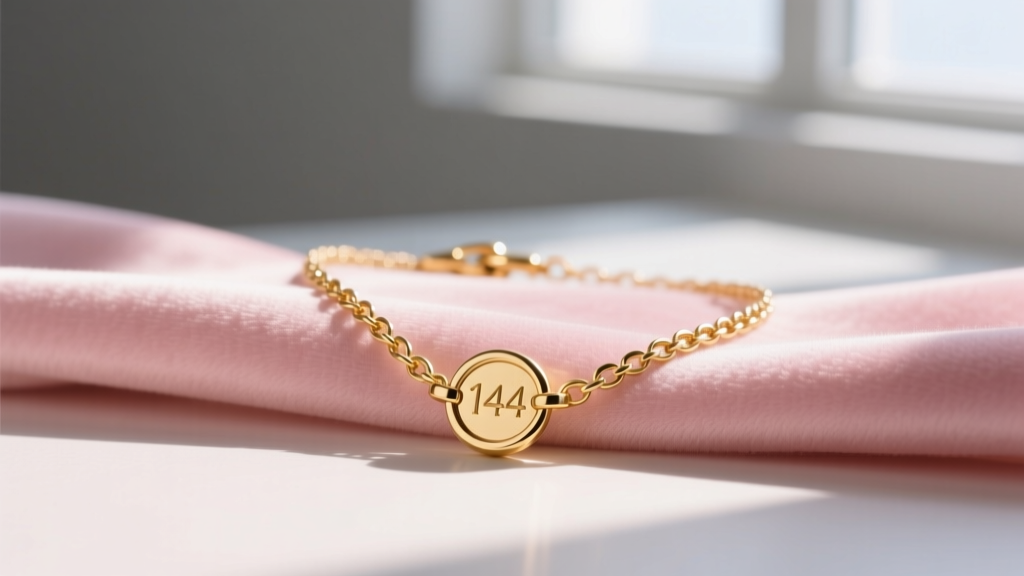
Finding the perfect necklace for daughter involves much more than simply selecting a charming pendant or a trendy design. As we move through 2026, parents and gift-givers are increasingly prioritizing material safety, biocompatibility, and mechanical durability. Children and teenagers have highly reactive skin, and the wrong metal alloy can quickly turn a beautiful gift into a source of contact dermatitis or, worse, a safety hazard. This comprehensive guide breaks down the exact metallurgical grades, safety standards, and structural mechanics you need to know before purchasing a necklace for your child.
The Hidden Dangers in Children's Jewelry
The jewelry market is unfortunately saturated with low-cost accessories that contain hidden irritants and toxic heavy metals. According to the U.S. Consumer Product Safety Commission (CPSC), children's jewelry must adhere to strict limits regarding lead and cadmium content. However, the more common culprit for daily wear issues is nickel. Nickel allergy is one of the most prevalent causes of allergic contact dermatitis worldwide. When a child sweats, the salt and moisture can cause low-grade alloys to leach nickel ions directly into the epidermis, resulting in red, itchy, and blistering rashes.
Furthermore, mechanical failures—such as weak clasps or easily snagged chains—pose a strangulation risk for younger children. Understanding the exact material composition and structural engineering of a necklace is the only way to guarantee both dermatological and physical safety.
Decoding Metal Grades: What Actually Works?
Not all gold or steel is created equal. Marketing terms like 'hypoallergenic' are largely unregulated in the jewelry industry. To ensure you are buying a safe necklace for daughter, you must look for specific metallurgical grades.
Implant-Grade Titanium (ASTM F136)
Titanium is widely regarded as the ultimate hypoallergenic metal, but you must verify the grade. Commercial titanium (Grade 1 or 2) is pure but soft. For jewelry, the gold standard is ASTM F136 (Ti-6Al-4V ELI), an implant-grade titanium alloy used in medical devices. It contains zero nickel and is highly resistant to corrosion from sweat, chlorine, and saltwater. If your daughter has hyper-sensitive skin or a known metal allergy, an ASTM F136 titanium pendant on a pure titanium chain is the safest possible choice.
14k and 18k Gold Alloys
Pure 24k gold is too soft for daily wear, so it is alloyed with other metals. 14k gold contains 58.5% pure gold, while the remaining 41.5% consists of copper, silver, and zinc. However, white gold is a major red flag for sensitive skin. To achieve a silvery color, white gold is almost always alloyed with nickel and plated with rhodium. Once the rhodium plating wears off (usually within 6 to 12 months of daily wear), the nickel is exposed, triggering allergic reactions. When choosing a gold necklace for daughter, always opt for 14k or 18k yellow or rose gold, which are typically nickel-free.
Surgical Stainless Steel (316L vs. 304)
Stainless steel is durable and affordable, but it requires careful selection. Grade 304 steel contains up to 8% nickel. Grade 316L surgical steel contains molybdenum for enhanced corrosion resistance and has a tighter crystal lattice that traps nickel ions, preventing them from leaching into the skin. While 316L is generally safe for most children, it is not recommended for those with severe, clinically diagnosed nickel allergies. Always verify that the retailer specifies '316L' rather than generic 'stainless steel'.
Material Comparison Matrix for Kids & Teens
Use the following data table to compare the most common necklace materials based on biocompatibility, durability, and age appropriateness.
| Material Grade | Nickel Content | Corrosion Resistance | Best Age Group | Estimated Price Range |
|---|---|---|---|---|
| ASTM F136 Titanium | 0% (None) | Exceptional | All Ages (Toddlers to Teens) | $45 - $120 |
| 14k Yellow Gold | 0% (Usually) | High | Older Kids & Teens | $150 - $400+ |
| 950 Platinum | 0% (None) | Exceptional | Teens (Heirloom Pieces) | $300 - $800+ |
| 316L Surgical Steel | Low (Trapped) | Very High | Active Kids & Teens | $20 - $60 |
| Sterling Silver (925) | 0% (Usually) | Low (Tarnishes) | Teens (Occasional Wear) | $30 - $90 |
Chain Mechanics and Clasp Safety
The pendant material is only half the equation; the chain and clasp dictate the physical safety of the necklace. The American Academy of Dermatology (AAD) frequently treats children for contact dermatitis caused by cheap, porous clasps that trap moisture and bacteria against the nape of the neck.
Breakaway Clasps for Toddlers
For children under the age of five, a necklace must feature a mechanical breakaway clasp. These are typically magnetic or snap-fit clasps engineered to pop open when subjected to 3 to 5 pounds of lateral force. If a toddler catches their chain on playground equipment or furniture, the clasp will detach instantly, eliminating the risk of strangulation.
Chain Styles: Avoiding Snag Hazards
Not all chains are suitable for active children. Box chains and herringbone chains have flat, interlocking surfaces that easily catch on hair, clothing threads, and blankets, leading to sudden yanks that can injure the neck or snap the chain. Instead, opt for a standard cable chain or a rope chain. These styles feature smooth, rounded links that glide over fabrics and hair without snagging. For teens, a 1.2mm to 1.5mm cable chain offers the perfect balance of delicate aesthetics and tensile strength.

Final Verdict: Matching the Metal to Her Age
Selecting the right necklace for daughter ultimately depends on her age, lifestyle, and dermatological profile. For toddlers and young children, safety is paramount. Stick to lightweight ASTM F136 titanium or high-polished 316L steel on a cable chain with a verified magnetic breakaway clasp. Keep the chain length short (12 to 14 inches) to prevent it from slipping over the chin or catching on objects.
For teenagers, you can introduce precious metals like 14k yellow gold or 950 platinum. Teens are more likely to wear their jewelry in the shower or at the beach, making the corrosion resistance of 14k gold and platinum highly advantageous over sterling silver, which requires constant polishing to prevent oxidation. Avoid white gold and brass alloys entirely, as the hidden nickel and copper content will almost certainly cause skin discoloration or allergic flare-ups over time.
Pro-Tip for Parents: Always perform a 'patch test' with a new metal. If you are unsure about a specific alloy, have your daughter wear the necklace for just two hours on the first day while monitoring the skin on her neck. If no redness occurs, it is generally safe for continuous daily wear.
By prioritizing verified material grades and age-appropriate safety mechanics, you can gift a beautiful, meaningful necklace that she can wear safely for years to come.


