The Ultimate Guide to Choosing a Black Wooden Cross Necklace
Discover how to choose, style, and care for a black wooden cross necklace. Learn about wood types, chain pairings, and sizing in this beginner guide.

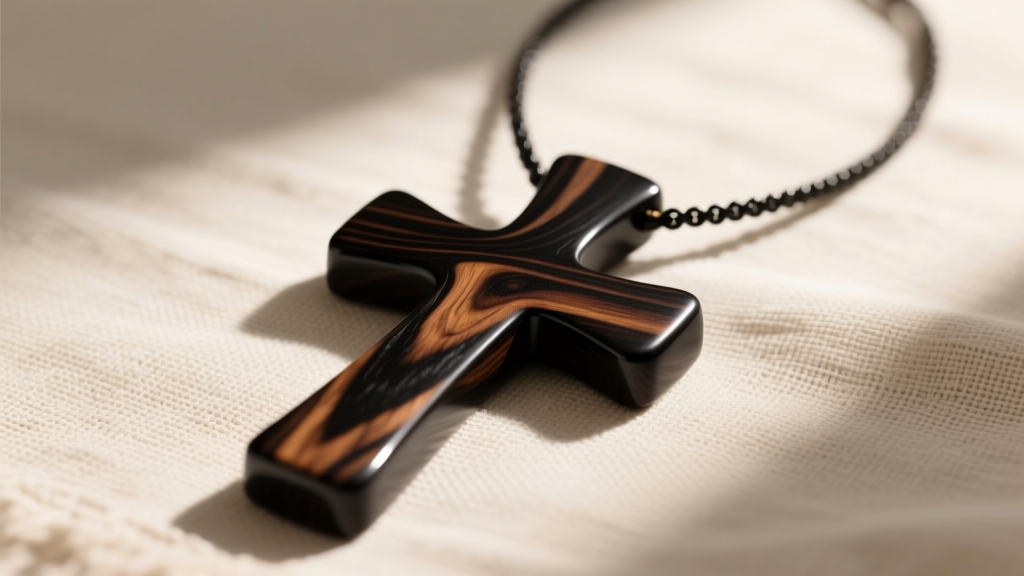
The Enduring Appeal of the Black Wooden Cross Necklace
The black wooden cross necklace occupies a unique space in modern jewelry. It bridges the gap between spiritual symbolism, minimalist fashion, and grounded, earthy aesthetics. Unlike heavy metallic pendants that can feel ostentatious or cold against the skin, wood offers a lightweight, warm, and deeply personal alternative. For beginners looking to invest in their first meaningful pendant, understanding the nuances of wood density, hardware compatibility, and proper sizing is essential. This guide breaks down everything you need to know to select a high-quality black wooden cross necklace that will last a lifetime.
Understanding Wood Types: Density, Grain, and Sustainability
Not all black wood is created equal. The term "black wood" in the jewelry market generally refers to three distinct categories, each with vastly different physical properties, price points, and environmental impacts. According to The Wood Database, the Janka hardness scale is the best metric for understanding how a wood will withstand daily wear, dents, and moisture exposure.
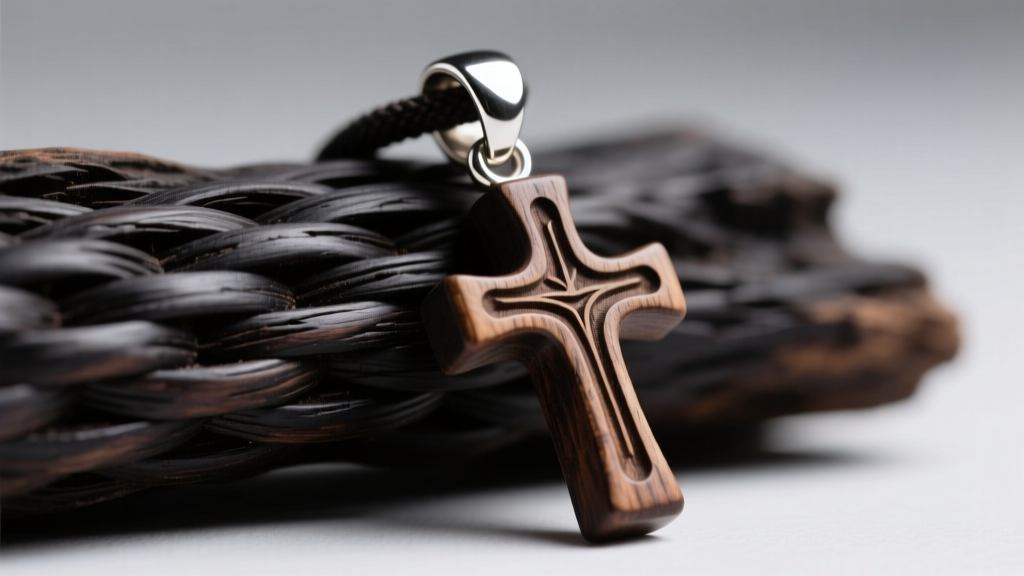
1. Gaboon Ebony (Diospyros crassiflora)
Gaboon Ebony is the gold standard for black wooden jewelry. With a Janka hardness rating of 3,080 lbf, it is incredibly dense, naturally sinking in water. Its heartwood is a deep, uniform jet black, occasionally featuring subtle gray streaks. Because it is so dense, it takes a glass-like polish without the need for chemical sealants. However, genuine ebony is expensive and slow-growing, making authentic pieces a premium investment.
2. Black Sandalwood and Rosewood Varieties
Often marketed as "black sandalwood," these pendants are usually carved from Dalbergia species. While they offer a beautiful, tight grain and a faint, natural aroma, they are significantly softer than ebony (typically around 1,200 to 1,600 lbf on the Janka scale). Due to strict CITES regulations protecting endangered rosewood and sandalwood species, reputable jewelers in 2026 are increasingly transparent about the exact botanical origin of their materials.
3. Ebonized Maple or Ash (The Sustainable Alternative)
For the eco-conscious buyer, ebonized wood is a fantastic choice. This process involves reacting the natural tannins in light woods (like ash or maple) with iron acetate, or using deep-penetrating aniline dyes. The result is a pitch-black pendant with a visible, striking grain pattern that is entirely sustainable and highly affordable.
| Wood Type | Janka Hardness | Grain Visibility | Price Range | Best For |
|---|---|---|---|---|
| Gaboon Ebony | 3,080 lbf | Very Low (Uniform) | $80 - $250+ | Luxury, heirloom pieces |
| Black Sandalwood | ~1,400 lbf | Medium | $30 - $90 | Aromatic, lightweight wear |
| Ebonized Ash/Maple | 1,320 lbf | High (Pronounced) | $20 - $60 | Eco-friendly, everyday style |
Hardware and Chain Pairings: Avoiding Galvanic Corrosion
One of the most common mistakes beginners make when buying or assembling a black wooden cross necklace is ignoring the metal hardware. The point where the metal meets the wood—specifically the bail and the jump ring—is a critical failure point if the wrong materials are used.
The Bail and Jump Rings
The bail is the metal loop glued or pinned into the top of the wooden cross. If a jeweler uses copper, brass, or low-grade silver alloys for the hidden pin or the jump ring, moisture from your skin will cause the metal to oxidize. This galvanic corrosion will bleed into the porous wood grain, creating a permanent, ugly green or brown halo around the bail. Always look for pendants that utilize 316L surgical stainless steel or grade 2 titanium for the internal pins and jump rings. These metals are completely inert and will never stain the wood.
Cord vs. Metal Chain
How you suspend the cross drastically changes its vibe and longevity.
- Waxed Cotton Cord (2mm - 3mm): The most popular choice. The wax coating repels sweat and water, protecting the cord from fraying. It offers a rugged, casual, and grounded look.
- Leather Cord: Classic, but requires care. Leather can absorb oils and become brittle over time if not conditioned. Avoid wearing leather cords in the shower.
- Sterling Silver or Steel Chains: A 2mm to 3mm cable or rolo chain elevates the wooden cross into smart-casual territory. Ensure the chain's end caps are smooth so they do not act like a saw against the wooden bail over time.
Sizing and Proportions
The impact of a black wooden cross necklace relies heavily on proportion. Because black wood absorbs light rather than reflecting it like silver or gold, the physical dimensions of the pendant must be carefully matched to the wearer's frame and the chosen neckline.

Pendant Drop Dimensions
For a minimalist, everyday look that tucks easily under a t-shirt or rests subtly on the collarbone, a pendant with a 0.75-inch to 1-inch (19mm - 25mm) drop is ideal. This size works beautifully on delicate 18-inch chains. For a bolder, streetwear-inspired, or traditional masculine aesthetic, look for a 1.5-inch to 2-inch (38mm - 50mm) drop. These larger pieces require thicker cords (3mm+) and longer lengths (22 to 26 inches) to hang properly on the chest without looking choked.
Thickness and Beveling
Pay attention to the thickness of the cross. A pendant that is too thin (under 3mm) is prone to snapping if snagged on clothing. A thickness of 5mm to 8mm provides structural integrity and a satisfying, premium weight. Additionally, look for crosses with slightly beveled or rounded edges; sharp 90-degree corners on wood will dent and chip easily upon impact.
Care and Maintenance
Wood is an organic, hygroscopic material, meaning it absorbs and releases moisture from the air. Improper care will lead to cracking, warping, or a dull, grayish patina. According to guidelines from Jewelers of America, organic materials require specialized cleaning routines that differ vastly from metallic jewelry.
Never use ultrasonic cleaners, steam cleaners, or harsh chemical dips on a wooden pendant. The high-frequency vibrations can shatter the wood grain, and chemicals will strip the natural oils, leaving the cross brittle and gray.
To maintain the deep black luster of your necklace, follow this simple monthly routine:
- Dust and Wipe: Use a clean, dry microfiber cloth to wipe away skin oils and dust. Do not use a damp cloth, as water raises the wood grain and makes it rough.
- Oil Application: Once a month, apply a single drop of food-grade mineral oil or jojoba oil to a soft cloth. Rub it gently into the wood. Avoid olive oil or vegetable oils, which can go rancid and smell sour over time.
- Buffing: Let the oil sit for 10 minutes, then buff it vigorously with a dry part of the cloth to restore the natural sheen.
Final Thoughts
A black wooden cross necklace is more than just an accessory; it is a tactile, grounding piece of jewelry that ages beautifully when treated with respect. By prioritizing dense, sustainable woods, insisting on inert titanium or steel hardware, and matching the pendant's proportions to your personal style, you can secure a piece that remains a staple in your wardrobe for decades. Whether you choose the glass-like finish of Gaboon Ebony or the striking grain of ebonized ash, the right wooden cross offers a quiet, confident statement that metal simply cannot replicate.


