Black and Silver Necklace Buying Guide: Metals & Stones
Discover how to choose the perfect black and silver necklace. Compare silver alloys, gemstone options, and durability in our expert 2026 buying guide.

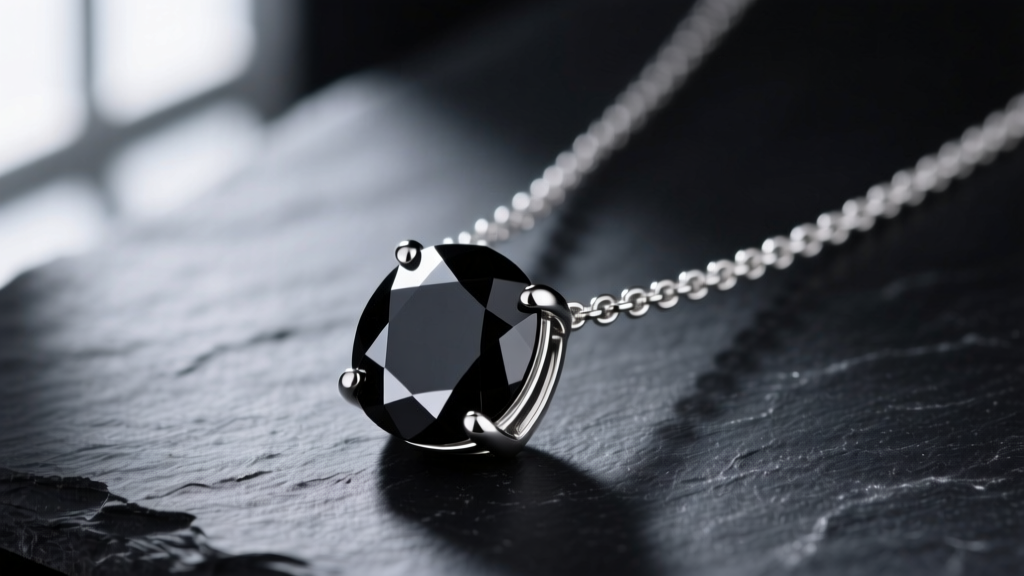
The aesthetic appeal of a black and silver necklace lies in its high-contrast duality. It merges the luminous, reflective properties of polished or oxidized silver with the deep, light-absorbing qualities of black gemstones, enamel, or chemical patinas. Whether you are drawn to the moody elegance of Art Deco revival pieces, the sharp minimalism of modern gothic jewelry, or the rugged texture of oxidized silver and black onyx, selecting the right piece requires a nuanced understanding of material science. In this comprehensive 2026 buying guide, we break down the exact metallurgical grades, gemstone hardness ratings, and structural failure modes you must evaluate before investing in a black and silver necklace.
The Metallurgy of Silver: Why the Alloy Matters
When shopping for a black and silver necklace, the base metal is just as critical as the black accent. Pure silver (999 fine) is too soft for daily-wear chain links or secure gemstone prongs. Therefore, jewelers rely on silver alloys. However, not all alloys behave the same way when juxtaposed with black elements.
Standard Sterling Silver (925)
Composed of 92.5% silver and 7.5% copper, standard sterling is the industry workhorse. The copper provides necessary tensile strength but introduces a major vulnerability: tarnish. When copper reacts with sulfur and moisture in the air, it forms silver sulfide—a yellowish-brown-black film. On a standard silver necklace, this tarnish can muddy the crisp contrast between the bright silver and the intentional black accents, requiring frequent polishing with a microfiber cloth or chemical dips.
Argentium Silver (935 or 960)
For a high-maintenance-free black and silver necklace, Argentium is the superior choice. By replacing a portion of the copper with the metalloid germanium, Argentium silver forms a transparent layer of germanium dioxide on its surface. This layer actively blocks tarnish-causing chemicals. According to the Gemological Institute of America (GIA), maintaining the bright, untarnished luster of silver is crucial for pieces that rely on stark color contrast. Argentium ensures the silver remains brilliantly white, making the black gemstones or enamel pop without the need for weekly polishing.
Decoding the "Black": Gemstones, Enamel, and Patinas
The "black" component of your necklace can be achieved through three primary methods, each with distinct durability profiles, specific gravities, and price points.
Natural and Lab-Created Gemstones
Gemstones are the most common source of black in fine jewelry, but their physical properties vary wildly:
- Black Onyx: Technically a dyed variety of chalcedony (agate), onyx sits at 6.5 to 7 on the Mohs hardness scale. It is relatively affordable and offers a smooth, glassy luster. However, it is micro-porous. Over years of wear, onyx can absorb skin oils and lotions, which may dull its deep black color. The GIA notes that routine ultrasonic cleaning is generally safe for onyx, but steam cleaning should be avoided to prevent thermal shock.
- Black Spinel: A natural, untreated gemstone with a Mohs hardness of 8. Black spinel is highly refractive and exceptionally durable. With a specific gravity of 3.60, it is noticeably denser than onyx, giving the pendant a satisfying, premium weight. It is the ultimate choice for a daily-wear black and silver necklace.
- Black Diamond: Natural black diamonds (carbonado) are heavily included and opaque, while most commercial black diamonds are irradiated gray or heavily included white diamonds. Sitting at a 10 on the Mohs scale, they are virtually scratch-proof, though their cleavage planes make them susceptible to chipping if struck directly against a hard surface.
Vitreous Enamel vs. Cold Enamel
For geometric or Art Deco black and silver necklaces, enamel provides a solid, opaque black that gemstones cannot match. Vitreous enamel is powdered glass fired at high temperatures (around 1400°F) onto the silver. It is incredibly durable, scratch-resistant, and will never yellow. However, it is essentially glass; a hard drop on a tile floor can cause it to shatter or pop out of the silver bezel. Cold enamel (epoxy resin) is cheaper and shock-resistant, but it is prone to micro-scratches and will inevitably yellow or cloud when exposed to UV light and cosmetics over a 3-to-5-year period.
Oxidized Silver (Chemical Patina)
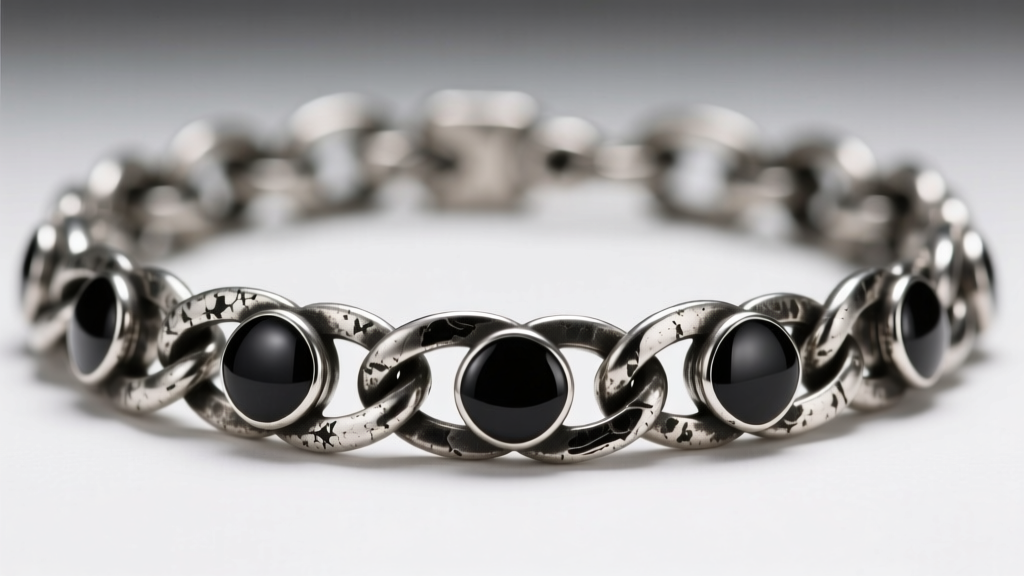
Sometimes, the "black" is the silver itself. Jewelers use liver of sulfur (potassium sulfide) to force a rapid, controlled tarnish, turning the silver black. The piece is then polished on the high spots, leaving the black patina in the recesses. This creates a stunning, gritty contrast. The failure mode here is friction: the black oxidation will naturally wear off over time on areas that rub against the skin or clothing, requiring periodic re-oxidation by a professional jeweler.
Chain Architecture and Clasp Mechanics
A black and silver necklace is only as strong as its weakest structural link. Black gemstones like spinel and onyx are often cut into large, dramatic cabochons or step-cuts, adding significant weight to the pendant.
Selecting the Right Chain Gauge
For pendants weighing between 8 and 15 grams, a chain gauge of 1.2mm to 1.8mm is mandatory. Box chains and Wheat (Spiga) chains are the most structurally sound options. Their interlocking, multi-directional links distribute weight evenly and resist kinking. Avoid snake chains entirely; their continuous, tubular structure is notoriously prone to permanent kinking when bent under the weight of a heavy black stone pendant.
Clasp Integrity
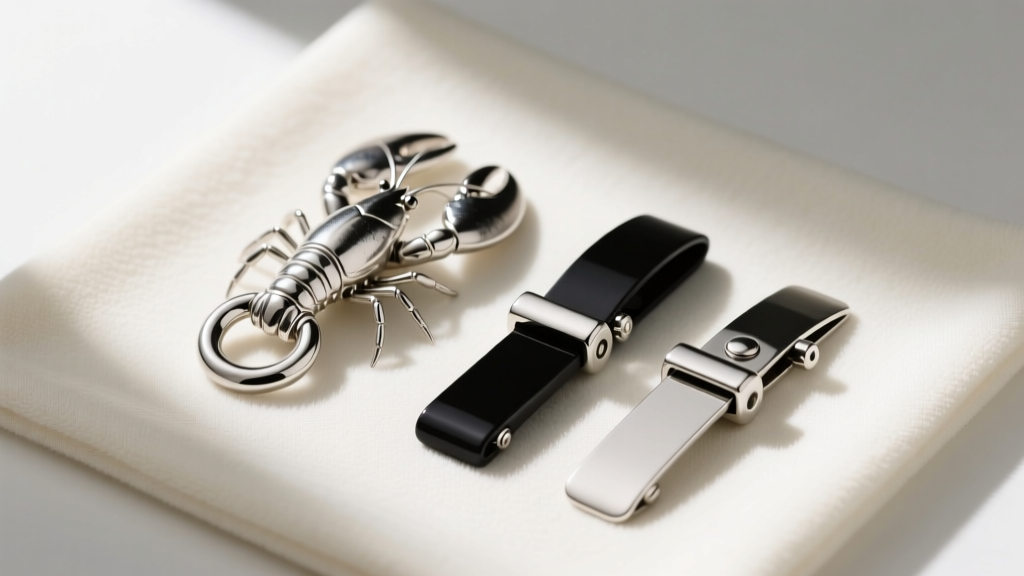
Standard spring-ring clasps are insufficient for heavy mixed-media necklaces. Look for a solid-cast lobster clasp with a heavy-duty jump ring, or a magnetic toggle clasp forged from neodymium magnets encased in 925 silver. Magnetic clasps are particularly useful for thick, oxidized silver chains where manipulating a tiny lobster clasp with one hand is frustrating.
Market Pricing and Value Tiers in 2026
Understanding the pricing matrix helps you identify whether a black and silver necklace is priced fairly based on its material reality.
| Material Combination | Mohs Hardness | Tarnish / Wear Resistance | Avg. Price Range (2026) | Best Use Case |
|---|---|---|---|---|
| 925 Sterling + Dyed Onyx | 6.5 - 7.0 | Low (Requires polishing) | $45 - $150 | Occasional wear, budget-friendly |
| Argentium 935 + Black Spinel | 8.0 | High (Germanium oxide layer) | $180 - $450 | Daily wear, low maintenance |
| 925 Sterling + Vitreous Enamel | N/A (Glass) | Medium (Shatter risk) | $120 - $350 | Art Deco styles, bold geometry |
| Oxidized Silver + Black Diamond | 10.0 | High (Patina wears, stone safe) | $600 - $2,500+ | Heirloom, high-impact statement |
Long-Term Care and Failure Mode Troubleshooting
Maintaining a black and silver necklace requires a bifurcated approach to cleaning, as the chemicals used to brighten silver can devastate black accents.
Expert Troubleshooting Tip: Never use liquid silver dip cleaners (thiourea-based solutions) on a necklace featuring black onyx or porous black pearls. These harsh chemicals will strip the dye from the onyx, leaving it a mottled, sickly gray. Furthermore, if your necklace features intentional oxidation (blackened silver recesses), liquid dips will instantly strip the black patina, ruining the contrast.
Instead, use a dry, treated silver-polishing cloth (infused with mild micro-abrasives) to carefully buff only the raised, polished areas of the silver. For the black gemstones, a simple wipe with a damp microfiber cloth and a drop of pH-neutral dish soap is sufficient to remove sebum and cosmetic buildup. According to the GIA's comprehensive Spinel guide, warm soapy water is entirely safe for black spinel, making it the most hassle-free black gemstone for active lifestyles.
Final Verdict: Matching the Piece to Your Lifestyle
When purchasing a black and silver necklace, your final decision should be dictated by your maintenance tolerance and daily environment. If you work in a clinical or corporate environment where jewelry is subjected to frequent sanitization or friction, an Argentium silver and black spinel combination offers bulletproof durability and zero tarnish anxiety. If you are a collector of artisanal, handcrafted jewelry who appreciates the evolving, lived-in look of oxidized metals and the moody depth of dyed onyx, a sterling silver and onyx piece will reward you with a unique, shifting patina over time. By prioritizing the metallurgical grade of the silver and the exact mineral composition of the black accent, you ensure your high-contrast necklace remains a striking staple in your wardrobe for decades.


