Safety Pin Necklace Mental Health: Styling & Skin Troubleshooting
Troubleshoot skin irritation, mechanical failures, and styling dilemmas with our expert guide to wearing a safety pin necklace for mental health.

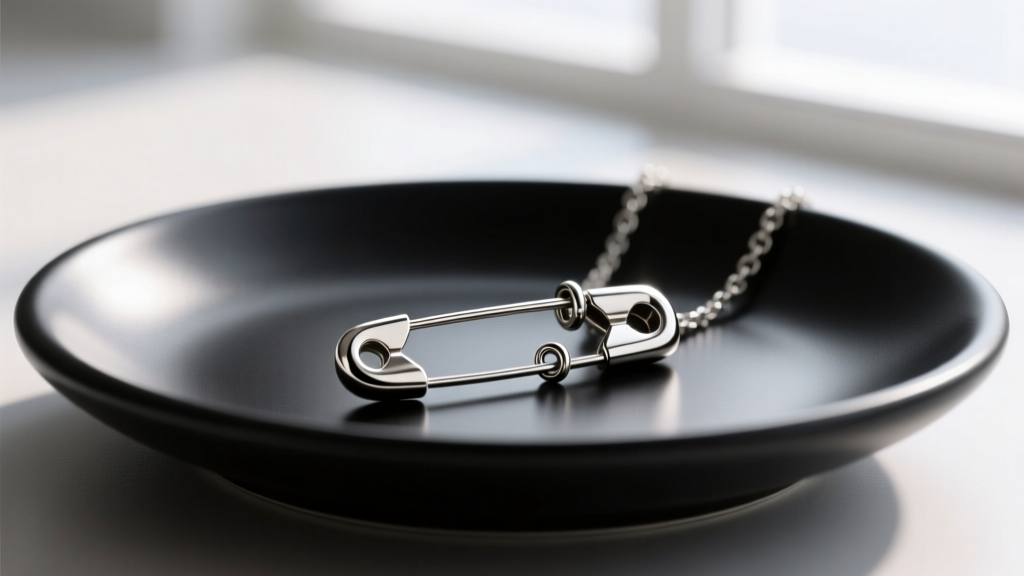
The safety pin has undergone a radical cultural evolution. What began as a subversive punk staple in the 1970s transformed into a symbol of solidarity in 2016, and today, it stands as a quiet, powerful emblem for mental health awareness. Wearing a safety pin necklace mental health symbol is a deeply personal choice, signaling to others that you are a safe space, an ally, or someone navigating your own mental health journey. However, translating an everyday hardware item into fine jewelry presents unique metallurgical, mechanical, and stylistic challenges.
In 2026, the conversation around mental health jewelry has shifted from overt, heavy slogans to subtle, meaningful symbolism. But many wearers face a triad of common problems: severe contact dermatitis from cheap alloys, mechanical clasp failures that lead to lost pendants, and the social dilemma of styling a utilitarian object without looking like a costume. This comprehensive troubleshooting guide will help you navigate these issues, ensuring your mental health symbol is safe for your skin, secure on your neck, and aligned with your personal aesthetic.
The Metallurgy Problem: Avoiding Contact Dermatitis
The most frequent issue reported by wearers of safety pin jewelry is skin irritation. Because the safety pin originated as a utilitarian object, fast-fashion brands often manufacture them from cheap zinc alloys or low-grade brass heavily plated with nickel. According to the Mayo Clinic, nickel allergy affects roughly 10% to 20% of the population, making it one of the most common causes of allergic contact dermatitis.
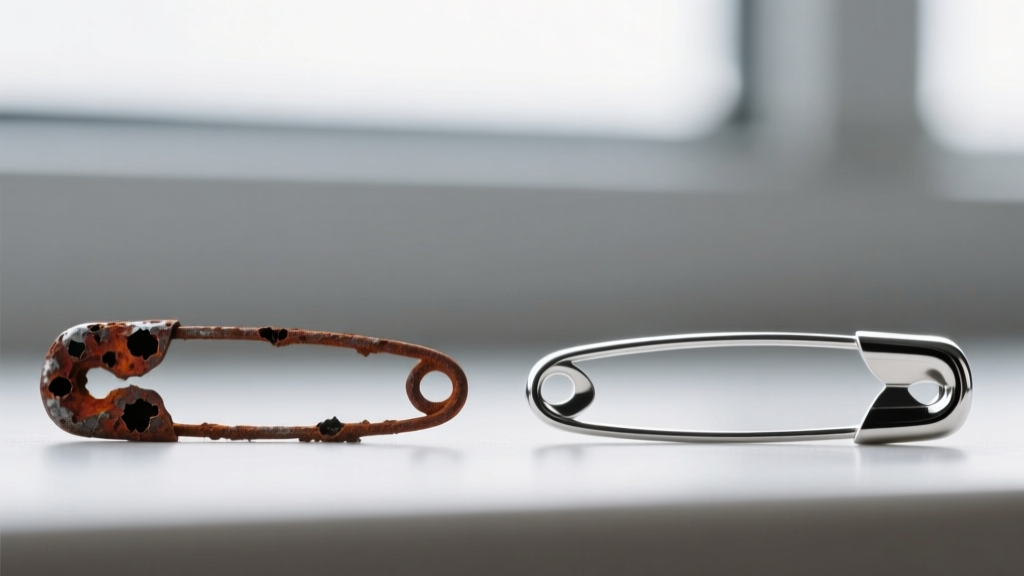
When sweat and skin oils interact with cheap base metals, the plating degrades, releasing nickel salts into the skin. This results in the dreaded "green neck," localized redness, and intense itching. To troubleshoot this, you must upgrade the metallurgy of your pendant.
Material Troubleshooting Matrix
| Material Grade | Nickel Content | Corrosion Resistance | Price Range | Best For |
|---|---|---|---|---|
| Zinc Alloy (Brass base) | High (in plating) | Poor (tarnishes/rusts) | $10 - $25 | Avoid entirely for daily wear |
| 316L Surgical Steel | Trace (8-10%) | Excellent | $30 - $60 | Most wearers without severe allergies |
| ASTM F136 Titanium | Zero | Superior (biocompatible) | $65 - $120 | Hyper-sensitive skin & piercings |
| Solid 14k/18k Gold | Varies by alloy | Excellent | $250 - $600+ | Luxury heirloom pieces |
The Expert Fix: If you have a known metal allergy, bypass 316L steel entirely. While surgical steel is generally safe, it still contains trace nickel. Opt for ASTM F136 Grade 5 Titanium. This is the exact medical-grade alloy used for surgical implants and fresh body piercings. It is entirely nickel-free, lightweight, and will never rust or turn your skin green.
Mechanical Failures: Troubleshooting the Clasp
A standard hardware store safety pin relies on a coiled spring at the base and a tension-fit cap at the clasp. When adapted into a necklace pendant, the constant friction against the jump ring and the movement of the wearer's body will inevitably weaken the spring tension. The result? The pin slips out of the cap, opens, and either scratches your chest or falls off entirely.
How to Secure Your Pendant
- Switch to a Locking Pin: Jewelry-grade safety pins feature a threaded barrel or a locking screw cap instead of a simple tension fit. The cap unscrews, allowing you to thread it onto a chain, and screws back on securely. This completely eliminates the risk of the pin springing open.
- The Jump Ring Problem: Never thread a thin chain directly through the coil of a safety pin. The friction will wear through the chain links over time. Instead, ensure the safety pin pendant has a soldered, fixed bail (a loop) at the top, or use a heavy-duty, split jump ring to connect the pin to your chain.
- Wire Wrapping for Vintage Pins: If you are using a vintage or sentimental safety pin that lacks a bail, use 20-gauge dead-soft sterling silver wire to create a secure, wrapped bail around the base of the pin coil. This protects the chain and keeps the pin oriented correctly on the chest.
The Signaling Dilemma: Contextual Styling Matrix
Wearing a safety pin necklace mental health symbol carries weight. While it is a beautiful way to show solidarity, the utilitarian nature of the object can sometimes clash with professional or formal attire, or be misinterpreted as an incomplete DIY project. The key to troubleshooting this stylistic dilemma lies in scale, finish, and layering.
Contextual Styling Guide
To wear your mental health symbol confidently across different environments, apply the following styling frameworks:
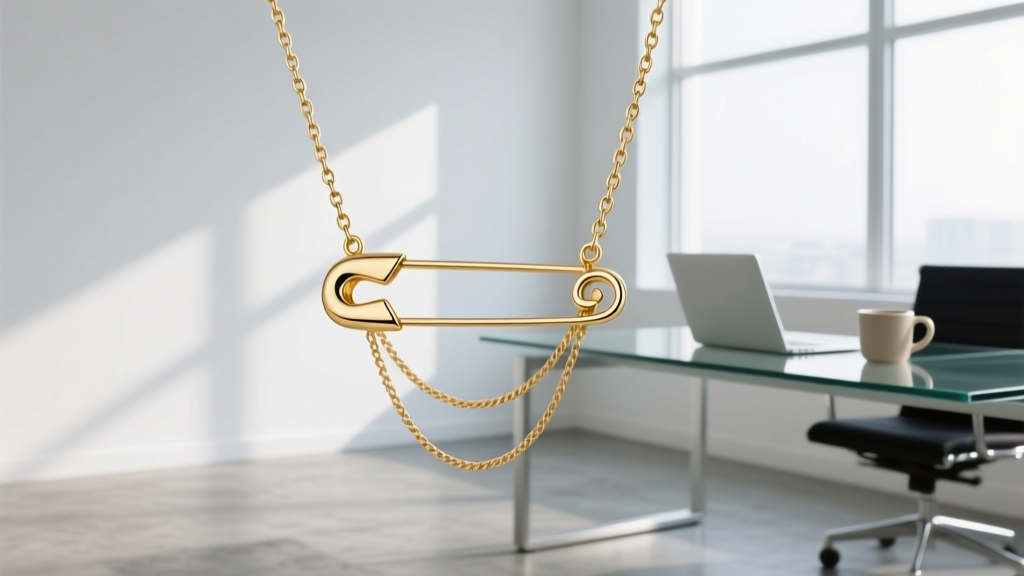
- The Corporate Environment: In conservative offices, a large, silver safety pin can read as too casual or punk. The Fix: Choose a miniature safety pin pendant (under 15mm in length) finished in PVD (Physical Vapor Deposition) gold. PVD coating is highly durable and provides a rich, subtle gold tone that blends seamlessly with traditional fine jewelry. Layer it on a 16-inch delicate cable chain with a small pearl or diamond solitaire necklace.
- Casual & Activism Spaces: When attending rallies, support groups, or casual gatherings, a larger, more industrial aesthetic is appropriate. The Fix: Opt for a 30mm to 40mm brushed titanium or matte black steel safety pin. Wear it on a heavier 20-inch rope or box chain. The matte finish reduces glare and gives the piece a grounded, serious tone that respects the mental health message.
- Formal & Evening Wear: The Fix: Elevate the concept by choosing a safety pin cast in solid 14k gold, perhaps featuring a single pavé-set diamond or a small sapphire (the traditional stone for mental health awareness and wisdom) embedded in the clasp cap. This transforms the symbol into a piece of high-end conversation jewelry.
Identifying Fast-Fashion Red Flags
As mental health awareness has become a prominent cultural conversation, many fast-fashion retailers have co-opted the safety pin symbol, churning out cheap, mass-produced pieces. Not only do these items cause the skin irritation detailed above, but purchasing them often contradicts the ethical and empathetic values that the mental health movement represents.
Troubleshooting Ethical Sourcing:
- Check the Findings: Look closely at the clasp of the necklace chain itself. If the brand uses a cheap, hollow lobster clasp that snags on your hair, the pendant is likely made of equally poor materials.
- Look for Transparency: Reputable independent jewelers and mental health advocates will clearly list their material grades (e.g., "Solid 14k Gold" or "Implant-Grade Titanium"). If the description simply says "gold-plated metal" without specifying the base metal, avoid it.
- Follow the Funding: Many authentic mental health jewelry brands partner with organizations like the American Academy of Dermatology for skin safety standards, or donate a percentage of profits to mental health charities like NAMI or The Trevor Project. Always verify these claims on the brand's "About" page.
Maintenance and Care Protocols
Even high-quality metals require maintenance, especially when worn close to the skin where they are exposed to lotions, perfumes, and sweat. To keep your mental health symbol looking pristine and functioning correctly, follow this strict care routine:
- Daily Wipe Down: After wearing your necklace, gently wipe the safety pin pendant with a microfiber cloth. This removes acidic skin oils that can degrade PVD coatings over time.
- Deep Cleaning (Bi-Weekly): Mix a few drops of mild, phosphate-free dish soap in warm water. Use a soft-bristled baby toothbrush to gently clean the coil and the inside of the clasp cap. Rinse thoroughly and dry completely with a lint-free cloth before storing.
- Avoid Ultrasonic Cleaners on Coated Metals: While ultrasonic cleaners are great for solid gold and plain titanium, the high-frequency vibrations and harsh chemicals can strip PVD gold or rose gold plating right off a safety pin pendant. Stick to manual, gentle cleaning.
- Lubricate the Threads: If your locking safety pin pendant features a screw-cap mechanism, apply a microscopic drop of mineral oil to the threads every six months to ensure the cap continues to screw on smoothly without cross-threading.
Conclusion: Wearing Your Symbol with Confidence
A safety pin necklace mental health piece is more than just a trend; it is a wearable commitment to empathy, awareness, and solidarity. By troubleshooting the common pitfalls of cheap metallurgy, upgrading to secure locking mechanisms, and styling the piece intentionally for your environment, you ensure that your necklace remains a source of pride rather than frustration. Invest in biocompatible materials, support ethical artisans, and wear your symbol safely and beautifully.


