What Is the Meaning of a Safety Pin Necklace and How to Style It
Discover what is the meaning of a safety pin necklace, from punk roots to solidarity. Follow our step-by-step guide to choosing and styling yours.

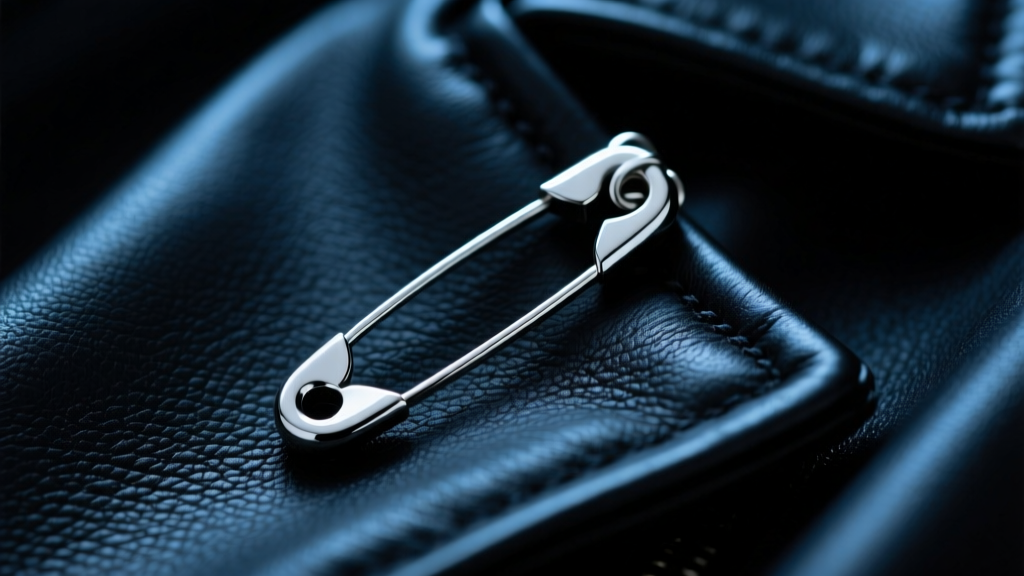
Decoding the Symbol: What Is the Meaning of a Safety Pin Necklace?
When you ask, "what is the meaning of a safety pin necklace", you are tapping into one of the most culturally loaded symbols in modern jewelry history. Unlike traditional gemstones or precious metal lockets, the safety pin carries a heavy socio-political and subcultural weight. To style it correctly, you must first understand the specific message you want to project. This step-by-step guide will walk you through the historical context, material selection, and styling techniques to ensure your necklace aligns with your intended aesthetic and meaning.
The Three Core Meanings Behind the Safety Pin
Before selecting your chain and pendant, identify which of the three primary historical meanings you wish to embody:
- The Punk Rebellion (1970s): Originating in the London punk scene, popularized by the Sex Pistols and designer Vivienne Westwood, the safety pin was a symbol of anti-establishment defiance, DIY ethics, and working-class grit. According to the Metropolitan Museum of Art's Punk: Chaos to Couture exhibition, it transformed a mundane domestic object into a weaponized fashion statement.
- The Solidarity Movement (2016): Following political shifts in the US and UK, wearing a safety pin became a quiet signal of allyship, indicating the wearer was a safe person for marginalized groups facing harassment. BBC News reported extensively on this grassroots campaign, noting it as a visual pledge of support.
- High-Fashion Subversion (Modern Era): Luxury houses like Alexander McQueen and Versace have appropriated the safety pin, stripping it of its danger and casting it in precious metals as a symbol of avant-garde luxury.
Step-by-Step Guide: Choosing Your Safety Pin Necklace
Building or buying the right safety pin necklace requires attention to metallurgical details and structural integrity. Follow these steps to make an informed purchase.
Step 1: Choose Cast Pendants Over Functional Pins
A critical mistake novices make is threading a functional sewing safety pin onto a chain. Functional pins are typically made from nickel-plated brass or low-grade steel, which will rust against your skin, cause contact dermatitis, and eventually snap open, risking injury or loss. Always opt for a cast jewelry pendant. A cast safety pin is laser-welded or molded completely shut, eliminating the spring mechanism and ensuring it lays flat against the sternum. Look for pendants that are 1.5mm to 2.5mm thick to mimic the heavy-duty look of a real pin without the sharp, functional point.
Step 2: Select the Right Metal Grade
The metal you choose dictates both the longevity of the piece and the subtlety of its meaning.
- 316L Surgical Stainless Steel: The ultimate choice for the punk revivalist. It contains molybdenum, making it highly resistant to corrosion and sweat. It is hypoallergenic, heavy, and budget-friendly ($20–$45). It maintains a cold, industrial gunmetal or bright silver shine that perfectly captures the 1970s DIY ethos.
- 925 Sterling Silver with Rhodium Plating: Best for the solidarity or minimalist aesthetic. Ensure the silver is plated with rhodium to prevent sulfur oxidation (tarnishing). This provides a brilliant, mirror-like finish that elevates the pin from a hardware store item to a refined accessory ($60–$120).
- 14k or 18k Solid Gold / Vermeil: Reserved for high-fashion layering. Gold completely subverts the original working-class meaning of the pin, turning it into an ironic luxury statement. Expect to pay $150+ for heavy vermeil and $600+ for solid gold.
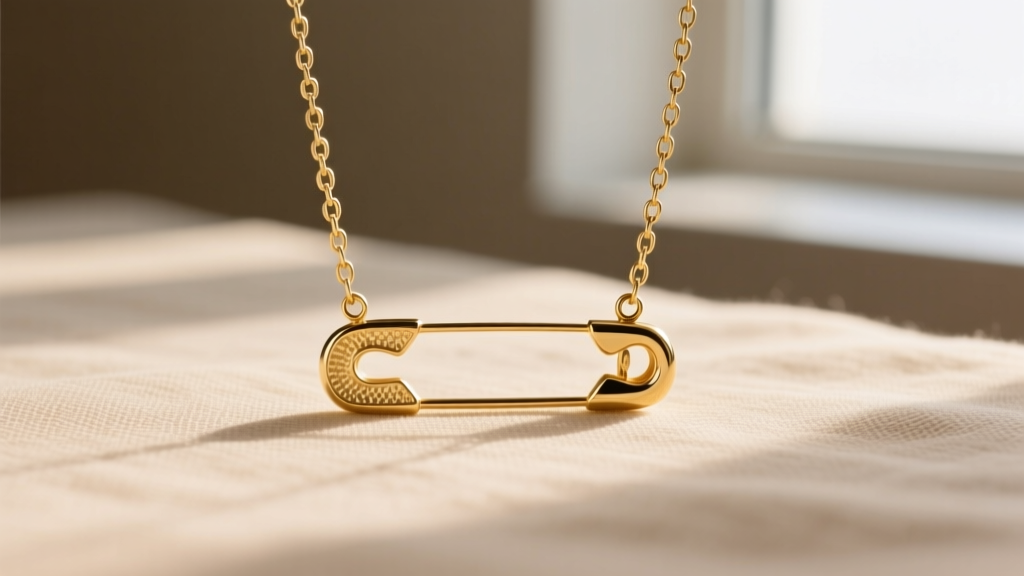
Step 3: Match the Chain to the Aesthetic
The chain is just as important as the pendant. A mismatched chain can dilute the visual impact of the safety pin.
- For Punk/Edgy Looks: Use a 3mm to 5mm stainless steel Curb or Figaro chain. The aggressive, interlocking links complement the industrial nature of the pin. Keep the length at 20 to 22 inches so it rests on the chest.
- For Solidarity/Minimalist Looks: Opt for a 1.2mm to 1.5mm Cable or Rolo chain in sterling silver. The delicate links create a stark, intentional contrast with the utilitarian pendant. Wear it at 16 or 18 inches to sit near the collarbone.
- For High-Fashion Layering: Mix a 2mm Snake chain with a 4mm Paperclip chain. The varying textures create a curated, editorial look.
Styling Guide: How to Wear Your Safety Pin Necklace
Now that you have selected the correct materials, here is how to style the necklace based on your chosen meaning.
The Punk Revivalist (Maximum Impact)
Pair a heavy 316L steel safety pin on a thick curb chain with a distressed graphic tee or a vintage leather moto jacket. Let the necklace be the sole focal point on your neck. To enhance the subversive aesthetic, mix the necklace with a 14-gauge stainless steel septum clicker or industrial ear bars. The goal is to maintain a cohesive, hardware-heavy aesthetic that honors the piece's anti-establishment roots.
The Subtle Solidarity Statement (Minimalist Elegance)
If you are wearing the pin as a modern symbol of allyship or personal resilience, keep it understated. Choose a small (15mm x 5mm) rhodium-plated sterling silver pin on a fine box chain. Wear it alone against a crisp white button-down shirt, a fine-knit turtleneck, or a tailored blazer. The small scale invites closer inspection, turning the necklace into a conversation starter rather than a loud broadcast.
The Avant-Garde Layering Technique (High Fashion)
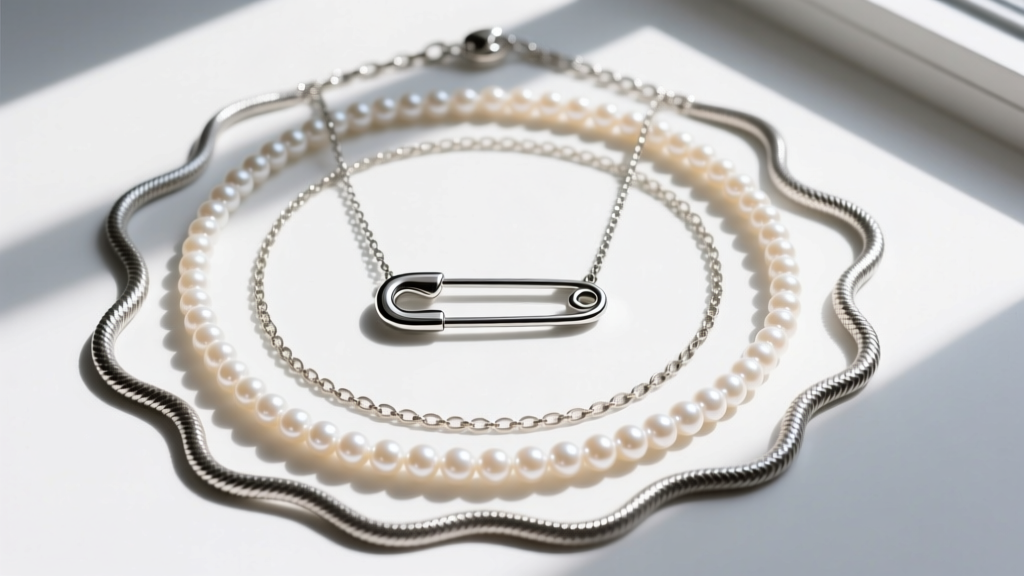
To channel the runway, use the safety pin as an anchoring piece in a complex layering setup. Start with a 14-inch pearl choker, add an 18-inch gold safety pin pendant, and finish with a 22-inch heavy snake chain featuring a geometric drop. The juxtaposition of the traditional pearls, the utilitarian safety pin, and the sleek gold snake chain creates a dynamic, high-low tension that is a hallmark of contemporary luxury styling.
Material & Durability Comparison Chart
Use this quick-reference table to determine which safety pin necklace material best suits your lifestyle and budget.
| Metal Type | Durability & Tarnish Resistance | Price Range (USD) | Best Aesthetic Match |
|---|---|---|---|
| 316L Surgical Steel | Exceptional; waterproof, sweat-proof, zero tarnish | $20 - $45 | Punk, Streetwear, Grunge |
| 925 Sterling Silver | High (if rhodium-plated); requires polishing cloth | $60 - $120 | Minimalist, Solidarity, Office |
| 14k Gold Vermeil | Moderate; plating may wear off after 1-2 years of daily use | $80 - $150 | High-Fashion, Layering |
| 14k/18k Solid Gold | Lifetime durability; can be polished indefinitely | $600 - $1,500+ | Luxury, Heirloom, Investment |
Care and Maintenance for Safety Pin Pendants
Even cast, non-functional safety pin pendants require specific care to maintain their sharp lines and polished finishes. Because the design features tight crevices (particularly where the "point" meets the "clasp" housing), dirt and skin oils can accumulate in the grooves.
Step-by-Step Cleaning Routine:
- Soak: Mix warm water with a few drops of mild, phosphate-free dish soap. Soak the necklace for 5 to 10 minutes to loosen debris in the clasp crevices.
- Brush: Use an ultra-soft baby toothbrush to gently agitate the grooves of the safety pin. Never use hard-bristled brushes on rhodium-plated silver or gold vermeil, as this will strip the finish.
- Rinse and Dry: Rinse thoroughly under lukewarm water. Pat dry with a lint-free microfiber cloth. Ensure the jump ring connecting the pin to the chain is completely dry to prevent localized oxidation.
By understanding the deep cultural roots of the safety pin and selecting the appropriate metallurgy and chain pairing, you transform a simple piece of hardware into a powerful, deeply personal sartorial statement.


