Samoa Ula Fala Necklace: A Beginner's Guide to Cultural Style
Discover the Samoa ula fala necklace. Learn about its pandanus fruit origins, cultural significance in fa'a Samoa, and how to wear this vibrant jewelry.

Introduction to the Samoa Ula Fala Necklace
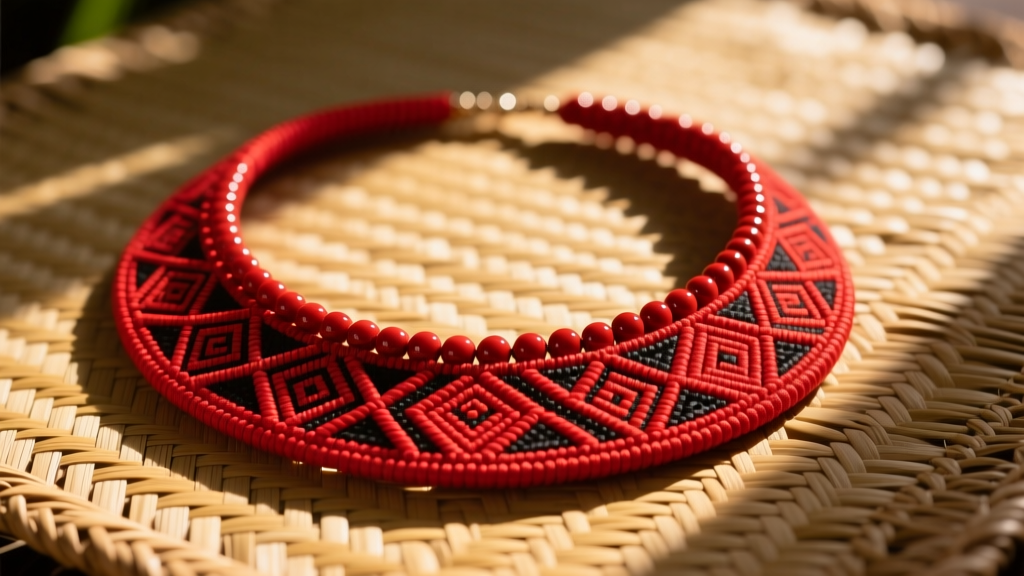
When exploring the rich tapestry of Pacific Islander adornment, few pieces command as much visual and cultural respect as the Samoa ula fala necklace. Unlike conventional metal or gemstone jewelry, the ula fala is a vibrant, organic masterpiece born directly from the land. Characterized by its striking red, orange, or yellow hues and unique textural profile, this necklace is far more than a simple fashion accessory. It is a profound symbol of Samoan heritage, celebration, and social standing.
For jewelry enthusiasts and cultural scholars alike, understanding the ula fala requires looking beyond standard gemological metrics. Instead, we must examine botanical origins, traditional crafting methodologies, and the strict cultural protocols of fa'a Samoa (the Samoan way). This beginner-friendly explainer will decode the anatomy, creation, and proper styling of the Samoa ula fala necklace, providing you with the deep contextual knowledge needed to appreciate and wear this remarkable piece of living history.
Botanical Origins: The Pandanus Tectorius Tree
To understand the necklace, one must first understand its source material. The ula fala is crafted from the fruit of the Pandanus tectorius tree, commonly known in Samoa as the fala (or hala in other Pacific regions). This resilient coastal tree produces a large, complex fruit known botanically as a syncarp.
The Anatomy of the Fruit
The pandanus syncarp is not a single fruit, but rather a cluster of dozens of individual wedge-shaped drupes, technically referred to as phalanges or "keys." When ripe, the fruit emits a highly fragrant, sweet aroma. However, for jewelry making, artisans do not use the fleshy, ripe fruit. Instead, they harvest the mature but firm phalanges, separating them from the core. Each individual key measures between 2 to 4 inches in length and features a tough, fibrous exterior that is ideal for drying and drilling.
According to botanical archives at the Smithsonian National Museum of Natural History, the utilization of pandanus for both sustenance and material culture is a cornerstone of Austronesian expansion, making the ula fala a direct link to ancient Pacific navigation and settlement.
From Tree to Treasure: The Crafting Process
Transforming raw pandanus keys into a polished Samoa ula fala necklace is a labor-intensive process that demands patience and generational expertise. The creation pipeline involves four distinct phases:
- Harvesting and Extraction: Artisans select mature fruit clusters. The individual phalanges are carefully pried apart or chopped from the central core using a machete or traditional shell tools.
- Preparation and Drying: The fleshy inner pulp is scraped away to prevent rot and insect infestation. The fibrous keys are then left to sun-dry for several weeks. This crucial curing process hardens the exterior, turning it into a wood-like material that can withstand drilling.
- Dyeing: Traditionally, the keys were dyed using natural resources. Nonu (Morinda citrifolia) root bark was boiled to produce deep reds and oranges, while turmeric yielded vibrant yellows. Today, while some traditionalists still use natural dyes, many artisans utilize high-quality synthetic fabric dyes to achieve the hyper-vibrant, colorfast reds seen in modern ceremonial wear.
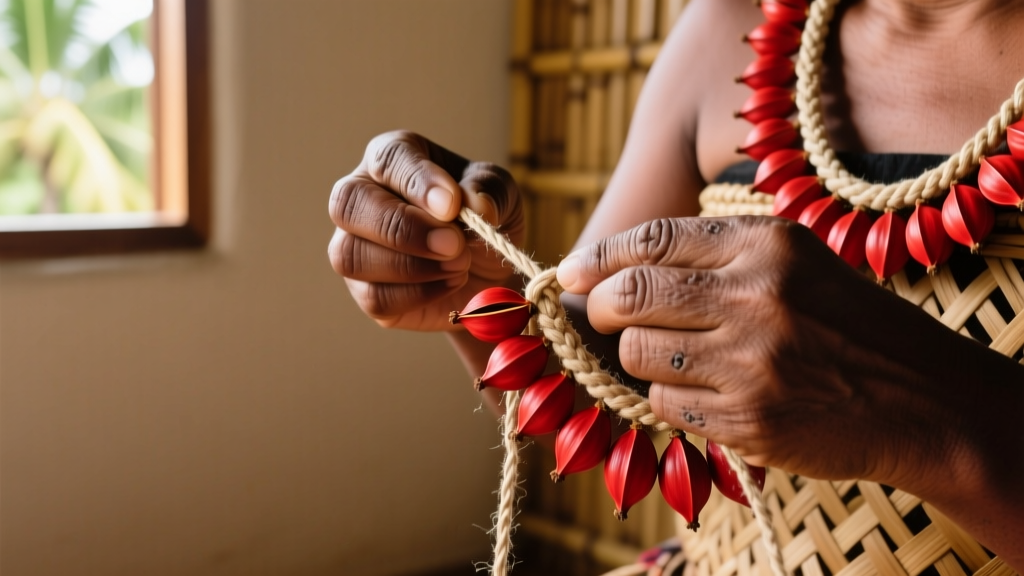
- Drilling and Stringing: Once dyed and fully cured, a hole is drilled through the top of each key. Historically, these were strung on 'afa (hand-rolled coconut sennit cord). Modern iterations often use heavy-duty cotton or waxed nylon for increased tensile strength and longevity.
Cultural Significance and Protocol in Fa'a Samoa
In Western jewelry contexts, a necklace is primarily an aesthetic choice. In Samoa, the ula fala is a marker of occasion, respect, and identity. It is deeply embedded in fa'a Samoa, the traditional socio-political and cultural framework of the Samoan people.
When is the Ula Fala Worn?
The necklace is strictly reserved for joyous, high-status, or deeply significant events. You will frequently see the Samoa ula fala necklace worn during:
- The 'Ava Ceremony: A sacred ritual of welcome and respect where chiefs (matai) and honored guests are presented with the ceremonial kava drink. Wearing the ula fala signifies the gravity of the occasion.
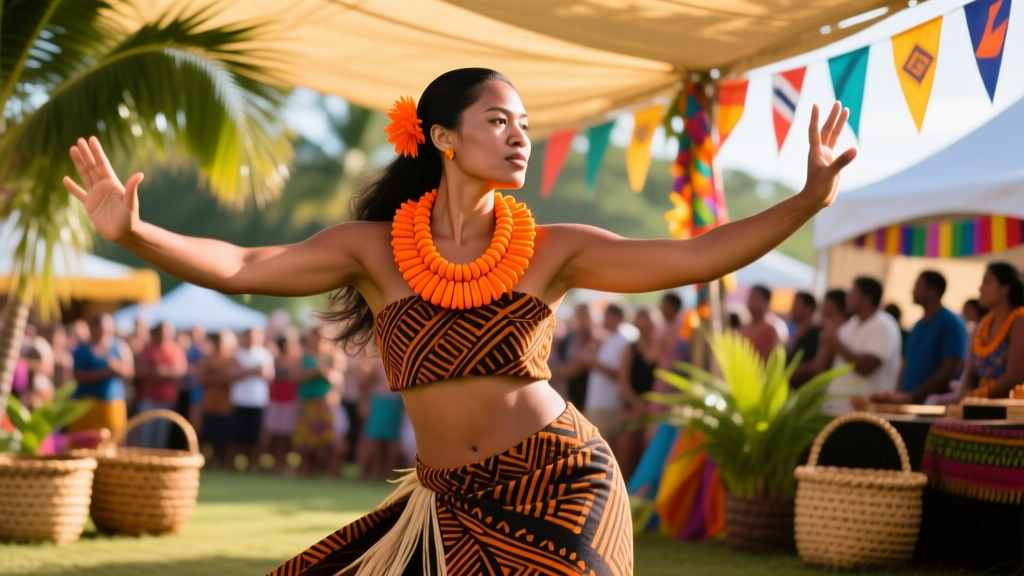
- Siva (Traditional Dance): Both male and female dancers wear the necklaces to accentuate their movements. The bright colors contrast beautifully against traditional ie lavalava (wraparound garments) and oiled skin.
- White Sunday and Church Services: During major religious and family celebrations, children and adults alike don the necklaces as a sign of spiritual joy and communal pride.
- Graduations and Weddings: It is common for graduates to receive an ula fala in lieu of, or in addition to, a traditional floral lei, as the dried fruit lasts indefinitely compared to wilting flowers.
For further reading on Pacific adornments and their social functions, the Museum of New Zealand Te Papa Tongarewa offers extensive archives on how organic materials denote rank and celebration across Polynesia.
Sizing Guide: Choosing Your Ula Fala Length
Because the pandanus keys are rigid and do not drape like a metal chain, the length of a Samoa ula fala necklace drastically alters its silhouette and use case. Unlike flexible chains, the ula fala sits as a structured collar or cascading loop. Below is a structural sizing guide to help you choose the right fit.
| Length Category | Measurement (Inches) | Visual Placement | Best Use Case |
|---|---|---|---|
| Choker / Collar | 16" - 18" | Sits tightly at the base of the neck | Male dancers, formal 'ava ceremonies |
| Princess | 20" - 24" | Rests on the upper collarbone | Everyday cultural wear, weddings |
| Matinee | 26" - 30" | Falls to the upper chest | Female dancers, graduation gifts |
| Opera / Cascading | 32" - 40" | Drapes over the chest and stomach | High-choreography siva, layered looks |
Authentic Handcrafted vs. Commercial Souvenir Necklaces
As global interest in Pacific Islander aesthetics grows, the market has seen an influx of mass-produced imitations. For collectors and culturally conscious buyers, distinguishing between an authentic Samoa ula fala necklace and a commercial replica is vital.
| Feature | Authentic Handcrafted Ula Fala | Commercial / Souvenir Replica |
|---|---|---|
| Material | 100% dried Pandanus tectorius phalanges | Painted wood, plastic, or resin molds |
| Weight | Lightweight but structurally dense | Unnaturally heavy (plastic) or overly brittle (cheap wood) |
| Cordage | Waxed cotton, nylon, or traditional 'afa sennit | Thin synthetic fishing line or cheap elastic |
| Scent | Faint, earthy, dried-fruit aroma | Chemical paint smell or completely odorless |
| Price Range | $45 - $150+ USD (depending on length and dye) | $10 - $25 USD |
Care, Storage, and Longevity
While the pandanus fruit is remarkably durable once cured, it remains an organic material susceptible to environmental factors. Proper care ensures your necklace remains vibrant for decades.
Moisture and Humidity Control
The greatest enemy of the ula fala is prolonged moisture. Never wear your necklace in the rain, at the beach, or in high-humidity environments like a sauna. If the dried fruit absorbs excess moisture, it can swell, soften, and eventually develop mold. If your necklace does get wet, immediately pat it dry with a microfiber cloth and lay it flat in a well-ventilated, shaded area.
Storage Protocols
Do not hang the necklace on a standard jewelry hook for long periods, as the rigid keys can warp the stringing material over time. Instead, store it flat in a breathable cotton bag. Include a few silica gel packets in the storage container to passively absorb ambient humidity. Keep the necklace out of direct, prolonged sunlight when not in use, as UV rays will eventually bleach the vibrant red and orange dyes into a muted pink or tan.
Conclusion: Wearing the Ula Fala with Respect
The Samoa ula fala necklace is a triumph of indigenous engineering and artistic expression. It bridges the gap between the natural world and human celebration, transforming a humble coastal fruit into a symbol of immense cultural pride. Whether you are acquiring one for a Pacific studies collection, as a meaningful graduation gift, or to participate in a cultural festival, understanding its botanical roots and social weight elevates the experience. By respecting the craftsmanship and adhering to proper care protocols, you ensure that this vibrant piece of Samoan heritage continues to tell its story for generations to come.


