Samoan Necklace Value Guide: Pricing & Authenticity in 2026
Discover the true value of a Samoan necklace in 2026. Learn pricing tiers, how to spot authentic shell and bone, and avoid tourist traps.

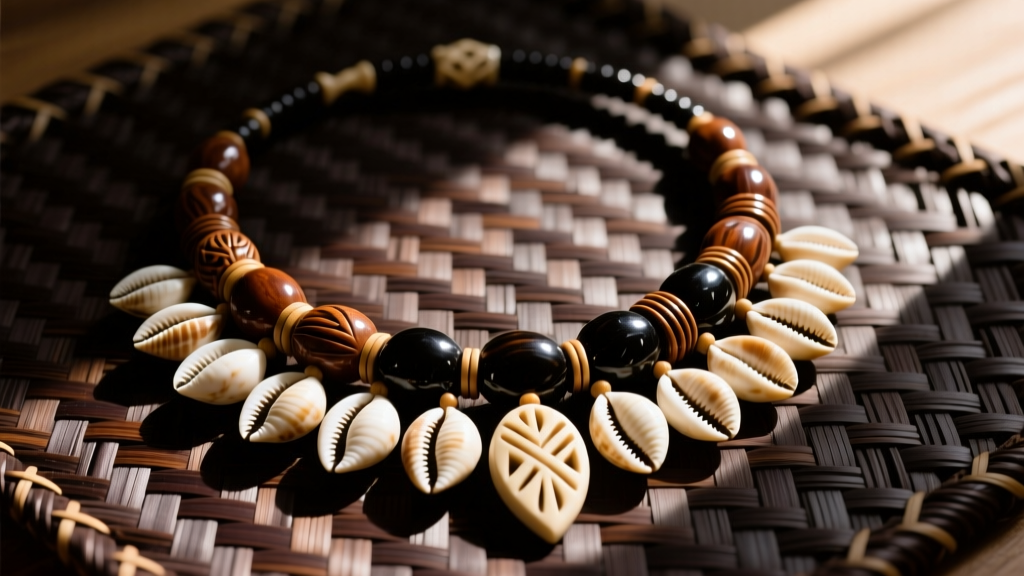
The Cultural Weight and Market Value of Samoan Necklaces
When evaluating a Samoan necklace, you are not merely looking at an accessory; you are assessing a piece of Pacific Islander heritage. Traditional Samoan adornments, often referred to as ula (lei or necklaces), have historically been crafted from organic materials native to the region, including shells, seeds, feathers, and carved bone. In 2026, the market for these pieces is sharply divided between mass-produced tourist souvenirs and authentic, artisan-crafted heirlooms. Understanding the budget and value assessment of these necklaces requires a deep dive into material provenance, ethical sourcing, and structural integrity.
According to the Te Papa Tongarewa Pacific collections, traditional adornments were historically used to denote social status, lineage, and spiritual protection. Today, while the spiritual context remains for locals, the global market has commodified the aesthetic. This guide will help you navigate the 2026 pricing landscape, ensuring you pay a fair price for genuine organic materials while avoiding overpriced synthetic imitations.
Material Breakdown and 2026 Price Tiers
The value of a Samoan necklace is intrinsically tied to its raw materials and the labor required to shape them. Organic materials react differently to environmental stressors, and their rarity dictates the baseline cost. Below is a structured assessment of the most common materials used in contemporary and traditional Samoan necklaces.
| Material | Average Price Range (2026) | Durability & Failure Modes | Best For |
|---|---|---|---|
| Polished Cowrie & Puka Shells | $45 - $120 | High durability; prone to chipping if dropped on hard surfaces. | Everyday wear, beach environments. |
| Carved Bovine Bone | $80 - $250 | Moderate; will warp or crack if soaked in water or exposed to extreme heat. | Statement pendants, cultural gifts. |
| Coconut Shell (Ipu) | $30 - $90 | Low moisture resistance; prone to micro-fractures in climates with humidity below 30%. | Lightweight layering, casual bohemian styles. |
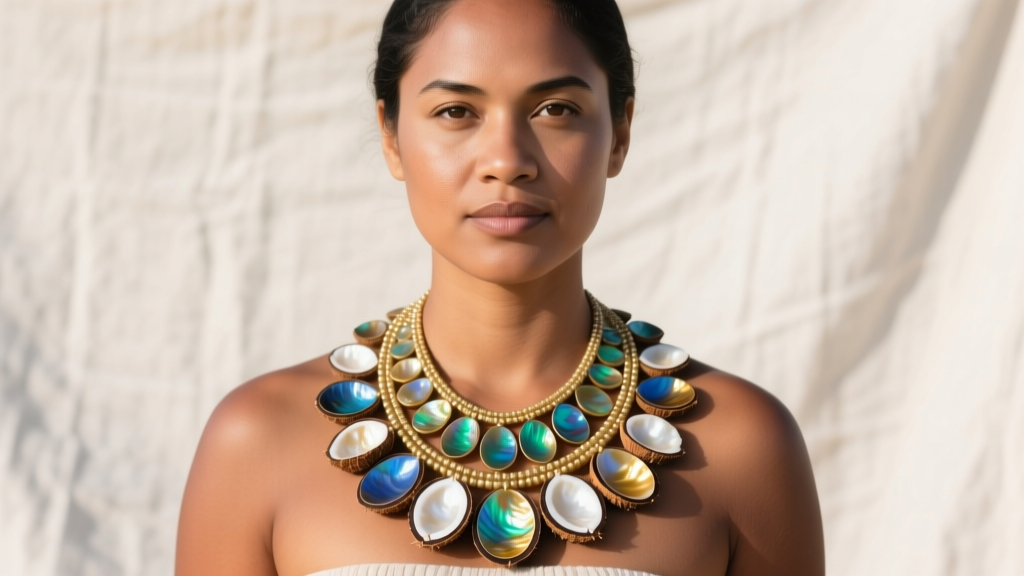
| Mother-of-Pearl (Tio) | $150 - $400+ | Delicate; highly susceptible to etching from perfumes, acids, and skin oils. | Formal occasions, heirloom investments. |
| Resin / Plastic Imitations | $10 - $25 | High physical durability, but UV exposure causes irreversible yellowing and brittleness. | Costume jewelry, temporary festival wear. |
Traditional Shells and Seeds
Authentic ula necklaces often utilize 8mm to 12mm cowrie shells or job's tears seeds. A genuine, hand-strung shell necklace requires hours of drilling and polishing. In 2026, a high-quality, 20-inch strand of uniformly polished cowrie shells from a verified Samoan artisan typically retails between $85 and $120. If you find a similar-looking strand for $15, it is almost certainly machine-tumbled and strung on cheap elastic rather than traditional braided sennit (coconut fiber) or heavy-duty nylon.
Carved Bone and Ethical Alternatives
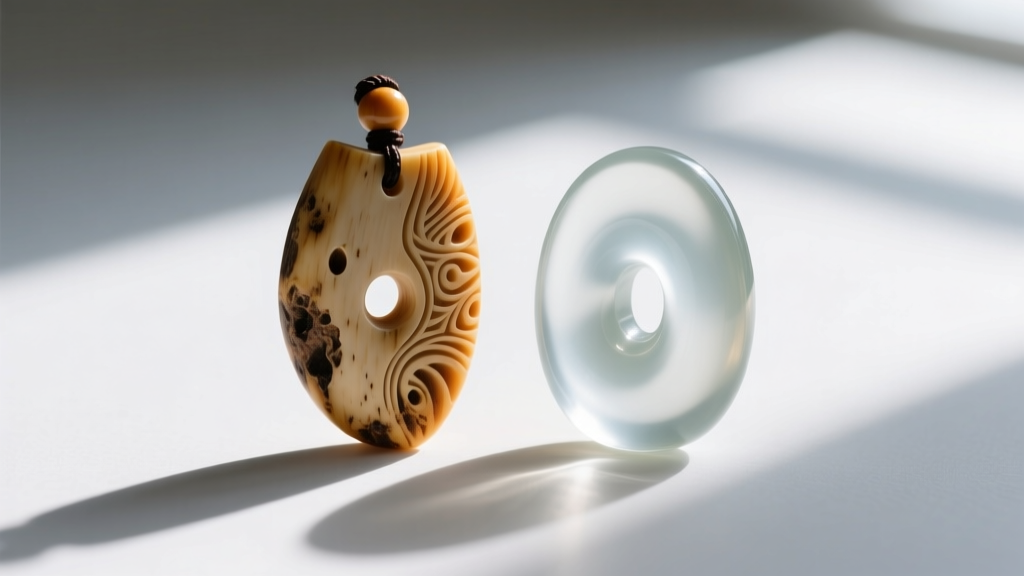
Historically, whale bone and hawksbill turtle shell were prized for carving pendants. Today, due to strict CITES regulations and global conservation efforts, authentic Samoan carvers have pivoted to ethically sourced bovine bone and tagua nut. Hand-carved bone pendants featuring traditional motifs like the fa'aila (sail) or ta'ovala patterns require immense skill. The Samoa Tourism Authority actively promotes local artisan markets where these ethical carvings are sold directly by the creators, ensuring the premium you pay ($150+) supports the local economy rather than overseas factories.
The Authenticity Test: Organic vs. Synthetic
The most common trap for buyers in the Pacific Islander jewelry market is purchasing cast resin disguised as carved bone or polished shell. Mass-market vendors often use molds taken from authentic pieces to produce identical copies in polyurethane resin. Here is how to conduct a field assessment to verify your Samoan necklace:
- The Temperature Test: Genuine bone and shell are thermal conductors. When pressed against your cheek or the inside of your wrist, they will feel distinctly cool to the touch and take several seconds to warm up. Resin and plastic will feel room-temperature or slightly warm immediately.
- The Visual Pore Inspection: Using a jeweler's loupe or your smartphone's macro lens, examine the surface of a carved pendant. Genuine bovine bone features microscopic vascular channels (pores) and subtle grain variations. Resin will appear perfectly uniform, often with tiny, perfectly spherical air bubbles trapped near the edges of the mold.
- The Weight Differential: Shell and bone have a higher specific gravity than standard casting resins. A 40mm carved bone pendant should feel surprisingly heavy and dense in the palm of your hand compared to a plastic equivalent of the exact same dimensions.
For definitive identification of rare organic gems and shells, consulting resources like the GIA Gem Encyclopedia can provide advanced gemological data on structural properties and refractive indices of natural pearl and shell materials.
Sourcing: Artisan Direct vs. Tourist Markups
Where you purchase your Samoan necklace drastically alters its value proposition. Buying from a resort gift shop in Upolu or a generic online marketplace often results in a 300% to 500% markup on imported, non-Samoan manufactured goods. These pieces frequently feature laser-etched designs rather than deep, hand-carved reliefs.
To secure true value, seek out direct-to-consumer Pacific artisan cooperatives or visit established local markets such as the Maketi Fou in Apia. When buying online in 2026, look for sellers who provide video proof of the carving process, specify the exact origin of their materials, and use traditional lashing techniques rather than metal jump rings and glue. A necklace finished with hand-braided coconut sennit cord not only holds higher cultural value but also offers superior tensile strength compared to cheap cotton threads that rot in humid environments.
Care and Preservation of Organic Adornments
Protecting the financial and cultural investment of a Samoan necklace requires specific maintenance protocols. Organic materials are hygroscopic, meaning they absorb and release moisture from the air.
Preventing Structural Failure
If you live in a dry, climate-controlled environment (humidity below 35%), coconut shell and carved wood components are at high risk of developing micro-fractures. To prevent this, store your necklace in a sealed pouch with a small, dampened terracotta humidity bead. Conversely, bone and shell should never be worn in chlorinated pools or hot tubs; the harsh chemicals will strip the natural oils, leaving the material chalky, brittle, and prone to delamination.
Surface Maintenance
Mother-of-pearl (tio) requires the most delicate care. The nacreous layer is incredibly thin and can be permanently etched by the acids in human sweat or the alcohol in perfumes. Always put your Samoan necklace on after applying cosmetics and fragrances. To clean shell and bone, wipe them gently with a barely damp microfiber cloth and occasionally rub a microscopic drop of pure jojoba oil into the bone to prevent drying and cracking. Avoid ultrasonic cleaners entirely, as the high-frequency vibrations will shatter natural shell structures.
Final Verdict on Value
A genuine Samoan necklace is a masterclass in organic jewelry design. While the initial budget for an authentic, hand-carved bone or premium shell piece may range from $100 to $300, its longevity, cultural resonance, and ethical sourcing make it a vastly superior investment compared to disposable, mass-produced alternatives. By prioritizing material authenticity, supporting direct artisan channels, and adhering to strict organic care protocols, you ensure that your adornment remains a vibrant, enduring testament to Pacific craftsmanship.


