The Sams Diamond Necklace Trend: 2026 Y2K Solitaire Guide
Explore the 2026 Sams diamond necklace trend. Learn about micro-chain gauges, bezel settings, layering techniques, and exact pricing for this Y2K staple.

The Resurgence of the Sams Diamond Necklace
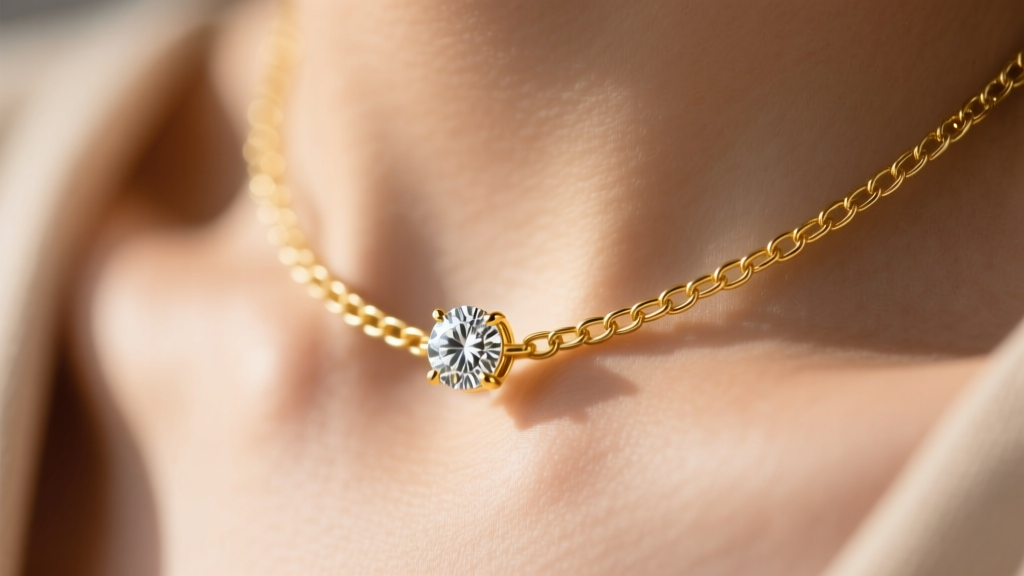
In the ever-shifting landscape of fine jewelry, few pieces capture the zeitgeist quite like the Sams diamond necklace. Originally popularized in the early 2000s as a hallmark of Y2K minimalism, this ultra-delicate solitaire pendant has roared back into the mainstream for 2026. Characterized by its micro-gauge chain and unassuming, solitary diamond, the Sams diamond necklace represents a departure from the heavy, maximalist layering trends of the early 2020s, favoring instead a 'barely-there' aesthetic that catches the light with subtle, deliberate precision.
As a staple in the modern jewelry wardrobe, understanding the exact specifications, metallurgical requirements, and styling frameworks of this piece is crucial for both collectors and everyday wearers. This comprehensive guide breaks down the anatomy, pricing, and care protocols for the definitive Sams diamond necklace in 2026.
Anatomy of the Sams Diamond Necklace
The defining feature of the Sams diamond necklace is its extreme delicacy. Unlike standard pendant necklaces that utilize 1.5mm to 2.0mm chains, the authentic Sams silhouette relies on micro-chains ranging from 0.8mm to 1.2mm in width. This creates an optical illusion where the diamond appears to float directly on the skin.
Chain Gauge and Tensile Strength
At 0.8mm, a standard cable or box chain is exceptionally fragile. The tensile strength of a 0.8mm 14k gold chain maxes out at approximately 4.5 pounds of pressure before the links begin to warp or snap. Because of this, jewelers strongly recommend avoiding 18k gold for chains under 1.0mm; the higher pure gold content makes the alloy too soft for daily wear at micro-gauges. Platinum 950 is an excellent alternative for durability, though it adds significant weight and cost.
The Diamond: Specs and Settings
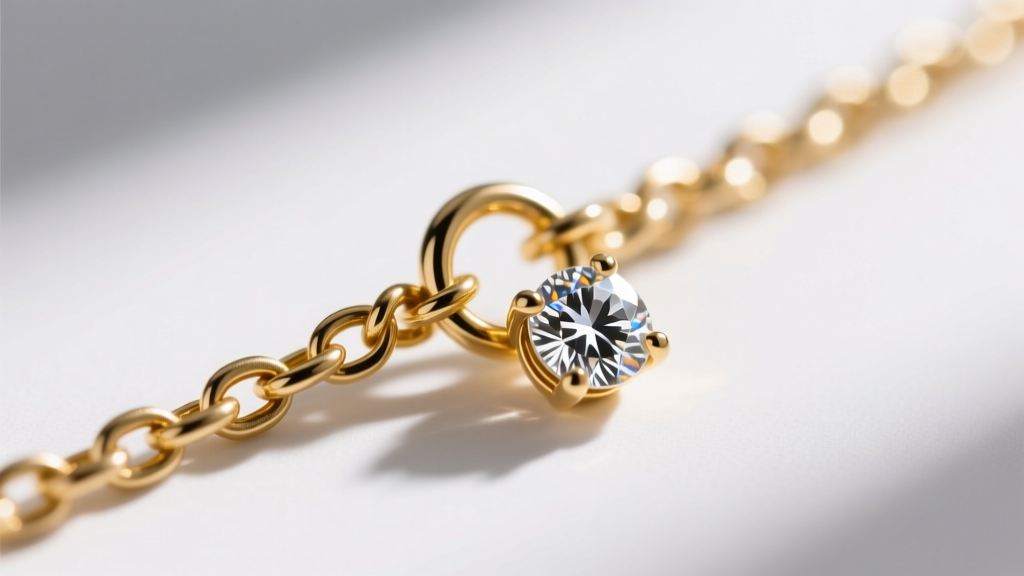
The pendant typically features a round brilliant cut diamond ranging from 0.15 carats to 0.25 carats. In 2026, the bezel setting has overtaken the traditional four-prong setting for this specific style. A bezel setting encircles the diamond's girdle in a thin rim of metal, which not only protects the stone from snagging on knitwear but also adds roughly 0.5mm of visual spread, making a 0.15ct diamond face up closer to a 0.20ct stone. According to GIA diamond grading standards, because the stone is small, prioritizing an 'Excellent' or 'Very Good' cut grade is far more critical than chasing VVS clarity; a VS2 or SI1 clarity grade with a G-H color will face up completely eye-clean in a micro-bezel setting.
Material Grades and 2026 Pricing Matrix
The market for the Sams diamond necklace has been heavily influenced by the stabilization of the lab-grown diamond sector. Below is a comparative matrix detailing the expected retail pricing and material specifications for authentic, high-quality iterations of this trend in the current market.
| Metal Type | Chain Gauge | Diamond Origin (0.20ct) | Est. 2026 Price Range | Durability Score (1-10) |
|---|---|---|---|---|
| 14k Yellow Gold | 0.9mm Box Chain | CVD Lab-Grown (F/VS1) | $350 - $480 | 6.5 |
| 14k White Gold | 1.0mm Cable Chain | Natural Earth-Mined (G/VS2) | $650 - $850 | 7.0 |
| Platinum 950 | 1.1mm Box Chain | HPHT Lab-Grown (E/VVS2) | $550 - $700 | 9.5 |
| 18k Rose Gold | 0.8mm Snake Chain | CVD Lab-Grown (F/VS2) | $400 - $520 | 4.0 |
As noted in recent JCK Online market reports, the price differential between natural and lab-grown diamonds in the sub-0.30ct category has narrowed significantly, making high-color, high-clarity lab stones the default choice for minimalist micro-pendants where optical purity is paramount.
The 2026 Layering Framework
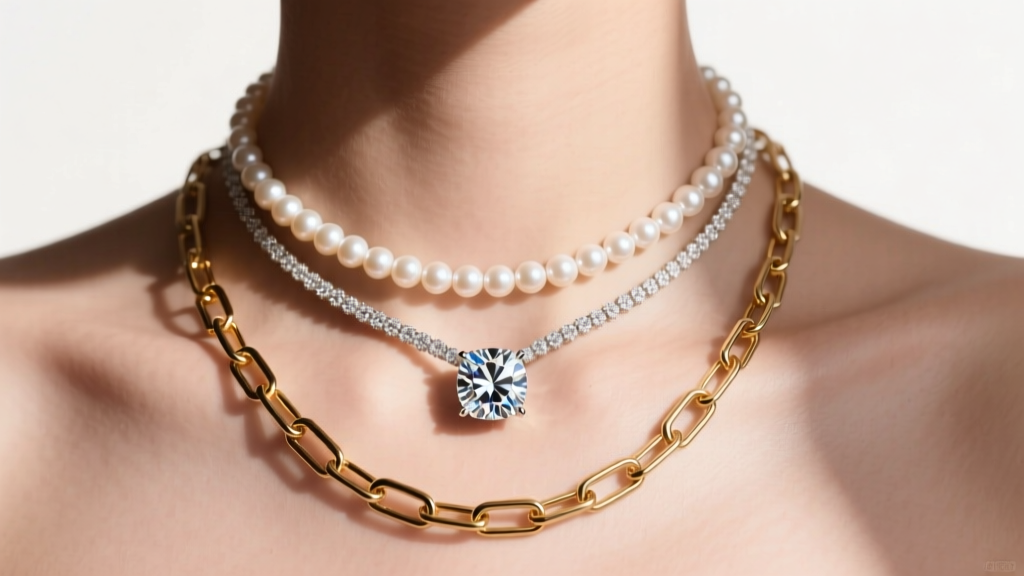
While the Sams diamond necklace is a masterpiece of standalone minimalism, its true versatility shines in structured layering. The 'Cascade Method' is the industry-standard approach for styling micro-solitaires without tangling or visual clutter.
- The Anchor (14 inches): Start with a textured, non-diamond choker. A 14-inch oxidized silver bead chain or a micro-pearl strand provides a matte or organic contrast to the diamond's brilliance.
- The Focal Point (15.5 to 16 inches): The Sams diamond necklace sits perfectly in the hollow of the collarbone at this length. Ensure the jump ring connecting the diamond pendant is soldered shut to prevent it from slipping through the chain links of adjacent necklaces.
- The Frame (18 to 20 inches): Finish with a heavier, structural chain, such as a 2.5mm gold paperclip or Cuban link chain. This draws the eye downward and frames the delicate solitaire, emphasizing its fragility and precision.
A critical rule of thumb: maintain a minimum 1.5-inch difference between layered chains. Anything less will result in continuous friction, which can wear down the micro-links of the Sams necklace over time.
Clasp Mechanics and Hardware
The hardware on a Sams diamond necklace must be proportionate to the micro-chain. Standard lobster clasps are often too heavy and visually disruptive. Instead, look for a 4mm or 5mm spring-ring clasp. Spring rings are lighter, maintain a symmetrical profile, and are less likely to catch on hair or silk garments. However, because the internal spring mechanism in micro-clasps is tiny, they require careful handling. Always ensure the jump ring on the opposing end is fully soldered; an open jump ring will easily slip through the tiny loop of a spring-ring clasp, resulting in lost jewelry.
Care, Maintenance, and Failure Modes
Owning a micro-gauge diamond necklace requires a shift in daily habits. The most common failure mode for the Sams diamond necklace is 'sleep-snapping.' Tossing and turning can exert sudden, sharp torque on the 0.8mm links, easily exceeding the 4.5-pound tensile limit. Always unclasp the necklace before sleeping.
For cleaning, avoid ultrasonic cleaners if your pendant features any secondary micro-pave accents on the bail. The high-frequency vibrations can loosen stones set in micro-prongs. For a standard bezel-set solitaire, ultrasonic cleaning is safe, but a gentler approach is often preferred: soak the piece in a solution of warm water and a few drops of degreasing dish soap (like Dawn) for ten minutes, then gently agitate with an extra-soft baby toothbrush. Rinse with distilled water to prevent hard water spots on the diamond's table, and dry with a lint-free microfiber cloth.
By respecting the metallurgical limits and adhering to precise styling frameworks, the Sams diamond necklace remains an enduring, luminous fixture in the 2026 jewelry landscape, proving that true luxury often lies in the most understated details.


