Styling a Beaded Necklace White: A Beginner's Guide
Discover how to choose, style, and care for a beaded necklace white. Learn material differences, stringing anatomy, and neckline pairing in this guide.

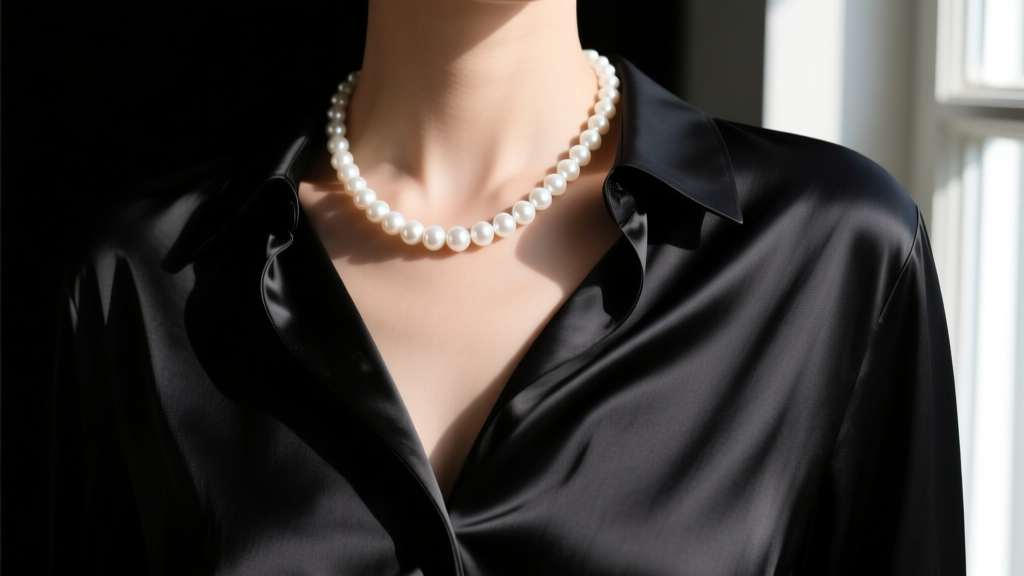
When building a capsule jewelry collection, a beaded necklace white in color is arguably the most versatile anchor piece you can own. Whether you are drawn to the organic luster of freshwater pearls, the opaque matte finish of howlite, or the brilliant sparkle of faceted glass, white beads reflect light beautifully and complement every skin tone. However, not all white beads are created equal. The difference between a $15 acrylic strand and a $150 pearl necklace lies in material grading, stringing anatomy, and proper care.
This beginner-friendly explainer will demystify the world of white beaded necklaces. We will break down exact material specifications, hardware failure modes, and practical styling frameworks so you can invest in pieces that last.
Decoding Materials: What is Your White Bead Made Of?
The term "white bead" encompasses a vast range of geological and synthetic materials. Understanding the Mohs hardness scale and porosity of your beads is critical for predicting how they will wear over time. Here is a breakdown of the four most common white bead materials on the market today.
| Material | Mohs Hardness | Avg. Price Range | Durability & Traits |
|---|---|---|---|
| Freshwater Pearl | 2.5 - 3.0 | $50 - $250+ | Organic nacre. High luster, but highly susceptible to acids and perfumes. |
| Howlite | 3.5 | $20 - $60 | Porous borate mineral. Often stabilized. Matte finish, prone to oil staining. |
| Glass / Crystal | 5.5 - 6.0 | $30 - $90 | Lead-free crystal or molded glass. High durability, excellent light refraction. |
| Acrylic / Resin | 2.0 | $10 - $30 | Lightweight polymer. Scratches easily and can yellow with prolonged UV exposure. |
Pro-Tip for Pearls: When shopping for freshwater pearls, look for a nacre thickness of at least 0.8mm. According to the Gemological Institute of America (GIA), nacre thickness directly dictates the pearl's longevity and depth of luster. Thin-nacre pearls (under 0.4mm) will eventually peel or crack.
Stringing and Hardware: The Hidden Anatomy
A beaded necklace is only as strong as its stringing material. Many beginners focus entirely on the beads and ignore the structural integrity of the strand, leading to catastrophic snaps.
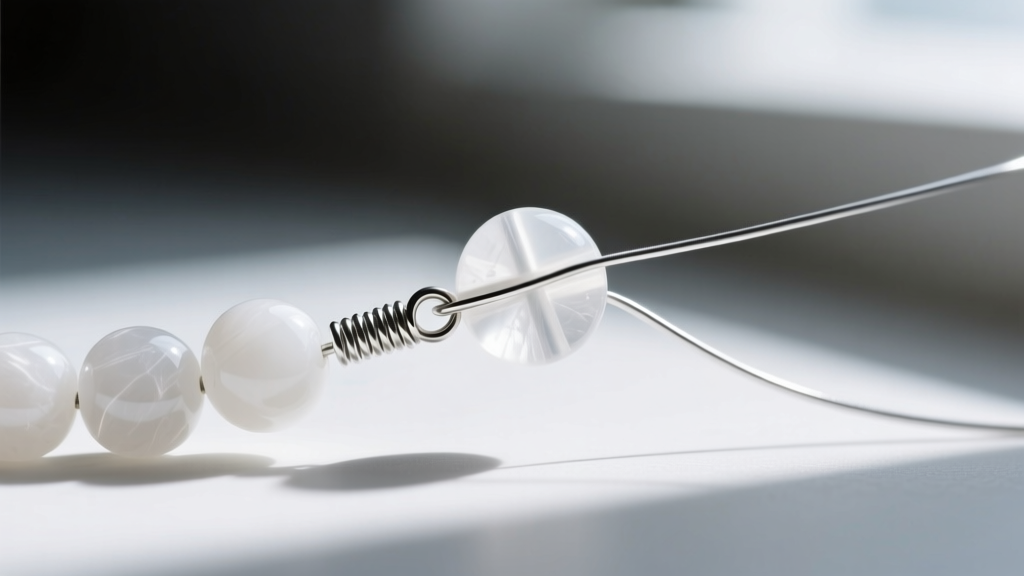
Thread vs. Wire vs. Elastic
- Silk Thread (Size F or G): The gold standard for freshwater pearls. Silk knots between each 6mm-8mm bead prevent pearl-on-pearl friction and ensure that if the strand breaks, you only lose one bead. However, silk degrades with sweat and must be re-strung every 18 to 24 months.
- Multi-Strand Beading Wire (0.015" to 0.018"): A nylon-coated stainless steel cable. A 49-strand wire in 0.015-inch gauge is ideal for glass and howlite beads. It offers excellent drape and high tensile strength. As noted by Fire Mountain Gems, 49-strand wire provides the flexibility needed for heavy stone beads without kinking.
- Elastic Cord (0.8mm Stretch Magic): Best reserved for lightweight acrylic or small glass beads in slip-on choker styles. Never use elastic for heavy howlite or large pearls, as the cord will stretch out and sag within weeks.
Clasp Mechanics
Avoid standard spring-ring clasps for beaded necklaces; the tiny internal springs fail frequently. Instead, opt for a lobster claw clasp (for strands under 50 grams) or a toggle clasp (for heavier, matinee-length strands). Toggle clasps distribute weight evenly and are much easier to fasten behind your neck.
Length and Neckline Pairing Framework
The visual impact of your white beaded necklace depends heavily on its length and the neckline of your garment. Use this framework to match your strand to your outfit:
- Choker (14 - 16 inches): Sits tightly at the base of the neck. Best paired with V-necks, scoop necks, or off-the-shoulder tops. A white glass bead choker adds a modern, architectural touch to a simple black tee.
- Princess (18 inches): The most universal length, resting perfectly on the collarbone. Ideal for crew necks, boat necks, and business casual button-downs. An 18-inch white howlite strand provides a beautiful matte contrast against navy or charcoal fabrics.
- Matinee (20 - 24 inches): Falls at or just above the bust. Perfect for high necklines, turtlenecks, and deep V-necks. A knotted white pearl matinee necklace elongates the torso and elevates formal wear.
Care, Cleaning, and Preventing Failure Modes
White beads show dirt, oils, and environmental damage faster than any other color. Implementing a strict care routine will prevent the most common failure modes associated with white jewelry.
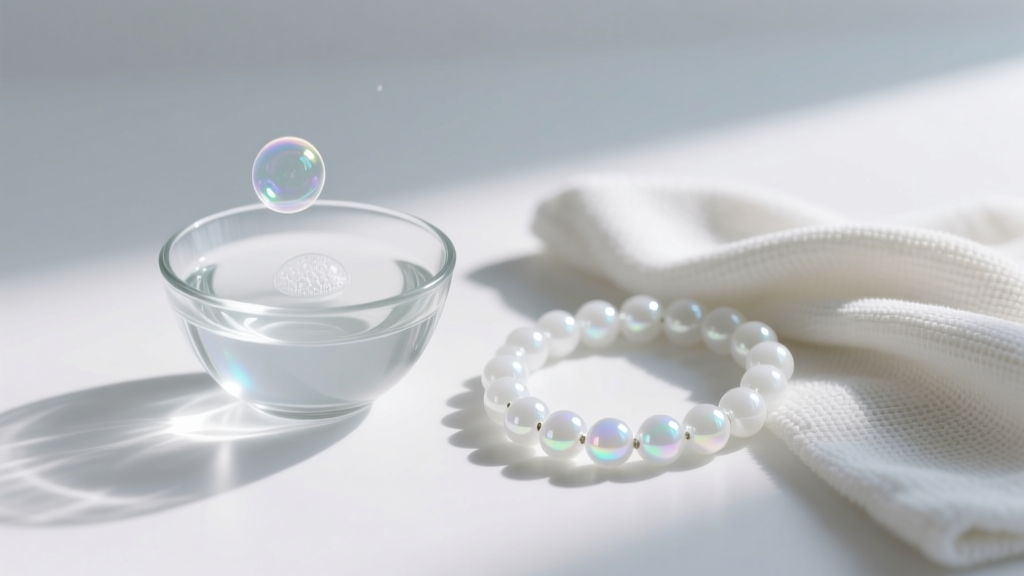
Material-Specific Cleaning Protocols
For Pearls and Howlite: Never submerge these porous materials in water. Submerging knotted silk will cause the thread to rot from the inside out, while water can degrade the polish on howlite. Instead, wipe them gently after every wear with a dry, lint-free microfiber cloth to remove skin oils and acidic sweat.
For Glass and Acrylic: You can safely wash these in a bowl of lukewarm water with a drop of mild, phosphate-free dish soap. Use a soft-bristled baby toothbrush to gently clean the crevices around the drill holes, then pat dry immediately.
Avoiding the "Yellowing" Effect
The most common complaint with white beaded necklaces is discoloration over time. Acrylic and Resin beads will permanently yellow when exposed to UV light and the oils in cosmetics. Store them in a dark, opaque jewelry box. Howlite is highly porous and will absorb perfumes, lotions, and self-tanners, turning a dingy grey-brown. Always follow the golden rule of jewelry: "Last on, first off." Apply your perfumes and hairsprays at least 10 minutes before putting on your necklace, and remove it the moment you get home.
By understanding the specific material properties, structural anatomy, and care requirements of your jewelry, you can confidently select and maintain a stunning white beaded necklace that remains a staple in your wardrobe for years to come.


