2026 Gift Guide: Authentic Carnival Glass Necklaces
Discover the perfect carnival glass necklace for vintage lovers in our 2026 gift guide. Learn authentication, pricing, and occasion-matching tips.

The Allure of Iridescence: Why Carnival Glass?
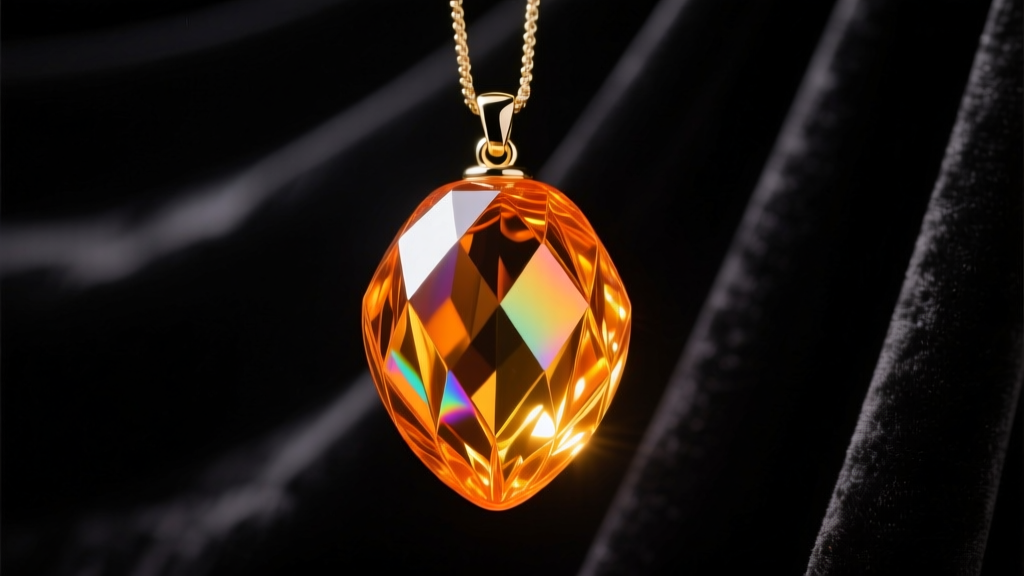
When it comes to gifting jewelry with historical weight and mesmerizing visual depth, few pieces rival the antique carnival glass necklace. Originally produced in the early 1900s by iconic American glassmakers like Fenton, Northwood, and Dugan, carnival glass was created by spraying pressed glass with metallic salts while it was still hot from the mold. This process resulted in a shimmering, iridescent finish that earned it the nickname 'poor man's Tiffany.' Today, in 2026, these pieces are highly sought after by vintage collectors, bohemian style enthusiasts, and lovers of artisanal history. Gifting a carnival glass pendant is not just about giving a piece of jewelry; it is about gifting a wearable artifact.
However, navigating the antique glass market can be daunting for the uninitiated. Reproductions are plentiful, and pricing varies wildly based on color rarity, pattern complexity, and condition. This comprehensive gift guide will help you identify authentic pieces, match them to the perfect recipient, and avoid common pitfalls when purchasing vintage glass jewelry.
Decoding the Rainbow: Color and Pattern Guide
The value and aesthetic impact of a carnival glass necklace are heavily dictated by its base color and the specific pattern pressed into the mold. While marigold is the most recognizable and accessible, rare colors can command premium prices on the antique market. According to pattern databases like Carnival Heaven, identifying the exact pattern—such as Northwood's 'Grape and Cable' or Fenton's 'Peacock at the Fountain'—is crucial for determining authenticity and value.
| Base Color | Rarity & Market Value (2026) | Visual Profile | Best Chain Pairing |
|---|---|---|---|
| Marigold | Common ($45 - $150) | Clear glass base with vibrant orange, gold, and copper iridescence. | Antiqued brass or 14k gold-filled. |
| Amethyst | Uncommon ($120 - $300) | Deep purple base with metallic bronze and green surface shifts. | Oxidized sterling silver or gunmetal. |
| Cobalt Blue | Rare ($250 - $600+) | Rich, opaque blue with striking silver and aquamarine highlights. | Bright sterling silver or white gold. |
| Vaseline (Uranium) | Collector Grade ($300 - $800+) | Translucent yellow-green; glows bright neon green under UV light. | Copper or rose gold-filled wire wrap. |
| Peach Opalescent | Ultra-Rare ($1,000+) | Soft milky peach with golden iridescence and opalescent edges. | Delicate 14k solid rose gold. |
Occasion Matching: Who to Gift Carnival Glass To
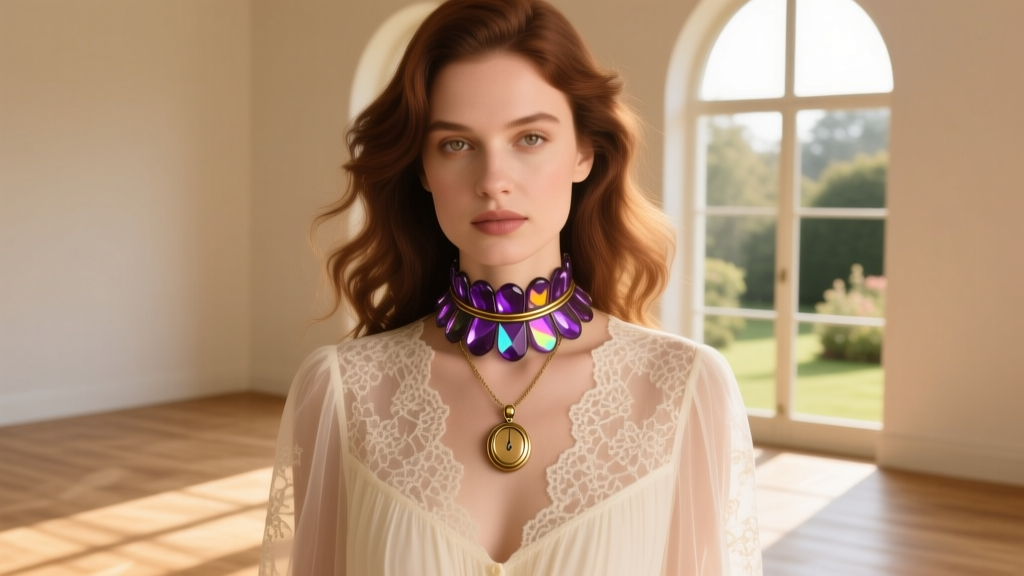
Because carnival glass carries a distinct vintage aesthetic, it is not a one-size-fits-all gift. Matching the piece to the recipient's personal style and the significance of the occasion ensures your gift will be cherished rather than relegated to a jewelry box.
The Vintage Collector (Milestones & Anniversaries)
For the recipient who appreciates history and curates their wardrobe with intention, an authenticated antique pendant from the 1910s or 1920s is a profound gift. A rare cobalt blue or amethyst piece set in a custom bezel is ideal for major milestones, such as a 10th or 20th anniversary. Collectors value provenance, so including a certificate of authenticity or a printed history of the specific mold pattern elevates the gifting experience.
The Bohemian Free Spirit (Birthdays & Holidays)
Carnival glass naturally aligns with bohemian, eclectic, and 'cottagecore' aesthetics. For the free-spirited recipient, look for asymmetrical glass 'chips' or marigold pendants wire-wrapped with raw brass. These pieces layer beautifully with turquoise, amber, and mixed metals. A marigold pendant on a long, 28-inch brass chain makes an excellent, thoughtful birthday or holiday gift that feels personal and stylistically relevant.
The Artisan Supporter (Contemporary Makers)
Not all carnival glass is antique. Today, a renaissance of lampwork and pressed-glass artisans are creating modern carnival glass beads and pendants using traditional metallic salt spraying techniques. Gifting a contemporary piece supports living artists and offers the recipient a brand-new item with vintage soul, perfect for graduations or 'just because' celebrations.
Authentication and Care: Avoiding Fakes and Damage
The secondary market for vintage jewelry is flooded with modern reproductions masquerading as antiques. When shopping on platforms like Ruby Lane or Etsy, you must know what to look for to ensure you are buying genuine early-20th-century glass.
- Examine the Mold Lines: Authentic antique pressed glass will have faint, vertical mold seams running along the edges. Modern cast reproductions often lack these or have heavily polished, seamless edges.
- The Iridescence Rub Test: Vintage iridescence was fired onto the surface. If the rainbow finish looks painted on, flakes off easily, or feels overly sticky, it is likely a modern chemical wash applied to cheap glass.
- Check the Bail and Hardware: Antique glass pendants were rarely fitted with modern soldered metal bails. Look for traditional wire-wrapping, glue-on flat pads, or drill holes. If the glass is held in a heavy, modern prong setting, be highly suspicious of its age.
- UV Testing for Vaseline Glass: If a seller claims a piece is 'Vaseline' or uranium glass, it must glow a brilliant, opaque neon green under a 365nm UV blacklight. If it merely reflects the purple light, it is just yellow glass.
Expert Care Warning: Never clean a carnival glass necklace in an ultrasonic cleaner or use harsh chemical jewelry dips. The high-frequency vibrations can shatter the glass along its antique mold lines, and chemical dips will instantly strip the delicate metallic salt iridescence, ruining the piece forever. Clean only with a damp, lint-free microfiber cloth.
Styling and Hardware: Protecting the Glass
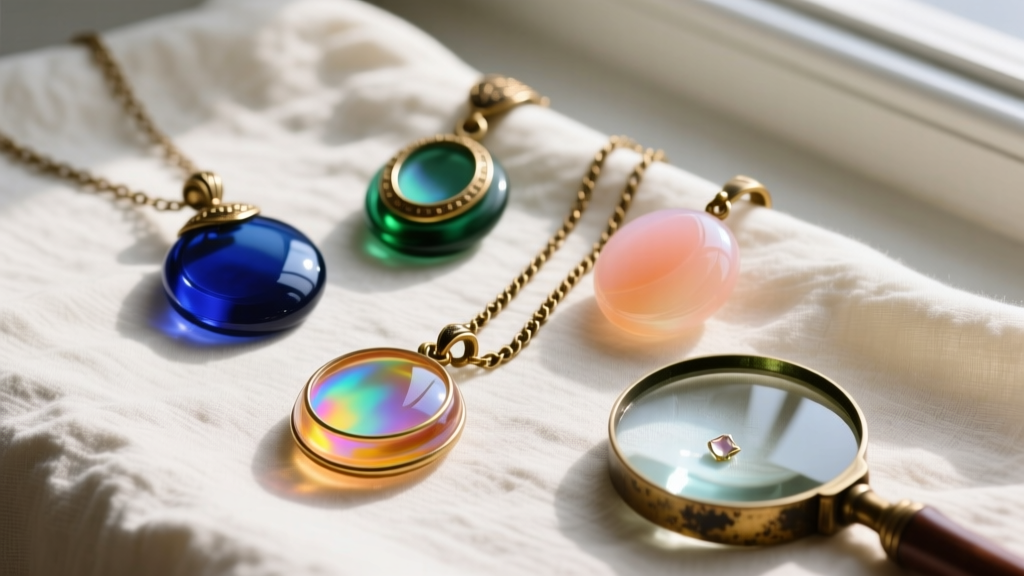
When selecting or commissioning a setting for a carnival glass pendant, the hardware is just as important as the glass itself. Because pressed glass is inherently brittle and prone to stress fractures, prong settings are strictly prohibited. The localized pressure of metal prongs against the glass will eventually cause it to crack, especially if the necklace is worn daily.
Instead, opt for one of the following secure, stress-free mounting methods:
- Wire Wrapping: Using 20-gauge or 22-gauge dead-soft wire (copper, brass, or sterling silver), artisans can create a custom cage that cradles the glass without applying point-pressure. This is the most historically accurate and visually complementary method for bohemian styles.
- Bezel Settings: If a metallic setting is preferred, a smooth, continuous bezel cup with a epoxy resin backing provides a secure, even cradle for the glass cabochon or pendant.
- Drilled Bails: Many vintage glass pendants feature a top-drilled hole. Use a soft, flexible jump ring (avoid tight, rigid pinching) and thread a fine chain directly through the hole to maintain the antique silhouette.
Final Gifting Checklist for 2026
Before you wrap your carnival glass necklace, run through this final checklist to ensure your gift is ready to be worn and treasured:
- Is the chain material compatible with the glass color? (e.g., avoiding bright silver chains with warm marigold glass).
- Have you included a small care card warning the recipient against ultrasonic cleaners and harsh perfumes?
- If the piece is an authenticated antique, have you included documentation or a note detailing the maker, pattern name, and approximate decade of origin?
A carnival glass necklace is more than an accessory; it is a conversation piece, a slice of American industrial art, and a deeply personal gift. By understanding the nuances of color, pattern, and proper hardware, you can confidently select a piece that will shimmer and captivate for another century.


