How to Style, Layer, and Clean an Ice Chain Necklace
Learn how to style, layer, and maintain an ice chain necklace. Expert tips on chain widths, clasp security, stone grades, and safe cleaning.


The Anatomy of an Ice Chain Necklace in 2026
The ice chain necklace—colloquially known as an "iced out" chain—has evolved from a niche hip-hop staple into a mainstream luxury essential. In 2026, the market is dominated by high-precision lab-grown diamonds and premium moissanite, making these brilliant pieces more accessible than ever. However, wearing an ice chain requires more than just throwing it over a t-shirt. The sheer weight of the metal, the fragility of the stone settings, and the optical physics of the gems demand a strategic approach to styling, layering, and maintenance. Whether you are rocking a 3mm tennis chain or a heavy 12mm Miami Cuban, this step-by-step guide will ensure your jewelry performs flawlessly and retains its maximum brilliance.
Step 1: Secure the Foundation (Clasps and Weight Distribution)
Before you even think about layering, you must evaluate the structural integrity of your ice chain. The most common point of failure in heavy, diamond-encrusted necklaces is the clasp. A standard lobster clasp is entirely insufficient for chains weighing over 80 grams. The kinetic stress of a heavy chain swinging against your chest will eventually warp the spring mechanism, leading to a catastrophic drop.
The Expert Rule: Any ice chain wider than 6mm or heavier than 100 grams must feature a box clasp with a figure-8 safety latch. The box clasp distributes the tensile load across a wide metal tongue, while the safety latch acts as a secondary fail-safe if the primary hinge is compromised.
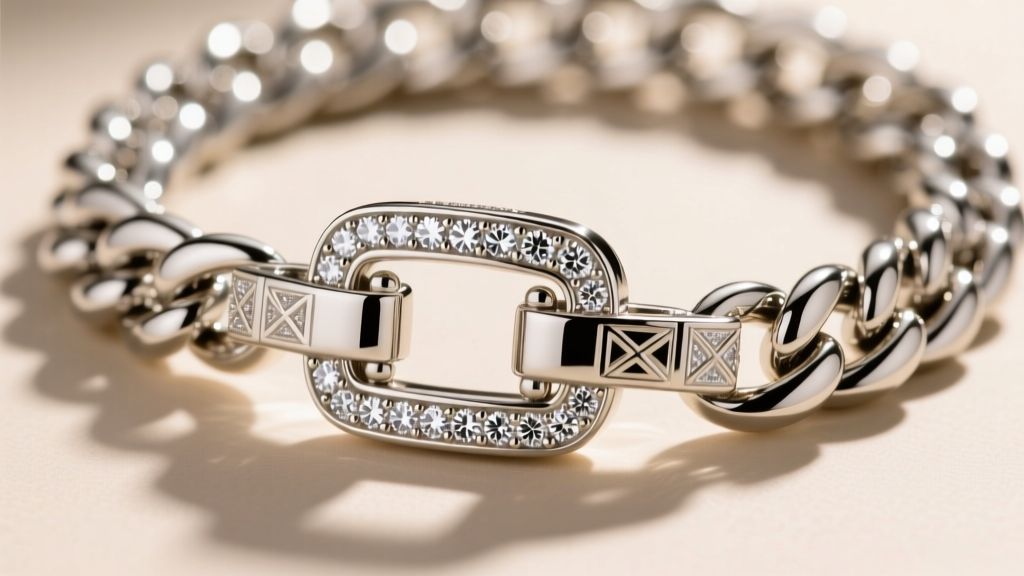
When purchasing or inspecting your chain, check the soldering points where the clasp meets the end links. In mass-produced chains, these joints are often weak. Look for laser-welded joints, which provide a seamless, high-tensile bond that won't snap under daily wear.
Step 2: The Layering Formula (Widths and Lengths)
Layering an ice chain necklace is an exercise in visual geometry. If your chains are too close in length or width, they will tangle, scratch each other's stones, and create a cluttered, chaotic look. To achieve a curated, high-end aesthetic, follow the Rule of Three or the Rule of Two, ensuring a minimum 2-inch length gap and a 3mm width variance between each piece.
The 2026 Layering Matrix
| Layer Position | Chain Style | Ideal Width | Ideal Length | Visual Purpose |
|---|---|---|---|---|
| Base (Inner) | Rope or Tennis Chain | 2mm - 4mm | 16" - 18" | Provides subtle sparkle close to the collarbone without overwhelming. |
| Mid (Anchor) | Iced Out Cuban Link | 5mm - 8mm | 20" - 22" | The focal point. Rests on the upper chest, catching maximum light. |
| Outer (Statement) | Miami Cuban or Franco | 10mm - 14mm | 24" - 26" | Hangs low, creating a bold silhouette and framing the torso. |
Pro Tip: Never layer a micro-pave chain directly against a prong-set chain. The exposed prongs of the second chain will act like tiny saws, scratching the metal and loosening the epoxy or micro-prongs of the pave chain.
Step 3: Choosing Your Stone Grade and Setting
The visual impact of your ice chain necklace is dictated by the refractive index (RI) of the stones and the setting technique. In 2026, buyers are moving away from Cubic Zirconia (CZ) and heavily favoring Moissanite and Lab-Grown Diamonds due to their superior hardness and optical properties.
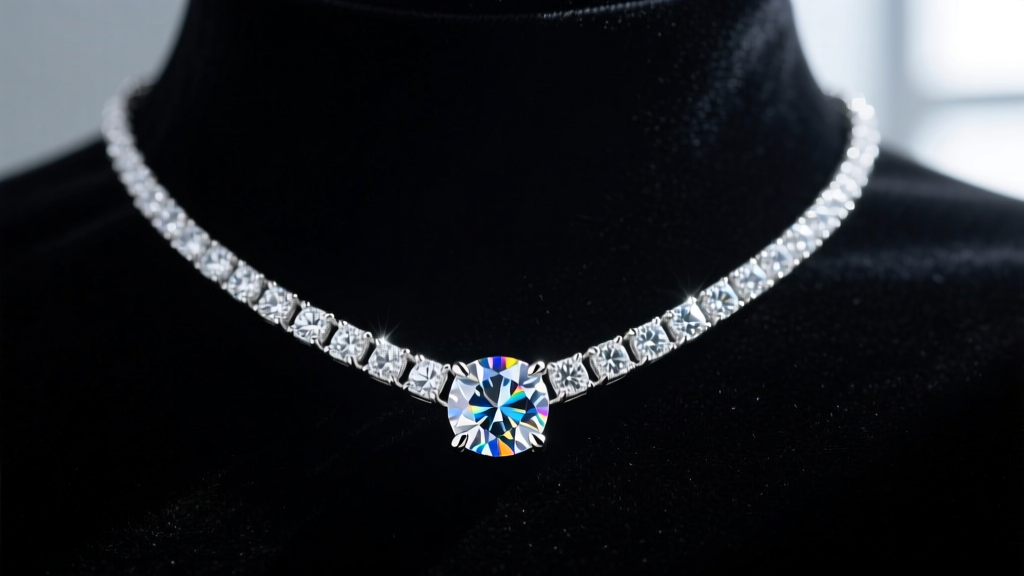
- Cubic Zirconia (RI 2.15, Mohs 8.5): Affordable but porous. CZ absorbs skin oils, lotions, and sebum, causing it to look cloudy within weeks. It requires constant cleaning to maintain its "ice" effect.
- Moissanite (RI 2.65, Mohs 9.25): Known for its "disco ball" fire. Moissanite's double refraction creates intense rainbow flashes. According to the Gemological Institute of America (GIA), moissanite's optical brilliance actually exceeds that of a natural diamond, making it a top-tier choice for iced chains where maximum flash is the goal.
- Lab-Grown Diamond (RI 2.42, Mohs 10): The ultimate standard. Offers the exact same single-refraction white light return as mined diamonds. Ideal for those who prefer a crisp, icy white sparkle over rainbow fire.
Setting Styles: Prong settings allow light to enter the stone from the sides, maximizing brilliance but increasing the risk of snagging on knitwear. Micro-pave settings lay the stones flush against the metal for a sleek, liquid-ice look, but they restrict light return and are highly susceptible to stone loss if the chain is bent or crushed.
Step 4: Matching Necklines to Chain Lengths
An ice chain necklace must complement your wardrobe, not fight it. The neckline of your shirt dictates the optimal chain length.
The Crew Neck Rule: A standard crew neck t-shirt sits right at the base of the throat. To avoid the chain getting swallowed by the fabric, opt for a 20-inch or 22-inch chain that rests entirely below the collar ribbing.
For V-necks and unbuttoned collars, an 18-inch or 20-inch chain is perfect, as it mirrors the geometric plunge of the fabric, drawing the eye downward and framing the face. If you are wearing a hoodie or heavy outerwear, you must size up to a 24-inch or 26-inch chain (at least 8mm thick) so the piece rests visibly on the outside of the garment. Anything smaller will simply disappear into the folds of heavy cotton or wool.
Step 5: The Safe Cleaning Protocol (Avoid Ultrasonic Disasters)
The fastest way to ruin an expensive ice chain necklace is to clean it incorrectly. Many owners make the fatal mistake of dropping their iced jewelry into an ultrasonic cleaner. While ultrasonic cavitation is excellent for plain metal or solitaire diamond rings, the high-frequency vibrations will shatter the delicate micro-prongs or degrade the adhesive used in pave settings. This results in a "stone shedding" disaster where dozens of tiny gems are shaken loose into the machine's tank.
According to the Jewelers of America, porous stones and delicate pave settings require manual, gentle cleaning. Follow this exact step-by-step protocol to restore your chain's factory-level brilliance:
- Prepare the Solution: Mix one cup of lukewarm (not hot) distilled water with three drops of mild, phosphate-free dish soap (like Dawn). Avoid harsh chemicals, bleach, or ammonia, which can degrade the rhodium plating on white gold or silver chains.
- Soak: Submerge the ice chain in the solution for exactly 15 minutes. This loosens trapped sebum, dead skin cells, and lotion residue from beneath the stone galleries.
- Agitate Gently: Use a brand-new, ultra-soft baby toothbrush. Brush the chain in the direction of the links, paying special attention to the underside of the chain where the skin makes contact. Never scrub against the grain of the prongs.
- Rinse and Dry: Rinse thoroughly under a gentle stream of lukewarm water. Do not use tissue paper or paper towels to dry, as the wood fibers will snag on the prongs and leave microscopic lint behind. Instead, lay the chain flat on a clean microfiber cloth and use a cool-setting hair dryer to blow the water out from under the stones.
Final Thoughts on Ice Chain Mastery
Mastering the ice chain necklace is about balancing bold aesthetics with meticulous care. By selecting the correct clasp hardware, respecting the geometry of layering, understanding the optical differences between moissanite and lab diamonds, and strictly avoiding ultrasonic cleaners, your chain will remain a flawless, head-turning asset for years to come. Treat your jewelry with the technical respect it demands, and it will reward you with unmatched brilliance.


