Troubleshooting Your Beach Charm Necklace: Salt & Sand Survival
Is saltwater ruining your jewelry? Learn how to troubleshoot, clean, and protect your beach charm necklace from sand, sunscreen, and corrosion.

The Harsh Reality of Coastal Elements on Jewelry
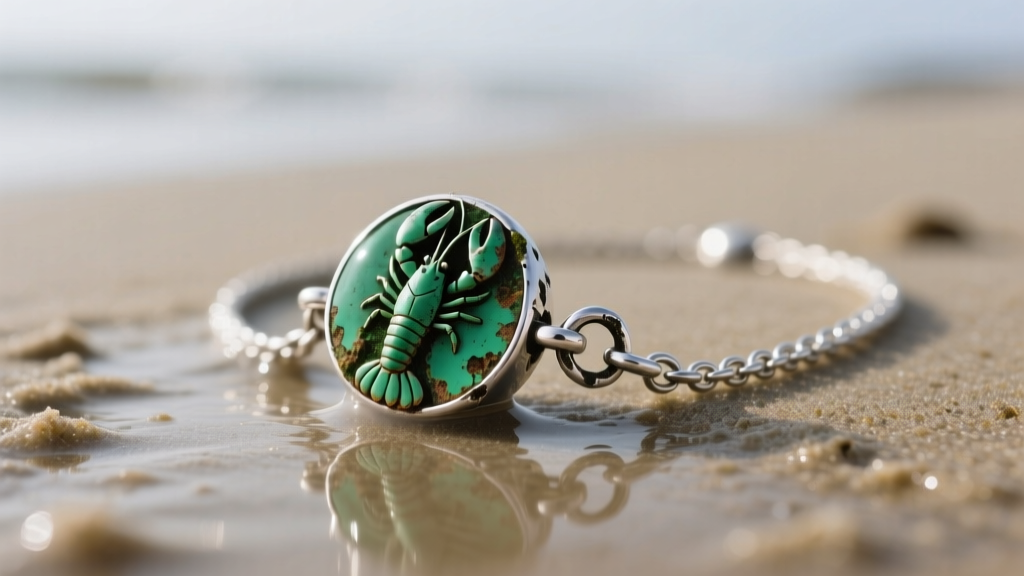
The beach is arguably the most hostile environment your jewelry can encounter. While a delicate beach charm necklace looks stunning against sun-kissed skin, the combination of sodium chloride, microscopic silica, UV radiation, and chemical sunscreens creates a perfect storm for rapid degradation. As we navigate jewelry care trends in 2026, the focus has shifted from simple aesthetics to material resilience and proactive maintenance. If your favorite coastal-inspired pendants are tarnishing, seizing up, or snapping, you are likely dealing with preventable environmental damage. This comprehensive troubleshooting guide will help you diagnose the exact failure modes of your beach jewelry and provide actionable, metallurgical solutions to keep your pieces pristine.
Diagnosing the Damage: A Troubleshooting Matrix
Before attempting to clean or repair your necklace, you must accurately identify the root cause of the deterioration. Use the matrix below to diagnose the specific failure mode affecting your beach charm necklace.
| Failure Mode | Root Cause | Troubleshooting Fix |
|---|---|---|
| Charm bail seized or stiff | Micro-silica (sand) trapped in the jump ring or bail hinge. | Submerge in warm distilled water with a drop of mild surfactant. Agitate gently with a soft-bristled baby toothbrush to dislodge silica. |
| Chain turning skin green | Copper alloys in 10k/14k gold or vermeil reacting to salt and sweat. | Upgrade to 18k gold, platinum, or Grade 5 titanium. Coat existing chain with a micro-thin layer of clear jewelry sealant. |
| Enamel charm chipping | Thermal shock from hot sand to cold ocean water, or impact. | For cold enamel (epoxy), use a UV-curing jewelry resin kit. For vitreous enamel, consult a master jeweler for kiln-firing repair. |
| Lobster clasp failing to close | Salt crystallization jamming the internal micro-spring. | Soak the clasp in a 50/50 white vinegar and water solution for 10 minutes, then flush with distilled water and apply a microscopic drop of synthetic watch oil. |
| Porous charms (pearls, coral) dulling | Chemical degradation from sunscreen oxybenzone and salt acid. | Wipe immediately with a damp microfiber cloth. Never use ultrasonic cleaners or chemical dips on organic beach charms. |
Material Forensics: What Actually Survives the Surf?
Not all metals are created equal when exposed to chloride ions. Saltwater acts as a powerful electrolyte, accelerating galvanic corrosion, especially when multiple metals are present in a single charm necklace.
The Titanium and Platinum Standard
If you frequently swim in the ocean, your best defense is Grade 5 Titanium (Ti-6Al-4V) or 950 Platinum. Titanium forms a passive oxide layer that is virtually immune to chloride stress corrosion cracking. It is lightweight, hypoallergenic, and will not tarnish, making it the ultimate base for a rugged beach charm necklace. Platinum, while significantly more expensive and prone to surface scratching (patina), is incredibly dense and will never corrode or leach alloys into your skin. According to the Rio Grande Metallurgy Guide, platinum group metals maintain their structural integrity in highly corrosive environments where silver and lower-karat golds fail rapidly.
Why Sterling Silver and Gold Vermeil Fail
Sterling silver (925) contains 7.5% copper. When exposed to saltwater and sulfur compounds in the air, this copper rapidly oxidizes, resulting in the black tarnish commonly seen on neglected beach jewelry. Gold vermeil (a thick layer of gold over sterling silver) is even more problematic for beachwear. If the gold layer is scratched by sand, the saltwater creates a galvanic cell between the gold and the silver core, leading to rapid blistering and peeling of the gold layer. For beachwear, solid 14k or 18k gold is acceptable, but it must be rinsed immediately after ocean exposure.
Chain and Clasp Failures: Mechanical Troubleshooting
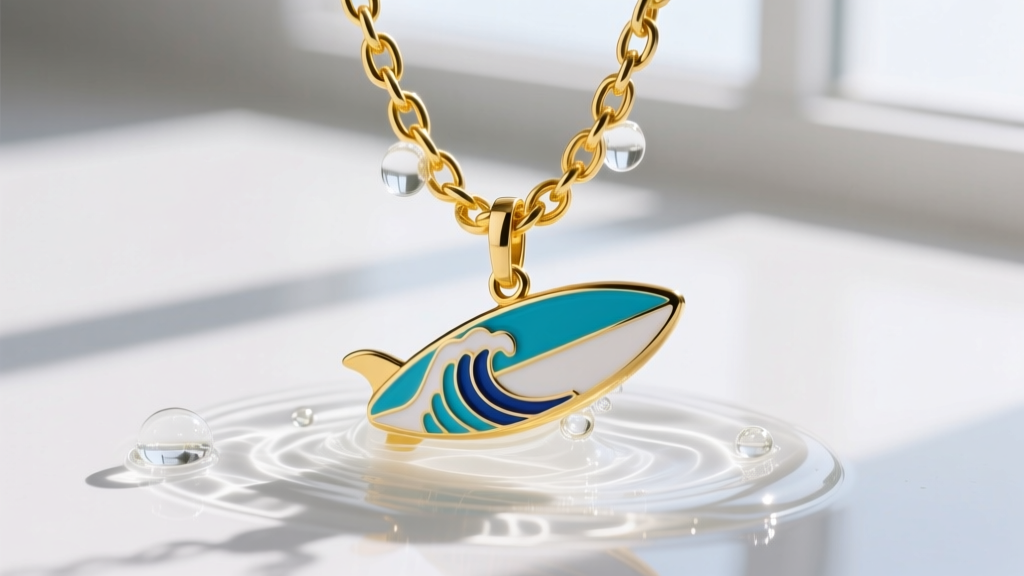
The structural integrity of your beach charm necklace relies heavily on its mechanical components. Sand is essentially microscopic glass, and it wreaks havoc on moving parts and tight tolerances.
Chain Selection: Avoiding the Sand Traps
Box chains, herringbone, and snake chains are notoriously poor choices for the beach. Their tight, interlocking links trap sand and sunscreen, creating an abrasive paste that grinds the metal from the inside out. Furthermore, they are nearly impossible to flush clean. Instead, opt for standard cable chains, Figaro, or rope chains. These designs have larger, more open links that allow sand to pass through and are easily cleaned with a soft brush and soapy water.
The Clasp Conundrum
The standard lobster clasp is the most common point of failure on a beach necklace. The tiny internal spring mechanism easily becomes jammed by salt crystals and fine sand. Once jammed, the clasp either fails to close (risking the loss of your necklace) or fails to open. For beach-specific jewelry, troubleshoot this by upgrading your clasp. A screw-lock carabiner clasp or a secure toggle clasp eliminates the micro-spring entirely, relying on threading or gravity to stay closed, making them highly resistant to sand infiltration.
The Post-Beach Decontamination Protocol
If you have worn your beach charm necklace in the ocean, a simple rinse is not enough. Salt crystals will continue to draw moisture and corrode the metal long after you have left the beach. Follow this exact decontamination protocol to neutralize the damage.
- The Freshwater Flush: Immediately upon leaving the beach, rinse the necklace under lukewarm (never hot) tap water to remove the bulk of the salt and sand.
- The Surfactant Bath: Fill a small glass bowl with warm distilled water and two drops of mild, lotion-free dish soap (like Dawn). Avoid commercial jewelry cleaners at this stage, as many contain ammonia or harsh chemicals that can react with trapped salt.
- Agitation and Brushing: Let the necklace soak for five minutes. Use a baby toothbrush with ultra-soft bristles to gently agitate the charm bails, jump rings, and clasp mechanism. Do not scrub the face of polished charms to avoid micro-scratching.
- The Final Rinse and Dry: Rinse thoroughly under distilled water to ensure no soap residue remains. Pat dry with a lint-free microfiber cloth. Allow the necklace to air dry completely in a low-humidity room before storing it in an airtight anti-tarnish bag.
Organic beach charms, such as freshwater pearls, sea glass, or carved coral, require special attention. The Gemological Institute of America (GIA) strictly advises against using ultrasonic cleaners or steamers on porous organic gems, as the high-frequency vibrations and heat can cause internal fracturing and irreversible surface dulling.
Expert Verdict: Building a Surf-Proof Stack
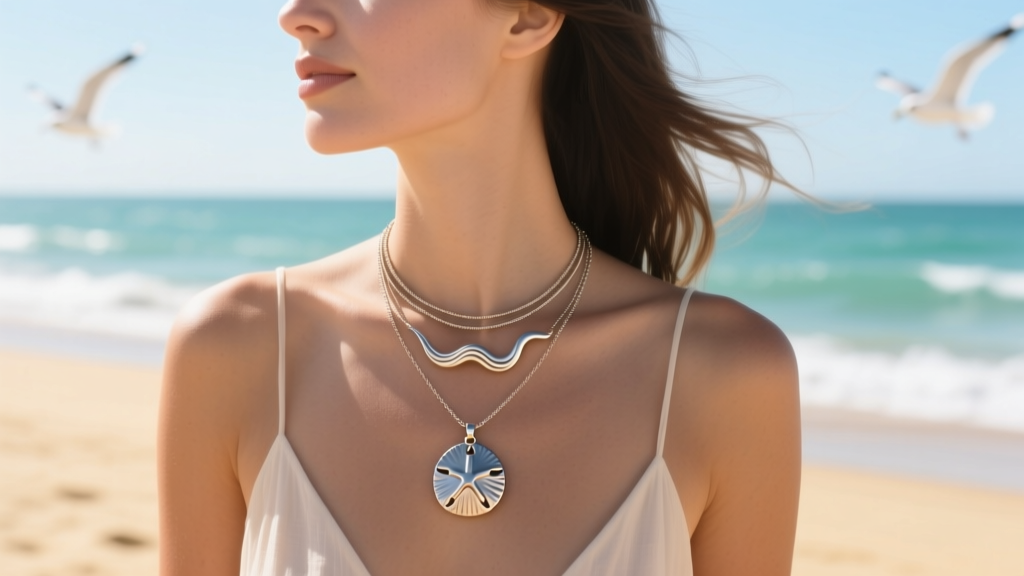
Troubleshooting a damaged beach charm necklace is always more costly and frustrating than preventing the damage in the first place. By understanding the chemical and mechanical realities of the coastal environment, you can make informed purchasing decisions. Prioritize Grade 5 titanium, 950 platinum, or solid 18k gold. Select open-link cable chains and avoid spring-loaded clasps. Finally, commit to the post-beach decontamination protocol after every single wear. By treating your beach jewelry with the same respect you would give a precision timepiece, your coastal charms will survive countless summers without losing their luster or structural integrity.


