Santeria Necklace Style 2026: Elekes Beads & Trends
Explore 2026 Santeria necklace trends, from sacred Elekes bead patterns to modern styling. Learn the meaning, materials, and cultural boundaries.

The Intersection of Sacred Tradition and Modern Aesthetics
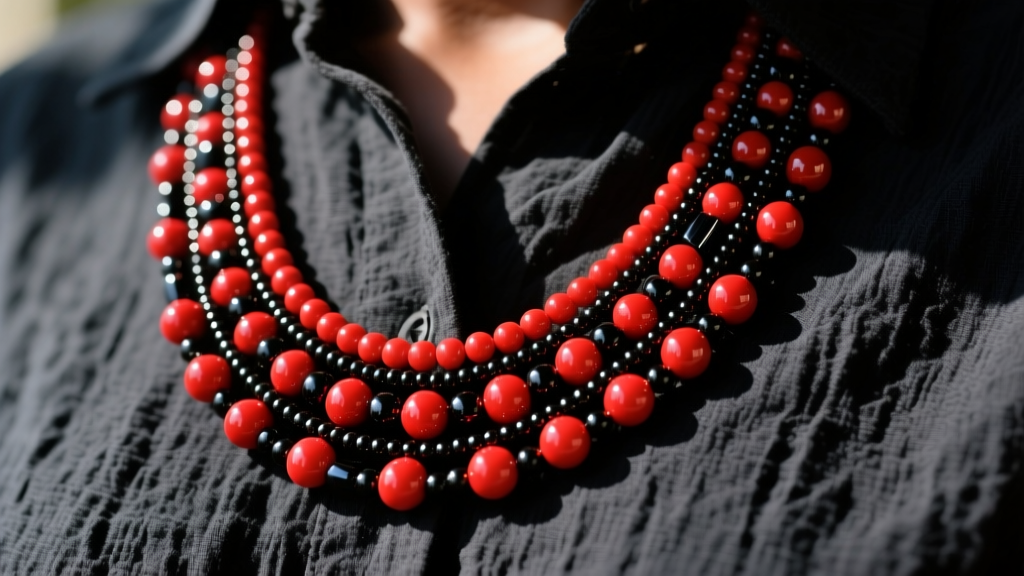
In the global jewelry landscape of 2026, Afro-diasporic aesthetics have moved from the fringes into mainstream style conversations. Among the most visually striking and culturally profound of these artifacts is the santeria necklace, traditionally known within the Regla de Ocha (Santería) religion as an eleke or collar. While fashion runways and indie jewelry brands are increasingly drawing inspiration from vibrant, multi-colored seed bead patterns, it is crucial to understand that a true eleke is not mere body ornamentation. It is a sacred conduit for aché (spiritual energy), consecrated through rigorous rituals.
As a style radar tracking the evolution of necklaces and pendants, we are observing a distinct bifurcation in the market: the rise of high-quality, culturally respectful "inspired" beaded jewelry, and the growing visibility of authentic, artisan-crafted elekes sourced directly from initiated practitioners and specialized botánicas. Understanding the difference, the material grades, and the deep symbolism of the Orishas is essential for any collector, stylist, or culturally conscious consumer.
Decoding the Eleke: Orisha Color Patterns & Meanings
The foundation of any Santeria necklace lies in its dedication to a specific Orisha (deity/spirit). The bead colors and sequences are not random design choices; they are strict spiritual codes. According to anthropological studies of Yoruba religious systems, which form the root of Regla de Ocha, these colors vibrate at frequencies that align with the specific energies of the Orishas.
| Orisha | Primary Colors | Standard Bead Sequence | Domain & Energy |
|---|---|---|---|
| Eleguá | Black & Red | 1 black, 1 red (or 3 and 3) | Crossroads, beginnings, destiny |
| Obatalá | White | All white (sometimes with coral accents) | Peace, purity, wisdom, the mind |
| Yemayá | Blue & White/Clear | 7 blue, 7 white (or clear) | The ocean, motherhood, protection |
| Oshún | Yellow, Gold, Amber | 5 yellow/amber, 1 gold | Rivers, love, fertility, wealth |
| Shangó | Red & White | 6 red, 6 white | Thunder, fire, passion, justice |
When styling or sourcing these pieces, recognizing these patterns is a matter of cultural literacy. A necklace featuring alternating black and red beads is universally recognized in Afro-Caribbean communities as belonging to Eleguá. Wearing it purely as a "punk aesthetic" without understanding its role as the opener of spiritual doors is where the line between appreciation and appropriation is crossed.
Material Matters: Glass vs. Plastic in Authentic Elekes
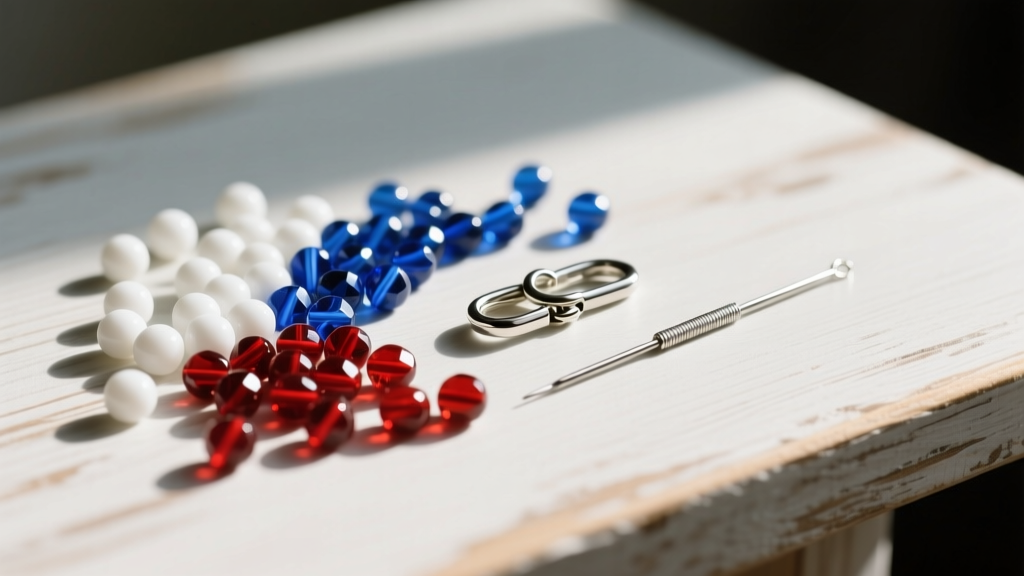
From a craftsmanship perspective, the material composition of a santeria necklace dictates both its durability and its spiritual efficacy. In 2026, mass-market fast-fashion brands produce cheap, plastic extruded beads that mimic the look of elekes. However, within the religion, plastic is largely rejected for consecrated pieces.
Sourcing Czech and Japanese Seed Beads
Authentic elekes are strung using high-grade glass. Artisans predominantly use Czech fire-polished glass beads (typically 3mm or 4mm rounds) or premium Japanese seed beads like Miyuki or Toho in sizes 8/0 (approx. 3mm) or 11/0 (approx. 2mm). Glass, being derived from silica (sand), is considered an organic, earth-born material capable of holding and conducting aché.
Failure Mode Alert: Traditional elekes were often strung on natural cotton thread. While historically accurate, cotton degrades rapidly when exposed to sweat, humidity, and the ritual baths (omiero) used in consecration. A broken eleke is considered a serious spiritual omen, indicating the bead has absorbed a negative impact meant for the wearer. To prevent this, modern master artisans now use high-tensile braided nylon threads, such as WildFire (0.006 inch diameter) or FireLine, which offer the soft drape of cotton with the structural integrity of steel.
Cultural Appreciation vs. Appropriation in 2026
As beaded layering remains a dominant necklace trend, the visual language of the eleke is highly sought after. But how does one participate in the trend respectfully? Data from Pew Research on Afro-Caribbean religions highlights the rapid growth and visibility of these faiths, making cultural sensitivity more important than ever.
- The Consecration Boundary: A true eleke is washed in sacred herbs and presented by a Godparent (Santero/a or Babalawo). If you are not initiated, you should not wear a consecrated eleke, nor should you buy one claiming it is "pre-blessed" unless you are entering the religion.
- Fashion vs. Faith: If you love the beaded aesthetic, seek out jewelry designers who create "Orisha-inspired" colorways but explicitly market them as fashion jewelry, altering the sacred bead counts (e.g., using 8 blue and 8 white beads instead of Yemayá's sacred 7 and 7) to avoid mimicking a closed spiritual tool.
- The Cierre (Clasp): Authentic elekes rarely use metal lobster clasps. They utilize a traditional loop-and-bead closure (cierre) or are tied off with specific macramé knots. Metal clasps on a "Santeria-style" necklace usually indicate a mass-market fashion reproduction.

Pricing and Sourcing Authentic Santeria Necklaces
If you are a practitioner, a collector of global religious artifacts, or simply looking to support authentic artisans, understanding the pricing structure of these necklaces is vital. The cost reflects the labor of hand-stringing thousands of microscopic glass beads and the spiritual pedigree of the maker.
Market Pricing Breakdown
- Mass-Market Fashion Reproductions ($12 - $35): Found on fast-fashion sites. Made with acrylic or low-grade glass, strung on cheap elastic. Zero spiritual value; high risk of cultural appropriation.
- Botánica Standard ($45 - $85): Purchased at local religious supply stores. Usually made with standard Czech glass on nylon thread. These are "blank" elekes, ready to be consecrated by your Godparent.
- Master Artisan / Custom Elekes ($90 - $180+): Commissioned from specialized beaders within the community. These feature premium Japanese Miyuki beads, intricate Collar de Bandera pendants (multi-colored geometric beadwork), and custom macramé closures. The price reflects 8 to 15 hours of meticulous hand-beading.
Final Thoughts on Styling and Respect
The santeria necklace is a masterclass in color theory, material durability, and profound spiritual symbolism. As the 2026 jewelry market continues to embrace maximalist beading and layered necklaces, the influence of Regla de Ocha is undeniable. However, true style is rooted in knowledge. By understanding the difference between a sacred eleke and a fashion-inspired beaded choker, you can navigate this vibrant trend with the respect, accuracy, and cultural awareness that these ancient traditions demand.


