Sapphire Necklace OSRS: Real-World Gem Care & Cleaning Guide
Master real-world care for your sapphire necklace. OSRS fans and fine jewelry collectors alike need these expert cleaning and maintenance tips.

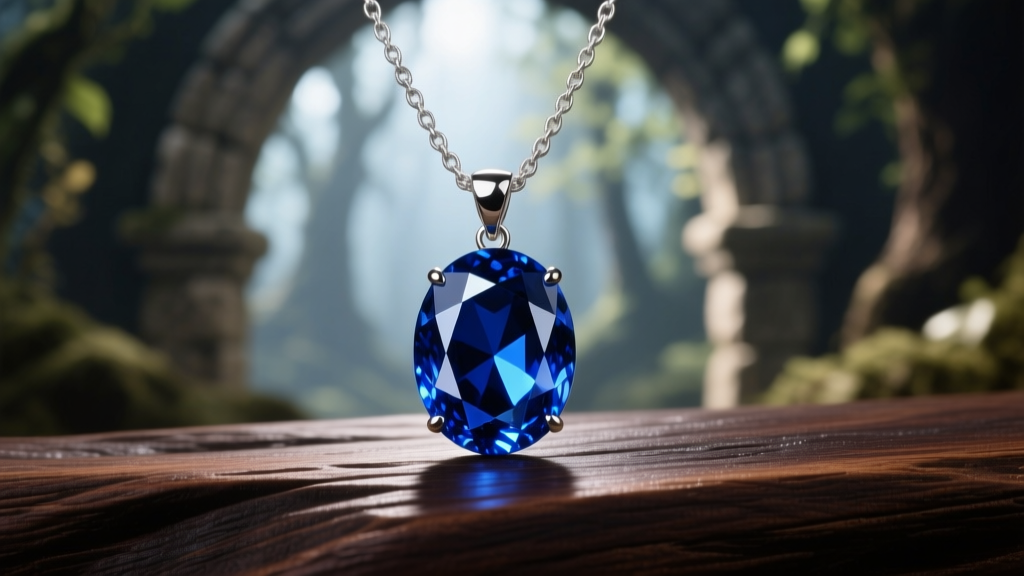
For fans of classic MMORPGs, the sapphire necklace OSRS crafting recipe is a nostalgic milestone. In Old School RuneScape, combining a gold bar, a cut sapphire, and a necklace mould at a furnace yields a basic piece of jewelry that can be enchanted into an amulet of magic. But what happens when you step away from the screen and invest in a real-world sapphire pendant? Whether you are wearing a custom-crafted replica inspired by Gielinor or a high-carat natural corundum heirloom, real-world gemology requires vastly different maintenance than virtual inventory management. In 2026, with the rise of advanced lab-grown sapphires and complex gem treatments, understanding the precise chemical and physical needs of your jewelry is critical. This comprehensive guide bridges the gap between gaming memorabilia and fine jewelry conservation, providing actionable, expert-level care protocols for your sapphire necklaces.
The Gemology of Sapphires: Durability and Vulnerability
Sapphires are a variety of the mineral corundum (aluminum oxide, Al₂O₃). On the Mohs scale of mineral hardness, corundum ranks at a 9, making it the second hardest natural gemstone after diamond. However, hardness (resistance to scratching) is often confused with toughness (resistance to chipping and breaking). Sapphires possess good toughness, but they exhibit basal parting—a structural weakness along certain crystallographic planes. A sharp blow against a furnace or a granite countertop can easily cleave or chip the stone.
Understanding Gem Treatments
Before applying any cleaning solution, you must identify how your sapphire has been treated. According to the Gemological Institute of America (GIA), treatment dictates the cleaning protocol:
- Heat Treatment: The industry standard. Over 90% of natural sapphires are heated to improve color and clarity. These are highly stable and safe for standard cleaning.
- Beryllium Diffusion: Introduces color-causing elements into the crystal lattice. Stable, but the stone's value is lower than naturally colored equivalents.
- Fracture Filling (Lead-Glass): CRITICAL WARNING. Low-grade sapphires are often filled with high-lead-content glass to mask fractures and improve transparency. These stones are incredibly fragile and can be destroyed by mild acids (even lemon juice) or ultrasonic cleaners.
Step-by-Step Cleaning Protocol for Sapphire Pendants
Daily wear exposes your necklace to sebum, dead skin cells, cosmetic residues, and environmental dust. Because sapphires are highly refractive, grease buildup on the pavilion (the bottom facets) drastically reduces the stone's brilliance, making it look dull and lifeless.
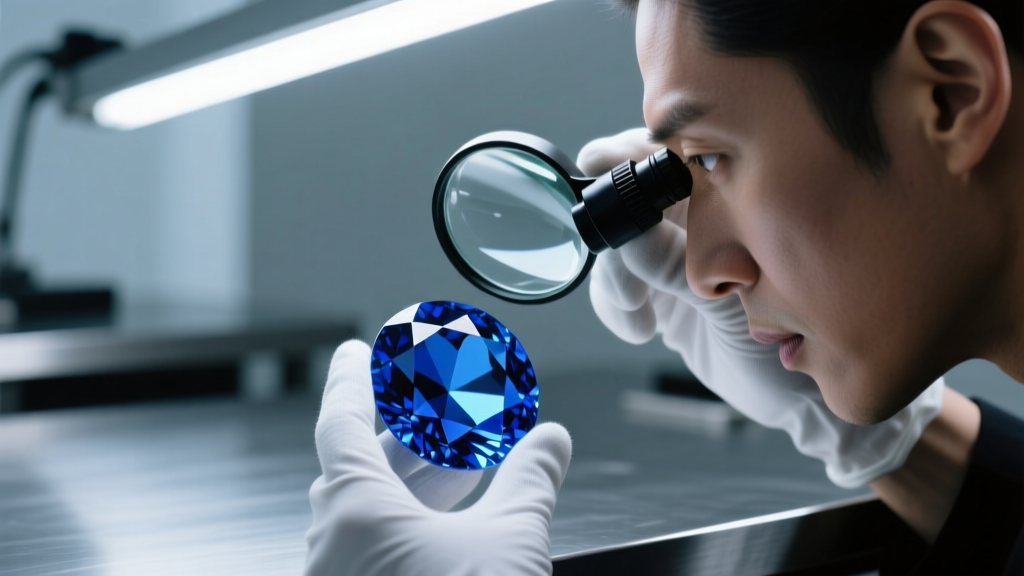
- Prepare the Workspace: Never clean jewelry over an open drain. Place a lint-free microfiber towel over the sink basin to catch the pendant if it slips.
- Formulate the Solution: Mix lukewarm water (not hot, to avoid thermal shock) with a few drops of ammonia-free, phosphate-free dish soap. Avoid harsh detergents or moisturizing soaps that leave a film.
- Soak and Agitate: Submerge the necklace for 10 to 15 minutes to loosen debris. Using an extra-soft baby toothbrush, gently scrub the stone. Pay special attention to the culet and the gallery wire setting where grime accumulates.
- Rinse Thoroughly: Rinse under a gentle stream of lukewarm distilled water. Tap water in many municipalities contains chlorine and dissolved minerals that can leave water spots on the metal setting.
- Dry and Polish: Pat dry with a clean, lint-free cloth. Do not use paper towels, as the wood pulp fibers can cause micro-scratches on softer metal settings like high-karat gold or polished silver.
The Ultrasonic Cleaner Trap: When to Avoid It
Many jewelry owners rely on ultrasonic cleaners for convenience. These devices use high-frequency sound waves to create microscopic bubbles in a liquid solution—a process called cavitation. When these bubbles implode against the jewelry, they generate intense localized heat and pressure that blast away dirt.
"While ultrasonic cleaners are generally safe for untreated, heat-treated, and lab-created sapphires, they pose a catastrophic risk to fracture-filled stones. The cavitation process can shatter stones with internal fluid inclusions or completely dissolve lead-glass fillers, leaving you with a ruined, opaque pebble."
If you are unsure of your sapphire's treatment history, or if you purchased a budget-friendly "gamer replica" necklace from an unverified online marketplace, never use an ultrasonic cleaner. Stick to the manual soaking method outlined above.
Chain Maintenance: Sterling Silver vs. Gold Alloys
In OSRS, your sapphire necklace is forged from pure gold. In reality, pure 24k gold is too soft for chain links and prongs. Real-world necklaces utilize alloys, each requiring specific maintenance to prevent tarnish and structural degradation.
| Chain Material | Common Alloys | Tarnish Risk | Maintenance Protocol |
|---|---|---|---|
| Sterling Silver (925) | 92.5% Silver, 7.5% Copper | High (Silver Sulfide) | Polish with a treated silver cloth; store with anti-tarnish silica strips. |
| 14k Yellow Gold | 58.3% Gold, Silver, Copper, Zinc | Low to Moderate | Wipe with a soft jewelry cloth; avoid chlorine pools which cause stress-corrosion cracking. |
| 18k White Gold | 75% Gold, Palladium/Nickel | None (but Rhodium wears) | Requires re-plating with rhodium every 1-3 years to maintain bright white color. |
| Gold-Plated Brass | Copper/Zinc core, thin gold layer | High (if plating chips) | Never use chemical dips; wipe gently. Re-plating is required once the brass core shows. |
Prong Security and the "Snag Test"
Sapphires are dense stones; a 5-carat oval sapphire weighs exactly 1 gram, but its physical dimensions and the leverage it exerts on a setting can cause prongs to lift over time. The FTC's Jewelry Guides emphasize the importance of structural integrity in fine jewelry representations, but daily wear and tear is inevitable.
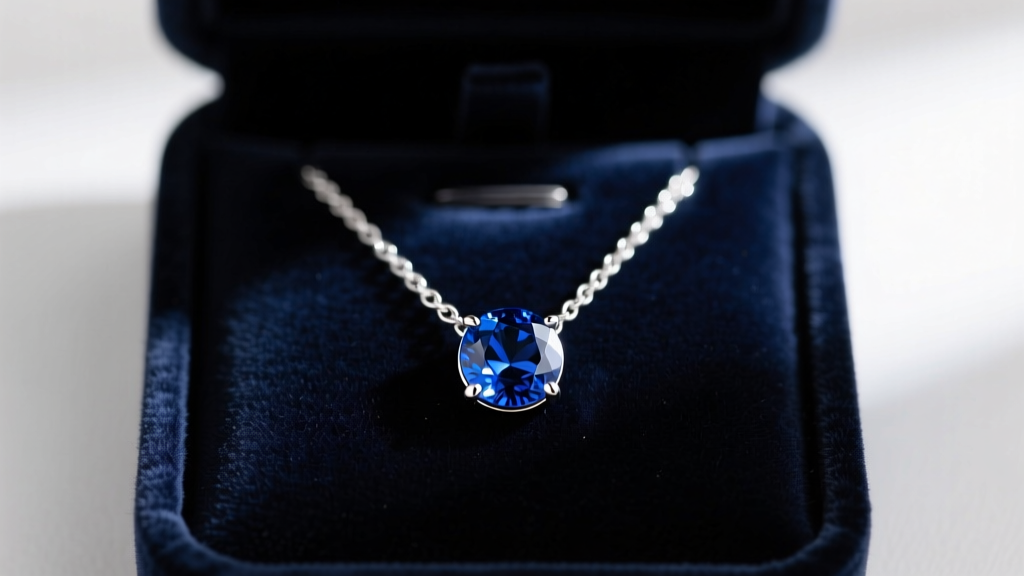
Perform the Snag Test monthly: Run the pendant lightly across a piece of woven silk or fine knit fabric. If the prongs catch on the threads, they have lifted and require immediate professional burnishing. Furthermore, check the bail (the loop connecting the pendant to the chain). The constant friction of the chain rubbing against the bail can wear a hole through the metal over a decade, leading to the sudden loss of the sapphire.
Proper Storage Framework
When you log off and take your necklace off, do not toss it into a communal jewelry box. Because sapphire is a 9 on the Mohs scale, it will aggressively scratch softer gems like pearls, opals, and even 18k gold chains. Store your sapphire necklace in an individual soft pouch or a dedicated velvet-lined compartment. Keep it in a climate-controlled environment, as extreme humidity accelerates the tarnishing of the metal setting, while excessive dryness can degrade certain organic jewelry components if mixed in the same box. By treating your real-world sapphire necklace with the same dedication you apply to your OSRS inventory, you ensure the piece remains brilliant, secure, and ready for everyday wear.


