Choosing the Perfect Scallop Shell Necklace: A Material Guide
Compare organic, metal, and resin scallop shell necklaces. Discover durability, pricing, and care tips to find your perfect coastal jewelry piece.

The Enduring Appeal of Coastal Jewelry
The scallop shell has been a symbol of maritime exploration, coastal living, and natural elegance for centuries. In contemporary jewelry design, the scallop shell necklace remains a staple for those seeking a touch of the ocean in their everyday wardrobe. However, not all shell pendants are created equal. The market is saturated with everything from genuine, ocean-harvested specimens to intricate 14k gold castings and vibrant resin replicas. Understanding the material properties of your jewelry is crucial for ensuring longevity, comfort, and aesthetic satisfaction. This comprehensive guide breaks down the specific materials used to craft scallop shell necklaces, providing you with the technical insights needed to make an informed purchase.
Organic vs. Synthetic: The Core Material Breakdown
Genuine Ocean-Harvested Shells
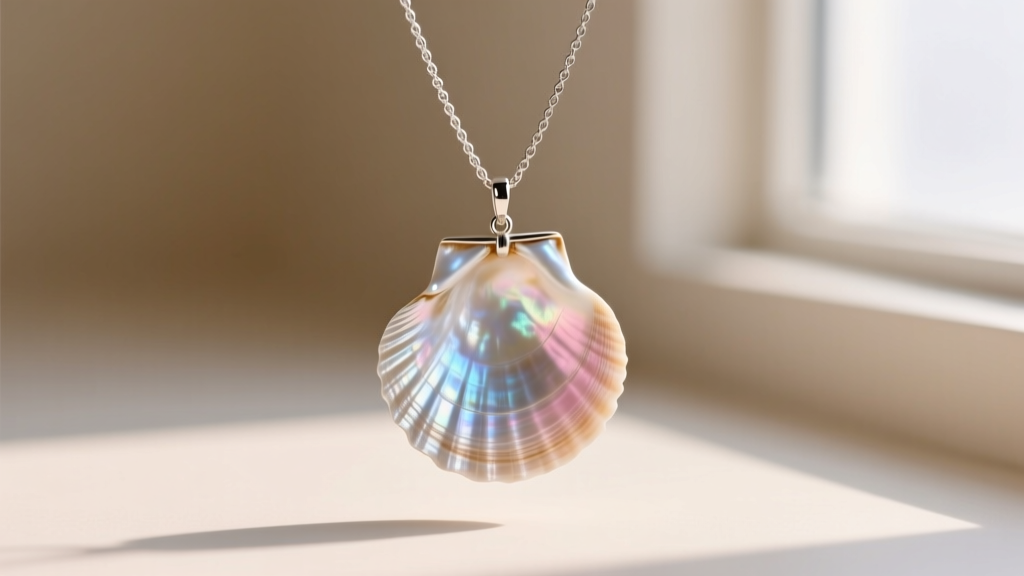
Authentic scallop shells are composed primarily of calcium carbonate, specifically in the crystalline forms of calcite and aragonite. On the Mohs scale of mineral hardness, organic shell registers between 2.5 and 3.0, making it relatively soft and susceptible to scratching. The interior of a high-quality scallop shell often features a nacreous (mother-of-pearl) layer, which creates a stunning, iridescent play of color caused by the diffraction of light through microscopic aragonite platelets. When selecting a genuine shell necklace, look for specimens that have been hand-polished rather than chemically bleached, as harsh chemicals degrade the structural integrity of the calcium carbonate matrix and strip away the natural pearlescent luster.
Cast Metals: Sterling Silver and Solid Gold
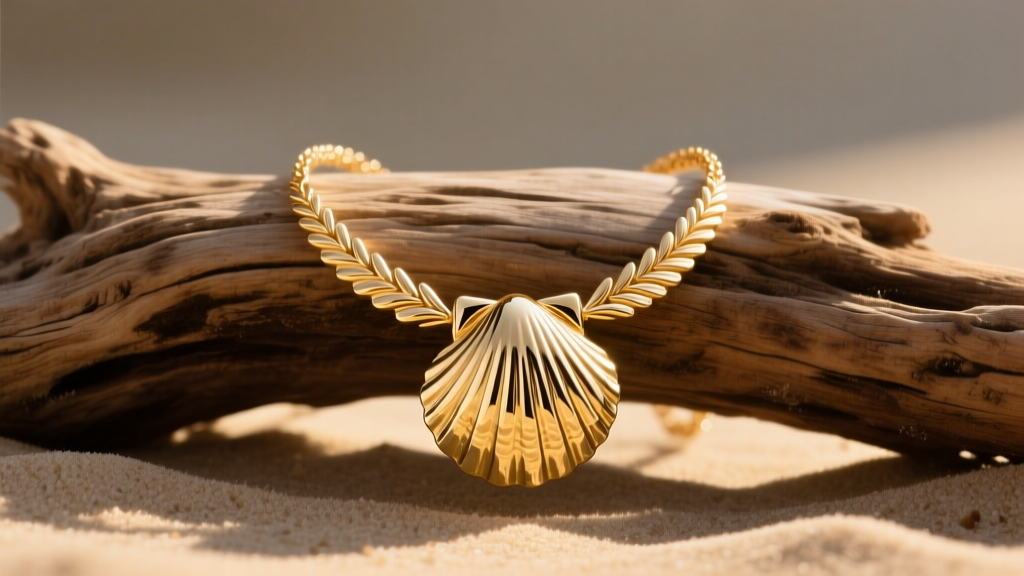
For those who love the silhouette of the scallop but require greater durability, metal castings are the superior choice. Jewelers typically use the 'lost-wax' casting method, where a real scallop shell is encased in a mold, burned away, and replaced with molten metal. This process captures the microscopic striations and ridges of the original shell with astonishing fidelity. Sterling silver (92.5% pure silver, 7.5% copper alloy) is a popular, affordable option, though the copper content makes it prone to silver sulfide tarnishing when exposed to humidity and sulfur in the air. Solid gold options—typically 14k (58.5% gold) or 18k (75% gold)—offer exceptional tarnish resistance. The alloying metals in 14k gold, such as copper and zinc, provide the necessary tensile strength to prevent the delicate ridges of the scallop design from bending or warping during daily wear.
Enamel and Resin Alternatives
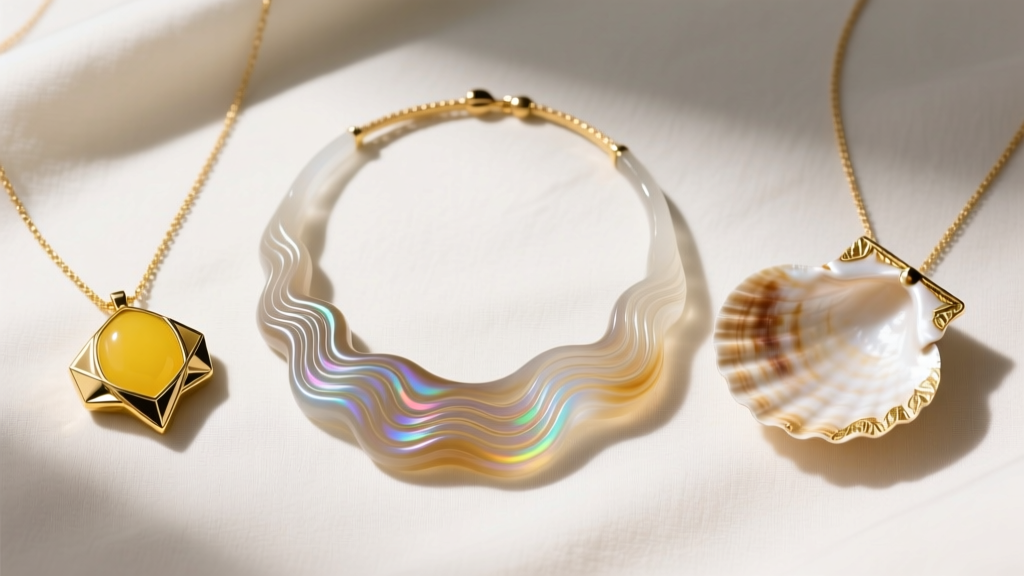
Vitreous enamel and synthetic resins offer a way to introduce vibrant, oceanic colors to the scallop shell motif. Vitreous enamel involves fusing powdered glass to a metal backing at temperatures exceeding 1,400°F. The result is a scallop shell pendant with a Mohs hardness of 5.0 to 6.0, offering excellent scratch resistance but high vulnerability to shattering upon sharp impact. Conversely, cold enamel (a two-part epoxy resin) and polyurethane resins are poured into molds. While highly impact-resistant and lightweight, resins are susceptible to photodegradation; prolonged exposure to ultraviolet (UV) light will cause the polymer chains to break down, resulting in a yellowed, brittle appearance over time.
Ethical Sourcing and Environmental Impact
When purchasing a genuine organic scallop shell necklace, provenance matters. The most ethical sources utilize shells that are a byproduct of the commercial seafood industry, ensuring that no marine life is harvested solely for jewelry production. Brands that adhere to CITES (Convention on International Trade in Endangered Species) guidelines and source from certified sustainable fisheries provide the highest level of environmental assurance. Avoid necklaces featuring shells with perfectly uniform, machine-drilled holes and stark white, chalky textures, as these are often indicative of mass-harvested, chemically bleached specimens that contribute to coastal ecosystem depletion.
Comparative Analysis: Durability, Price, and Wearability
To help you weigh your options, the table below outlines the critical performance metrics for the most common scallop shell necklace materials. According to the GIA Gem Encyclopedia, understanding the intersection of hardness and toughness is vital for organic and semi-organic gems.
| Material | Mohs Hardness | Average Price Range | Water & Sweat Resistance | Best Use Case |
|---|---|---|---|---|
| Genuine Shell | 2.5 - 3.0 | $15 - $45 | Poor (Degrades in acids/sweat) | Occasional wear, bohemian styling |
| Sterling Silver | 2.5 (Alloyed) | $60 - $150 | Moderate (Tarnishes in salt water) | Everyday wear with regular polishing |
| 14k Solid Gold | 3.5 - 4.0 | $250 - $600+ | Excellent (Highly unreactive) | Lifetime daily wear, showering, swimming |
| Vitreous Enamel | 5.0 - 6.0 | $80 - $200 | Excellent (Glass surface) | Statement pieces, color-blocking |
| Epoxy Resin | 2.0 - 2.5 | $20 - $60 | Good (Avoid UV and heat) | Lightweight travel jewelry, layering |
Chain Pairings and Hardware Considerations
The material of your scallop shell pendant dictates the necessary chain gauge and hardware. Genuine shells and resin pieces are exceptionally lightweight, often weighing less than 3 grams. These should be paired with delicate chains, such as a 0.8mm to 1.2mm cable or rope chain, to maintain visual balance. Heavier metal castings, particularly solid gold scallop shells which can weigh between 5 and 12 grams, require a sturdier foundation. A 1.5mm to 2.0mm box chain or figaro chain provides the necessary tensile strength to support the pendant without risking chain snap. Furthermore, inspect the bail (the loop connecting the shell to the chain). For organic shells, a wire-wrapped or glued hidden loop bail is standard, but ensure the adhesive used is a jewelry-grade, flexible cyanoacrylate that can withstand minor temperature fluctuations without becoming brittle.
Care and Maintenance by Material Type
Proper maintenance extends the lifespan of your coastal jewelry. The Federal Trade Commission Jewelry Guides emphasize the importance of accurate material representation, which also informs how consumers should care for their specific metals and organics.
- Genuine Shell: Never use ultrasonic cleaners or commercial silver dips on organic shells. The high-frequency vibrations can cause micro-fractures in the aragonite structure, and the acidic nature of chemical dips will literally dissolve the calcium carbonate. Clean only with a damp, soft microfiber cloth and mild, pH-neutral soap.
- Sterling Silver: Store in an anti-tarnish bag with silica gel packets to absorb ambient moisture. Use a treated silver polishing cloth to remove sulfide tarnish, but avoid polishing the deep recesses of the scallop ridges, as the dark oxidation in these crevices provides desirable contrast and depth to the design.
- Solid Gold: Highly low-maintenance. Can be cleaned with a soft-bristled toothbrush and warm soapy water. Safe for ultrasonic cleaning unless the piece features secondary gemstone inlays with fracture-filled treatments.
- Resin and Enamel: Keep away from direct sunlight when not in use to prevent UV yellowing. Avoid contact with alcohol-based perfumes and hand sanitizers, which can degrade the surface finish of cold enamels and resins.
Final Verdict: Which Scallop Shell Necklace is Right for You?
Selecting the ideal scallop shell necklace ultimately depends on your lifestyle and aesthetic priorities. If you value raw, natural beauty and wear jewelry primarily for special occasions or controlled environments, a genuine, ethically sourced organic shell offers an unmatched, authentic connection to the sea. For those seeking a 'never take it off' piece that can withstand the rigors of daily life, saltwater exposure, and active routines, a 14k solid gold casting is an unparalleled investment that will retain its intricate detail and brilliant luster for generations. By understanding the distinct material properties outlined in this guide, you can confidently choose a coastal heirloom that perfectly aligns with your personal style and practical needs.


