Choosing a Durable Necklace for Cat Owners: Material Guide
Discover the best scratch-resistant, non-toxic materials for a necklace for cat owners. Compare titanium, platinum, and safe chain weaves.

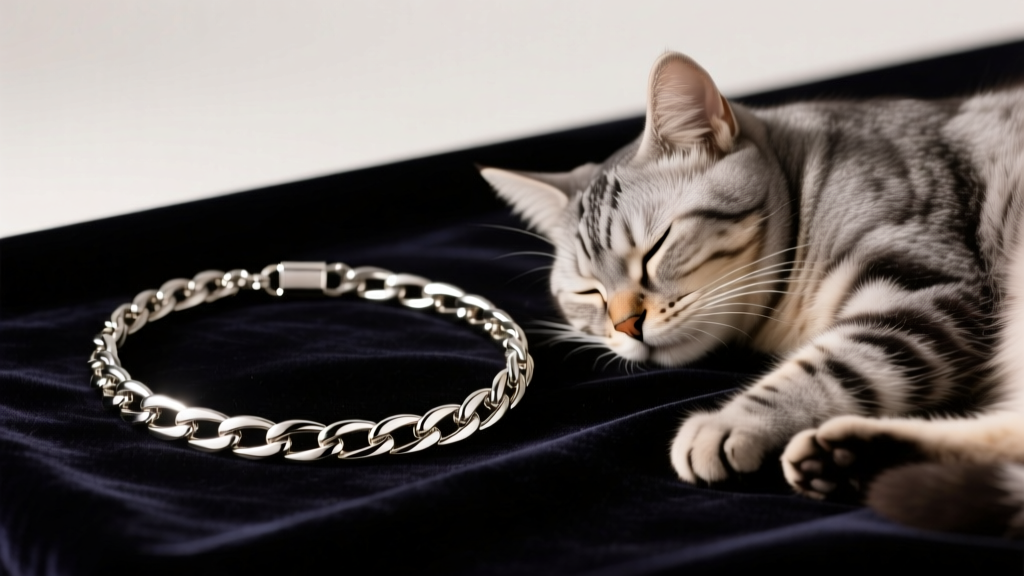
The Hidden Hazards: How Cats Damage Jewelry (and Ingest Toxins)
Cat owners know the daily struggle: you put on a delicate gold chain, and your feline friend immediately sees an irresistible toy. The inevitable "bap-bap" of a paw leads to snagged links, scratched pendants, and occasionally, broken jewelry. However, the damage isn't merely cosmetic. Finding the right necklace for cat owners requires a deep understanding of metallurgy, tensile strength, and toxicology. Cats explore their environment using their mouths, meaning any jewelry they bat at or chew on poses a potential ingestion risk. According to the ASPCA Animal Poison Control, heavy metal toxicity—specifically from lead, cadmium, and nickel found in cheap jewelry alloys—can cause severe gastrointestinal and neurological issues in pets. Therefore, selecting a durable, non-toxic necklace is not just about preserving your investment; it is about ensuring the safety of your pet.
Material Hardness & Scratch Resistance: The Mohs and Vickers Breakdown
Feline claws are composed of keratin. While keratin ranks at a mere 2.5 on the Mohs hardness scale, the microscopic sharpness of a freshly shed claw sheath acts like a fine needle, capable of marring high-polish finishes on softer metals. To combat this, we must look beyond the Mohs scale and evaluate metals using the Vickers Hardness (HV) test, which measures a material's resistance to indentation and surface deformation. As of 2026, jewelers are increasingly utilizing advanced aerospace-grade metals for pet owners who refuse to sacrifice style for durability.
| Material | Vickers Hardness (HV) | Scratch Resistance | Toxicity Profile if Chewed |
|---|---|---|---|
| Tungsten Carbide | 1500+ | Exceptional (Virtually scratch-proof) | Inert / Safe |
| Grade 23 Titanium (Ti-6Al-4V) | 340 | High (Resists keratin scratching) | Inert / Hypoallergenic |
| Platinum (950 Alloy) | 125 (Work-hardens) | Moderate (Develops a safe patina) | Inert / Safe |
| 14k Yellow Gold | 140 | Low (Prone to micro-scratches) | Safe (if 100% nickel-free) |
| Sterling Silver (925) | 105 | Very Low (Scratches and tarnishes) | Risk of copper/nickel reactions |
For the ultimate scratch-proof necklace for cat lovers, Tungsten Carbide is unmatched. However, its extreme brittleness means it can shatter if caught in a heavy door or stepped on. Grade 23 Titanium offers the best balance: it is lightweight, impervious to feline saliva, and hard enough to resist claw marks without the shatter risk of tungsten.
Chain Weave Engineering: Surviving the Feline Snag Test
The chain is usually the first point of failure. When a cat hooks a claw into a chain link, the tensile strength and structural geometry of the weave dictate whether the necklace snaps or survives.
- Box Chains (Recommended): Composed of square, interlocking links that create a smooth, flat exterior. There are no protruding edges for a claw to hook into. A 2.0mm or 3.0mm gauge box chain offers exceptional tensile strength (withstanding over 15 lbs of pull force) while remaining snag-proof.
- Rope Chains (Conditional): While beautiful, the twisted helix design features microscopic grooves that can trap a cat's dewclaw. If you prefer a rope chain, you must opt for a thick gauge (3.5mm+) and a high-polish finish to minimize friction points.
- Herringbone & Snake Chains (Avoid): These flat, fluid chains are structurally vulnerable to lateral bending. If a cat steps on a herringbone chain or pulls it sideways, the links will instantly kink and permanently weaken, leading to sudden failure.
- Cable Chains (Avoid): The classic oval links act as perfect little handles for feline paws, virtually guaranteeing a snagged claw and a broken chain.
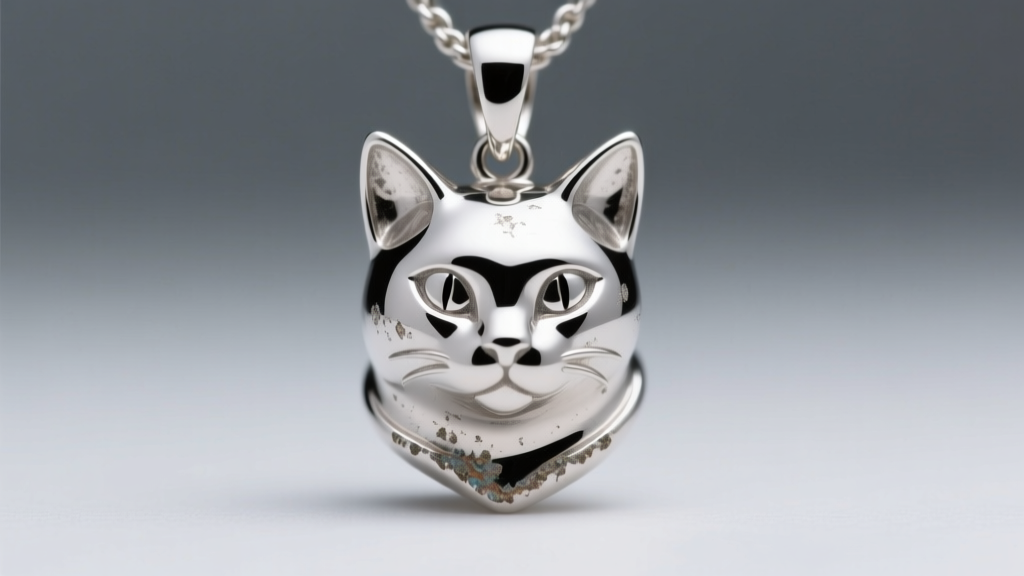
Pendant Materials: Non-Toxic & Bite-Proof Options
If your cat manages to catch the pendant in their mouth, the material composition becomes a critical health factor. The Gemological Institute of America (GIA) provides extensive data on gemstone durability, but metal and enamel treatments require equal scrutiny.
The Dangers of Plated Metals and Enamel
Avoid gold-plated or rhodium-plated pendants. Feline teeth can easily flake off microscopic layers of plating, exposing the base metal (often brass or nickel) which can cause oral irritation or heavy metal ingestion if swallowed. Similarly, cold enamel or epoxy resin pendants can chip into sharp, glass-like shards when bitten, posing a severe laceration risk to your cat's gums and digestive tract.
Safe Gemstone Alternatives
If your necklace features a gemstone, avoid stones with perfect cleavage planes, such as Tanzanite, Emerald, or Topaz. A sharp tap from a cat's paw against a hardwood floor can cause these stones to cleave or shatter. Instead, opt for Jadeite (Mohs 6.5-7, but exceptionally tough due to its interlocking crystalline structure) or Sapphire (Mohs 9, excellent for daily wear and bite-resistance).
Addressing the Literal "Necklace for Cat" (Pet Jewelry)
Sometimes, the search intent behind "necklace for cat" isn't about the owner's jewelry, but rather adornment for the pet itself. If you are looking to purchase a decorative collar or a literal necklace for cat pets, the material rules change entirely to prioritize cervical safety and emergency release.
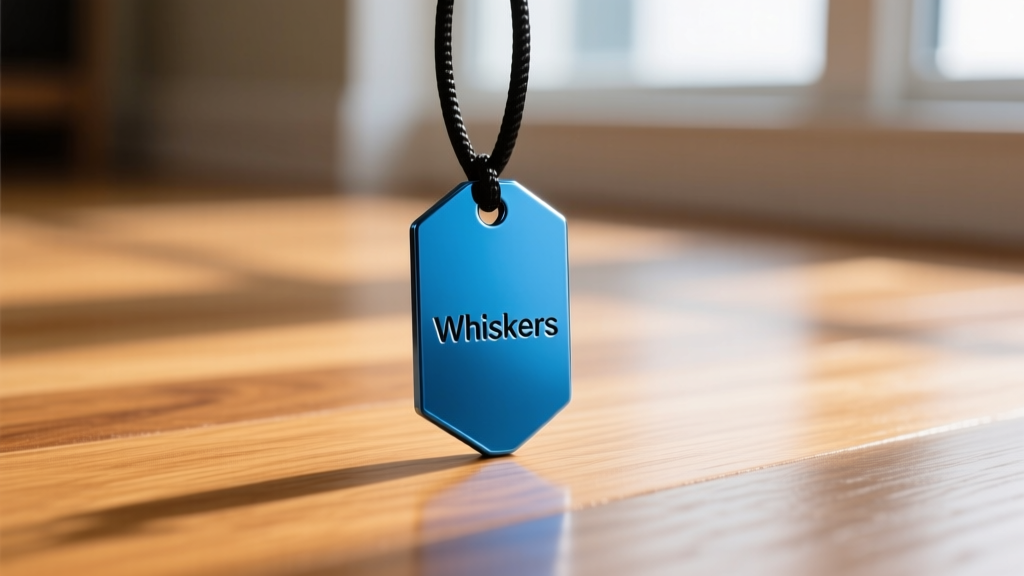
According to the Cornell Feline Health Center, cats should never wear standard jewelry clasps or rigid chains. A literal necklace for a cat must adhere to the following strict parameters:
- Breakaway Mechanisms: The clasp must be a certified breakaway buckle that releases under 1.5 to 2.5 kg of force, preventing strangulation if the necklace catches on furniture or branches.
- Cord Materials: Avoid leather (which harbors bacteria and snaps unpredictably) or standard nylon (which can cause friction burns). The gold standard in 2026 is PTFE (Polytetrafluoroethylene) coated cord. PTFE is incredibly strong, completely waterproof, and has a low friction coefficient that prevents fur matting.
- Pendant Weight: Any decorative tag or pendant must be crafted from anodized aluminum or hollow-cast titanium, keeping the total weight under 10 grams to prevent chronic neck strain and behavioral irritation.
Final Verdict: What to Buy in 2026
Whether you are shopping for yourself or your pet, navigating the jewelry market as a pet owner requires a shift from traditional aesthetics to functional material science. For human wear, a Grade 23 Titanium or 950 Platinum box chain paired with a solid, unplated pendant offers the ultimate defense against feline antics. It will not scratch easily, it will not snap under a sudden paw strike, and most importantly, it introduces zero toxic risk to your curious companion. By prioritizing Vickers hardness, snag-free weave geometries, and inert metallurgical profiles, you can finally wear your favorite necklace without keeping one eye on the cat.


