Sea Monkey Necklace Value Guide: Pricing & Auth Tips 2026
Discover the true market value of a sea monkey necklace in 2026. We break down pricing for vintage 1960s promos and modern artisan bio-resin pendants.

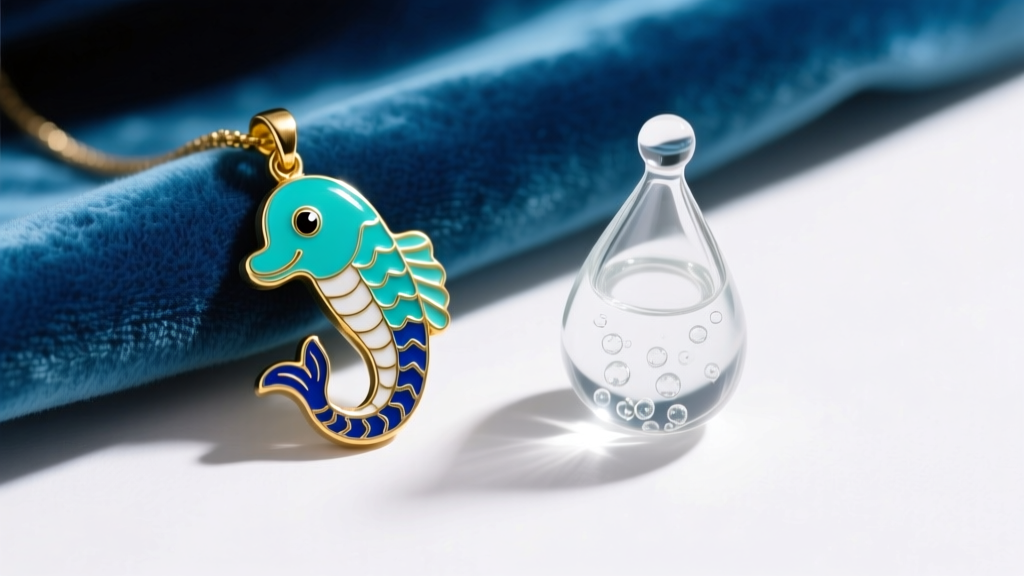
When collectors and quirky jewelry enthusiasts search for a sea monkey necklace, they are usually hunting for one of two vastly different artifacts. The first is the nostalgic, mid-century promotional character pendant tied to Harold von Braunhut’s iconic 1960s novelty pet craze. The second is a modern piece of artisan "bio-jewelry," featuring actual Artemia salina (brine shrimp) cysts or hatched specimens suspended in crystal-clear resin. As we navigate the 2026 vintage and artisan jewelry markets, understanding the material science, authenticity markers, and structural integrity of these pieces is critical for making a sound budget and value assessment.
Whether you are allocating $20 for a nostalgic novelty piece or $80 for a handcrafted bio-resin teardrop, knowing exactly what you are paying for separates savvy collectors from disappointed buyers. This comprehensive guide dissects the market value, material degradation risks, and chain-pairing mechanics of the sea monkey necklace phenomenon.
The Dichotomy: Vintage Promos vs. Modern Bio-Resin
To accurately assess value, we must first bifurcate the market. The term "sea monkey necklace" does not refer to a single standardized design. Instead, it encompasses two distinct categories of jewelry, each with its own pricing drivers and failure modes.
1. The Vintage Promotional Pendant (1960s–1980s)
Originally sold via mail-order comic book ads or as promotional premiums alongside the iconic Sea-Monkeys aquarium kits, these pendants feature the classic, cartoonish "Sea Monkey" character. According to historical archives on the Sea-Monkeys brand, these items were mass-produced as inexpensive novelty gifts. They are typically cast from pot metal (Zamak alloy) and finished with cold enamel paints. Their value today is driven entirely by nostalgia, pop-culture rarity, and condition.
2. The Artisan Bio-Resin Vial (2010s–Present)
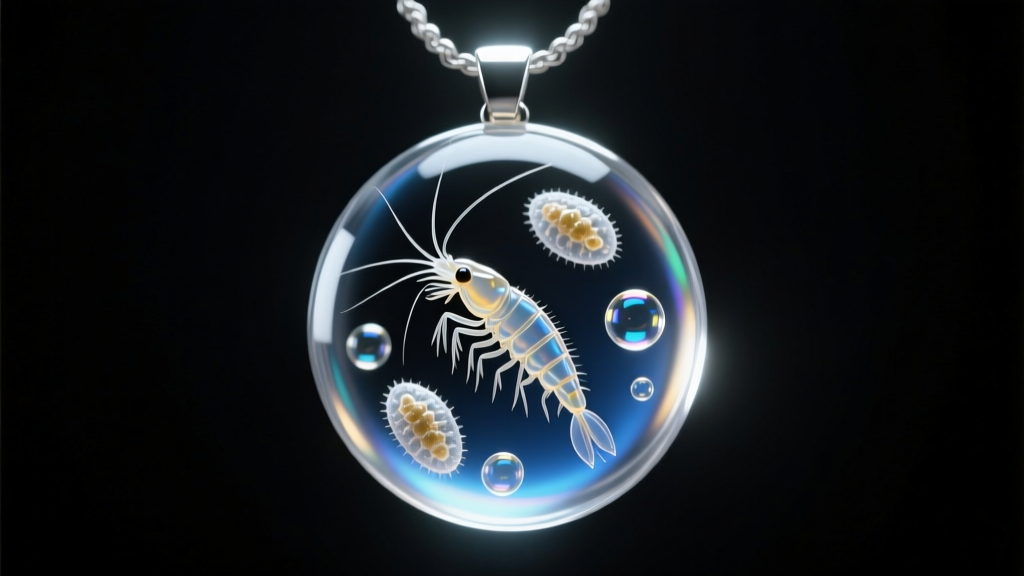
In the contemporary maker market, independent jewelers create "ocean in a bottle" or bio-resin pendants. Some artisans market these as sea monkey necklaces by encasing actual brine shrimp eggs (which look like tiny rust-colored specks) or hatched, preserved specimens in UV-cured or epoxy resin. These pieces appeal to the cottagecore, science-core, and oddity jewelry demographics. Their value is dictated by the quality of the resin, the craftsmanship of the metal caps, and the ethical sourcing of the biological inclusions.
2026 Market Value & Pricing Matrix
Budgeting for a sea monkey necklace requires understanding the current market tiers. The table below outlines the expected pricing and investment trajectory for both categories as of 2026.
| Category | Era / Origin | Primary Materials | 2026 Price Range | Value Trajectory |
|---|---|---|---|---|
| Vintage Promotional (Mint) | 1960s–1970s | Zamak alloy, pristine cold enamel | $65 – $120 | Steady Appreciation |
| Vintage Promotional (Played) | 1960s–1980s | Zamak alloy, chipped enamel, patina | $15 – $40 | Stable (Novelty Floor) |
| Artisan Bio-Resin (Sterling) | Modern (Indie Maker) | UV Resin, .925 Sterling Silver caps | $55 – $95 | Stable (Craftsmanship-based) |
| Mass-Produced Novelty | Modern (Dropshipped) | Zinc alloy, cheap epoxy, glass vials | $8 – $18 | Zero Resale Value |
Authenticating Vintage 1960s Promotional Pendants
If your budget is allocated toward a genuine mid-century vintage piece, authentication is paramount. The secondary market is currently flooded with modern reproduction alloy pendants manufactured overseas and artificially distressed. Here is how to verify a genuine vintage sea monkey necklace using material forensics.
Examining the Base Metal and Stamps
Authentic 1960s and 1970s promotional jewelry was frequently cast from Zamak—a zinc alloy with aluminum, magnesium, and copper. Over 50+ years, Zamak develops a very specific, dull, powdery oxidation known as "zinc pest" if stored in humid environments. Modern reproductions are often made from brighter, lighter zinc alloys or stamped brass. Furthermore, as noted in expert guides on vintage jewelry markings, original 1960s pieces often bear a faint "Hong Kong" or "Japan" stamp on the reverse bail or flat edge, whereas modern fakes are usually completely unmarked or bear modern laser-etched CE marks.
The Cold Enamel Test
Vintage pieces utilized "cold enamel" (an early epoxy-based resin paint), not vitreous (fired) enamel. Cold enamel on a 60-year-old necklace will exhibit micro-crazing—a network of microscopic cracks visible under a 10x jeweler's loupe. It will also feel slightly warm and soft to the touch compared to the glass-like hardness of fired enamel. If the enamel on a purported 1960s pendant is perfectly glossy, hard, and deeply saturated, you are likely looking at a modern reproduction utilizing advanced polyurethane enamels.
Assessing Modern Artisan Bio-Resin Pieces
For buyers drawn to the science-core aesthetic of a modern bio-resin sea monkey necklace, the primary value assessment revolves around polymer chemistry and metalwork. A beautiful pendant can become a worthless, yellowed paperweight within months if the wrong materials are used.
The UV Resin Yellowing Problem
The most critical failure mode in modern bio-jewelry is photo-oxidative degradation. When brine shrimp cysts are suspended in standard UV-curing resin, exposure to ambient sunlight causes the polymer chains to break down, resulting in a murky, yellowish-brown tint. When evaluating a piece or commissioning an artisan, you must inquire about the use of HALS (Hindered Amine Light Stabilizers) and advanced UV absorbers. High-grade, non-yellowing jewelry resins (like those used by professional lapidaries) cost significantly more but guarantee optical clarity for decades. According to material research referenced by institutions like the Gemological Institute of America (GIA), polymer stability is a major factor in the long-term valuation of alternative gemstone materials.
Evaluating the Metal Caps and Bails
A $75 bio-resin teardrop pendant loses 80% of its functional value if it is capped with plated base metal. Plated brass or zinc caps will inevitably corrode from skin oils and moisture, leaving green stains on the wearer's neck and compromising the structural seal around the resin. Always demand solid .925 sterling silver, titanium, or surgical-grade stainless steel caps and bails. The transition point where the resin meets the metal cap must be seamless; any visible gaps indicate poor molding techniques that will eventually allow moisture ingress, leading to the rotting of the biological inclusions inside.
Chain Pairing & Structural Integrity Metrics
A common mistake buyers make when purchasing a sea monkey necklace is underestimating the weight-to-gauge ratio required for the chain. The structural demands of a vintage Zamak pendant are vastly different from those of a modern resin teardrop.
Pairing Chains with Vintage Zamak Pendants
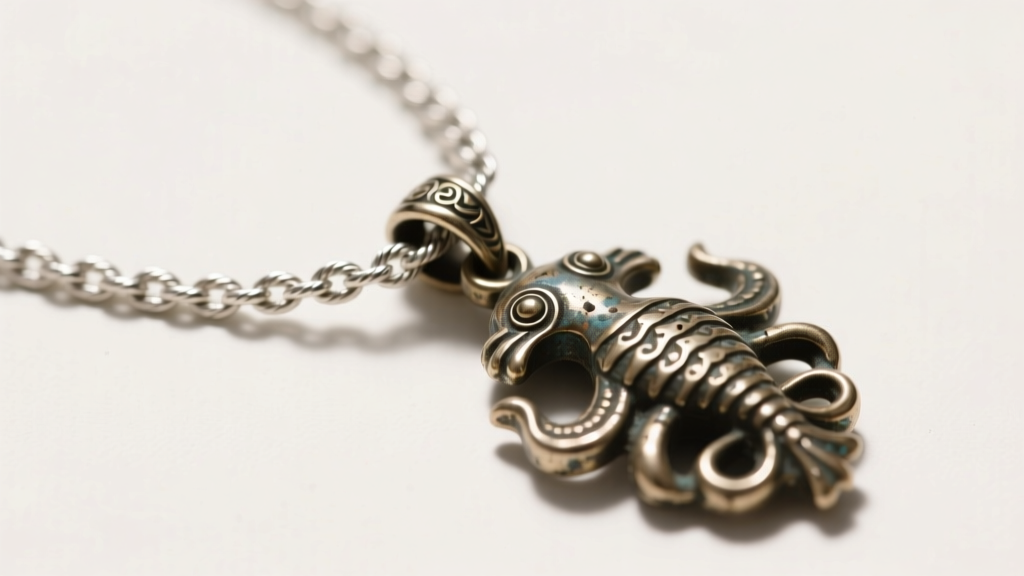
Vintage promotional pendants are deceptively heavy, often weighing between 18 and 28 grams due to the dense, thick-cast pot metal. Threading a delicate 1.2mm or 1.5mm cable chain through these pendants is a recipe for disaster. The sheer kinetic force of the heavy pendant swinging will quickly warp the jump rings and snap the clasp spring. For vintage Zamak pieces, you must budget for a robust chain. A 2.5mm to 3.5mm stainless steel curb chain or a 2.0mm sterling silver Figaro chain provides the necessary tensile strength to support the pendant safely without compromising the vintage aesthetic.
Pairing Chains with Bio-Resin Vials
Conversely, modern bio-resin teardrops and vials are remarkably lightweight, typically weighing under 8 grams. Heavy chains will overpower the delicate, translucent nature of the resin and cause the pendant to flip backward constantly. For these pieces, a 1.0mm to 1.5mm sterling silver snake chain or a fine 1.2mm gold-filled cable chain is ideal. These gauges offer enough structural integrity to hold the pendant securely while remaining visually unobtrusive, allowing the suspended brine shrimp inclusions to remain the focal point of the jewelry.
Final Verdict: Where Should You Invest Your Budget?
The value of a sea monkey necklace in 2026 is highly subjective, split between historical novelty and modern artisanal craft. If your goal is historical preservation and pop-culture investment, allocate a budget of $60 to $120 for a mint-condition, 1960s Zamak promotional pendant, ensuring you verify the micro-crazing on the cold enamel and the presence of period-correct stamps.
If your goal is daily wearability and unique aesthetic expression, direct your budget ($50 to $90) toward an independent artisan who utilizes HALS-stabilized, non-yellowing UV resin and solid .925 sterling silver hardware. Avoid the $15 mass-produced dropshipped novelties entirely, as their poor alloy quality and rapid resin degradation make them a complete waste of capital. By understanding the material science and market tiers outlined above, you can confidently navigate this quirky niche of the jewelry market and secure a piece that offers genuine, lasting value.


