The Ultimate Guide to Cleaning and Caring for a Seal Necklace
Learn expert techniques to clean, polish, and maintain your seal necklace. Protect intricate stamped details and patina with our step-by-step care guide.

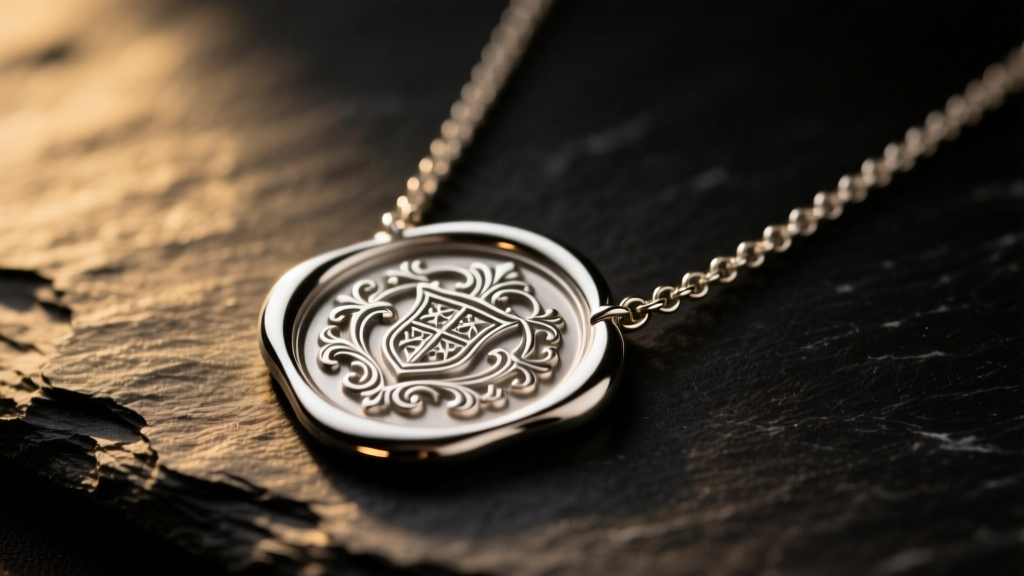
The Unique Anatomy of a Seal Necklace
A seal necklace is more than just a pendant; it is a wearable piece of history and artistry. Whether your piece features a traditional signet-style crest, a replica of a historical wax seal, or an intaglio design carved directly into the metal, the defining characteristic of a seal necklace is its intricate topography. The deep grooves, raised relief patterns, and deliberate textural contrasts are what give these pendants their visual weight and character.
However, this exact same intricate topography makes a seal necklace uniquely vulnerable to dirt accumulation, tarnish buildup, and polishing errors. Standard jewelry cleaning methods that work perfectly for smooth cabochon pendants or simple chain necklaces can actually ruin the delicate contrast of a stamped seal. In this comprehensive guide, we break down the exact material science and conservation techniques required to clean, maintain, and protect your seal necklace without compromising its artisan details.
Understanding Your Seal Necklace Material Composition
Before applying any cleaning solution, you must identify the exact material composition of your seal pendant. The care protocol varies drastically between solid metals, plated pieces, and organic inclusions.
Solid Sterling Silver with Intentional Oxidation
Most high-quality silver seal necklaces are crafted from .925 sterling silver and feature intentional oxidation (patina). Jewelers use chemicals like liver of sulfur to darken the recessed grooves of the seal, creating a stark contrast against the polished high points. This dark oxidation is crucial for the legibility of the seal's design. Aggressive polishing will strip this patina, leaving the necklace looking flat and washed out.
Gold Vermeil and Gold Plated Seals
Gold vermeil seal necklaces consist of a thick layer of gold (legally required to be at least 2.5 microns in the US) bonded over a sterling silver base. The grooves of a gold seal trap skin oils and lotions, which can eventually degrade the gold layer if left unattended. Unlike solid gold, vermeil requires a strictly non-abrasive cleaning approach to prevent wearing through the micron plating down to the silver core.
Resin-Encased and Actual Wax Seals
Some artisan jewelers create seal necklaces using actual sealing wax, encasing the fragile wax in a protective dome of clear UV-cured resin or glass. These pieces are highly sensitive to heat, harsh chemicals, and prolonged water exposure, which can cause the resin to cloud or the wax beneath to melt or discolor.
The Daily Wear Rules: Preventing Groove Buildup
Preventative care is always superior to reactive deep cleaning. The deep recesses of a seal necklace act as microscopic traps for environmental debris. Adopting the following daily habits will significantly extend the time between necessary deep cleans.
- The 'Last On, First Off' Rule: Your seal necklace should be the very last item you put on after applying cosmetics, perfumes, and hairspray, and the first item you remove when you get home. Alcohol and aerosol propellants can permanently cloud resin-encased seals and accelerate the tarnishing of silver grooves.
- Avoid Sulfur-Rich Environments: Sterling silver tarnishes when exposed to sulfur compounds. Remove your seal necklace before visiting hot springs, handling rubber bands, or working with certain types of wool and dyed fabrics, as sulfur will rapidly blacken the high points of the metal.
- The Microfiber Wipe-Down: Keep a clean, dry microfiber cloth in your jewelry box. After wearing your seal necklace, gently wipe the surface to remove acidic skin oils and sweat before storing it. Do not press hard into the grooves; simply glide over the high points.
Step-by-Step Cleaning Guide for Metal Seal Pendants
When your seal necklace requires a deeper clean to remove trapped sebum and environmental dust, follow this conservation-grade cleaning protocol recommended by experts at the Victoria and Albert Museum (V&A) jewelry conservation guidelines.
What You Will Need
- Distilled water (tap water contains chlorine and minerals that can spot the metal)
- pH-neutral, lotion-free dish soap (such as original blue Dawn)
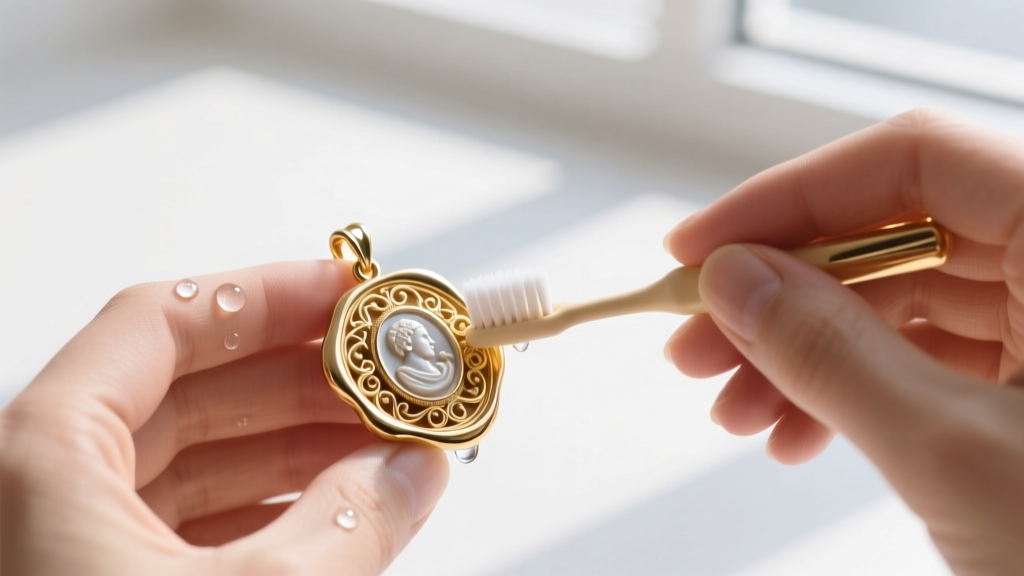
- An ultra-soft baby toothbrush (adult toothbrushes are too abrasive for gold vermeil)
- Lint-free microfiber cloths
- Wooden toothpicks (for stubborn debris)
The Cleaning Process
- Prepare the Solution: Mix a few drops of the pH-neutral dish soap into a bowl of lukewarm (never hot) distilled water. Hot water can shock certain gemstone accents often found in vintage seal necklaces.
- Brief Soak: Submerge the metal seal pendant in the solution for no more than 3 to 5 minutes. This softens the trapped oils without risking prolonged moisture exposure to the chain links.
- Gentle Agitation: Using the baby toothbrush, gently brush the surface of the seal. Crucially, brush with the directional grain of the metal stamping, not in harsh circular motions. Use a wooden toothpick to gently dislodge any hardened debris trapped deep within the intaglio grooves—never use metal needles or safety pins, which will scratch the silver or gold.
- Rinse and Dry: Rinse the pendant under a gentle stream of lukewarm distilled water. Immediately pat it dry with a microfiber cloth. Do not let the necklace air dry, as water evaporation will leave hard mineral spots deep inside the seal's crevices.
Mastering the Polish: Preserving the Patina Contrast
The most common mistake owners make when caring for a seal necklace is over-polishing. According to the Gemological Institute of America (GIA), improper polishing is a leading cause of detail loss in vintage and textured jewelry.
If your seal necklace is solid sterling silver with darkened grooves, you must avoid liquid silver dips and chemical tarnish removers at all costs. These chemicals will strip the intentional oxidation from the grooves, ruining the 3D effect of the seal. Instead, use a high-quality jeweler's polishing cloth (such as a Sunshine cloth). Wrap the cloth tightly around your index finger and gently buff only the raised high points of the seal. The cloth will not reach into the deep recesses, preserving the dark patina that makes the design legible.
Pro-Tip: Re-Oxidizing a Faded Seal
If a previous owner or an inexperienced jeweler has already polished the grooves of your seal necklace, leaving it looking flat and entirely bright silver, you can restore the contrast at home using a Liver of Sulfur solution. By diluting a small piece of liver of sulfur in warm water and briefly dipping the clean pendant, the metal will darken to a gunmetal black. Once dry, you use your polishing cloth to buff away the black oxidation from the high points, leaving the grooves dark and restoring the seal's original depth and drama.
Special Care for Resin-Encased and Antique Seals
Not all seal necklaces are solid metal. Artisan wax seals and antique glass intaglios require a completely different approach. Below is a quick reference chart detailing which cleaning agents are safe for specific seal materials.
| Seal Material | Safe Cleaning Agents | Agents to Strictly Avoid | Primary Risk Factor |
|---|---|---|---|
| Solid .925 Silver | Mild soap, distilled water, polishing cloth | Chemical silver dips, bleach | Stripping of intentional groove patina |
| Gold Vermeil | Mild soap, microfiber cloth | Ultrasonic cleaners, toothpaste | Erosion of the 2.5-micron gold layer |
| Resin-Encased Wax | Dry microfiber cloth only | Water, soap, alcohol, heat | Resin clouding, wax melting or warping |
| Antique Glass Intaglio | Damp cloth, mild glass cleaner (applied to cloth) | Ammonia, ultrasonic vibrations | Shattering of fragile historical glass |
For resin-encased wax seal necklaces, UV exposure is the silent killer. Prolonged exposure to direct sunlight will cause the clear resin dome to yellow and become brittle, and can cause the colored wax inside to fade or melt. Always store these specific pieces away from windows and light sources.
Proper Storage Techniques to Preserve Stamped Details
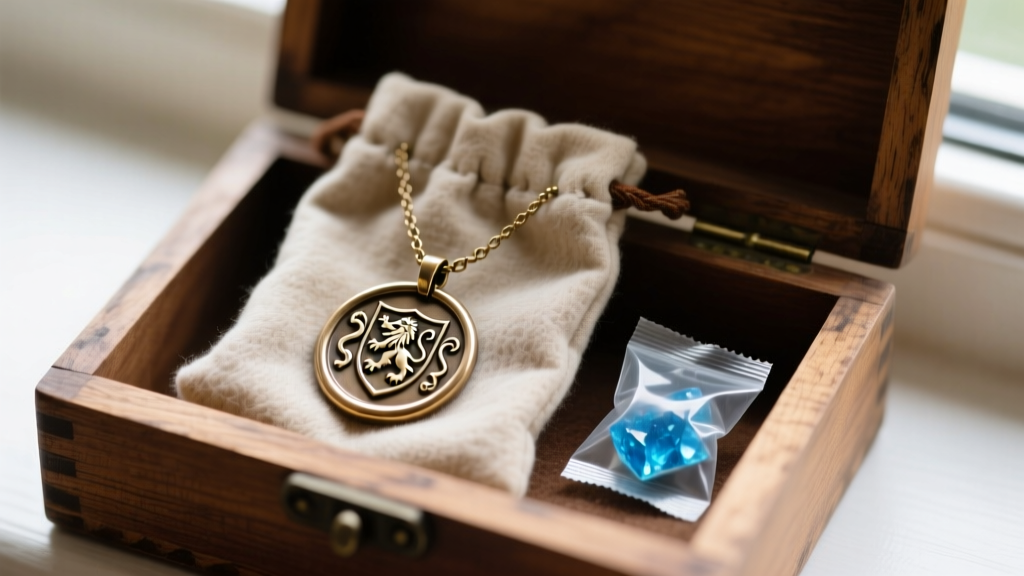
How you store your seal necklace when it is not being worn dictates how often you will need to clean it. Tossing a seal necklace into a communal jewelry box is a recipe for disaster. The heavy metal seal pendant can easily swing and dent softer pieces, while the chain can tangle and scratch the polished face of the seal.
Store your seal necklace in an individual, anti-tarnish flannel pouch. Brands like 3M produce Pacific Silvercloth pouches that actively absorb sulfur and moisture from the air, drastically slowing the tarnishing process of sterling silver. If you live in a high-humidity environment, drop a small, jewelry-safe silica gel packet into the storage box to control ambient moisture. Always lay the necklace flat or hang it; coiling the chain tightly around the heavy seal pendant puts unnecessary stress on the jump rings and solder points.
When to Seek Professional Jeweler Maintenance
While daily care and gentle cleaning can be managed at home, certain maintenance tasks require a professional bench jeweler. You should take your seal necklace to a professional every 2 to 3 years for a structural inspection.
The heavy weight of a solid metal seal pendant puts significant strain on the bail (the loop connecting the pendant to the chain) and the chain's clasp. A jeweler will use a loupe to check for microscopic metal fatigue, thinning jump rings, and worn solder joints. Furthermore, if your seal necklace features a gemstone accent (such as a small diamond or sapphire set into the crest), the vibrations of daily wear can loosen the prongs. A professional ultrasonic clean and prong-tightening at the bench will ensure your heirloom piece remains secure for generations to come.


