How to Select the Best Necklaces for Wife: A Step-by-Step Guide
Discover our step-by-step guide to selecting the best necklaces for wife. Learn about chain lengths, metal grades, and pendant styles for every occasion.

The Anatomy of a Meaningful Gift
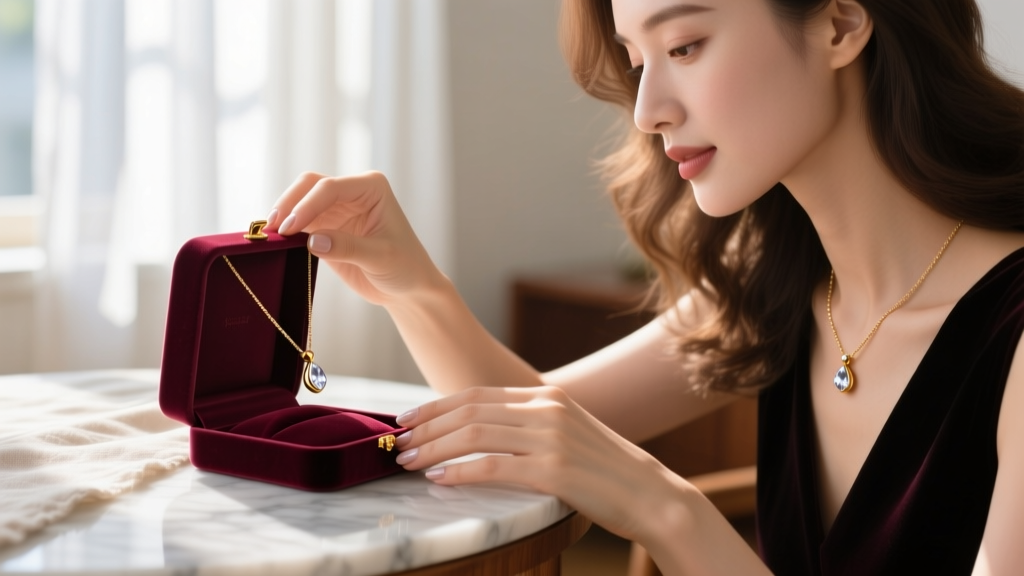
Selecting fine jewelry requires a strategic understanding of metallurgy, wardrobe geometry, and daily wearability. When searching for the perfect necklaces for wife, bypassing generic department store displays in favor of a tailored, methodical approach ensures your gift becomes a permanent fixture in her daily rotation. This step-by-step guide breaks down the technical and aesthetic variables you need to consider, from gold karatages and chain tensile strength to neckline pairing and clasp mechanics.
Step 1: Decode Her Current Jewelry Wardrobe
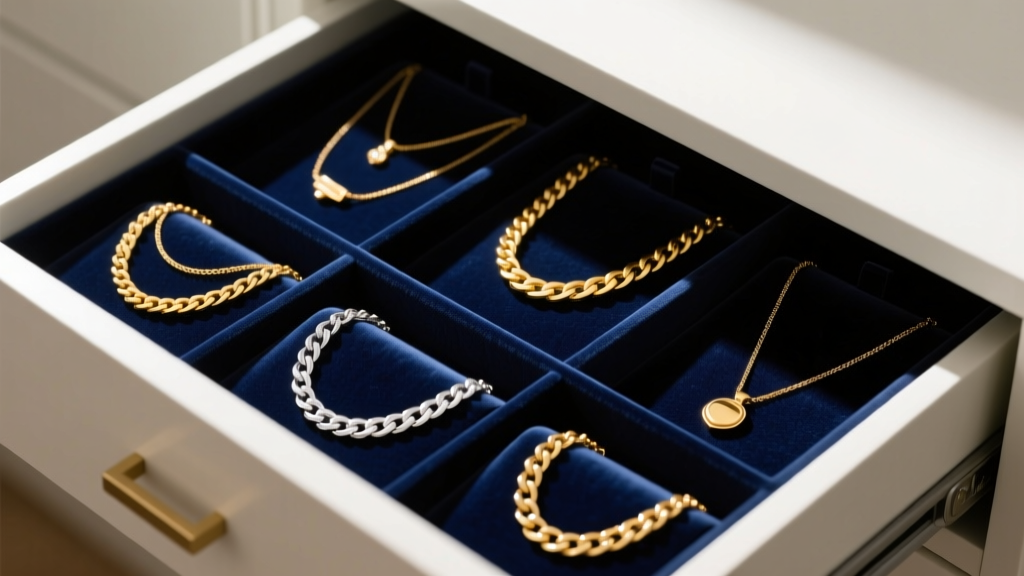
Before browsing any collections, conduct a discreet audit of her existing jewelry box. The goal is to identify her dominant metal tone and preferred chain weights. According to the Jewelers of America, mixing metals is a growing trend, but most individuals still have a foundational base metal that anchors their look.
- Yellow Gold Dominant: Indicates a preference for warm, vintage, or classic aesthetics. Look for 14k or 18k yellow gold.
- White Gold/Platinum Dominant: Suggests a modern, sleek, or minimalist style. Platinum (PT950) is ideal if she has sensitive skin or an active lifestyle.
- Rose Gold Dominant: Points toward romantic, contemporary, or feminine styling preferences.
- Mixed Metals: If she regularly layers silver and gold, consider a two-tone chain or a piece that incorporates both, such as a white gold chain with a yellow gold pendant bezel.
Step 2: Match the Necklace Length to Her Go-To Necklines
A necklace is only as flattering as its relationship to the wearer's neckline. The most common mistake buyers make is selecting a chain length that fights with her typical wardrobe. Use this reference chart to match the chain length to her most-worn garments.
| Chain Length | Style Name | Best Neckline Pairing | Visual Effect |
|---|---|---|---|
| 14 - 15 Inches | Choker / Collar | Crew necks, Off-shoulder, V-necks | Draws attention to the collarbone and neck; highly modern. |
| 16 Inches | Princess (Short) | Scoop necks, Boatnecks, Button-downs | Rests perfectly on the collarbone; the most versatile daily length. |
| 18 Inches | Princess (Standard) | V-necks, Sweetheart, Wrap dresses | Falls just below the collarbone; ideal for pendants and layering. |
| 20 - 24 Inches | Matinee | Turtlenecks, High necklines, Blazers | Rests on the upper chest; excellent for professional or formal wear. |
Step 3: Select the Right Metal Grade and Chain Style
The longevity of the necklace depends entirely on its metallurgical composition and link structure. Fine jewelry is an investment, and understanding the Gemological Institute of America's (GIA) guidelines on precious metals will prevent you from buying a piece that tarnishes or snaps within a year.
Gold Karats and Platinum Alloys
For everyday chains that will hold a pendant, 14k gold (58.5% pure gold) is the superior choice. The higher alloy content (usually copper, silver, or zinc) increases tensile strength, making it highly resistant to stretching or snapping. 18k gold (75% pure gold) offers a richer, deeper color and is hypoallergenic, but it is softer and better suited for lighter, shorter chains or solid bangles. If budget permits, Platinum (PT950) is the ultimate benchmark for durability; it does not wear away over time and develops a desirable patina rather than scratching deeply.
Chain Links and Clasp Mechanics
Avoid delicate, hollow chains like herringbone or snake chains for daily wear, as they are prone to kinking and are nearly impossible to repair. Instead, opt for structural links:
- Cable Chain: Classic, uniform oval links. Easy to repair and highly durable.
- Box Chain: Interlocking square links that lay flat. Exceptionally strong and ideal for heavier pendants.
- Rope Chain: Twisted links that reflect light brilliantly. Very secure, but can snag on fine fabrics if the gauge is too rough.
Pro-Tip on Clasps: Never settle for a standard spring-ring clasp on a valuable piece. They are difficult to operate and prone to failure. Ensure the necklace features a lobster clasp for chains under 2.0mm, or a box clasp with a figure-8 safety catch for heavier, premium chains.
Step 4: Choose a Pendant with Purpose
If you are adding a pendant, the setting style dictates both the security of the gemstone and the overall aesthetic. Bezel settings, where a thin rim of metal completely surrounds the gemstone, are highly recommended for active women. They protect the girdle of the stone from chipping and prevent the setting from snagging on sweaters or hair. Prong settings (typically 3, 4, or 6 prongs) allow maximum light to enter the stone, offering superior brilliance, but require annual professional checks to ensure the prongs haven't bent or lifted.
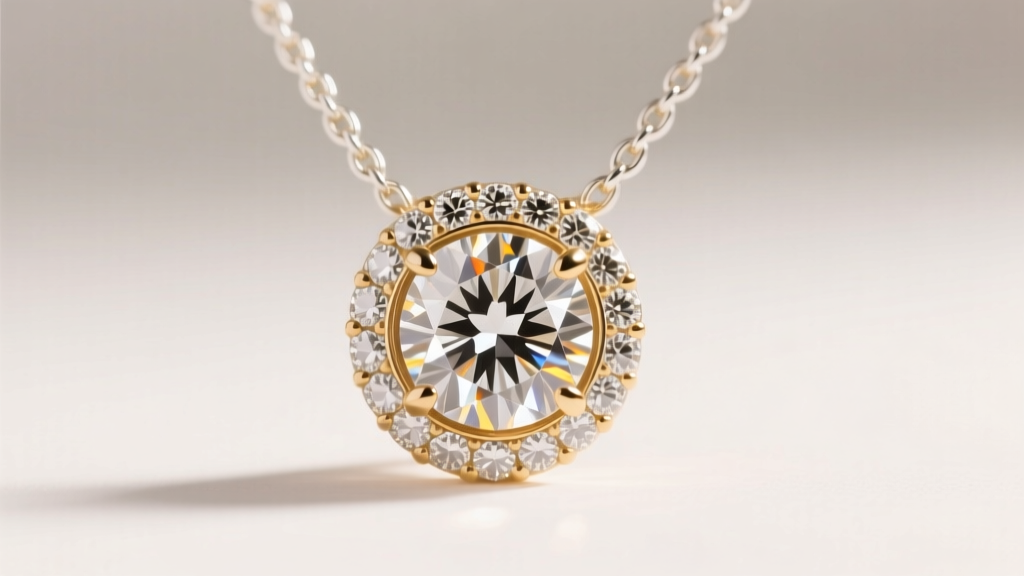
When selecting diamond or sapphire pendants for daily wear, always prioritize a bezel or half-bezel setting over high-prong settings to minimize the risk of stone loss during active routines.
Step 5: Budgeting and Sourcing
Establish a clear budget bracket to narrow your search to reputable jewelers who specialize in your target range. Avoid tourist-trap jewelry stores and focus on established bench jewelers or certified online retailers that provide transparent material sourcing.
- $150 - $500 (Demi-Fine & Silver): Focus on heavy sterling silver (925) with rhodium plating, or high-quality gold vermeil (ensure it is at least 2.5 microns thick over sterling silver). Brands like Mejuri or Gorjana excel here.
- $500 - $1,500 (Solid Gold & Accent Stones): This bracket secures solid 14k gold chains (1.5mm to 2.5mm width) with small diamond or sapphire accents (0.10 to 0.25 carat total weight).
- $1,500 - $5,000+ (Fine Jewelry & Solitaires): Here you enter the realm of 18k gold, platinum chains, and high-quality solitaire diamonds (0.50 to 1.00 carat) or precious colored gemstones with GIA or AGS certification.
Final Thoughts on Gifting
Finding the ideal necklaces for wife is less about guessing the latest trend and more about observing her daily habits, wardrobe preferences, and lifestyle needs. By prioritizing structural integrity—like choosing a 14k gold box chain with a lobster clasp—and matching the length to her favorite necklines, you guarantee a gift that is not only beautiful on the day it is opened but remains a trusted, wearable staple for decades to come.


