Sensory Chew Necklaces: The Complete Safety Buying Guide
Discover how to choose safe, durable sensory chew necklaces. Learn about silicone grades, breakaway clasps, and chew levels in our expert guide.

Understanding the Purpose of Sensory Chew Necklaces
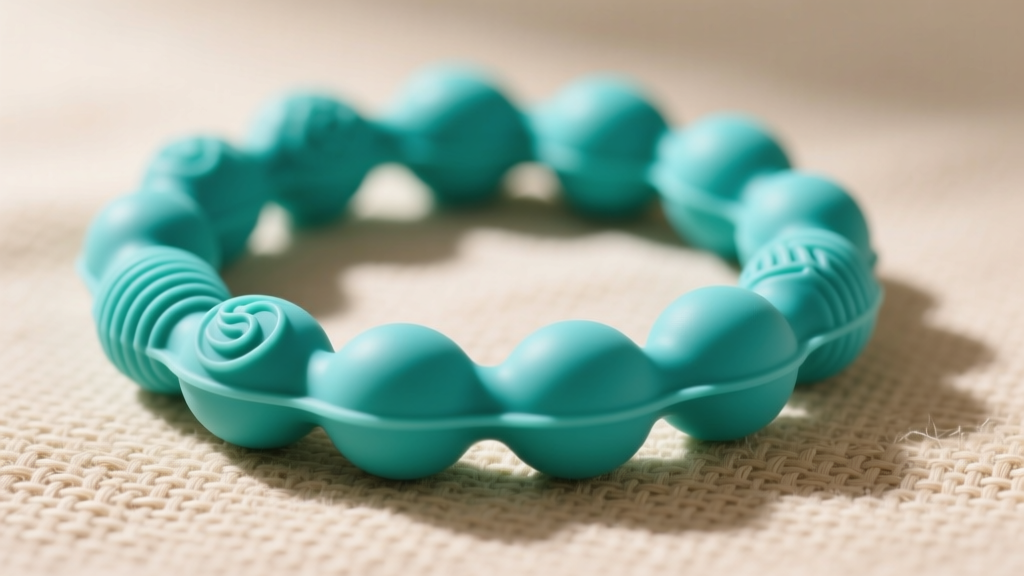
Sensory chew necklaces are specialized therapeutic tools designed to provide safe, hygienic oral sensory input for individuals with Autism, ADHD, Sensory Processing Disorder (SPD), or general anxiety. Unlike traditional jewelry, these pendants are engineered to withstand repetitive biting and chewing while providing proprioceptive feedback that helps regulate the nervous system. According to the STAR Institute for Sensory Processing, oral motor activities can significantly improve focus, reduce self-injurious biting behaviors, and lower cortisol levels during periods of high stress.
However, because these necklaces are subjected to intense mechanical stress and constant oral contact, buying the wrong product can pose severe choking and toxicity hazards. This comprehensive buying guide will walk you through the exact material specifications, safety mechanisms, and durability metrics you need to evaluate before purchasing sensory chew necklaces for yourself or your child.
Material Science: Decoding Silicone Grades and Certifications
The most critical factor when evaluating sensory chew necklaces is the base material. The industry standard is 100% food-grade or medical-grade silicone. However, not all silicone is created equal. You must look for products manufactured using platinum-cured silicone (also known as addition-cure silicone). Unlike tin-cured silicone, platinum-cured silicone does not leave behind toxic byproducts, does not degrade into micro-powders over time, and is completely non-porous, preventing bacterial harboring.
Essential Safety Certifications
Do not rely solely on marketing terms like "BPA-free." BPA is a chemical found in hard polycarbonate plastics, not silicone, making the claim largely irrelevant. Instead, verify that the manufacturer provides testing documentation for the following standards:
- FDA 21 CFR 177.2600: The US Food and Drug Administration standard for rubber articles intended for repeated use in contact with food.
- CPSIA Compliance: Ensures the product is free from lead and restricted phthalates, a mandatory requirement for any product marketed to children in the US.
- EN 71-3: The European safety standard for toy migration of certain heavy metals.
Avoid necklaces made from Thermoplastic Elastomer (TPE), Thermoplastic Rubber (TPR), or Polyvinyl Chloride (PVC). These materials often require plasticizers to remain flexible, which can leach harmful chemicals when exposed to the enzymes and heat of human saliva.
The Shore A Hardness Scale: Matching the Chew Level
Sensory chew necklaces are typically categorized into three chew levels: Soft, Medium, and Firm. To truly understand what you are buying, you need to look at the Shore A durometer scale, which measures the indentation hardness of elastomers. A lower Shore A number indicates a softer, more pliable material, while a higher number indicates a rigid, tough material.
| Chew Level | Shore A Hardness | Best Suited For | Estimated Lifespan |
|---|---|---|---|
| Soft / Light | 20A - 30A | Mild chewers, oral sensitivities, teething toddlers | 1 - 3 Months |
| Medium / Moderate | 40A - 50A | Frequent chewers, pencil biters, generalized anxiety | 3 - 6 Months |
| Firm / Aggressive | 60A - 75A | Intense jaw pressure, older teens, adult chewers | 6 - 12 Months |
Pro Tip: If a user frequently chews through medium pendants within weeks, do not just buy more medium pendants. Upgrade to a 60A firm pendant, or look for pendants with internal structural reinforcements, such as a solid silicone core wrapped in a softer outer layer.
Breakaway Clasps: The Non-Negotiable Safety Feature
The pendant itself is only half of the safety equation; the cord and clasp assembly are equally vital. The U.S. Consumer Product Safety Commission (CPSC) strictly warns against the use of continuous loops around the neck due to strangulation risks. Any reputable sensory chew necklace must feature a breakaway clasp.
Safety Warning: Never modify, tie off, or bypass a breakaway clasp to prevent the necklace from falling off. The clasp is engineered to release under specific tension limits to save the wearer's life in the event of entanglement.
Evaluating Clasp Tension and Cord Materials
A high-quality breakaway clasp should release when subjected to 3 to 5 pounds of lateral force. When inspecting a product, check the clasp housing: it should be made of durable, non-toxic ABS plastic or stainless steel, with a smooth release mechanism that does not snag on hair.
Furthermore, examine the cord. Braided nylon, Kevlar, or 100% cotton cords are ideal because they resist fraying and can withstand being pulled and chewed. Never purchase sensory necklaces that use elastic cords or rubber bands. Elastic degrades rapidly when exposed to saliva and UV light, and if it snaps under tension, it can cause severe facial or ocular injuries.

Common Failure Modes and Inspection Protocols
Even the highest-grade platinum silicone will eventually succumb to the sheer mechanical force of human jaw pressure (which can exceed 150 PSI in adults). Knowing how to identify impending failure is crucial to preventing choking hazards. Implement a weekly inspection routine focusing on these specific failure modes:
- Cord Hole Elongation: The most common point of failure is the channel where the cord threads through the silicone. Look for micro-tears, thinning, or a stretched "teardrop" shape. If the hole is visibly deformed, discard the pendant immediately.
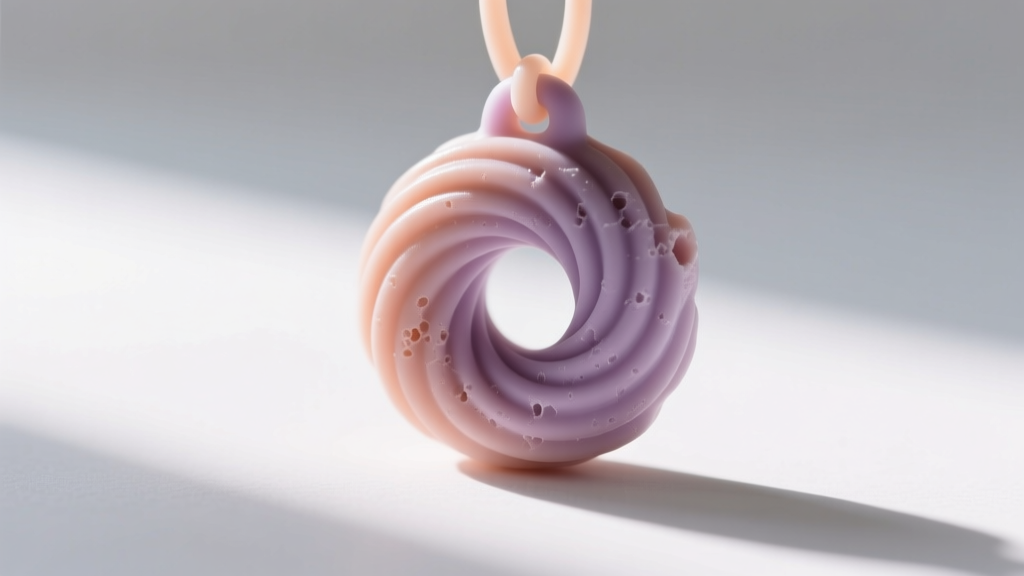
- Surface Pitting and Clouding: High-quality silicone should remain translucent or vibrant. If the surface becomes cloudy, sticky, or develops deep pitting that cannot be washed out, the polymer chains are breaking down.
- Chunking: If you notice small bits of silicone missing from the edges or ridges of the pendant, the material has reached its tensile limit. This poses an immediate aspiration risk.
Hygiene, Care, and Replacement Cycles
Because sensory chew necklaces are constantly exposed to oral bacteria, food particles, and environmental dirt, rigorous cleaning protocols are mandatory. Platinum-cured silicone is highly heat-resistant, making sterilization easy.
For daily maintenance, wash the pendant with warm water and mild, unscented dish soap. For deep sterilization, you can boil the silicone pendant (removed from the cord and clasp) in rolling water for 5 to 10 minutes, or place it on the top rack of a dishwasher. Avoid using harsh chemical disinfectants, bleach, or alcohol-based sanitizers, as these can degrade the silicone matrix over time, causing it to become brittle and prone to snapping.
Establish a strict replacement cycle. Even with light use, the cord should be replaced every 6 months, and the silicone pendant should be cycled out every 3 to 6 months, depending on the user's chew intensity and the Shore A hardness of the material.
Final Thoughts on Selecting Sensory Jewelry
Choosing the right sensory chew necklaces requires looking past aesthetic designs and focusing intensely on material science and mechanical safety. By prioritizing platinum-cured silicone, verifying independent lab certifications, understanding the Shore A hardness scale, and strictly enforcing breakaway clasp usage, you can provide a safe, effective, and regulating tool for yourself or your loved ones. Always prioritize safety over style, and never hesitate to retire a chewy at the first sign of structural compromise.


