The Ultimate Guide to Sensory Necklace Chew Jewelry for Adults
Discover the best sensory necklace chew options for adults. Learn about medical-grade silicone, breakaway clasps, and discreet styles for ADHD.

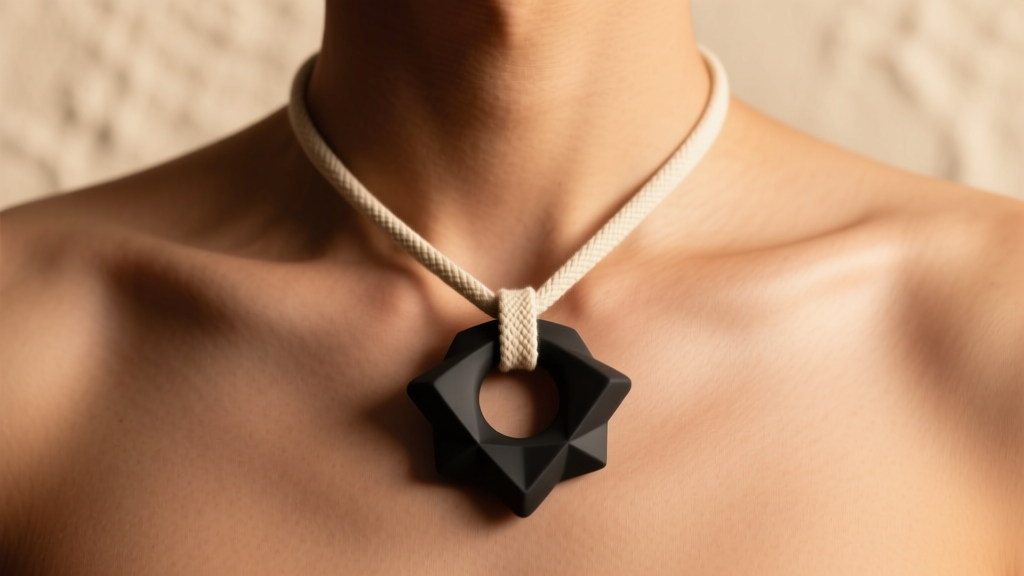
What is a Sensory Necklace Chew?
For neurodivergent adults, individuals with ADHD, or those managing anxiety, a necklace chew is far more than a simple accessory—it is a vital self-regulation tool. Chewing provides intense proprioceptive input to the jaw, which stimulates the vagus nerve and helps calm the central nervous system. While chewable jewelry is often marketed toward teething infants, the demand for sophisticated, adult-friendly sensory necklace chew options has skyrocketed in recent years. According to research highlighted by ADDitude Magazine, oral sensory seeking is a common, lifelong coping mechanism for many adults with ADHD and sensory processing differences.
However, navigating the market can be overwhelming. Cheap imports, unsafe materials, and dangerous cord designs flood online marketplaces. This beginner-friendly explainer will teach you exactly how to evaluate material grades, understand safety hardware, and find a discreet necklace chew that fits seamlessly into your professional and personal life.
Material Safety: The Platinum-Cured Silicone Standard
When shopping for a necklace chew, the material is non-negotiable. You should only purchase pendants made from 100% food-grade or medical-grade silicone. However, not all silicone certifications are created equal. You will typically see two main certifications:
- FDA (US Standard): Ensures the silicone is safe for food contact and free from heavy metals like lead and cadmium.
- LFGB (European Standard): A much stricter certification. LFGB testing requires platinum-cured silicone, ensuring zero chemical leaching, no plastic fillers, and resistance to high-temperature degradation.
The Expert "Pinch Test": If you already own a silicone pendant and want to test its purity, perform the pinch test. Twist or pinch the silicone tightly. If a white line or streak appears in the stressed area, the silicone contains plastic fillers or cheap catalysts. Pure, platinum-cured medical-grade silicone will retain its solid color throughout the stretch, as confirmed by FDA guidelines on food-contact substances.
Breakaway Clasps: The Most Critical Safety Feature
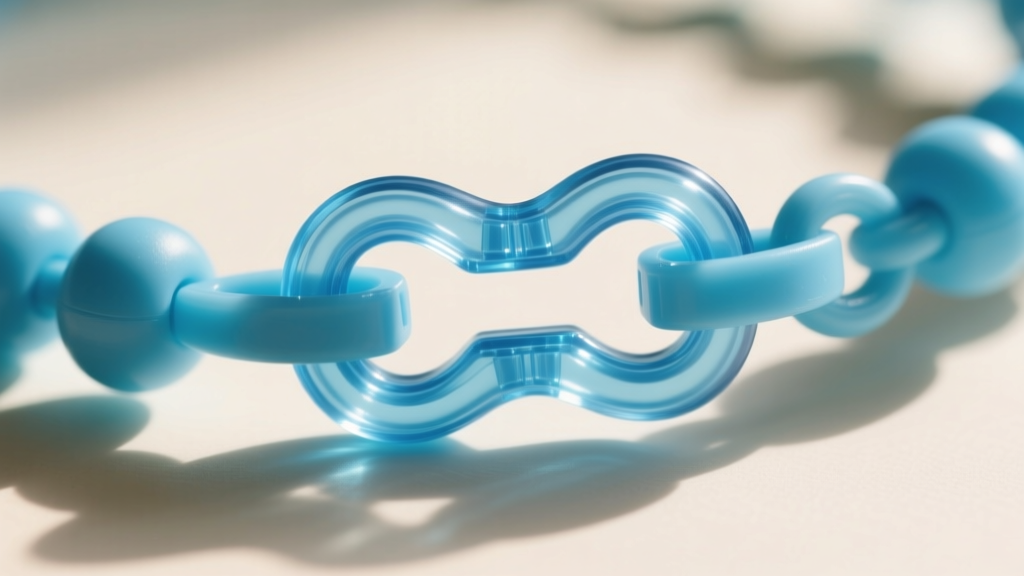
A necklace chew is designed to be pulled, tugged, and bitten. This introduces a severe strangulation hazard if the lanyard gets caught on a door handle, chair, or passing object. Every safe chew necklace must feature a breakaway clasp at the nape of the neck.
How Breakaway Hardware Works
High-quality sensory lanyards use a specialized acetal or POM plastic breakaway clasp. These are engineered to snap open when subjected to 5 to 9 pounds of lateral or downward pressure. Never buy a chew necklace that uses a standard jewelry lobster clasp, a continuous chain, or a tied leather cord without a breakaway point. Furthermore, be wary of adjustable sliding knots on cotton cords; under extreme tension, these knots can lock up and fail to release, defeating the purpose of the safety mechanism.
Choosing the Right Firmness and Texture
Sensory needs vary wildly from person to person. The STAR Institute notes that proprioceptive feedback requirements dictate the necessary resistance of the chew. Buying a pendant that is too soft for an aggressive chewer will result in the pendant tearing within days, creating a choking hazard. Use the table below to determine which firmness level matches your sensory profile.
| Firmness Level | Best For | Material Characteristics | Estimated Lifespan |
|---|---|---|---|
| Soft | Light mouthing, anxiety rubbing, sensitive gums. | High flexibility, low tensile resistance, squishy feel. | 1-2 months (if not bitten hard) |
| Medium | Moderate chewing, pencil-biters, occasional stress relief. | Balanced density, slight bounce-back, standard silicone feel. | 2-4 months |
| Firm / Extra Firm | Aggressive chewing, high proprioceptive seekers, jaw tension. | High density, rigid core, maximum tensile strength. | 3-6 months |
Discreet Styling for the Workplace
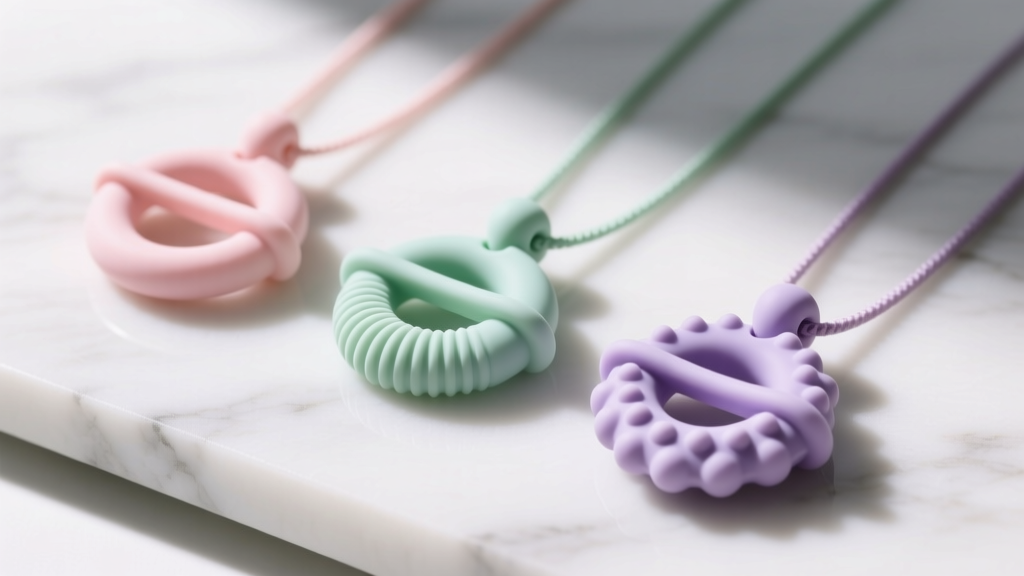
One of the biggest hurdles for adults seeking oral sensory tools is the stigma of wearing something that looks like a baby toy. Fortunately, modern jewelry designers have created highly discreet options that pass as contemporary minimalist jewelry.
- Geometric Pendants: Matte black, navy, or charcoal grey silicone molded into hexagons, dog tags, or sleek cylinders look identical to modern men's or women's streetwear accessories.
- Faux Gemstones: Some brands use opaque, marbled silicone that mimics the look of agate or turquoise stones from a distance.
- Lanyard Upgrades: Swap out the standard colorful cotton cord for a black waxed cotton rope, a stainless steel ball chain (with a silicone safety tube at the nape), or a vegan leather cord equipped with a hidden magnetic breakaway clasp.
Care, Cleaning, and Replacement Timelines
Because a necklace chew spends hours in your mouth, hygiene is paramount. Silicone is naturally non-porous and harbors fewer bacteria than plastics or wood, but it still requires regular sanitization.
Proper Cleaning Methods
- Daily Wash: Use warm water and mild, unscented dish soap. Rinse thoroughly.
- Weekly Sterilization: Submerge the silicone pendant (remove the cord first) in boiling water (100°C/212°F) for 5 minutes. Alternatively, place it on the top rack of your dishwasher.
- What to Avoid: Do not use UV sterilizers or harsh chemical bleaches. Prolonged UV exposure and harsh chemicals will break down the molecular bonds of the silicone, causing it to become brittle, sticky, or prone to tearing.
When to Throw It Away
No chew necklace lasts forever. Inspect your pendant weekly for signs of structural failure. If you notice any micro-tears, bite marks that have broken the surface, stretching at the cord hole, or a sticky/tacky residue that won't wash off, discard it immediately. A compromised pendant can easily break apart in the mouth, posing a severe choking risk.
Final Thoughts on Choosing Your First Chew Necklace
Investing in a high-quality necklace chew is an investment in your daily comfort, focus, and nervous system regulation. By prioritizing LFGB-certified platinum silicone, insisting on rigorously tested breakaway clasps, and selecting a firmness level that matches your unique sensory profile, you can find a safe, stylish, and highly effective tool. Whether you are navigating a high-stress corporate environment or simply looking for a healthier alternative to biting your nails or chewing on pens, the right chew necklace can make a world of difference.


