The shell necklace 90s trend: Material & Sourcing Deep Dive
Explore the technical details of the shell necklace 90s trend. Learn about puka grading, stringing materials, and how to spot vintage originals.

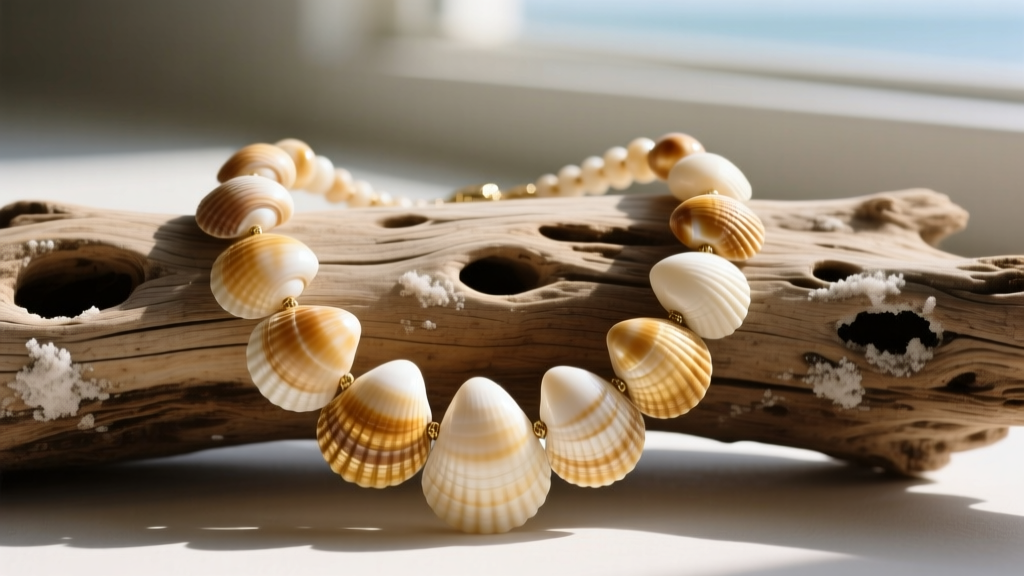
The Anatomy of an Authentic 90s Shell Necklace
The resurgence of the shell necklace 90s aesthetic has flooded the market with mass-produced, machine-drilled replicas. However, for collectors and jewelry archivists, the authentic 1990s pieces represent a specific intersection of surf culture, indigenous Hawaiian craftsmanship, and distinct material properties that modern fast-fashion jewelry fails to replicate. To truly understand the vintage shell necklace 90s market, one must look past the nostalgic silhouette and examine the structural taxonomy, stringing mechanics, and conservation status of the materials involved.
During the 1990s, the demand for organic jewelry skyrocketed, heavily driven by the skate and surf subcultures. The quintessential piece of this era was the graduated puka strand. Unlike modern iterations that utilize uniform, machine-tumbled shell chips, authentic 90s puka necklaces were composed of naturally occurring cone shell fragments. The craftsmanship lay not in carving the shells, but in the meticulous sorting and grading of thousands of beach-found fragments to create a seamless, symmetrical gradient in both color and diameter.
Shell Taxonomy and Mohs Hardness Ratings
The structural integrity of any vintage shell necklace 90s piece is dictated by its biological origin. Most authentic puka shells from this era are derived from the Conus miliaris (the ringed cone snail). The term "puka" translates to "hole" in Hawaiian, referencing the naturally worn apex of the shell that forms a bead-like structure after years of ocean tumbling.
From a gemological perspective, these shells are primarily composed of calcium carbonate in the form of aragonite and calcite. According to the Gemological Institute of America (GIA), organic calcium carbonate materials generally register between 3.0 and 3.5 on the Mohs hardness scale. This relative softness makes them highly susceptible to scratching and chemical degradation, particularly when exposed to the acidic pH of human sweat (which typically ranges from 4.5 to 7.0) or the alcohol bases found in 90s-era perfumes.
| Shell Type | Biological Source | Mohs Hardness | Structural Vulnerability | Avg. Vintage 90s Price (2026) |
|---|---|---|---|---|
| True Puka | Conus miliaris | 3.0 - 3.5 | Acid etching, edge chipping | $150 - $450 |
| Cowrie | Cypraeidae family | 3.0 - 4.0 | Nacre delamination, UV fading | $80 - $200 |
| Mother of Pearl | Pinctada oysters | 2.5 - 3.5 | Scratching, chemical clouding | $120 - $300 |
| Heishi (Shell) | Various Bivalves | 3.0 - 3.5 | Edge wear, stringing friction | $60 - $150 |
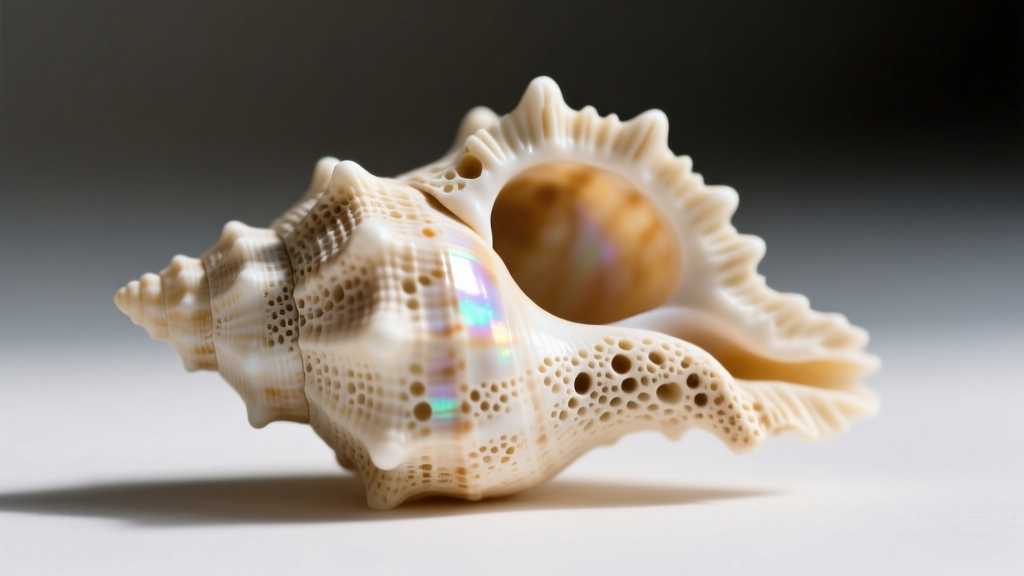
Identifying True Puka vs. 90s Replicas
The most critical skill in evaluating a shell necklace 90s piece is distinguishing true ocean-tumbled puka from drilled clam shells or plastic composites. Authentic Conus puka features an asymmetrical, naturally worn hole. One side of the hole will typically be slightly convex (the outer shell wall), while the opposite side is concave (the inner spire). If a necklace features perfectly cylindrical, laser-drilled holes with uniform thickness, it is a post-2000s replica or a "chip" necklace, which holds virtually no archival value.
Stringing Materials: Waxed Cotton vs. Braided Nylon
The failure rate of vintage 90s shell necklaces is rarely due to the shells themselves; it is almost entirely a result of stringing material degradation. In the 1990s, the industry standard for stringing organic beads was 1.0mm to 1.5mm waxed cotton cord or early iterations of braided hemp.
Waxed cotton possesses a tensile strength of roughly 15 to 20 pounds, which is more than sufficient to hold the lightweight calcium carbonate beads. However, the beeswax or paraffin coating used to waterproof the cotton breaks down over decades of exposure to sebum, urea, and UV radiation. When evaluating a vintage piece today, the cord should be inspected for dry rot, stiffness, and micro-fractures. A genuine 90s piece that has been worn regularly will likely require professional restringing using modern, UV-stabilized C-Lon nylon or polyamide threads, which offer a tensile strength exceeding 40 pounds and are impervious to sweat degradation.
Knotting Techniques and Clasp Hardware
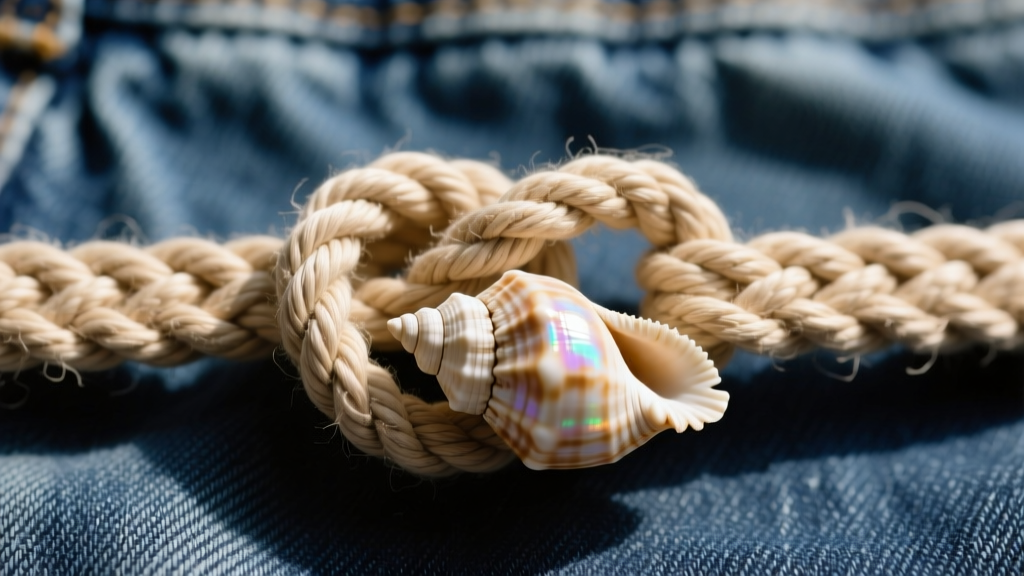
High-end 90s shell necklaces rarely utilized base-metal lobster clasps, which were prone to oxidation in saltwater environments. Instead, artisans relied on the macramé sliding square knot (often misidentified as a monkey fist or Josephine knot in retail settings). This adjustable friction knot allowed the wearer to modify the necklace length from a 16-inch choker to a 22-inch matinee drop without the need for metal hardware. The friction coefficient of the waxed cotton was essential for this knot to hold; modern synthetic cords often require a micro-bead of cyanoacrylate adhesive at the knot's terminus to prevent slipping.
Sourcing and Conservation: The CITES Factor
An often-overlooked aspect of collecting the shell necklace 90s trend is the legal and ethical framework surrounding marine biology. The mass harvesting of cone snails in the 1980s and 1990s led to severe ecological depletion in the Indo-Pacific region. Consequently, many species within the Conidae family were later added to the CITES (Convention on International Trade in Endangered Species) appendices to regulate and monitor cross-border trade.
While beach-found, naturally broken puka fragments are generally exempt from strict permitting in many jurisdictions, whole cowrie shells and specific unbroken Conus species require documented proof of pre-convention acquisition or sustainable harvesting certificates when sold internationally. For serious collectors, acquiring a vintage 90s shell necklace with its original provenance or a documented bill of sale from a recognized Hawaiian artisan of the era not only guarantees authenticity but ensures compliance with modern international wildlife trade regulations.
Preservation and Cleaning Protocols
Maintaining the structural and aesthetic integrity of a vintage shell necklace requires strict adherence to organic gemstone conservation protocols. Never use ultrasonic cleaners, steamers, or commercial jewelry dips containing ammonia or mild acids. These chemicals will instantly strip the delicate protein matrix (conchiolin) that binds the calcium carbonate crystals, resulting in irreversible chalkiness and micro-fissures.
The correct cleaning methodology involves a gentle wipe-down with a microfiber cloth slightly dampened with distilled water. For stubborn sebum buildup trapped in the concave spires of the puka shells, a soft-bristled cosmetic brush dipped in a solution of distilled water and a single drop of pH-neutral, non-ionic surfactant can be used. After cleaning, the necklace must be air-dried completely in a low-humidity environment before being stored in an acid-free archival tissue box, separate from harder gemstones that could scratch the 3.0 Mohs surface.
Conclusion
The shell necklace 90s phenomenon was more than a fleeting fashion trend; it was a masterclass in organic material sorting and tension-based jewelry design. By understanding the biological origins of the Conus miliaris, the tensile limitations of vintage waxed cotton, and the modern conservation laws governing marine life, collectors can accurately appraise, preserve, and authenticate these iconic pieces of late-20th-century jewelry history.


