Shirt Necklace Care: Expert Cleaning & Maintenance
Discover expert shirt necklace care tips. Learn how to clean, prevent fabric friction damage, and maintain collar and over-shirt chains.

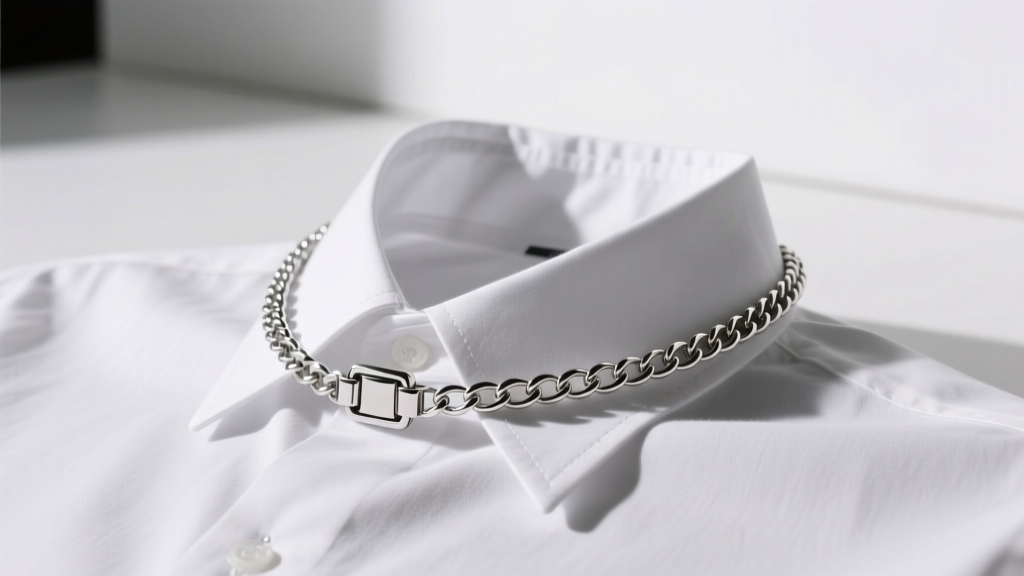
The term 'shirt necklace' encompasses a wide array of jewelry designed specifically to be worn over or integrated with shirts. This includes collar chains that hug the neckline of a button-down, bolo ties, tie-necklaces, and long pendants meant to rest against cotton t-shirts or woven fabrics. While these pieces are staples of modern layering, wearing metal and gemstones in constant contact with textiles introduces unique maintenance challenges. Fabric friction, laundry chemical residues, and trapped sweat can rapidly degrade both the metal and the stones if not properly managed.
As a domain expert in jewelry maintenance, I have developed this comprehensive guide to help you preserve the structural integrity and visual brilliance of your shirt necklaces. Below, we will explore the physics of fabric friction, the chemistry of dye transfer, and exact, step-by-step cleaning protocols used by master jewelers.
The Physics of Fabric Friction on Precious Metals
When a necklace rests against a shirt, every movement of your body causes the metal to slide across the textile. While cotton, wool, and silk feel soft to human skin, at a microscopic level, their woven fibers act as mild abrasives. Over months of daily wear, this continuous friction creates micro-scratches on the metal's surface, leading to a dull, matte appearance.
The severity of this abrasion depends entirely on the Vickers Hardness (HV) of the metal alloy you choose. Pure 24k gold is exceptionally soft and will quickly show wear marks when paired with heavy textiles like denim or twill. Conversely, alloyed metals and work-hardened platinum offer significantly more resistance to textile friction.
Metal Hardness vs. Fabric Friction Resistance
| Metal Type | Vickers Hardness (HV) | Friction Resistance | Best Fabric Pairing |
|---|---|---|---|
| 24k Pure Gold | ~65 HV | Very Low | Silk, fine satin (minimal friction) |
| 18k Yellow Gold | ~125 HV | Moderate | Cotton tees, lightweight linen |
| 14k White Gold | ~160 HV | High | Oxford cloth, denim, flannel |
| Platinum (950) | ~125 HV (Work-hardens) | Very High | All woven textiles, heavy knits |
| Sterling Silver | ~60-80 HV | Low (Prone to scratching) | Smooth cotton, avoid raw denim |
Note: Platinum's unique property is that it work-hardens upon impact and friction, meaning it actually becomes more resistant to surface wear over time compared to gold alloys, which lose metal mass when scratched.
The Chemistry of Sweat, Dyes, and Tarnish
Shirt necklaces are positioned directly over the chest and neck, areas with high concentrations of eccrine and apocrine sweat glands. Human sweat contains urea, ammonia, and sulfur compounds. When sulfur interacts with the copper alloyed in sterling silver (which is 92.5% silver and 7.5% copper), it rapidly forms silver sulfide—the black tarnish commonly seen on neglected collar chains.
Furthermore, dark-colored shirts pose a chemical hazard. Indigo and reactive dyes used in dark denim or deeply saturated cotton tees can transfer onto porous metals and gemstones. If a silver pendant rests against a damp, dark cotton shirt, the dye can seep into the microscopic pores of the metal and any unsealed stones (like turquoise or lapis lazuli), causing permanent discoloration. According to the GIA Gem Care Guide, porous organic and opaque gems should never be exposed to dyed fabrics while damp.
Step-by-Step Cleaning Protocol for Shirt Necklaces
To remove accumulated body oils, dead skin cells, and textile lint without damaging the metal, follow this precise cleaning methodology.
1. The Distilled Water Soak
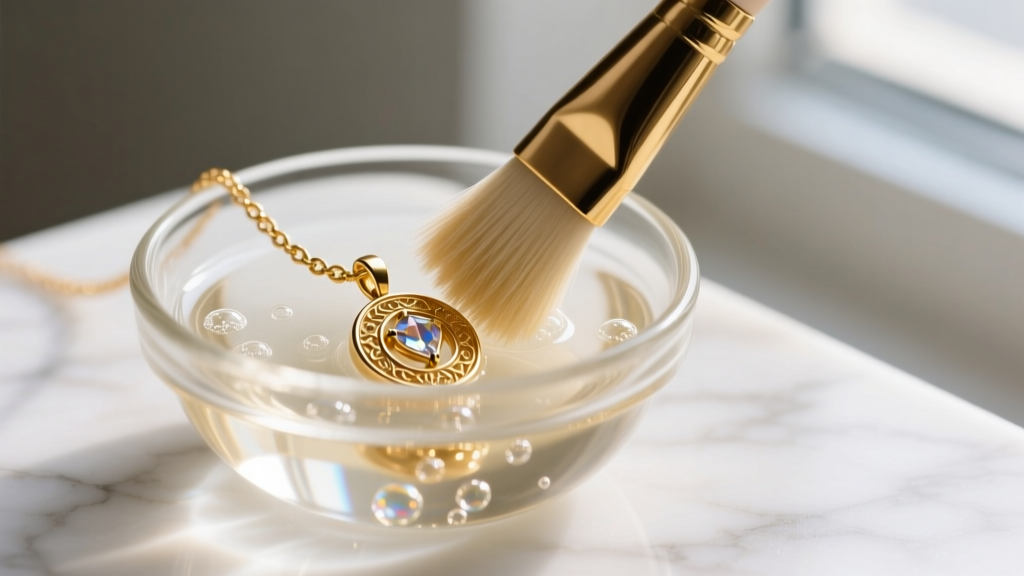
Never use tap water for soaking fine jewelry. Tap water contains chlorine and dissolved minerals that can leave hard water spots or react with certain alloys. Instead, mix 1 cup of warm distilled water with 3 drops of pH-neutral dish soap (such as original blue Dawn, which lacks harsh lotions or citrus degreasers). Submerge your metal-only shirt necklaces for exactly 15 minutes. This allows the surfactants to break down the sebum and fabric softener residue trapped in the chain links.
2. Agitation and Rinsing
Remove the necklace and use an extra-soft baby toothbrush (bristle diameter of 0.1mm or less) to gently agitate the clasp mechanism and the bail where the pendant connects to the chain. These are the primary trap points for cotton lint. Rinse thoroughly under a gentle stream of lukewarm distilled water.
3. Drying and Polishing
Do not use paper towels or tissue paper to dry your jewelry. These products are made from wood pulp and contain microscopic wood fibers that can scratch high-polish gold and silver. Always use a clean, lint-free microfiber cloth, patting the chain dry before using a specialized jeweler's polishing cloth for the final buff.
Ultrasonic Cleaners: When to Use and When to Avoid
Many enthusiasts turn to ultrasonic cleaners for deep-cleaning collar chains. These devices use high-frequency sound waves (typically 42kHz) to create microscopic cavitation bubbles that blast dirt out of tight crevices. While highly effective for plain metal shirt necklaces, they are incredibly dangerous for certain styles.
'Ultrasonic vibrations can easily fracture gems with natural inclusions or internal fractures. Furthermore, the heat generated by prolonged ultrasonic cycles can melt the adhesives used in foil-backed or tension-set stones often found in fashion shirt necklaces.' — Jewelers of America Care Guidelines
Safe for Ultrasonic: Plain gold, platinum, or silver collar chains; diamond solitaire pendants (if securely set).
Never Use Ultrasonic For: Bolo ties featuring turquoise, coral, or lapis lazuli; pearls; opals; or any plated jewelry where the base metal might be exposed through micro-cracks in the plating.
Design Choices for Over-Shirt Wear
If you are commissioning or purchasing a shirt necklace intended for daily wear over woven fabrics, the setting style is just as critical as the metal. Prong settings elevate the gemstone, exposing its girdle and the metal claws. These prongs act like tiny hooks that will inevitably snag on oxford cloth, denim weaves, and knitted sweaters, eventually bending the prong and risking stone loss.
For shirt necklaces, always opt for bezel settings or flush/gypsy settings. A bezel setting surrounds the gemstone with a continuous rim of metal, creating a smooth, snag-free profile that glides effortlessly over textiles while offering superior impact protection against buttons and zippers.
Proper Storage to Prevent Kinking and Tarnish
How you store your shirt necklaces between wears dictates their longevity. Collar chains and longer pendants should never be tossed into a drawer, as the friction of other jewelry will cause scratching, and the weight of the pendant can force the chain to kink, permanently weakening the links.
- Hanging: Use a multi-tier jewelry stand with velvet-padded hooks. Ensure the clasp is left unfastened to prevent stress on the jump ring.
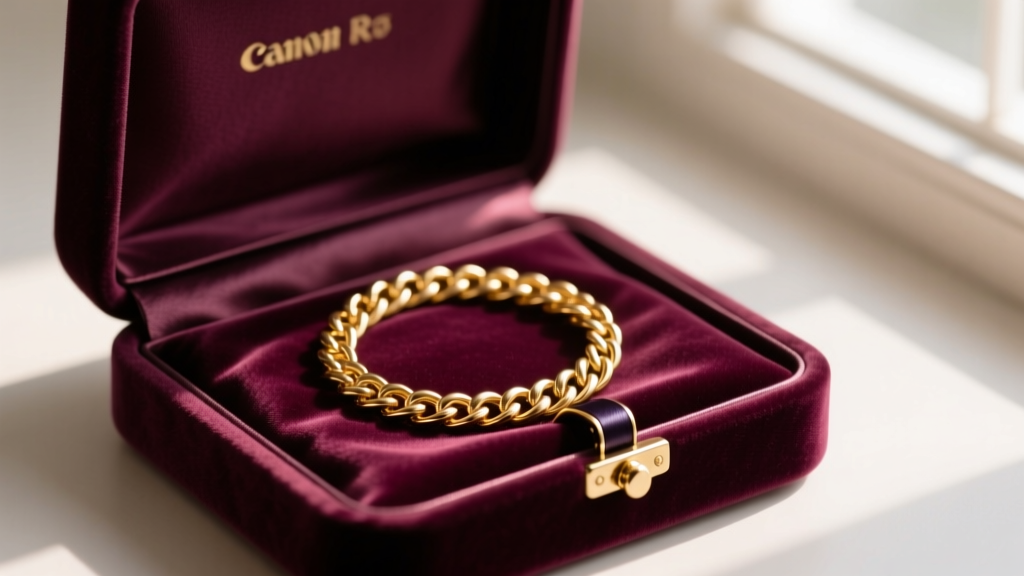
- Coiling: If storing in a box, coil the chain in a perfect circle (avoid sharp folds) and lay it flat in a velvet-lined compartment.
- Tarnish Prevention: For sterling silver shirt necklaces, place a 3M Anti-Tarnish strip in the storage compartment. These strips absorb airborne sulfur and hydrogen sulfide, keeping the silver bright for up to 12 months without the need for chemical polishing.
By understanding the interaction between your jewelry and your wardrobe, you can ensure your shirt necklaces remain pristine, snag-free, and brilliantly polished for years of daily wear.


