Uncovering the Significance of Pearl Necklace Styles: A Buyer's Guide
Discover the true significance of pearl necklace styles. Our expert buyer's guide covers pearl types, grading, nacre thickness, and pricing.

The Historical and Cultural Weight of Pearls
When evaluating fine jewelry, understanding the significance of pearl necklace designs goes far beyond mere aesthetics. For centuries, pearls have served as markers of purity, wisdom, and wealth. In ancient Rome, they were the ultimate status symbol, while in Victorian England, seed pearls represented tears and were heavily utilized in mourning jewelry. Today, the cultural significance of a pearl necklace has evolved, yet it remains deeply tied to major life milestones: weddings, 30th anniversaries, and graduations. However, as a modern buyer in 2026, you must translate this historical weight into concrete purchasing metrics. Choosing the right strand requires a deep understanding of mollusk species, nacre thickness, and treatment disclosures.
Matching Pearl Types to Their Modern Significance
The meaning behind your gift or purchase is intrinsically linked to the type of pearl you select. Each variety carries its own visual language, price point, and traditional significance.
Akoya: The Traditional Milestone Marker
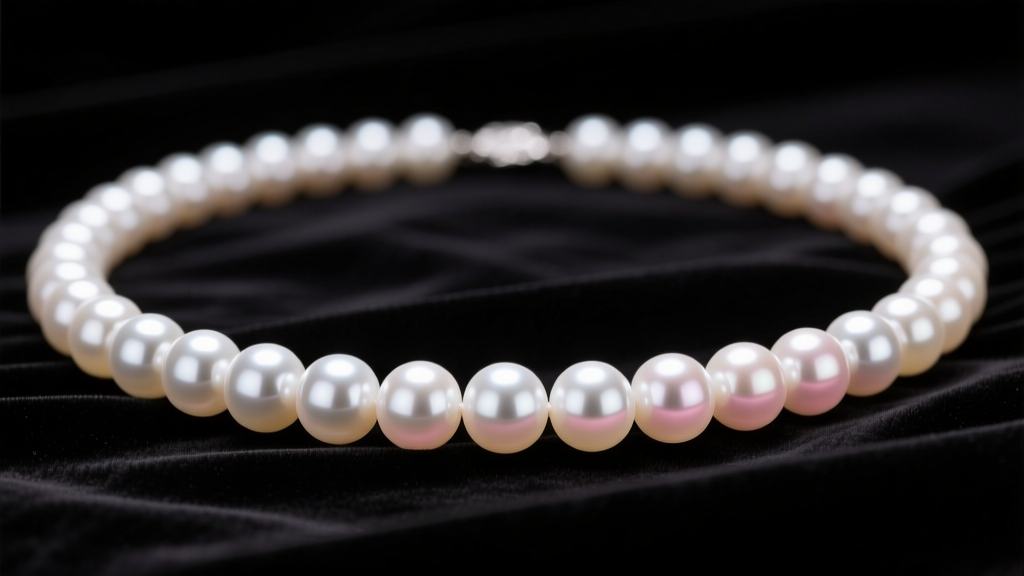
Cultured primarily in Japan and China, Akoya pearls (7mm to 9.5mm) are the quintessential white pearl. Their significance lies in tradition and classic elegance, making them the default choice for bridal parties and 30th wedding anniversaries. High-quality Akoya pearls exhibit a mirror-like luster due to the cold-water environment in which they grow, which forces the mollusk to secrete nacre more slowly and densely. Expect to pay between $400 and $1,800 for a fine 18-inch princess strand.
Tahitian: The Symbol of Modern Independence
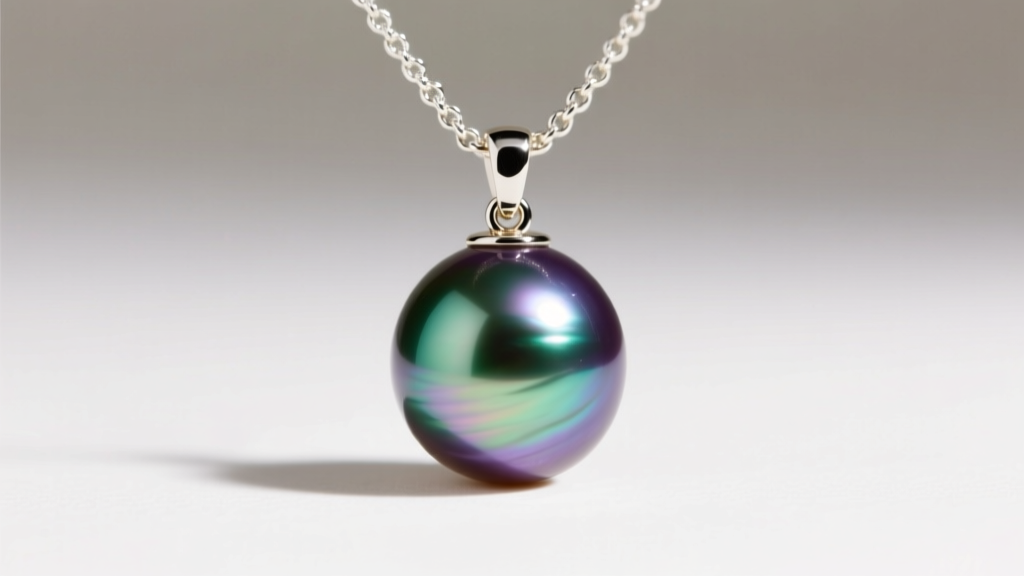
Grown in the black-lipped Pinctada margaritifera oyster, Tahitian pearls (9mm to 14mm) are celebrated for their dark body colors and vibrant overtones. The significance of a pearl necklace featuring Tahitian gems is one of modern empowerment, individuality, and non-traditional luxury. A true 'peacock' Tahitian displays a mesmerizing mix of aubergine, green, and rose overtones. Because they are larger and rarer, a high-grade 16-inch choker can command $2,500 to $6,000+.
South Sea: The Ultimate Anniversary Heirloom
Produced by the massive Pinctada maxima oyster in Australia, Indonesia, and the Philippines, South Sea pearls (10mm to 20mm) are the heavyweights of the pearl world. Their significance is rooted in opulence, rarity, and generational wealth. White and golden varieties possess a satiny, soft luster rather than the sharp reflection of Akoya. Due to their size and the high mortality rate of the host oyster, a matched strand of white South Sea pearls is a serious investment, typically starting at $4,000 and easily exceeding $25,000 for gem-grade specimens.
Freshwater: Accessible Elegance for Everyday Milestones
Cultured in mussels in Chinese freshwater lakes, these pearls (6mm to 12mm) offer incredible versatility. Historically considered inferior due to their rice-grain shapes, modern tissue-nucleation techniques now produce near-perfect rounds that rival Akoya. The significance here is accessibility and contemporary fashion. Baroque and Edison freshwater pearls allow for expressive, artistic jewelry designs at a fraction of the cost, with premium strands ranging from $100 to $600.
Critical Buying Metrics: What to Look For Beyond the Meaning
While the symbolic significance of a pearl necklace is important, its physical longevity is dictated by strict gemological factors. According to the Gemological Institute of America (GIA), value is determined by a combination of luster, surface quality, shape, color, and nacre thickness.
| Pearl Type | Ideal Nacre Thickness | Top Grading Tier | Key Visual Indicator |
|---|---|---|---|
| Akoya | > 0.40mm (Premium > 0.80mm) | Hanadama / AAAA | Sharp, mirror-like reflections |
| Tahitian | > 0.80mm (Legal export min) | A (Top 10%) | Deep peacock or aubergine overtone |
| South Sea | > 1.50mm | A (Top 10%) | Satiny, soft-edged luster |
| Freshwater | Solid nacre (tissue nucleated) | Edison / Gem AAA | High luster, minimal blemishes |
Expert Insight: Never purchase an Akoya or Bead-Nucleated Freshwater pearl without verifying nacre thickness. If the nacre is too thin (under 0.3mm), the bead nucleus will show through as a dull, chalky band, and the pearl will eventually peel or flake off. Always ask the jeweler for an X-ray or a reputable lab report for strands over $1,000.
Sizing and Length: How Proportions Alter the Message
The physical length of the strand fundamentally changes how the necklace interacts with the wearer's neckline and, consequently, its stylistic significance. The American Gem Society (AGS) recognizes standard industry lengths that dictate formality:
- Collar (10-13 inches): Sits tightly against the throat. Historically significant in Victorian eras, today it signifies high-fashion, editorial boldness. Best worn with V-necks or off-the-shoulder tops.
- Choker (14-16 inches): Rests at the base of the neck. The most versatile length, signifying everyday elegance. It frames the face perfectly with crew necks and button-downs.
- Princess (17-19 inches): Falls just below the collarbone. This is the traditional bridal length, signifying classic femininity and grace. It works with almost any neckline.
- Matinee (20-24 inches): Drops to the top of the bust. Carries a professional, sophisticated significance, ideal for business attire and high-necked blouses.
- Opera (28-36 inches): Falls below the bust. Historically reserved for evening wear and black-tie events, signifying high glamour. Can be doubled for a layered choker effect.
Real-World Troubleshooting: Avoiding Treated and Fake Pearls
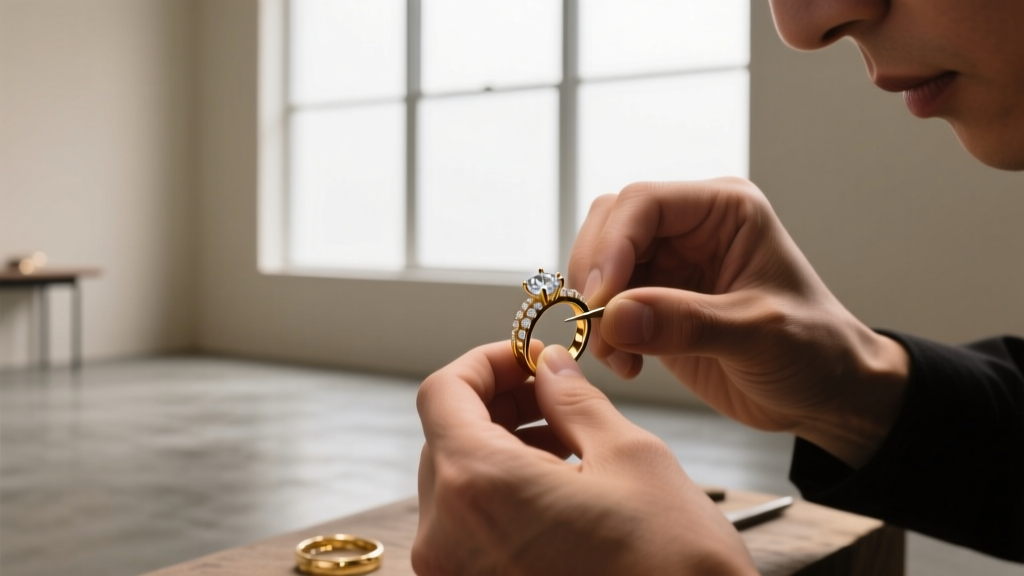
The market is flooded with heavily treated pearls disguised as premium goods. To protect your investment, you must know what to look for under a 10x jeweler's loupe.
Beware of 'Maeshori' and Pinking: Many lower-grade Akoya pearls undergo a chemical treatment called Maeshori to tighten the nacre and enhance luster artificially. While widely accepted in Japan, it can make the pearl brittle over time. Furthermore, 'pinking' is a dyeing process used to give white pearls a rose overtone. Always ask if the color is natural or treated.
Troubleshooting Fakes: Glass or plastic beads coated with 'essence d'orient' (fish scale extract) are common imitations. Perform the 'tooth test' gently: a real pearl will feel slightly gritty or sandy against the biting edge of your front tooth due to its microscopic crystalline structure. A fake pearl will feel perfectly smooth. However, for high-value South Sea or Tahitian strands, rely on a certified gemologist's microscope inspection to check for the concentric growth rings inside the drill hole, which confirm authentic nacre deposition.
Final Thoughts on Your Purchase
Understanding the true significance of a pearl necklace requires balancing its rich cultural heritage with rigorous gemological scrutiny. Whether you are selecting a mirror-lustered Akoya strand for a traditional wedding or a moody Tahitian choker to celebrate a career milestone, prioritizing nacre thickness, overtone quality, and transparent treatment disclosures will ensure your piece remains a lasting heirloom. Always purchase from vendors who provide detailed origin and treatment reports, ensuring the physical reality of your jewelry matches its profound symbolic meaning.


