Tiny Initial Necklace Buying Guide: Chains, Metals & Sizing
Discover how to choose the perfect tiny initial necklace. Our buying guide covers chain gauges, metal grades, font styles, and layering tips.

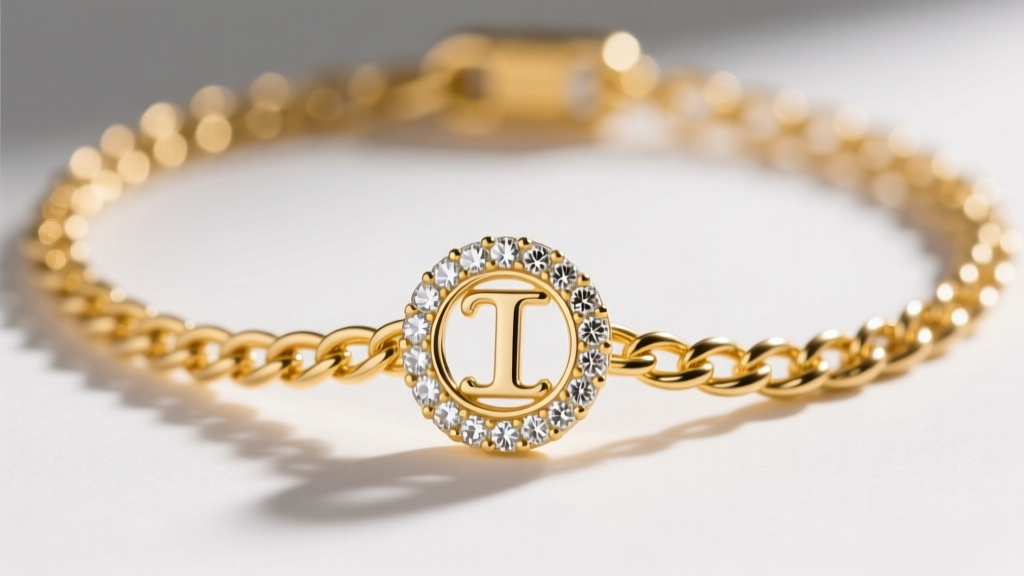
Why the Tiny Initial Necklace Remains a Wardrobe Staple
The tiny initial necklace has transcended fleeting jewelry trends to become a permanent fixture in modern capsule wardrobes. Unlike oversized statement pieces, micro-letter pendants—typically measuring between 4mm and 8mm in height—offer a subtle, deeply personal touch that sits elegantly against the collarbone. Whether you are purchasing a monogram for yourself, a child's initial for a mother's day gift, or a meaningful letter representing a loved one, the market is saturated with options ranging from $20 costume pieces to $800 fine jewelry investments. Navigating this crowded space requires a keen understanding of metallurgy, chain mechanics, and typography. This comprehensive buying guide breaks down the exact specifications you need to evaluate before adding a tiny initial necklace to your collection, ensuring you invest in a piece that withstands daily wear without losing its delicate charm.
Decoding Chain Styles and Gauge Sizes for Delicate Pendants
The most common failure point in any delicate necklace is the chain. A tiny initial pendant requires a chain that is lightweight enough to remain unobtrusive but structurally sound enough to resist snapping under minor tension. When shopping, you must pay close attention to the chain's gauge (thickness) and its link structure.
For pendants weighing under 2 grams, a chain thickness between 0.8mm and 1.2mm is the industry sweet spot. Anything thinner (like 0.5mm micro-chains) is highly prone to kinking and breaking, while anything thicker (1.5mm+) will visually overpower a 5mm initial pendant. Furthermore, the link style dictates both the aesthetic and the durability of the necklace.
| Chain Style | Ideal Gauge for Tiny Pendants | Durability & Tangle Factor | Best For |
|---|---|---|---|
| Cable Chain | 0.9mm - 1.1mm | Moderate durability; moderate tangling | Classic, everyday minimalism |
| Box Chain | 0.8mm - 1.0mm | High durability; very low tangling | 24/7 wear and active lifestyles |
| Rope Chain | 1.0mm - 1.2mm | High durability; high light reflection | Diamond-cut or textured initials |
| Snake Chain | 0.8mm - 1.2mm | Low durability; prone to permanent kinking | Strictly occasional, low-movement wear |
According to jewelry manufacturing standards, box chains are generally the superior choice for tiny initial necklaces because their interlocking square links lay flat and resist the friction-based tangling that plagues standard cable chains. If you prefer the classic look of a cable chain, ensure the jump rings are soldered shut to prevent the links from pulling apart when caught on clothing.
Metal Purity and Plating: What Actually Lasts?
Because a tiny initial necklace is often worn daily—exposed to sweat, perfumes, and shower water—the metal composition is the single most critical factor in its longevity. The Gemological Institute of America (GIA) provides extensive guidelines on gold purity, but marketing terms like 'gold vermeil' and 'gold-filled' require careful scrutiny.
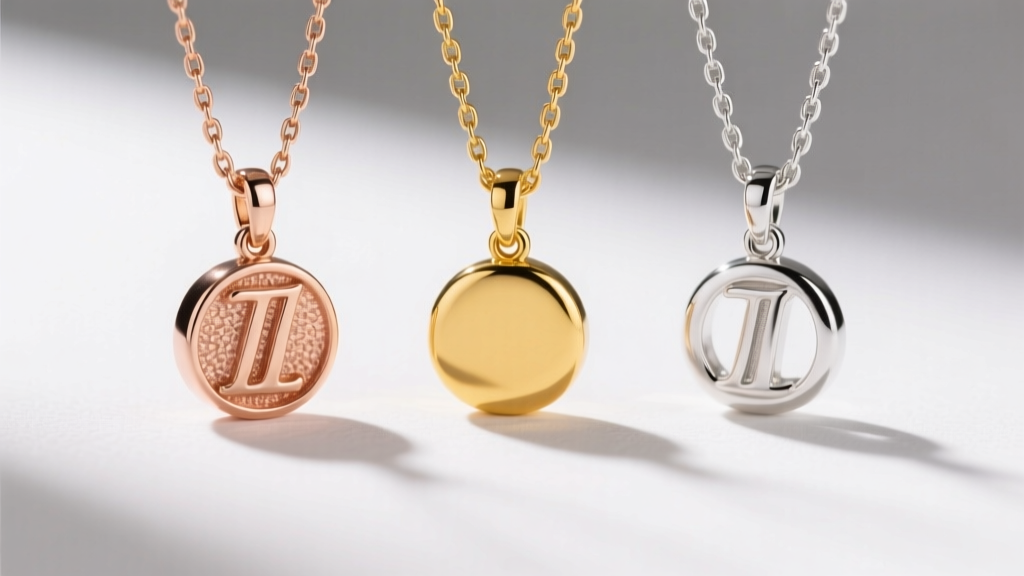
14k Solid Gold: The Lifetime Investment
For a piece you never intend to take off, 14k solid gold (58.5% pure gold alloyed with metals like copper and zinc for strength) is the undisputed gold standard. It will not tarnish, flake, or cause contact dermatitis. While the upfront cost is higher, a 14k solid gold tiny initial necklace will retain its structural integrity and color for decades. 18k gold is softer and more prone to scratching, making 14k the optimal choice for micro-jewelry that faces daily friction.
Gold Vermeil vs. Standard Gold Plating
Many buyers confuse standard gold plating with gold vermeil. The Federal Trade Commission (FTC) strictly regulates these terms. Standard gold plating can be applied to any base metal (like brass or copper) and is often less than 0.5 microns thick, meaning it will rub off within months of daily wear. Gold vermeil, however, must have a sterling silver base and be plated with a minimum of 2.5 microns of 10k, 14k, or 18k gold. When buying a vermeil tiny initial necklace, always verify the micron thickness with the retailer; high-end jewelers often use 3 to 4 microns for extended lifespan.
Gold-Filled: The Budget-Friendly Alternative
Gold-filled jewelry features a thick layer of gold mechanically bonded to a brass core. By law, the gold must constitute at least 5% (or 1/20th) of the total weight. Gold-filled tiny initial necklaces are highly resistant to tarnishing and offer a lifespan of 5 to 10 years with proper care, making them an excellent middle-ground between vermeil and solid gold.
Font Selection and Diamond Accents: Customization Details
The typography of the initial dramatically alters the necklace's overall vibe. Because the pendant is tiny, intricate fonts can become illegible and look like a blurred smudge from a distance.
- Block / Sans-Serif Fonts: Clean, modern, and highly legible at 5mm sizes. Best for a minimalist, contemporary aesthetic.
- Classic Serif Fonts: Features small 'feet' at the ends of strokes. Offers a timeless, academic, or vintage feel, but requires a slightly larger pendant (7mm+) to maintain readability.
- Script / Cursive Fonts: Romantic and fluid. However, at micro-sizes, the loops often merge. If choosing script, opt for a custom jeweler who can thicken the stroke width slightly to prevent the metal from casting poorly.
If you desire diamond accents, look for 'micro-pave' settings. At this scale, jewelers typically use 1mm to 1.3mm melee diamonds. Ensure the setting is bead-set or prong-set rather than glued, as adhesive degrades with body heat and water exposure. For ethical sourcing, request lab-grown diamonds, which offer identical optical properties at a fraction of the environmental cost.
Clasp Mechanics: The Hidden Failure Point
A tiny initial necklace is only as secure as its clasp. The hardware must be proportionate to the delicate chain while remaining functional for the wearer's dexterity.
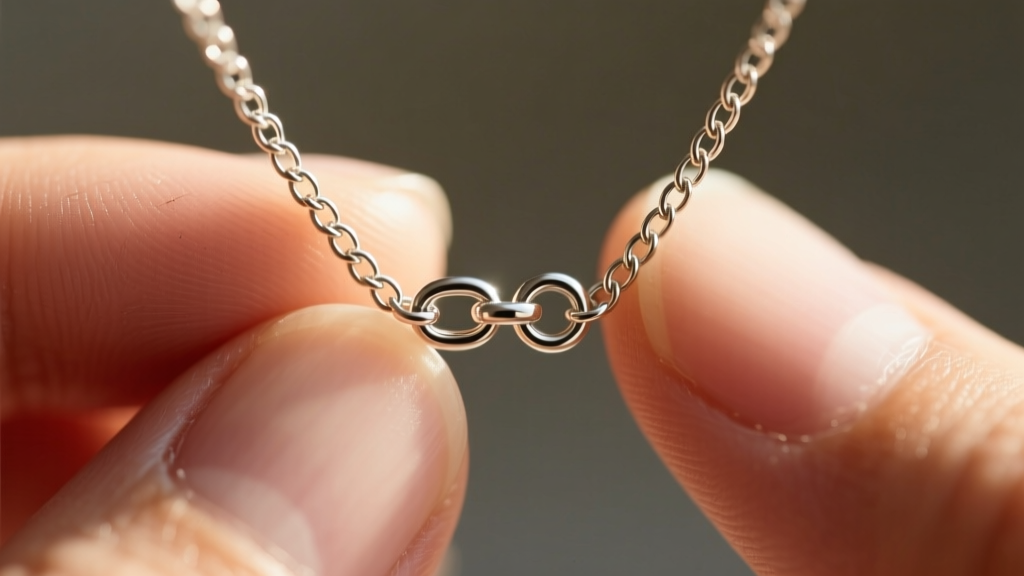
Spring Ring Clasps: These are the most common on micro-chains (0.8mm - 1.0mm). They are lightweight and unobtrusive but can be notoriously difficult to open for individuals with long fingernails or limited fine motor skills. Furthermore, the tiny internal spring is prone to failure if pulled too aggressively.
Miniature Lobster Clasps: Slightly bulkier than spring rings, lobster clasps offer a more secure locking mechanism and are easier to grip. However, a standard lobster clasp will weigh down a 0.9mm chain, causing the necklace to constantly rotate and pull the clasp to the front of the neck. If you prefer a lobster clasp, ensure the jeweler uses a specialized 'micro-lobster' (usually 8mm to 10mm in length) and attaches a proportionately sized teardrop tag at the opposite end to act as a counterweight.
Pricing Tiers: What Should You Expect to Pay?
Understanding the fair market value of a tiny initial necklace prevents overpaying for branded markup or underpaying for poor-quality materials. Below is a general pricing framework based on current precious metal markets and labor costs for micro-casting.
| Material Composition | Expected Price Range (USD) | Lifespan with Daily Wear |
|---|---|---|
| Sterling Silver (Rhodium Plated) | $35 - $75 | 2 - 5 Years (requires polishing) |
| Gold Vermeil (Sterling Base, 2.5+ microns) | $60 - $120 | 1 - 3 Years (before replating is needed) |
| 14k Gold-Filled | $50 - $110 | 5 - 10 Years |
| 14k Solid Gold (No stones) | $180 - $350 | Lifetime |
| 14k Solid Gold with Diamond Micro-Pave | $350 - $800+ | Lifetime |
Be highly skeptical of 'solid gold' initial necklaces priced under $150. Given the weight of the chain, the clasp, and the casting, the raw material cost alone often exceeds this price point. In these cases, the gold is likely hollow-cast (making it easily crushable) or the piece is mislabeled.
Expert Tips for Layering Micro Initials
The true versatility of the tiny initial necklace shines when layered. To achieve a cohesive, professional look without creating a tangled mess, follow the 'Rule of Three' and the 'Two-Inch Gap'.
The Layering Framework: Start with your tiny initial necklace at a 15-inch or 16-inch choker length, sitting snugly at the base of the throat. Add a 17-inch to 18-inch medium-weight chain (like a 2mm paperclip link) as your anchor piece. Finish with a 20-inch to 22-inch chain featuring a slightly larger, heavier pendant (like a solid gold coin or a geometric shape). This staggered approach ensures the tiny initial remains visible and prevents the chains from wrapping around each other.
Finally, always store your tiny initial necklaces hanging vertically or laid perfectly flat in a microfiber-lined drawer. Tossing micro-chains into a communal jewelry box guarantees a frustrating untangling session, which often results in accidental breakage of the delicate jump rings. Treat your micro-jewelry with precision, and it will remain a staple of your personal style for years to come.


