Vintage Blue Glass Bead Necklace: A Beginner's Buying & Style Guide
Discover how to authenticate, price, and style a vintage blue glass bead necklace. Expert tips on origins, restringing, and care.

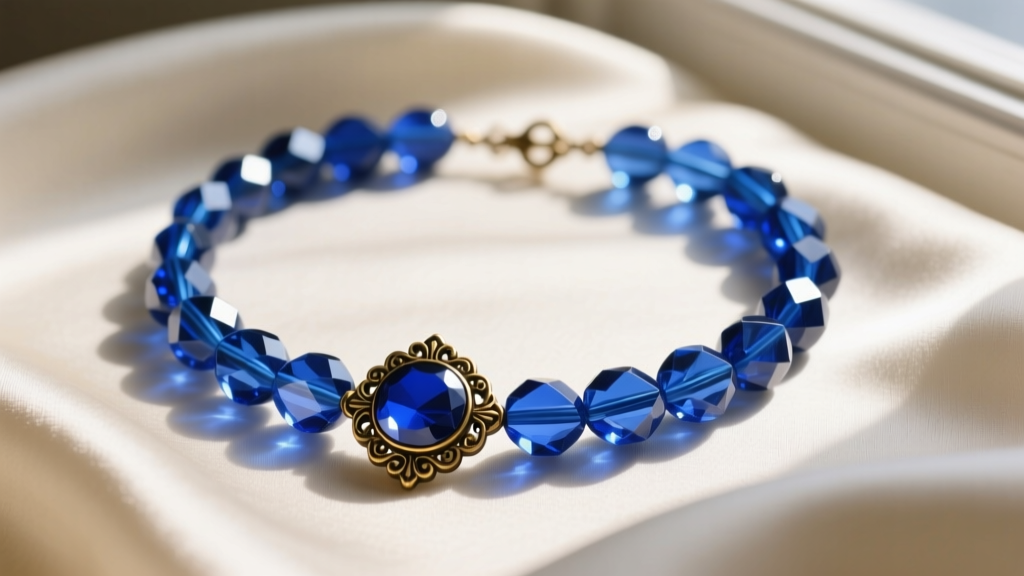
The Allure of Vintage Blue Glass
Few accessories carry the historical weight and visual depth of a vintage blue glass bead necklace. Whether you are browsing estate sales, scrolling through online antique markets, or inheriting a family piece, understanding the nuances of vintage glass is critical. Unlike modern mass-produced acrylic or resin beads, vintage glass possesses a distinct coldness, weight, and light-refracting quality that synthetic materials simply cannot replicate. For beginners, the market can be overwhelming. Counterfeits are common, and fragile vintage stringing can lead to sudden, heartbreaking breakages. This guide will equip you with the gemological and historical knowledge needed to confidently authenticate, evaluate, and maintain these wearable artifacts.
Decoding the Origins: Czech, Murano, and Trade Beads
When evaluating a vintage blue glass bead necklace, identifying its geographic and historical origin is the first step in determining its value. The vast majority of vintage blue glass on the market falls into three distinct categories:
1. Czechoslovakian Pressed Glass (1920s–1950s)
Originating primarily from the Jablonec region, Czech pressed glass beads were created by pressing molten glass into cast-iron molds. The signature deep cobalt blue was achieved by adding cobalt oxide to the glass melt. These beads are highly uniform, often faceted to mimic sapphires, and almost always feature a faint, vertical mold seam running down the side. According to the Corning Museum of Glass, the Czech glassmaking industry dominated the global bead market during the interwar period, making these pieces highly collectible today.
2. Venetian and Murano Lampwork (1950s–1970s)
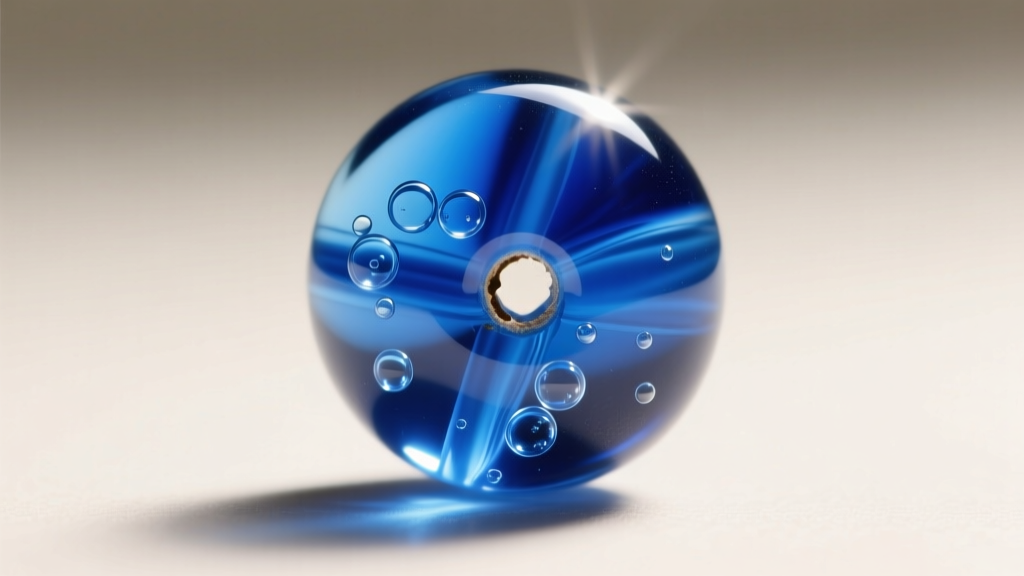
Murano glass beads are handmade using a lampworking technique, where glass rods are melted and wound around a metal mandrel. The famous sommerso (submerged) technique involves dipping a core of colored glass into layers of clear or contrasting glass. These beads are completely seamless, often feature internal air bubbles, and may have a rough "pontil mark" where the bead was broken off the mandrel.
3. West African Trade Beads (19th–Mid 20th Century)
Often featuring a matte or slightly pitted texture, these drawn or powder-glass beads were historically used as currency. Blue trade beads, particularly those with chevron patterns or a translucent "powder" finish, are highly prized by collectors of ethnographic jewelry.
Authentication: Glass vs. Modern Synthetics
Before purchasing a vintage blue glass bead necklace, you must verify the material. Modern lucite, acrylic, and resin beads are frequently dyed to mimic vintage cobalt glass. Use these three non-destructive testing methods to verify authenticity:
- The Temperature Test: Glass is a thermal conductor. When you touch a genuine glass bead to your lower lip or the inside of your wrist, it will feel distinctly cold and take several seconds to warm up. Acrylic and resin will feel room-temperature or warm almost instantly.
- The Weight Test: Glass has a specific gravity of roughly 2.2 to 2.8, while acrylic is around 1.18. A genuine vintage glass necklace will feel surprisingly heavy and substantial in the hand, draping with a fluid, weighted swing that plastic cannot achieve.
- The Tooth Test: Gently tap the bead against your front tooth. Glass produces a sharp, high-pitched "clink," whereas resin produces a dull, muted "thud." Be cautious not to apply too much pressure, especially on beads with surface fractures.
Furthermore, inspect the bead holes. Vintage glass beads were often drilled or formed around a mandrel, resulting in slightly uneven, rough, or asymmetrical hole edges. Modern machine-drilled synthetic beads have perfectly uniform, laser-sharp holes.
Pricing Guide: What Should You Pay?
Valuing a vintage blue glass bead necklace depends on the era, origin, condition of the glass, and the quality of the hardware. Below is a current market framework for standard 16-to-18-inch necklaces in good condition.
| Bead Type & Origin | Era | Identifying Features | Estimated Market Value |
|---|---|---|---|
| Czech Pressed Cobalt | 1920s–1940s | Faceted, visible mold seams, brass barrel clasp | $45 – $120 |
| Murano Lampwork Sommerso | 1950s–1970s | Seamless, internal bubbles, large focal beads | $150 – $450 |
| Venetian Chevron Trade | 19th Century | Star-shaped concentric layers, matte finish | $300 – $900+ |
| Art Glass Studio (Signed) | 1980s–1990s | Lampworked, signed by artist, silver findings | $80 – $250 |
Note: The presence of original, unpolished sterling silver or gold-filled clasps can increase the value by 20% to 40%. Conversely, missing beads or heavy surface scratching (often called "glass sickness") will drastically reduce the price.
Structural Integrity: The Hidden Failure Points
The most common point of failure in vintage jewelry is the stringing material. A vintage blue glass bead necklace originally strung on cotton or silk thread is a break waiting to happen. Glass beads have sharp, unpolished interior hole edges that act like tiny saws, slowly fraying organic threads over decades. The Gemological Institute of America (GIA) frequently notes that improper stringing is the leading cause of gem and glass loss in antique pieces.
The Professional Restringing Protocol
If you acquire a vintage piece, restring it immediately before wearing. Do not use nylon monofilament or cheap craft wire. Follow this professional standard:
- Select the Wire: Use a 49-strand micro-fused stainless steel beading wire (brands like Soft Flex or Beadalon). For standard 2mm to 4mm glass beads, a .018" or .019" diameter wire offers the perfect balance of drape and tensile strength.
- Protect the Clasp: Never loop steel wire directly through a metal clasp; the wire will eventually saw through the clasp ring. Use sterling silver "French wire" (also known as bullion) to create a protective, flexible sleeve over the wire at the clasp connection points.
- Secure the Ends: Use high-quality copper or sterling silver crimp beads, and flatten them using a micro-crimping tool to create a secure, folded fold-over crimp, rather than simply smashing them flat with chain-nose pliers.
Styling Your Vintage Blue Glass Bead Necklace
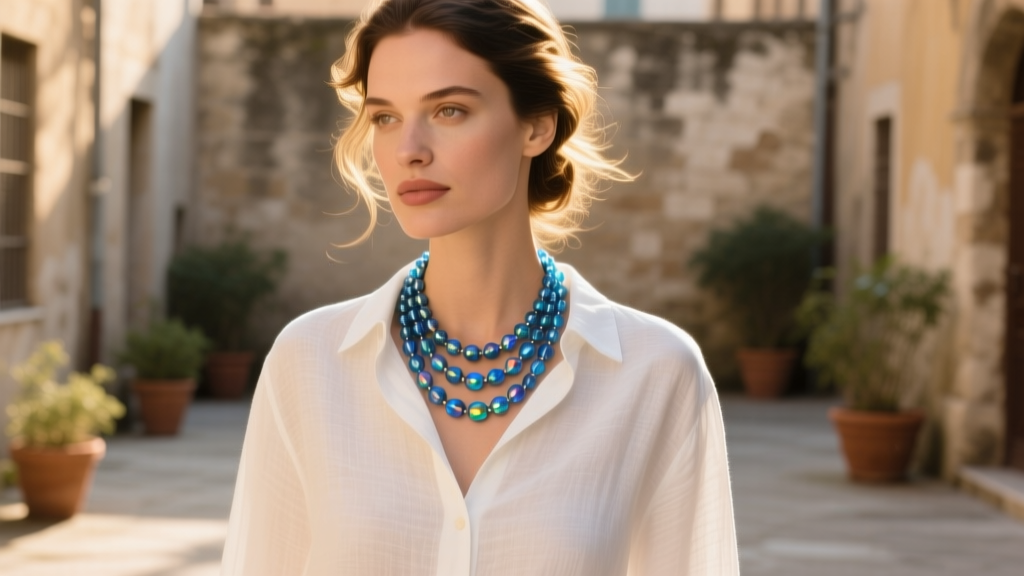
Styling vintage glass requires an understanding of color theory and proportion. Cobalt and sapphire-blue glass are inherently rich and commanding, meaning they do not need excessive embellishment to make an impact.
Neckline Pairings
- The Scoop Neck: A 16-inch (choker-length) vintage Czech glass necklace sits perfectly just below the collarbone, framing the face and filling the negative space of a scoop neckline without competing with it.
- The V-Neck: Opt for an 18-inch or 20-inch necklace featuring a graduated bead design (where beads get larger toward the center). This mimics and elongates the V-shape of the garment, drawing the eye downward.
- The Boatneck / Bateau: Pair a wide boatneck top with a long, 24-inch opera-length blue glass bead rope. The vertical line of the long necklace breaks up the horizontal expanse of the boatneck, creating a slimming, balanced silhouette.
The Art of Layering
When layering a vintage blue glass necklace with modern chains, adhere to the "Rule of Three" and maintain a minimum 2-inch length difference between each piece to prevent the heavy glass beads from tangling with and scratching your delicate modern gold or silver chains. Pair your blue glass with warm metals like 14k yellow gold or antique brass; the warm undertones of the metal provide a striking, complementary contrast to the cool depths of the cobalt glass.
Care and Maintenance: Preserving the Patina
Vintage glass requires specific care to maintain its brilliance and structural integrity. Never place a vintage glass necklace in an ultrasonic cleaner. The high-frequency vibrations can exploit microscopic internal stress fractures (common in older pressed glass), causing the beads to shatter unexpectedly.
Instead, clean your necklace using a solution of distilled water and a single drop of pH-neutral dish soap. Gently agitate the beads with a soft, natural-bristle baby brush, paying special attention to the crevices around the clasps and bead holes where skin oils and cosmetics accumulate. Rinse thoroughly with distilled water to prevent hard water spots, and lay the piece flat on a microfiber towel to dry completely before storing. Always store your vintage blue glass bead necklace flat in a lined jewelry box; hanging heavy glass necklaces for long periods places continuous stress on the stringing wire and clasps, accelerating metal fatigue.


