Silver Angel Wings Necklace: Metal Grades & Care Guide
Discover how to choose the perfect silver angel wings necklace. Compare sterling, Argentium, and plated silver grades for lasting beauty and durability.

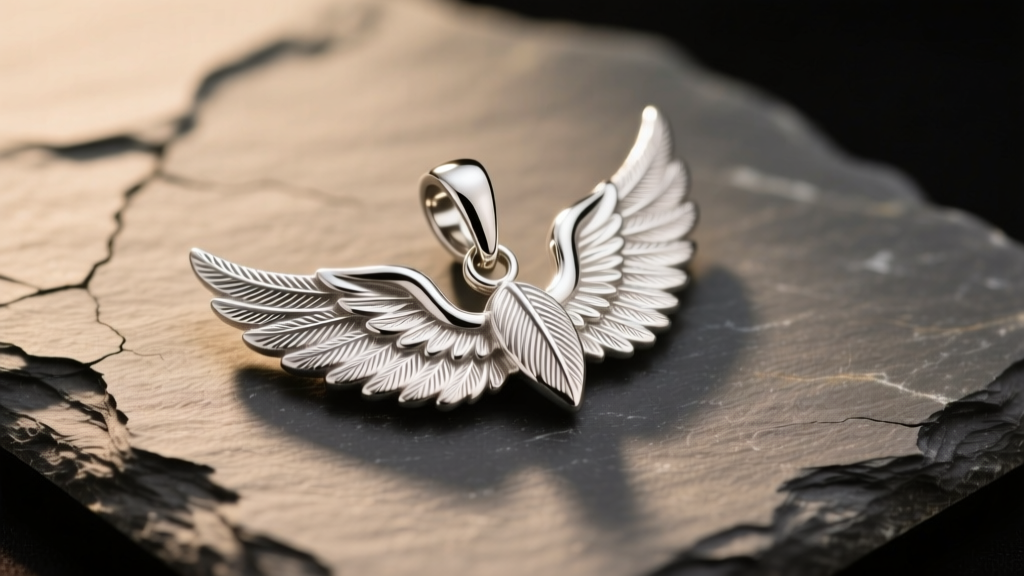
A silver angel wings necklace is more than just a sentimental keepsake; it is a masterclass in metallurgical casting and jewelry design. Because winged pendants feature intricate filigree, delicate feather barbs, and sweeping curves, the specific silver alloy used dictates not only the piece's longevity but also its ability to hold fine detail. Whether you are investing in a high-end designer piece or shopping for an everyday talisman, understanding the material properties of silver is crucial for making an informed purchase.
The Anatomy of an Angel Wings Pendant
Creating a realistic or stylized angel wing pendant requires investment casting, a process where molten metal is forced into a plaster mold. The thin, sweeping tips of the feathers and the delicate interior webbing demand an alloy with high fluidity and low shrinkage. If the silver alloy is too brittle, the wing tips will snap off during the finishing process or when snagged on clothing. If the alloy is too soft, the intricate feather textures will blur or bend out of shape over time. According to the Silver Institute, pure silver is too malleable for functional jewelry, necessitating the addition of alloying metals to achieve the perfect balance of hardness and castability.
Decoding Silver Grades for Winged Pendants
Not all silver is created equal. The market is flooded with varying grades, each with distinct chemical compositions that affect tarnish rates, color, and structural integrity.
Sterling Silver (925): The Industry Standard
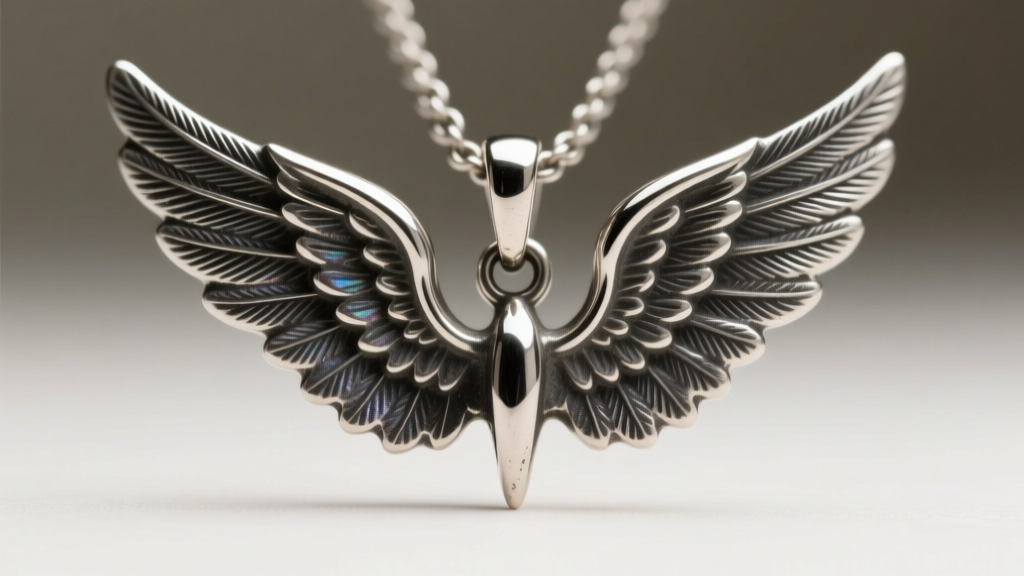
Sterling silver consists of 92.5% pure silver and 7.5% copper. The copper provides the necessary tensile strength to keep delicate wing prongs intact. However, copper is highly reactive to sulfur and moisture, leading to the formation of silver sulfide (tarnish). In an angel wings necklace, tarnish tends to accumulate rapidly in the deep crevices between the feathers, which can actually be beneficial if the jeweler uses intentional oxidation (antiquing) to highlight the 3D texture of the wings.
Argentium Silver (935/960): The Tarnish-Resistant Upgrade
Argentium silver replaces a portion of the copper with germanium. This subtle metallurgical shift creates a transparent barrier of germanium dioxide on the surface, making it up to seven times more tarnish-resistant than traditional sterling. For a silver angel wings necklace that will be worn daily against the skin (where sweat and lotions accelerate oxidation), Argentium is the superior choice. It also boasts a naturally brighter, whiter luster that closely mimics platinum or white gold, enhancing the ethereal quality of the wings.
Silver-Plated & Flash-Plated: The Budget Traps
Plated necklaces feature a base metal core (usually brass or copper) coated with a microscopic layer of silver. While initially cheap, the friction from the chain rubbing against the pendant's bail will quickly wear away the silver plating, exposing the brassy core. Furthermore, some sterling silver pieces are "flash-plated" with a microscopic layer of rhodium to prevent tarnish in the display case. While this keeps the wings bright initially, it masks the natural warmth of silver and will eventually wear off in high-friction areas.
Material Comparison Matrix
| Silver Grade | Purity | Alloying Metal | Tarnish Resistance | Avg. Price Range | Best For |
|---|---|---|---|---|---|
| Sterling (925) | 92.5% | Copper | Moderate | $45 - $120 | Antiqued/Textured Wings |
| Argentium (935) | 93.5% | Germanium/Copper | High | $80 - $180 | High-Polish, Daily Wear |
| Argentium (960) | 96.0% | Germanium | Very High | $120 - $250 | Heirloom/Intricate Filigree |
| Silver-Plated | <1% | Brass/Copper Core | Low | $15 - $35 | Costume/Occasional Wear |
Chain Pairings: Matching the Wings to the Chain
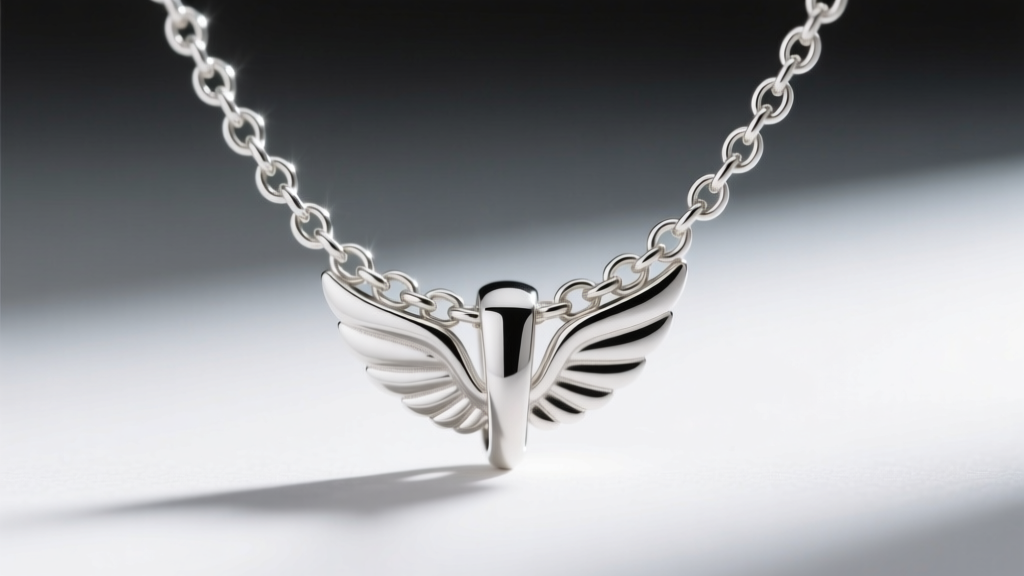
The material of the pendant must be matched with an equally durable chain. A common mistake is pairing a heavy, solid cast sterling silver wing pendant with a flimsy 0.8mm chain. The weight of the pendant will cause the chain's jump rings to stretch and eventually snap.
- Gauge Size: Opt for a chain between 1.2mm and 1.5mm in thickness. This provides enough structural integrity to support the pendant without visually overpowering the delicate wing design.
- Chain Style: A Rolo or Cable chain is ideal. Avoid Snake or Herringbone chains, as their tight links are prone to kinking when the pendant shifts, and they cannot be easily repaired if the wing pendant pulls and breaks a link.
- Clasp Mechanics: Ensure the chain features a lobster clasp (minimum 10mm) rather than a spring ring clasp, which is notorious for failing under the dynamic tension of a moving pendant.
Real-World Failure Modes & Troubleshooting
Even the highest quality sterling silver can fail if the structural engineering of the jewelry is flawed. Here are the most common failure modes specific to angel wing pendants:
Bail Wear-Through
The bail is the loop that connects the wings to the chain. Because silver is softer than steel or gold, the constant friction of the chain sawing back and forth inside the bail will eventually wear a hole through the metal. Troubleshooting: Look for pendants with a reinforced bail or a hidden stainless steel insert inside the silver loop. If your bail is thinning, take it to a jeweler to have a new heavy-duty soldered bail attached before it snaps.
Filigree Snagging and Bending
Highly detailed feather barbs can easily catch on knit sweaters or lace. If the silver was not properly work-hardened during the manufacturing process, these thin prongs will bend outward. Troubleshooting: Minor bends can be gently pushed back into place with nylon-jaw pliers, but repeated bending will cause metal fatigue and breakage. Store the necklace flat or hanging to prevent crushing the wings in a jewelry box.
Expert Care & Polishing Protocols
Cleaning a silver angel wings necklace requires a strategic approach, especially if the piece features intentional oxidation (antiquing) to make the feather details pop.
- Avoid Liquid Silver Dips: Chemical dips (often thiourea-based) will strip away all oxidation, leaving your detailed wings looking flat, white, and lifeless. They can also cause micro-pitting in the silver surface over time.
- The Polishing Cloth Method: Use a treated microfiber polishing cloth (like a Sunshine cloth) to gently buff only the raised, high-polish areas of the wings. This preserves the dark patina in the crevices, maintaining the 3D depth of the design.
- Deep Crevices Cleaning: If lotion or dead skin builds up in the tight feather grooves, do not use a toothbrush, as the stiff bristles can scratch high-polish silver. Instead, use a soft horsehair detailing brush or a wooden toothpick to gently dislodge debris.
- Ultrasonic Warnings: Never put an antiqued silver wings pendant in an ultrasonic cleaner. The high-frequency vibrations can shake loose the intentional patina and, in severe cases, cause microscopic fractures in thin cast filigree.
By understanding the metallurgical nuances of silver alloys and the structural demands of intricate casting, you can select a silver angel wings necklace that remains a pristine, meaningful staple in your collection for decades.


