Silver Chain Choker Necklace: Metal Grades & Chain Strength
Discover how to choose the perfect silver chain choker necklace. Compare 925 sterling, Argentium, and fine silver grades for lasting durability and style.

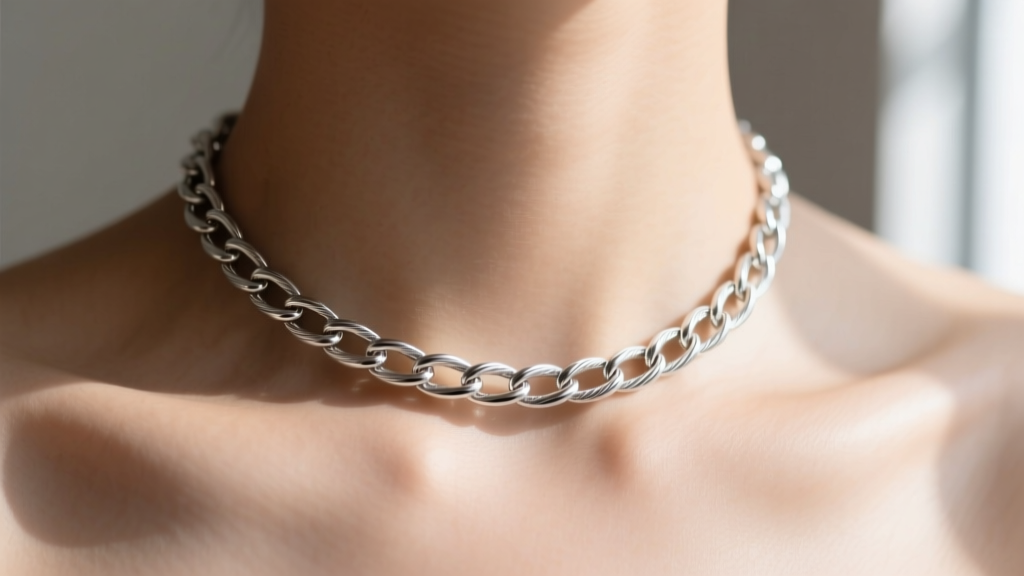
The silver chain choker necklace has transcended fleeting trends to become a permanent staple in modern jewelry wardrobes. Sitting snugly at the base of the throat—typically measuring between 14 and 16 inches—a choker endures unique mechanical stresses that longer chains simply do not face. From the constant friction against the skin to the tension applied by neck movement, selecting the right piece requires a deep understanding of metallurgy and structural engineering. This guide breaks down the material properties, alloy compositions, and chain geometries you need to know before investing in your next silver choker.
The Anatomy of a Silver Chain Choker Necklace
Unlike a 20-inch princess chain that hangs freely and moves with your body, a choker is subjected to continuous lateral tension. It rests directly over the carotid arteries and major sweat glands, exposing the metal to higher levels of sebum, cosmetics, and perspiration. Furthermore, chokers are prime targets for snagging hazards from hair, scarves, and high collars. According to the Gemological Institute of America (GIA), pure silver is far too soft for daily-wear jewelry, necessitating the use of specific alloys to achieve the tensile strength required to survive the "choker lifestyle" without stretching or snapping.
Silver Alloys Compared: 925 vs. Argentium vs. Fine Silver
Not all "silver" is created equal. When shopping for a silver chain choker necklace, you will encounter three primary material grades. Each possesses distinct metallurgical properties that dictate its longevity, tarnish resistance, and price point.
| Silver Grade | Composition | Tarnish Resistance | Tensile Strength | Avg. Price Range |
|---|---|---|---|---|
| Sterling (925) | 92.5% Silver, 7.5% Copper | Moderate | High | $35 - $150 |
| Argentium (935/960) | 93.5%+ Silver, Germanium | Exceptional | Very High | $60 - $250 |
| Fine Silver (999) | 99.9% Pure Silver | High | Low (Prone to stretching) | $120 - $400+ |
The Argentium Advantage: Argentium silver replaces a portion of the traditional copper alloy with germanium. This creates a transparent germanium dioxide layer on the surface, drastically slowing down the tarnishing process. For a choker that sits in the high-friction, high-moisture "sweat zone" of the neck, Argentium is arguably the superior choice for low-maintenance wearers who want to avoid weekly polishing.
The Impact of Rhodium Plating
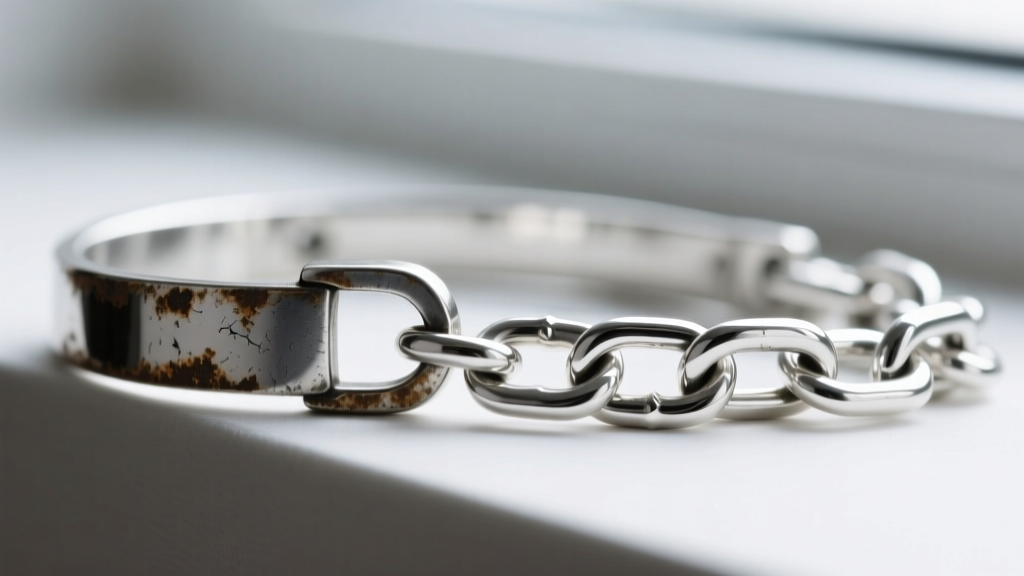
Many premium 925 sterling silver chokers are electroplated with a microscopic layer of rhodium. This platinum-group metal provides a brilliant, reflective white finish and acts as a barrier against tarnish. However, because chokers experience constant friction against the skin, rhodium plating will eventually wear away at the back of the neck and near the clasp. When this happens, the slightly warmer, yellow-grey hue of raw sterling silver is revealed. If you prefer a uniform look over time, opt for un-plated, highly polished Argentium or traditional sterling silver that you can easily restore with a polishing cloth.
Chain Link Styles and Structural Integrity
The structural integrity of your silver chain choker necklace relies heavily on the link geometry and the wire gauge (thickness). A 14-inch choker made of a delicate 0.8mm thread chain will inevitably snap under the torque of a snagged sweater. Here is how popular chain styles perform under choker-specific stress:
- Cable Chain (1.2mm - 2.0mm): The classic oval link. Excellent for everyday chokers. Opt for a minimum 1.2mm gauge to prevent the links from pulling apart under tension.
- Curb Chain (2.5mm+): Interlocking, flattened links that lay flush against the skin. Highly resistant to kinking, making it ideal for thicker, statement chokers that need to drape smoothly without twisting.
- Snake Chain (1.5mm - 3.0mm): Tightly joined wavy rings forming a smooth tube. While visually sleek, snake chains are notorious for permanent kinking if bent backward past a 45-degree angle. Avoid sleeping in snake chain chokers at all costs.
- Box Chain (1.0mm - 2.0mm): Square links connected in a continuous row. Offers high tensile strength but can catch on fine body hair if the gauge is too thin and the links are not perfectly flush.
Clasp Mechanics and Failure Points
A chain is only as strong as its clasp. The neck is a highly mobile joint, meaning a choker's clasp is constantly being pulled, twisted, and compressed.
- Spring Ring Clasps: The most common and most problematic for chokers. The internal spring mechanism frequently fails or pops open when subjected to the lateral tension of a snug neck fit.
- Lobster Claw Clasps: The gold standard for silver chain choker necklaces. The solid lever mechanism provides a secure lock that resists accidental unhooking. Ensure the swivel joint at the base of the lobster claw rotates freely; a stiff swivel will transfer torque directly to the chain's end ring, causing it to warp over time.
- Magnetic Clasps: Convenient, but generally not recommended for chokers unless they feature a secondary safety catch. The sheer pulling force required to remove a snug choker over the head can easily overcome standard neodymium magnets.
For authoritative guidelines on jewelry findings and clasp durability, refer to the manufacturing standards outlined by Jewelers of America.
Hallmark Verification & Counterfeit Detection
Always inspect the clasp or the first few links for a hallmark. Genuine pieces will be stamped with ".925", "STER", or "999". Beware of terms like "Tibetan Silver" or "Alpaca"—these are base metal alloys (often containing nickel, copper, and zinc) that contain zero actual silver. Wearing a counterfeit silver choker in the high-sweat environment of the neck can quickly lead to severe contact dermatitis and green skin discoloration.
Care, Maintenance, and Real-World Troubleshooting
Proper maintenance extends the life of your choker and preserves its structural integrity. Follow this targeted care routine to mitigate the unique wear-and-tear of neck-level jewelry.
The Kinked Snake Chain Fix: If your silver snake choker develops a sharp kink, do not attempt to pull it straight with your fingers. Lay the chain flat on a hard surface and gently roll a smooth wooden dowel or a clean glass bottle over the kinked section. This applies even, distributed pressure to massage the metal links back into alignment without snapping them.
- Weekly Wipe: Use a microfiber cloth to remove daily oils, perfumes, and lotions before storing. This prevents acidic buildup that corrodes the copper alloy in sterling silver.
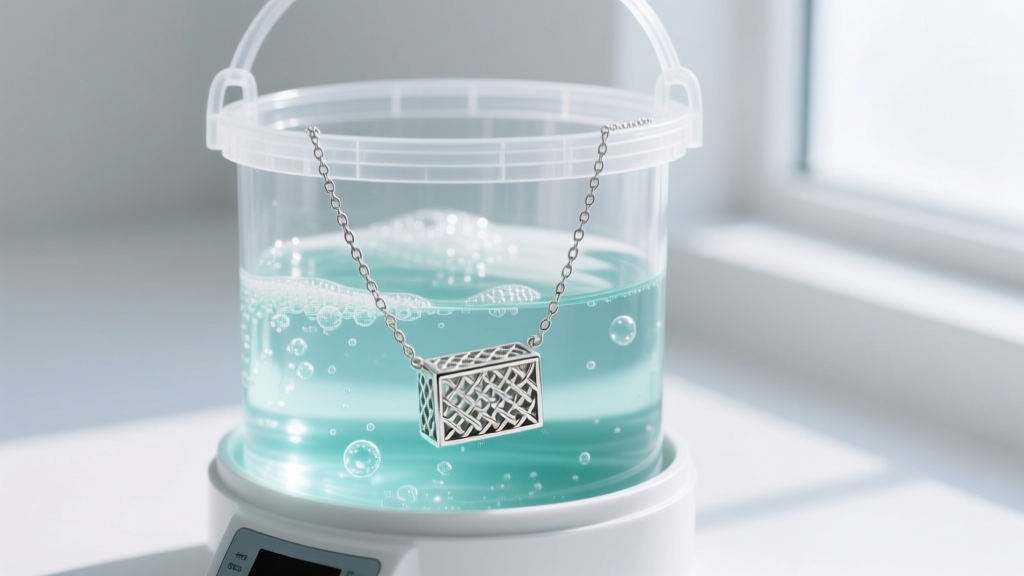
- Monthly Wash: Submerge the choker in a bowl of warm water with a few drops of phosphate-free dish soap. Agitate gently, rinse with distilled water, and pat completely dry with a lint-free cloth.
- Storage: Store the choker flat or hung vertically on a padded hook. Never toss it into a jewelry box in a heap, as the rigid structure of a short chain makes it highly susceptible to crushing and tangling.
Selecting the right silver chain choker necklace requires looking past the initial aesthetic and evaluating the metallurgy and mechanics. By prioritizing Argentium or high-gauge 925 sterling silver, selecting a tension-resistant link style like a curb or cable, and upgrading to a swivel-base lobster clasp, you ensure your choker remains a resilient, lifelong accessory rather than a fragile, short-lived trend.