How to Clean, Polish, and Repair a Tarnished Necklace Clasp Silver
Learn expert tips to clean, polish, and repair a tarnished or stuck necklace clasp silver hardware. Restore your sterling chains today.

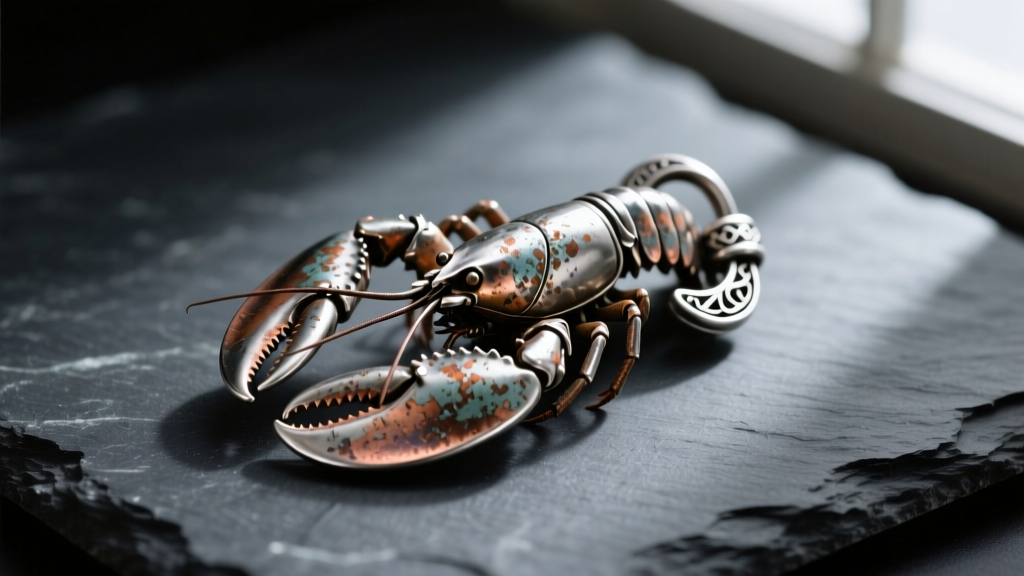
Silver jewelry remains a timeless staple in any collection, but the hardware often bears the brunt of daily wear, friction, and environmental exposure. When maintaining your necklace clasp silver components, you are dealing with a unique intersection of metallurgy and micro-mechanical engineering. A clasp is not just a decorative element; it is the sole security mechanism keeping your valuable pendants and chains safe. Yet, it is often the first component to tarnish, stiffen, or fail entirely.
In this comprehensive guide, we will explore the exact chemical and mechanical reasons why silver clasps degrade, and provide bench-jeweler-level protocols for cleaning, lubricating, and restoring them to factory condition.
The Metallurgy of Sterling Silver and Clasp Anatomy
To properly care for your hardware, you must first understand its composition. According to the Gemological Institute of America (GIA), sterling silver is an alloy consisting of 92.5% pure silver and 7.5% copper. Pure silver is too soft to hold the mechanical tension required for a spring-loaded clasp, making copper an essential alloying agent.
However, copper is highly reactive. When exposed to sulfur compounds in the air, human sweat, or household chemicals, the copper forms copper sulfide—the black, tarnished layer you see on neglected jewelry. Furthermore, the anatomy of the clasp introduces a secondary metal vulnerability:
- Spring Ring Clasps: These feature a hollow sterling silver outer shell housing an internal carbon steel spring. While the silver shell resists structural fatigue, the steel spring is highly susceptible to moisture-induced oxidation (rust).
- Lobster Clasps: Larger lobster clasps (typically 12mm to 20mm) use a tiny steel pin and spring mechanism to operate the trigger. If moisture breaches the seam, the internal steel corrodes, causing the trigger to seize.
Why Chemical Silver Dips Destroy Clasp Mechanisms
Many consumers reach for commercial 'silver dip' solutions when their necklace clasp silver hardware turns black. These liquids typically rely on thiourea, a chemical that instantly strips tarnish through a rapid reduction process. While the visual result is immediate, the long-term damage is severe.
Thiourea-based dips leave behind a microscopic, porous surface on the silver that actually accelerates future tarnishing. More critically, when the liquid seeps into the hollow cavity of a spring ring or lobster clasp, it flash-rusts the internal steel spring. Once the steel spring rusts, the clasp will either fail to snap shut securely or become completely stuck, requiring total replacement.
The Electrochemical Reduction Method (Safe & Effective)
For heavily tarnished clasps that are not yet mechanically seized, the electrochemical reduction method is the gold standard for at-home care. This process reverses the tarnish without removing any base silver metal.
Step-by-Step Protocol:
- Line a glass or ceramic bowl with aluminum foil, shiny side up.
- Place your silver chain and clasp in the bowl, ensuring the clasp touches the aluminum foil.
- Boil water and add 1 tablespoon of sodium bicarbonate (baking soda) per cup of water.
- Pour the hot solution over the jewelry. You will see bubbling and smell a faint sulfur (rotten egg) odor as the silver sulfide transfers from the silver to the aluminum anode.
- After 3 to 5 minutes, remove the chain with wooden tongs, rinse thoroughly in distilled water, and dry immediately with a microfiber cloth.
Cleaning Method Comparison Matrix
| Method | Tarnish Removal Speed | Risk to Internal Steel Spring | Surface Finish Result |
|---|---|---|---|
| Thiourea Chemical Dip | Instant (5-10 seconds) | High (Causes flash rusting) | Porous, dulls quickly |
| Electrochemical Bath | Fast (3-5 minutes) | Low (If dried immediately) | Bright, matte-white |
| Manual Polishing Cloth | Slow (5-10 minutes) | None | High-shine mirror finish |
| Ultrasonic Cleaner | Moderate (with solution) | Moderate (Vibration can loosen pins) | Varies by solution used |
Manual Polishing and Detailing the Trigger
After an electrochemical bath, the silver will look bright but slightly matte. To restore the mirror finish to your necklace clasp silver hardware, use a high-quality impregnated polishing cloth (such as a Sunshine Cloth).
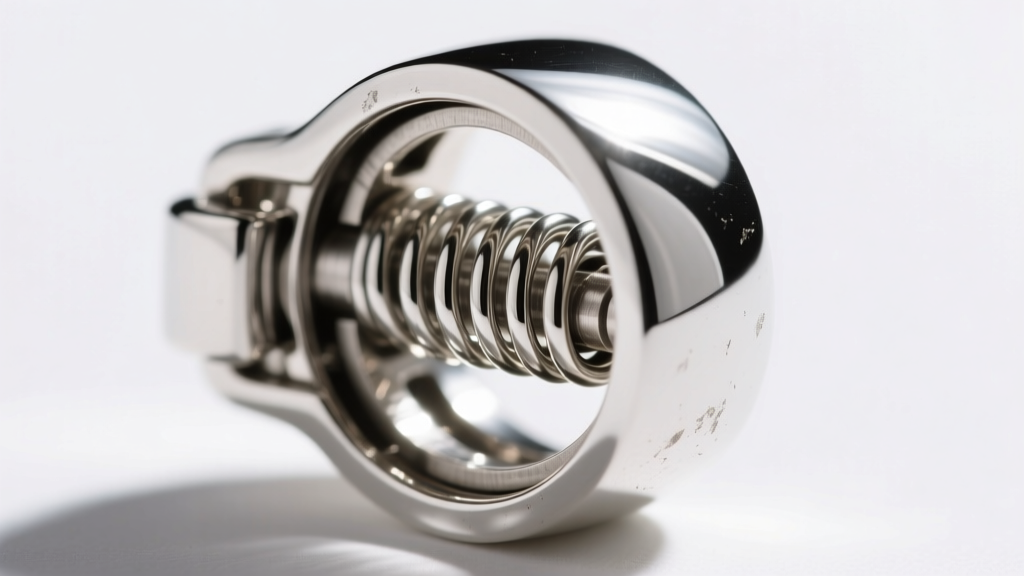
Pay special attention to the crevices around the trigger and the jump ring. Use a soft baby toothbrush dipped in a mild, phosphate-free dish soap and warm water to gently scrub the mechanical seams. Rinse with distilled water and use compressed air to blow out any trapped moisture from inside the clasp housing.
Troubleshooting Stuck or Sluggish Clasps
If your lobster clasp trigger feels stiff, or your spring ring does not snap back with an audible 'click', the internal mechanism is likely suffering from friction, debris, or early-stage oxidation. Never use standard WD-40 or household oils. These attract dust, lint, and skin oils, eventually creating a thick sludge that seizes the mechanism entirely.
The Jeweler's Lubrication Technique:
- Retract the clasp trigger fully to expose the internal track.
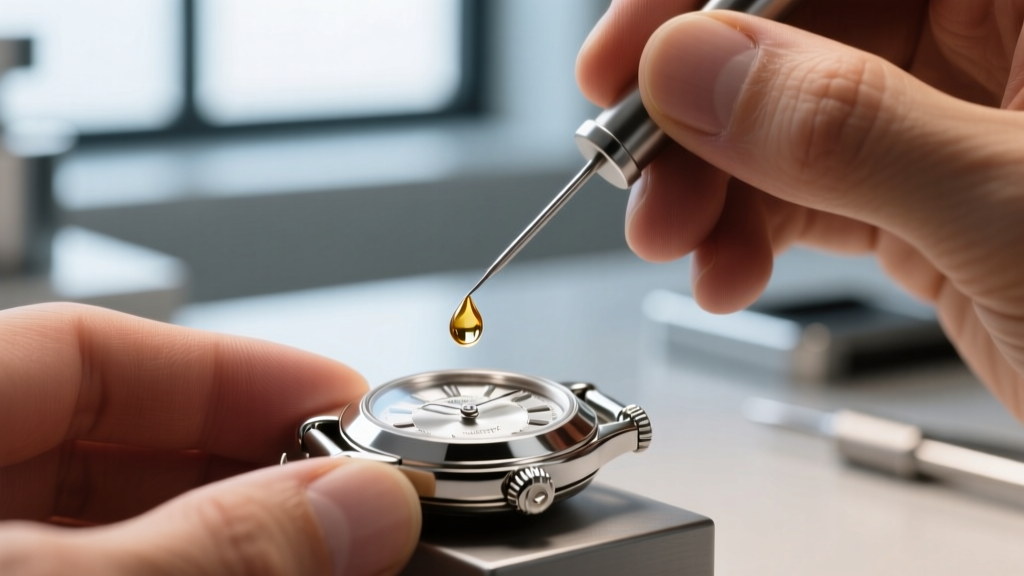
- Use a fine needle applicator to apply a micro-drop of synthetic watch oil (such as Moebius 9010) or a dry PTFE (Teflon) lubricant directly into the seam.
- Work the trigger back and forth 20 to 30 times to distribute the lubricant evenly across the steel spring and silver housing.
- Wipe away any excess oil from the exterior of the clasp to prevent it from staining your clothing or skin.
Preventative Storage and Environmental Control
The Jewelers of America organization emphasizes that preventative storage is vastly superior to reactive cleaning. Sulfur and humidity are the primary enemies of sterling silver hardware.
- Anti-Tarnish Strips: Place 3M anti-tarnish strips in your jewelry box. These strips absorb airborne sulfur compounds before they can react with the copper in your silver alloy. Replace them every 6 months.
- Pacific Silvercloth: For long-term storage, wrap your chains in Pacific Silvercloth. This specialized fabric is embedded with microscopic silver particles that act as a sacrificial anode, tarnishing themselves to protect your jewelry.
- Silica Gel Packs: Always store silver chains in an airtight ziplock bag with a fresh silica gel desiccant packet to eliminate ambient moisture, protecting the internal steel springs from rusting.
When to Replace the Clasp Entirely
Sometimes, maintenance is no longer viable. If the internal steel spring has snapped, or if the solder joint connecting the jump ring to the clasp has fractured, the hardware must be replaced. Attempting to bend a fatigued silver trigger back into shape will result in work-hardening and a catastrophic snap. Take the piece to a professional bench jeweler who can laser-weld a new, heavy-duty lobster clasp (preferably 14mm or larger for better mechanical leverage) onto your existing chain without damaging the surrounding links.


