How Much Is a Silver Necklace Worth? 2026 Value & Trend Guide
Discover how much a silver necklace is worth in 2026. We analyze scrap value, designer premiums, and vintage trends to help you price your jewelry.

The Dual Nature of Silver Jewelry Value in 2026
When collectors, stylists, and everyday wearers ask, "how much is a silver necklace worth?" the answer is rarely a single number. In 2026, the valuation of silver necklaces and pendants is split into two distinct categories: intrinsic melt value and extrinsic style premium. While the spot price of silver provides a hard baseline for the raw material, the design, provenance, and current fashion trends dictate whether a piece is worth $40 at a pawn shop or $4,000 at an archival auction.
Understanding this duality is critical. A 50-gram generic curb chain and a 50-gram vintage Georg Jensen collar necklace contain the exact same amount of precious metal, yet their market values exist in entirely different stratospheres. As a style and trend analyst for Jewel Style Radar, I am breaking down the exact mathematics, material grades, and 2026 market trends that determine the true worth of your silver jewelry.
Calculating the Baseline: Intrinsic Melt Value
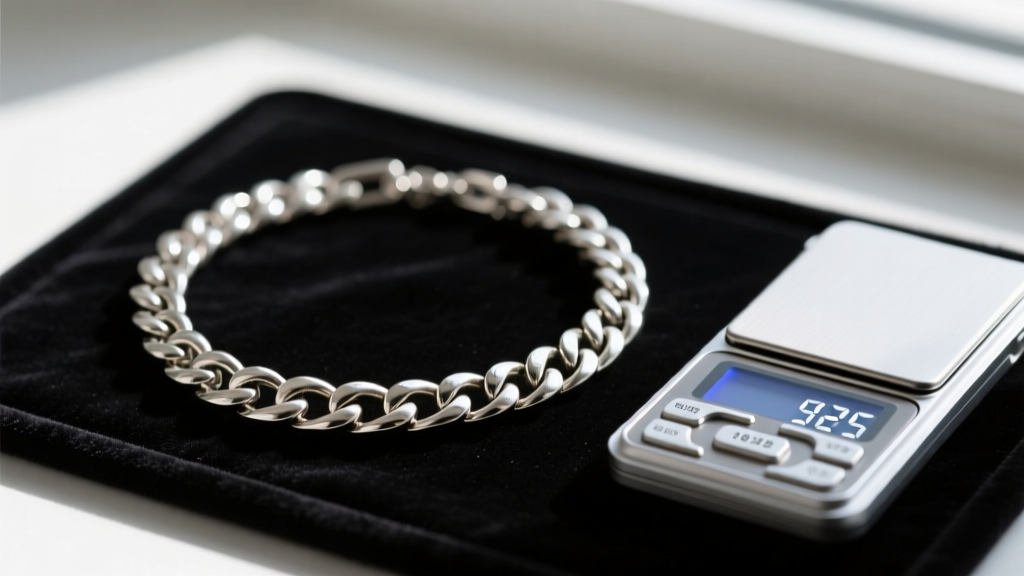
To understand the floor value of any silver necklace, you must calculate its melt value. Sterling silver is an alloy composed of 92.5% pure silver and 7.5% base metals (usually copper) for structural integrity. Therefore, a necklace stamped "925" contains exactly 0.925 grams of pure silver for every 1 gram of total weight.
With silver spot prices fluctuating around the $32.00 per Troy ounce mark in early 2026, we can determine the baseline scrap value. One Troy ounce equals 31.1035 grams. This places the pure silver value at approximately $1.03 per gram, making the .925 sterling melt value roughly $0.95 per gram.
2026 Silver Melt Value Chart (Estimates)
| Chain Weight | Pure Silver Content | 2026 Melt Value (Est.) | Pawn Shop Offer (60%) |
|---|---|---|---|
| 10g (Delicate) | 9.25g | $9.50 | $5.70 |
| 25g (Standard) | 23.12g | $23.75 | $14.25 |
| 50g (Chunky) | 46.25g | $47.50 | $28.50 |
| 100g (Heavy Statement) | 92.50g | $95.00 | $57.00 |
Note: Pawn shops and local coin dealers typically pay 50% to 70% of the melt value to account for refining costs and profit margins. Online precious metal refiners may offer 85% to 90%, but require you to ship the jewelry and melt it down, destroying its style value.
Authentication: Proving the Metal Grade
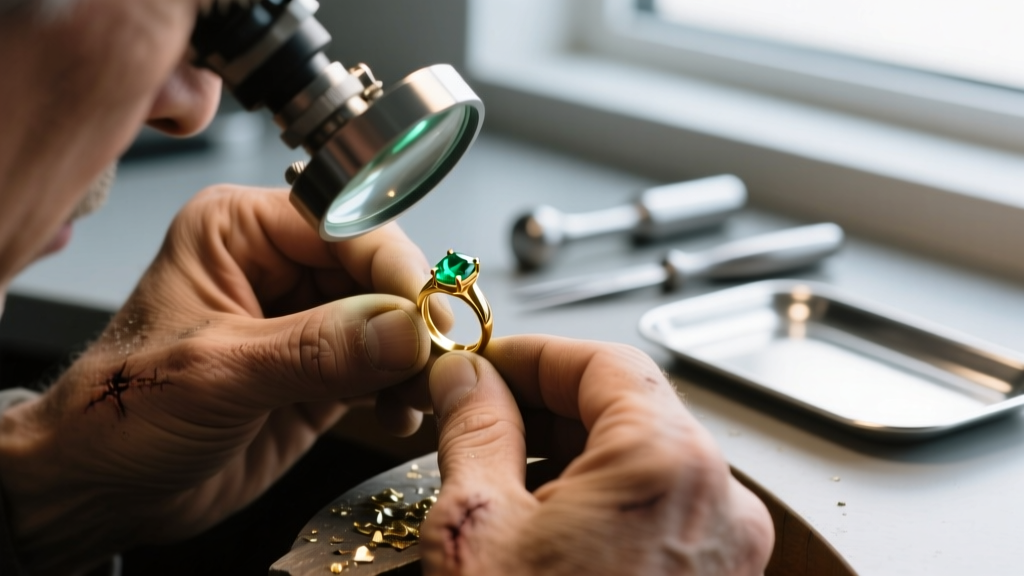
Before assessing style premiums, you must verify the metal. The secondary market is flooded with silver-plated brass and copper alloys designed to mimic sterling. According to the Gemological Institute of America (GIA), relying solely on visual inspection is a critical failure mode for amateur sellers.
- Hallmark Inspection: Look for stamps like "925", "Sterling", or "Ster". Italian pieces often feature a regional maker's mark (e.g., "1234 AL" for Alessandria). Mexican vintage pieces will read "Taxco" or "MEX" alongside an eagle assay mark.
- The Magnet Test: Silver is paramagnetic (non-magnetic). If a heavy chain clings to a rare-earth neodymium magnet, it has a ferrous core and is essentially worthless as precious metal.
- Acid Testing: Jewelers file a small notch into a discreet link and apply nitric acid testing solution. A creamy white reaction confirms .925 sterling; a green reaction indicates silver-plated brass.
The Style Premium: When Design Outweighs Metal
If your necklace passes authentication, its true worth is dictated by the 2026 fashion landscape. The "Style Premium" is the multiplier applied to the melt value based on brand, craftsmanship, and trend alignment. Data from the 1stDibs vintage jewelry market shows that archival and designer silver pieces are currently outperforming their gold counterparts in percentage-based ROI.
Mass Market vs. Independent Artisans
A generic sterling silver paperclip chain manufactured in overseas bulk facilities carries a style multiplier of 1.0x to 1.2x. It will sell on secondhand platforms for just slightly above its melt value. However, independent artisan chains featuring hand-soldered links, custom oxidized finishes, or unique clasp mechanisms command a 3x to 5x multiplier. Buyers in 2026 are actively seeking "quiet luxury" and bespoke craftsmanship over mass-produced mall jewelry.
The Archival & Vintage Surge
Certain designers have elevated silver to an asset class. A vintage Tiffany & Co. Elsa Peretti mesh necklace or a David Yurman cable chain does not sell by the gram; it sells by the archive. These pieces routinely fetch 5x to 15x their melt value. Similarly, mid-century Mexican Taxco silver (from makers like Margot de Taxco or Hector Aguilar) is highly sought after by collectors, with intricate enamel-inlaid pendants selling for thousands of dollars regardless of their relatively low silver weight.
"In 2026, the most valuable silver necklaces are not necessarily the heaviest. The market is heavily rewarding structural innovation, historical provenance, and the distinct, heavy-handed oxidized finishes that define the modern gothic-revival trend."
2026 Trend Analysis: What Buyers Are Paying For
To maximize the resale value or appraisal worth of your silver necklace, it helps to understand what is currently trending in high-end streetwear and editorial styling. The following styles are commanding the highest premiums on the secondary market this year:
1. Heavy, Solid Link Chains (Cuban & Curb)
The streetwear influence on fine jewelry remains dominant. Solid, unsoldered Cuban links weighing between 50g and 150g are highly liquid assets. Because they are practically indestructible and require minimal maintenance, buyers will pay a 2x to 3x premium over melt value for well-maintained, branded, or vintage Italian-made examples.
2. Oxidized and Blackened Silver
High-polish silver is taking a backseat to intentionally oxidized finishes. Designers are using liver of sulfur to blacken the crevices of intricate pendants and chain links, highlighting the relief work. Necklaces featuring this dark, moody aesthetic are highly desirable in the alternative luxury space, increasing their resale desirability.
3. Modular and Interlocking Pendants
Functionality is a major trend. Silver necklaces featuring modular pendant systems—where the wearer can swap out heavy silver charms, gemstone inserts, or locket mechanisms on a single robust chain—are seeing high demand. The versatility adds a functional premium to the piece's overall worth.
Failure Modes: What Destroys a Silver Necklace's Value
Even if a necklace is authentic .925 sterling, certain structural and stylistic flaws will reduce its worth to mere scrap value. Avoid these pitfalls when buying for investment or resale:
- Hollow and Tubular Links: Many mid-tier brands use hollow silver tubing to create massive, heavy-looking chains that actually weigh very little. These are prone to crushing, denting, and snapping. The secondary market heavily penalizes hollow jewelry.
- Severe Tarnish and Pitting: While oxidation is a style choice, neglected sulfur-tarnish that eats into the copper alloy can cause micro-pitting. This structural degradation lowers the value significantly.
- Missing or Replaced Clasps: For archival designer pieces (like Gorham or Georg Jensen), a replaced, non-original lobster clasp can reduce the collector value by up to 40%. Original barrel clasps or box clasps with safety chains are mandatory for top-tier appraisals.
Final Verdict: Selling vs. Styling
So, how much is a silver necklace worth? If you are holding a generic, lightweight chain, its worth is strictly tied to the daily commodities market—roughly $0.95 per gram in 2026. You can track live fluctuations via Kitco's Silver Spot Prices. However, if you possess a heavy, solidly constructed piece, or an archival designer pendant, its worth is defined by its style, weight, and cultural relevance.
As a style radar, my advice is to hold onto heavy, well-crafted sterling silver. Unlike plated brass or trendy costume jewelry that ends up in landfills, solid silver is infinitely recyclable, historically significant, and currently enjoying a massive renaissance in both high fashion and everyday layering. Treat your silver not just as an accessory, but as a wearable, liquid asset.


