Budget Guide: Buying a Silver Star of David Necklace for True Value
Learn how to assess the true value of a silver Star of David necklace. Compare 925 sterling, plated, and artisan pricing to make a smart jewelry investment.

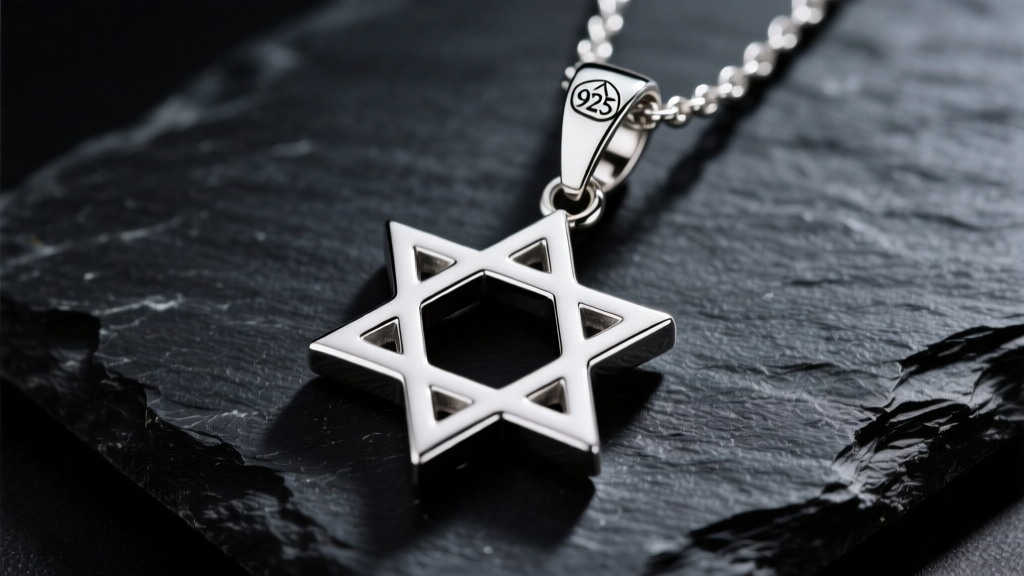
The Star of David, or Magen David, is a profound symbol of faith, heritage, and identity. When shopping for a silver Star of David necklace, consumers are often confronted with a baffling price spectrum. You can find seemingly identical pendants priced anywhere from $15 to over $500. As a jewelry appraiser and style consultant, I frequently see buyers overpay for poorly constructed pieces or miss out on exceptional artisan craftsmanship because they lack a reliable valuation framework.
This comprehensive budget and value assessment guide will deconstruct the pricing mechanics of silver Star of David necklaces. We will examine material grades, casting techniques, chain pairings, and hallmark verification to ensure your next purchase represents genuine, lasting value.
The Anatomy of Value: What You Are Actually Paying For
When evaluating any piece of symbolic jewelry, the price tag is a composite of three distinct factors: raw material cost, manufacturing complexity, and brand or artisan markup. The geometric nature of the Star of David—two interlocking equilateral triangles—presents unique challenges in metal casting. The six outer points and the central hexagonal void require precise sprue placement and meticulous finishing to avoid porosity and structural weak points.
Understanding these manufacturing realities is the first step in separating a $250 heirloom-quality pendant from a $30 mass-produced trinket that will tarnish and break within a year.
Material Grades: 925 Sterling vs. Silver-Plated vs. Fine Silver
Not all "silver" is created equal. According to Federal Trade Commission (FTC) Jewelry Guides, strict legal definitions govern how silver can be marketed. Here is how the three primary grades impact your budget and the necklace's longevity:
- 925 Sterling Silver: Composed of 92.5% pure silver and 7.5% alloy (usually copper), this is the undisputed gold standard for daily-wear pendants. The copper adds necessary tensile strength, preventing the interlocking triangles from bending out of shape. Expect to pay a premium for the raw silver weight, but it offers the best long-term value.
- Fine Silver (999): While technically more "pure," fine silver is far too soft for the delicate points of a Star of David. It will dent, scratch, and warp under the tension of a chain. Avoid fine silver for this specific pendant shape unless it is a heavy, solid-cast piece meant strictly for occasional display.
- Silver-Plated / Silver-Toned: These pieces feature a base metal core (usually brass or copper) coated with a microscopic layer of silver. The Silver Institute notes that pure silver naturally resists corrosion, but the base metals underneath plating will oxidize rapidly once the thin silver layer wears away from friction against the skin and clothing.
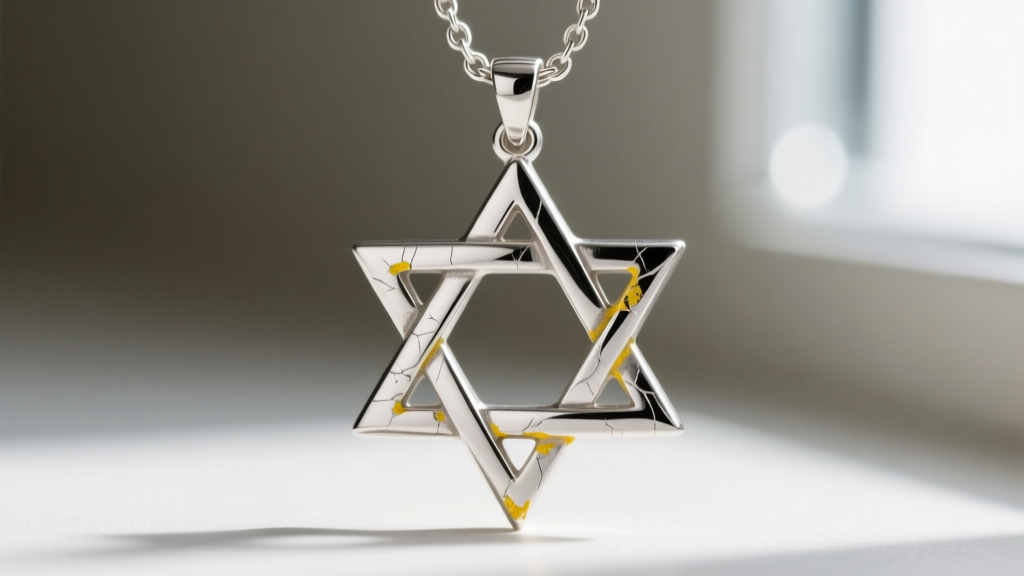
Pricing Tiers: A Market Breakdown for Star of David Pendants
To accurately assess a budget, you must align your expectations with current market tiers. The table below outlines what you should realistically expect to pay for a standard 1-inch (25mm) Star of David pendant, excluding the chain.
| Value Tier | Material Composition | Average Weight | Price Range (USD) | Value Verdict |
|---|---|---|---|---|
| Budget / Fast Fashion | Silver-plated brass or zinc alloy | 2g - 4g | $12 - $35 | Poor long-term value. Plating will wear off, causing skin discoloration and rapid tarnishing. |
| Mid-Range / Commercial | Solid 925 Sterling Silver (cast) | 4g - 8g | $45 - $120 | Excellent everyday value. Durable, easily polished, and holds intrinsic metal value. |
| Premium / Artisan | 925 Sterling with Rhodium plating or oxidized detailing | 8g - 15g | $130 - $300 | High value for design lovers. Superior finishing, laser-welded bails, and heirloom potential. |
| Luxury / Designer | 925 Sterling with diamond accents or mixed 14k gold | 10g+ | $400 - $1,500+ | Diminishing returns on pure metal value; you are paying for brand prestige and gemstones. |
Craftsmanship & Hallmarks: Spotting Authentic Quality
When holding a prospective silver Star of David necklace, your first action should be inspecting the bail—the loop at the top where the chain threads through. In budget-tier necklaces, the bail is often cast as a single, continuous piece with the pendant. This creates a weak point where the metal is thinnest, leading to eventual snapping.
In mid-range and premium pieces, the bail is a separate component that is soldered or laser-welded onto the top triangle. Look for a clean, seamless joint with no visible pits or dark solder flux residue. Furthermore, check the back of the pendant for the "925" hallmark. According to the Gemological Institute of America (GIA), legitimate sterling silver will almost always bear this stamp, often accompanied by a maker's mark or a country-of-origin indicator.
Solid Cast vs. Hollow-Cast (Electroformed)
Weight is a massive indicator of value. A 1-inch Star of David pendant should weigh between 5 and 9 grams if solid cast. Some manufacturers use electroforming to create "hollow-cast" pendants that look large and voluminous but weigh less than 2 grams. While hollow-cast pieces are cheaper and lighter on the neck, they are highly susceptible to denting. If a hollow pendant is dropped on a hard tile floor, the delicate points of the star will crush inward, and repairing them is virtually impossible. For true budget value, always opt for solid cast 925 sterling silver.
Chain Selection: Where to Save and Where to Spend
A common mistake buyers make is allocating their entire budget to the pendant and pairing it with a flimsy, low-quality chain. The chain is the structural lifeline of your necklace. A heavy, solid-cast Star of David pendant will easily snap a thin, hollow rope chain within months.
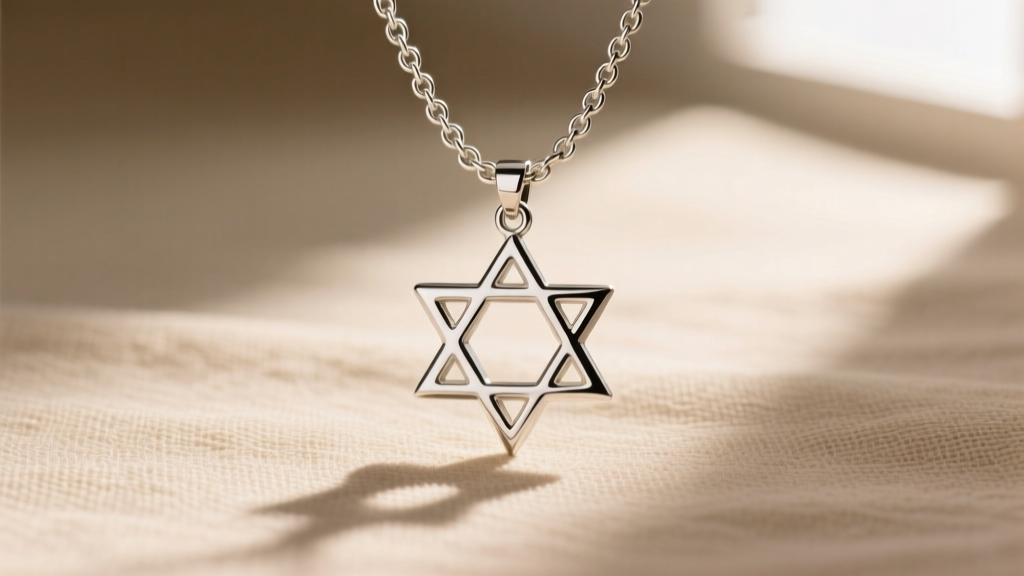
For optimal value and durability, follow these chain pairing guidelines:
- For Pendants Under 5 Grams: A 1.0mm to 1.2mm (approx. 18-gauge) solid 925 sterling silver box chain or rolo chain is sufficient. Expect to spend $25 to $45.
- For Pendants Between 5 and 12 Grams: Upgrade to a 1.5mm to 2.0mm (approx. 14-gauge) solid cable or Figaro chain. The thicker links distribute the weight of the interlocking triangles evenly, preventing the bail from wearing through the chain links. Budget $50 to $85.
- Clasp Mechanics: Always insist on a lobster claw clasp rather than a spring-ring clasp. Spring rings are notorious for failing due to weak internal springs, resulting in the loss of your valuable pendant.
"The true cost of a necklace isn't just the purchase price; it's the replacement cost of a broken chain or an irreparably dented pendant. Investing an extra $30 in a solid 1.5mm sterling chain saves you from a $150 heartbreak down the line." — Master Bench Jeweler Appraisal Notes
Final Verdict: Maximizing Your Budget
When assessing the budget for a silver Star of David necklace, the sweet spot for enduring value lies in the mid-range tier. By targeting solid 925 sterling silver pendants in the $60 to $120 range, weighing at least 5 grams, and pairing them with a sturdy 1.5mm rolo or box chain, you secure a piece of jewelry that will withstand daily wear, resist catastrophic damage, and serve as a meaningful, lasting symbol. Avoid the false economy of silver-plated alternatives, and always verify the 925 hallmark and bail soldering before finalizing your purchase.


