Simone Biles GOAT Necklace: Material & Durability Guide 2026
Explore the metallurgy behind the Simone Biles GOAT necklace. Compare 14k gold, vermeil, and PVD steel for athletic durability and sweat resistance.

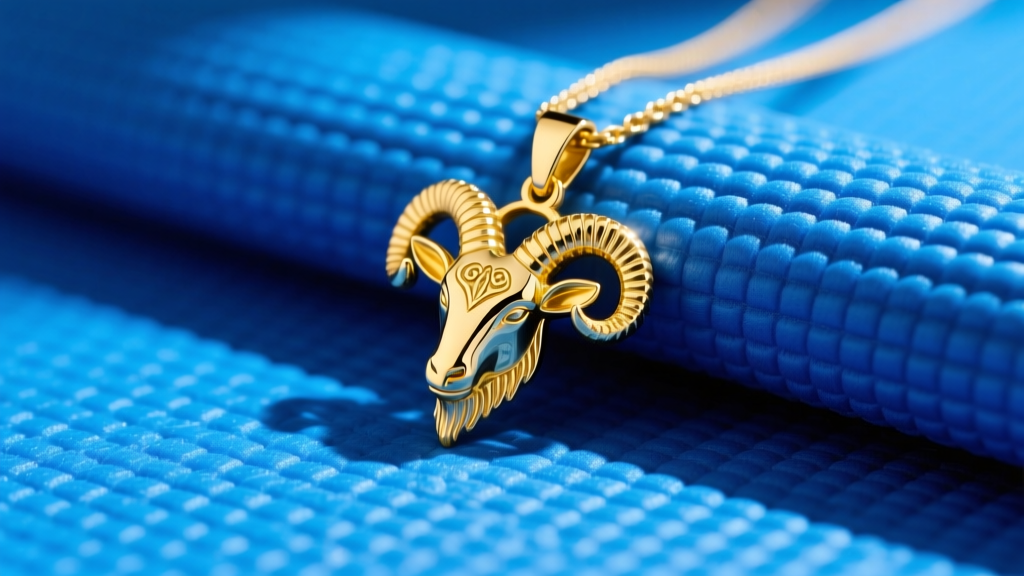
The Phenomenon of the Simone Biles GOAT Necklace
When Simone Biles debuted her custom diamond-encrusted and solid gold GOAT (Greatest of All Time) pendants on the Olympic stage, it instantly transcended sports memorabilia to become a defining jewelry trend. As we move through the 2026 athletic season, the demand for GOAT-inspired pendants remains at an all-time high among gymnasts, fitness enthusiasts, and streetwear aficionados alike. However, replicating this iconic look requires more than just copying the silhouette of the goat head; it demands a rigorous understanding of jewelry metallurgy. For athletes who intend to wear their pendants during high-intensity training, material choice is the critical variable that separates a lifelong heirloom from a tarnished, degraded paperweight.
The environment of a gymnastics gym or a CrossFit box is inherently hostile to fine jewelry. Chalk dust, high-velocity friction, and highly acidic sweat create a gauntlet that lesser metals simply cannot survive. In this comprehensive material breakdown, we analyze the exact properties of the metals used in high-end athletic pendants, evaluating their Vickers hardness, galvanic reactions, and long-term durability.
Metallurgy of Champions: Comparing Gold Alloys
Pure 24-karat gold is exceptionally malleable, registering a mere 25 on the Vickers Hardness (HV) scale. If a custom GOAT pendant were cast in 24k gold, a single impact against a balance beam or a dropped barbell would permanently dent and warp the piece. Therefore, alloying is mandatory for athletic jewelry. According to the Gemological Institute of America (GIA), the specific ratio of alloy metals not only dictates the color of the gold but fundamentally alters its structural integrity and resistance to environmental stressors.
14k vs. 18k Solid Gold
14-karat solid gold consists of 58.5% pure gold, with the remaining 41.5% comprised of copper, silver, and zinc. This specific alloy matrix yields a Vickers hardness of approximately 120 to 140 HV. This makes 14k gold highly resistant to the micro-abrasions caused by gym equipment and the repetitive friction of athletic apparel. It is the undisputed champion for daily-wear sports jewelry.
Conversely, 18-karat gold (75% pure gold) offers a richer, deeper yellow hue that many luxury buyers prefer. However, its hardness drops to roughly 90 to 110 HV. While perfectly suitable for formal wear or light activity, an 18k GOAT pendant will accumulate surface scratches much faster when subjected to the rigors of competitive gymnastics or weightlifting. Furthermore, the higher copper content in some 14k alloys can react with highly acidic sweat, a factor we will explore in the next section.
The Sweat Factor: Athletic Wear & Metal Degradation
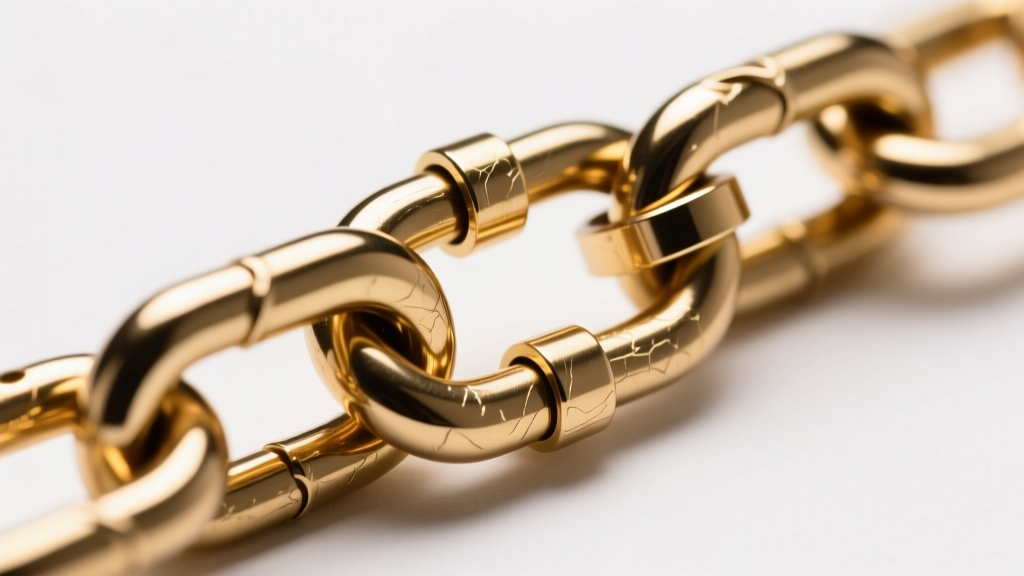
Human sweat is not merely water; it is a complex electrolyte solution containing urea, lactic acid, ammonia, and sodium chloride, with a pH typically ranging from 4.5 to 7.0. When sweat acts as an electrolyte between dissimilar metals—or when it pools in the crevices of a detailed GOAT pendant casting—it accelerates oxidation and tarnishing.
Gold vermeil (a thick layer of gold electroplated over a sterling silver core) is a popular budget alternative for trend-driven pieces. However, sterling silver contains 7.5% copper. When the microscopic pores of the vermeil plating allow sweat to reach the silver core, a galvanic reaction occurs. This results in dark, stubborn tarnish that bleeds through the gold layer, often turning the wearer's skin green or black. For serious athletes, vermeil is a temporary solution at best.
Material Performance Matrix
| Material | Gold Content | Sweat Resistance | Vickers Hardness (HV) | Est. Price Range | Best Use Case |
|---|---|---|---|---|---|
| 14k Solid Yellow Gold | 58.5% | Excellent | 120 - 140 | $800 - $1,500 | Daily athletic wear, heirloom |
| 18k Solid Yellow Gold | 75.0% | Very Good | 90 - 110 | $1,200 - $2,200 | Competition day, formal wear |
| Gold Vermeil (Silver Core) | 2.5% (Plating) | Poor | 70 - 90 | $80 - $150 | Occasional wear, non-sweat |
| PVD Coated 316L Steel | 0% (Surface TiN) | Superior | 200+ (Coating) | $120 - $250 | High-impact training, swimming |
Hypoallergenic Properties & Skin Safety
For athletes with sensitive skin, the alloy composition of the pendant and chain is a medical necessity, not just a stylistic choice. Contact dermatitis triggered by jewelry is most commonly caused by nickel, a metal frequently used to bleach gold alloys for white gold. According to Mayo Clinic's research on contact dermatitis, prolonged exposure to nickel-laced alloys combined with the friction of athletic movement can cause severe localized rashes, blistering, and hyperpigmentation.
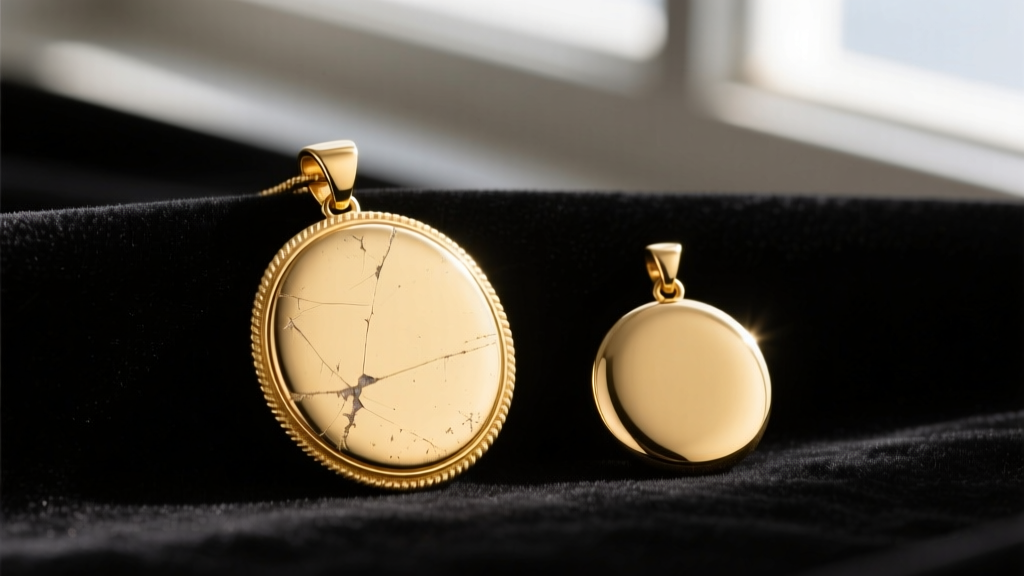
If you are opting for a white gold GOAT pendant, you must ensure it is alloyed with palladium rather than nickel, or verify that the rhodium plating is thick enough to act as an impermeable barrier. However, rhodium plating wears off quickly on high-friction areas like the back of a pendant resting against the sternum. For the ultimate hypoallergenic guarantee in athletic environments, 14k yellow gold (which relies on copper and silver for its alloy) or PVD-coated 316L surgical stainless steel are the safest bets. 316L steel contains trace amounts of nickel, but it is tightly bound within the crystalline structure of the steel and rarely leaches, making it highly biocompatible.
Chain Selection: Tensile Strength Matters
A heavy, solid gold GOAT pendant (typically weighing between 15 and 25 grams) requires a chain with exceptional tensile strength. The most common failure point in athletic necklaces is not the pendant itself, but the chain links stretching or the clasp snapping under sudden kinetic loads.
- Box Chains: Offer excellent tensile strength and a modern, geometric aesthetic that complements the GOAT motif. However, if a link is crushed during a heavy lift, it is nearly impossible to repair without replacing the entire chain.
- Rope Chains: Highly durable due to their twisted, interlocking structure. They distribute weight evenly and are resistant to snapping, making them a top choice for heavy pendants.
- Cable Chains: Classic and easy to repair, but standard oval links can stretch into ovals under the weight of a 20g pendant. If choosing a cable chain, opt for a minimum wire gauge of 2.5mm to 3.0mm and ensure the links are soldered shut.
Always pair heavy pendants with a sturdy lobster clasp or a custom box lock clasp. Standard spring-ring clasps are insufficient for athletic wear and will inevitably fail when snagged on a towel or gym mat.
How to Source or Recreate the GOAT Pendant
If you are commissioning a custom GOAT pendant in 2026, the manufacturing method dictates the final durability. Lost-wax casting is the industry standard for solid gold pieces, allowing for deep, three-dimensional undercuts and intricate details like the textured fur and curved horns of the goat. For budget-conscious athletes, seek out jewelers who utilize Physical Vapor Deposition (PVD) on a 316L stainless steel base. Unlike traditional electroplating, PVD bonds a layer of titanium nitride or real gold at a molecular level in a vacuum chamber. This creates a coating that is up to ten times thicker and more scratch-resistant than standard plating, capable of withstanding the highly acidic environment of daily gym sessions without peeling.
Athletic Jewelry Maintenance Protocol
Even the most resilient metals require maintenance to retain their luster. After intense training sessions, chalk dust and dried sweat will accumulate in the deep crevices of the GOAT pendant's engraving. Do not use harsh chemical dips or ultrasonic cleaners on vermeil or PVD-coated pieces, as the high-frequency vibrations and acidic solutions will strip the surface layers. Instead, use a neutral pH dish soap, warm water, and a soft-bristled baby toothbrush to gently agitate the debris from the pendant's details. For solid 14k gold, an occasional ultrasonic cleaning is safe and will restore the piece to its original brilliance.
Final Verdict: What Should You Buy?
The Simone Biles GOAT necklace is a testament to the intersection of elite athletic achievement and luxury jewelry design. For competitors and serious fitness enthusiasts who want a piece that can survive the chalk, sweat, and impact of the gym, 14k solid yellow gold remains the gold standard, offering the perfect equilibrium of prestige, hardness, and skin safety. For those prioritizing extreme durability and budget without sacrificing the iconic gold-tone aesthetic, PVD-coated 316L stainless steel is the most technologically advanced alternative on the market. Choose your materials wisely, engineer your chain for tensile strength, and your GOAT pendant will endure as long as your legacy in the sport.


