Single Pearl Gold Necklace: A Technical Buying Guide
Discover the technical details behind a single pearl gold necklace. Learn about nacre thickness, gold karats, and clasp mechanics for lasting quality.

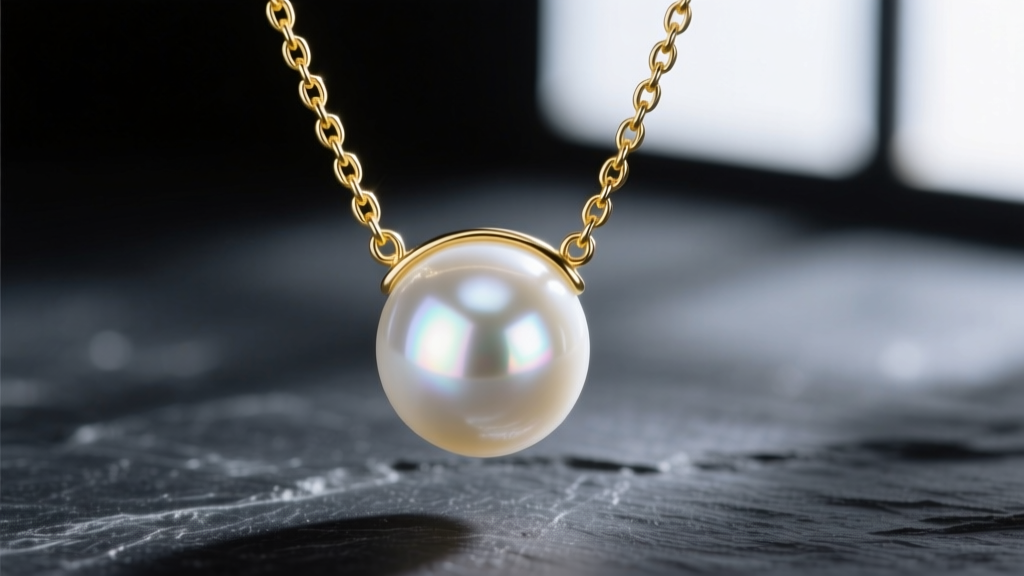
When evaluating a single pearl gold necklace, most buyers focus solely on the pearl's surface diameter and the gold's color. However, as a domain expert in gemological jewelry construction, I can tell you that the true value, longevity, and drape of this classic piece rely on a complex interplay of material sciences. From the microscopic layering of aragonite platelets within the pearl to the tensile strength of the gold alloy chain, every millimeter matters. In this technical deep dive, we will deconstruct the anatomy of the single pearl gold necklace, providing you with the precise metrics needed to make an informed, investment-grade purchase in today's market.
The Core Anatomy: Matching Pearl Nacre to Gold Purity
The foundation of any high-quality single pearl gold necklace is the relationship between the pearl's nacre thickness and the gold chain's metallurgical composition. Nacre is the crystalline substance a mollusk secretes to form a pearl. According to the GIA's pearl quality factors, nacre thickness directly dictates both the luster (the sharp reflection of light) and the structural durability of the gem.
For saltwater Akoya pearls, which are bead-nucleated, you must demand a minimum nacre thickness of 0.4mm. Anything less risks 'chalking' or peeling over time, exposing the dull shell bead underneath. Freshwater pearls, conversely, are typically solid nacre, meaning a 7mm pearl consists of 7mm of pure crystalline structure, offering immense durability but often a softer, more satiny luster compared to the mirror-like finish of a thick-nacred Akoya or South Sea pearl.
Pairing the pearl with the correct gold purity is equally critical. While 18k gold (75% pure gold) offers a richer, deeper yellow hue, it possesses a lower Vickers hardness rating than 14k gold (58.5% pure gold). For a delicate solitaire pendant chain that will endure daily friction and tension, 14k gold is metallurgically superior. The higher proportion of alloy metals (usually copper, silver, and zinc) in 14k gold increases its tensile strength, preventing the chain from stretching or micro-fracturing under the localized weight of the pearl pendant.
Chain Gauge and Clasp Mechanics: Preventing Failure
A common failure mode in fine jewelry is the snapping of an under-gauged chain or the fatigue of a poorly engineered clasp. When selecting the chain for your single pearl gold necklace, the gauge (thickness) must be carefully balanced against the weight of the pearl.
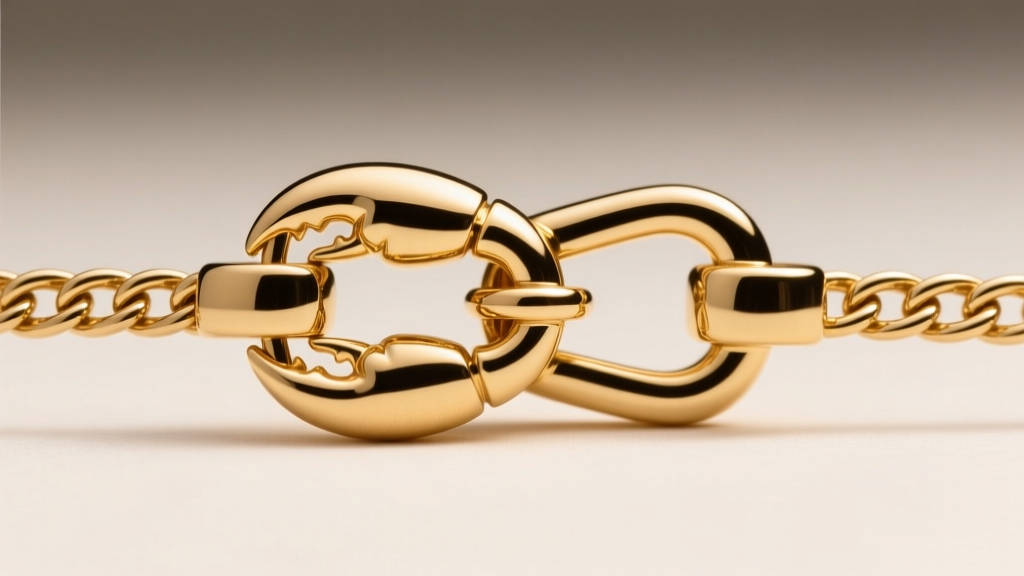
For a standard 7mm to 9mm pearl pendant, the optimal chain gauge falls precisely between 0.8mm and 1.2mm. A cable chain or a box chain in this gauge range provides an excellent strength-to-weight ratio. Chains thinner than 0.6mm are highly susceptible to kinking, which permanently weakens the crystalline structure of the gold alloy at the bend point. Conversely, chains thicker than 1.5mm will visually overpower the solitaire pearl, destroying the delicate aesthetic balance required for this specific style.
The clasp is the most frequent point of mechanical failure. Avoid spring ring clasps for daily wear; the internal steel spring is prone to moisture-induced corrosion and metal fatigue, leading to accidental unfastening. Instead, insist on a solid gold lobster clasp. A properly machined lobster clasp utilizes a heavy-duty gold alloy spring mechanism and a thicker 'trigger' lever, ensuring the gate closes with a definitive, secure snap. For chains in the 1.0mm range, a 10mm or 12mm lobster clasp provides the ideal mechanical leverage without adding excessive weight to the nape of the neck.
Pearl Grading Matrix: What You Are Actually Paying For
To navigate the pricing landscape, it is essential to understand how pearl variety and grading impact the final cost of a single pearl gold necklace. The table below outlines the technical specifications and current market pricing for a solitaire pendant set in 14k gold.
| Pearl Variety | Optimal Nacre Thickness | Luster Rating (GIA Scale) | Average Solitaire Price (14k Gold) |
|---|---|---|---|
| Akoya (7-8mm) | 0.4mm - 0.6mm | Excellent to Very High | $350 - $800 |
| Freshwater (8-9mm) | Solid Nacre | Medium to High | $150 - $400 |
| South Sea (9-11mm) | 2.0mm - 4.0mm | Very High to Excellent | $1,200 - $3,500 |
| Tahitian (9-11mm) | 2.0mm - 3.5mm | High to Excellent | $900 - $2,800 |
As noted by experts at Pearl Paradise's educational resources, luster is the single most important value factor. A smaller Akoya pearl with 'Excellent' luster (where reflected light sources appear sharp, distinct, and highly contrasted) will always command a higher price and offer better visual performance than a larger, chalky South Sea pearl with 'Fair' luster.
Drilling Techniques and Pendant Bail Engineering
The method by which the pearl is attached to the gold chain is a masterclass in micro-engineering. There are two primary drilling techniques used for solitaire pendants: fully drilled and half-drilled. For a single pearl gold necklace, the half-drilled pearl mounted on a friction post is the undisputed gold standard for high-end jewelry.
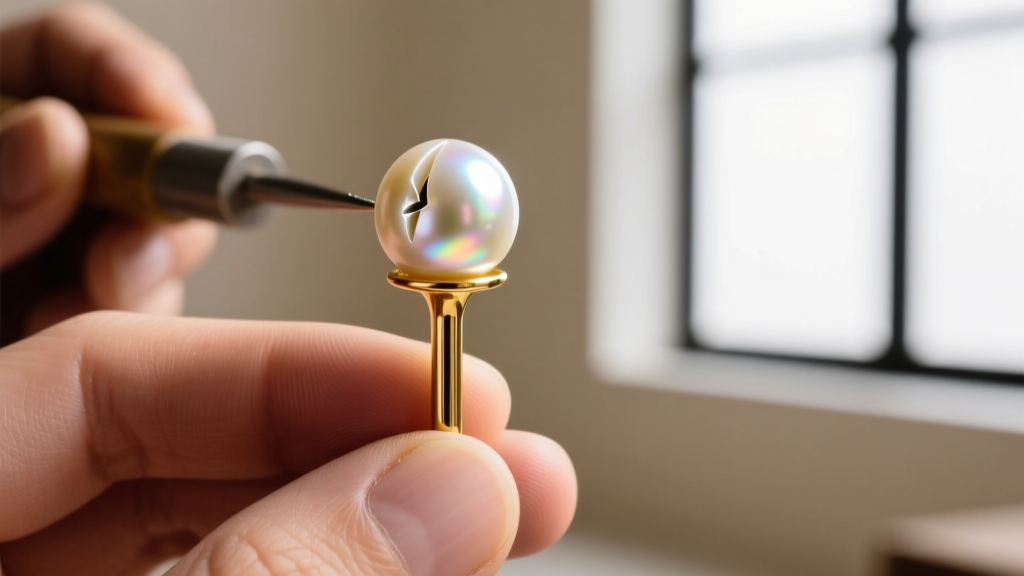
In a half-drilled setup, a diamond-tipped micro-drill creates a precise 0.8mm channel into the pearl, stopping exactly at the pearl's geometric center. A 14k or 18k gold 'friction post'—which features microscopic grooves or a slightly textured surface—is then coated with a two-part jeweler's epoxy resin and inserted into the channel. This method hides the drill hole entirely, allowing the pearl to appear as though it is floating on the chain. Fully drilled pearls, which require a wire to pass completely through the gem, inevitably leave visible entry and exit points that can trap skin oils and degrade the nacre from the inside out.
The bail (the loop that connects the pearl post to the chain) must also be engineered correctly. The inner diameter of the bail must be at least 1.5mm to allow a 1.0mm chain to pass through freely without causing abrasive friction. If the bail is too tight, every movement of the wearer's neck acts like a microscopic saw, slowly wearing away the gold chain until it snaps.
Long-Term Maintenance and Chemical Degradation
Pearls are organic gems composed of calcium carbonate and conchiolin, making them highly porous and chemically reactive. They rank a mere 2.5 to 3.0 on the Mohs hardness scale, meaning they can be easily scratched by everyday dust (which contains quartz particles). Furthermore, the gold chain requires specific care to maintain its structural integrity.
Never use ultrasonic cleaners or steamers on a single pearl gold necklace. The high-frequency vibrations will shatter the pearl's internal crystalline structure, and the heat will melt the jeweler's epoxy securing the friction post.
To maintain the piece, wipe the pearl with a damp, lint-free microfiber cloth after every wear to remove acidic skin oils and cosmetic residues, which can etch the nacre over time, causing a permanent loss of luster. The gold chain should be cleaned separately using a mild surfactant and a soft baby toothbrush. By understanding these precise technical parameters—from nacre metrics to bail engineering—you ensure your single pearl gold necklace remains a flawless, enduring artifact of gemological science.


